

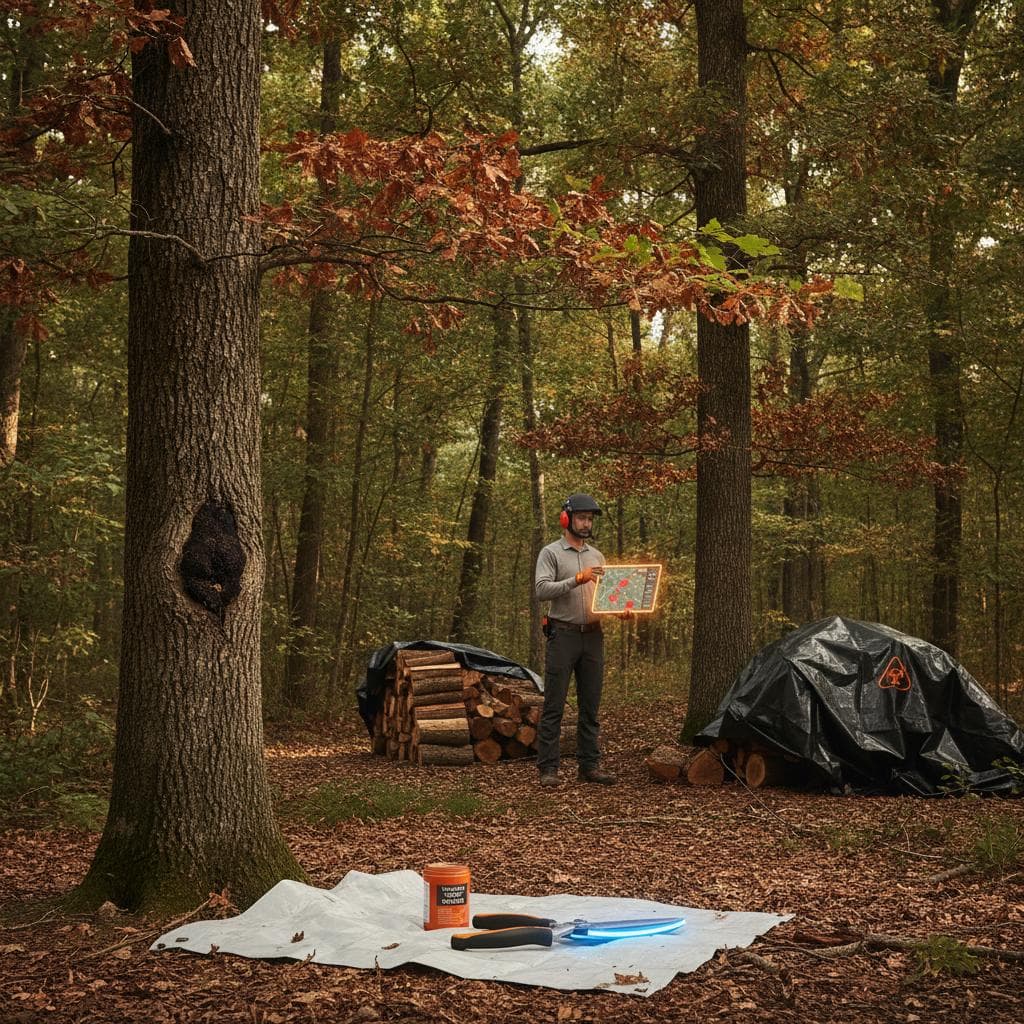
Oak Wilt Treatment Costs and New Pruning Rules
Oak wilt is spreading across eight states, threatening healthy oaks through beetles, root connections, contaminated tools, and transported firewood. New pruning restrictions make timing, wound protection, sanitation, diagnosis, and disposal critical. Learn when to call an arborist, what treatment may cost, and how to contain infections before they devastate your landscape.
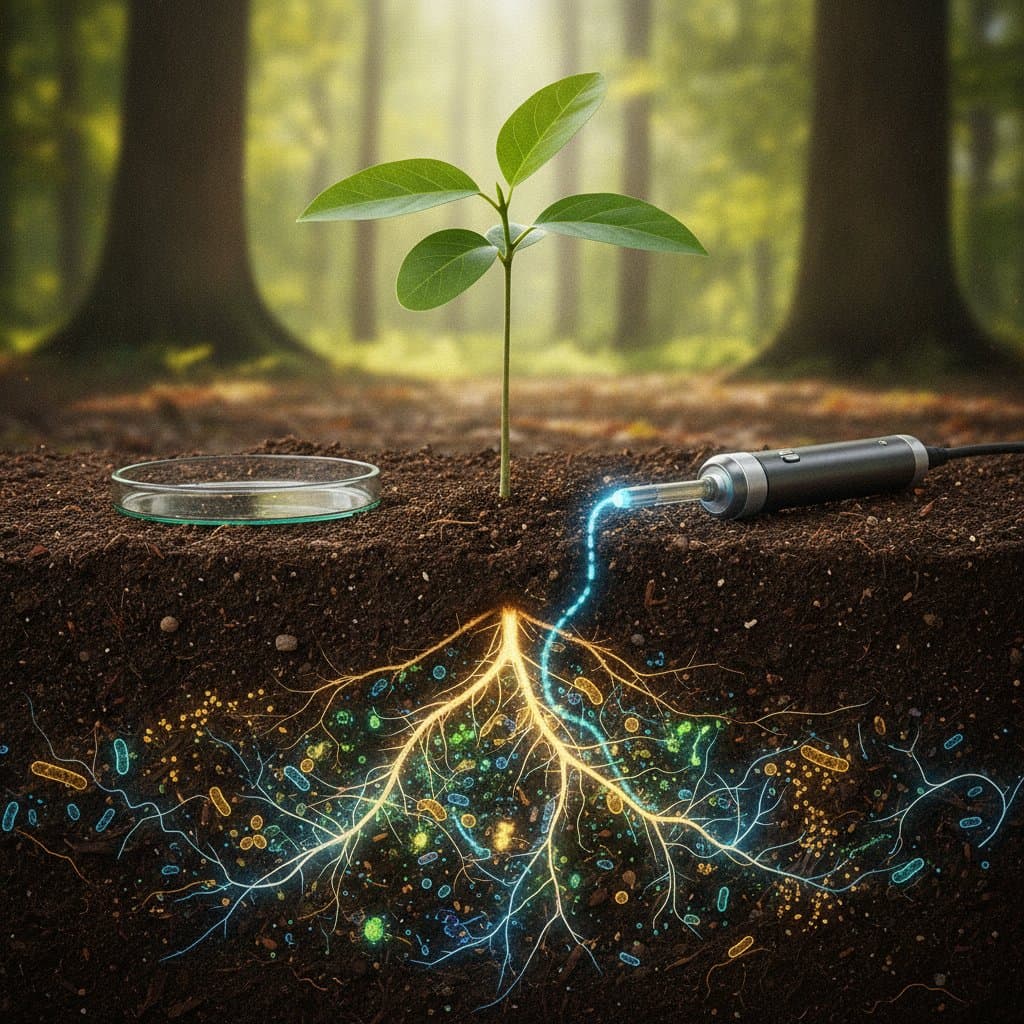
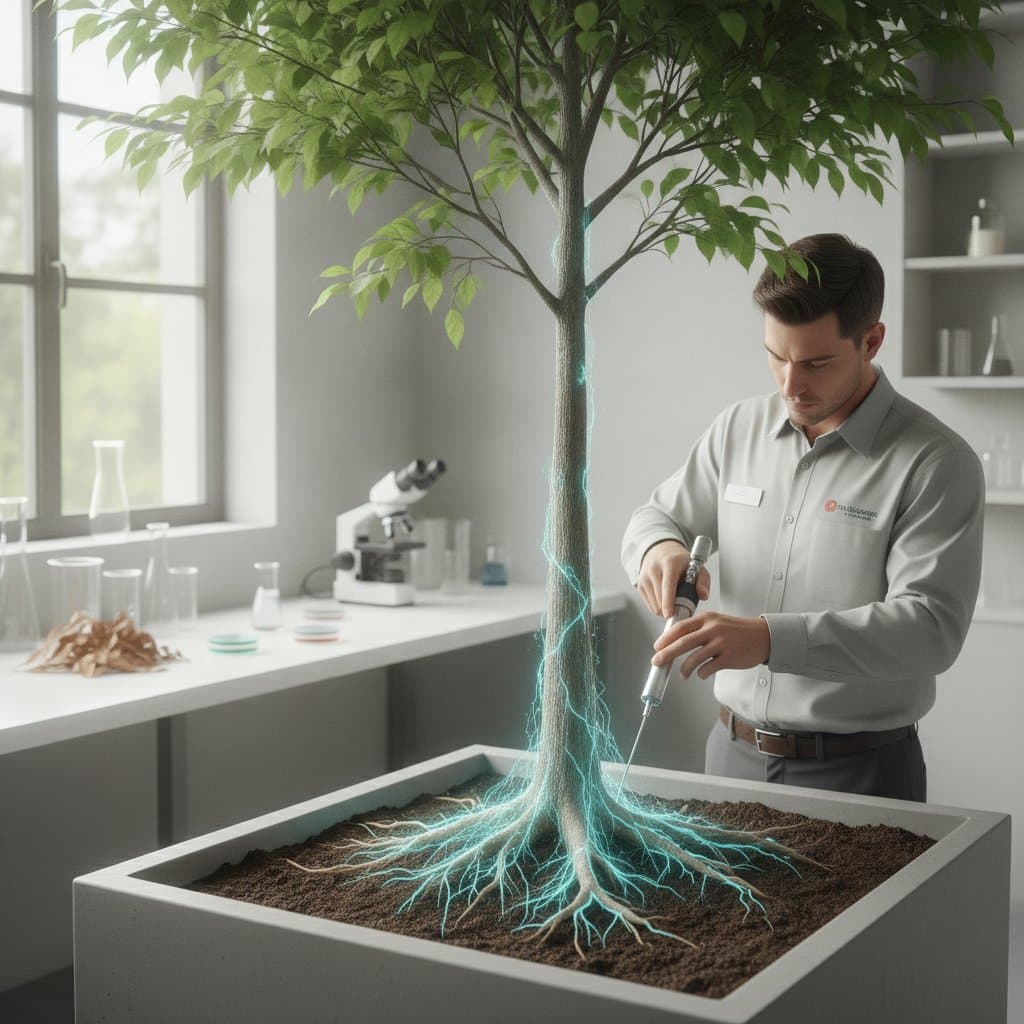
Mycorrhizal Fungi Restore Tree Health Through Roots
Mycorrhizal injections restore beneficial fungi that strengthen root systems, increase nutrient and water uptake, and support faster recovery in stressed trees.
By Amanda Motz
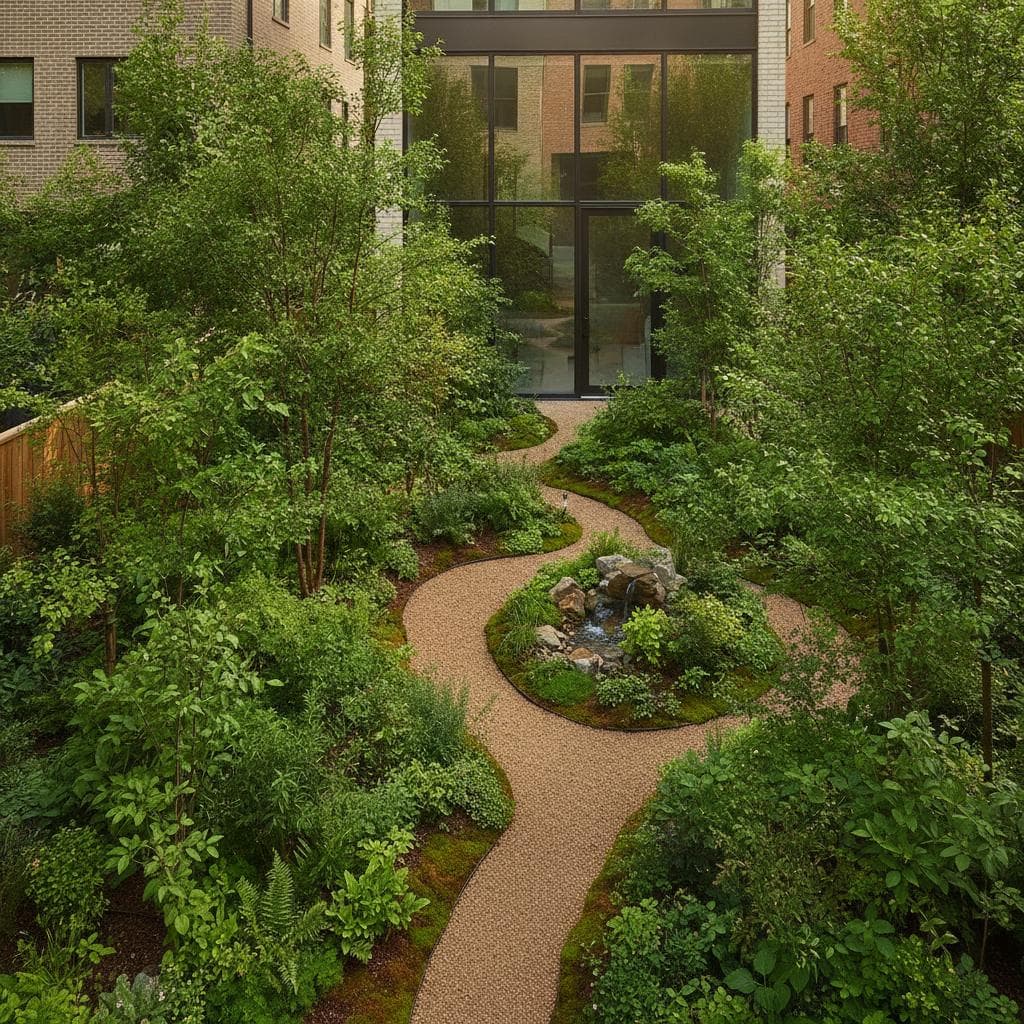
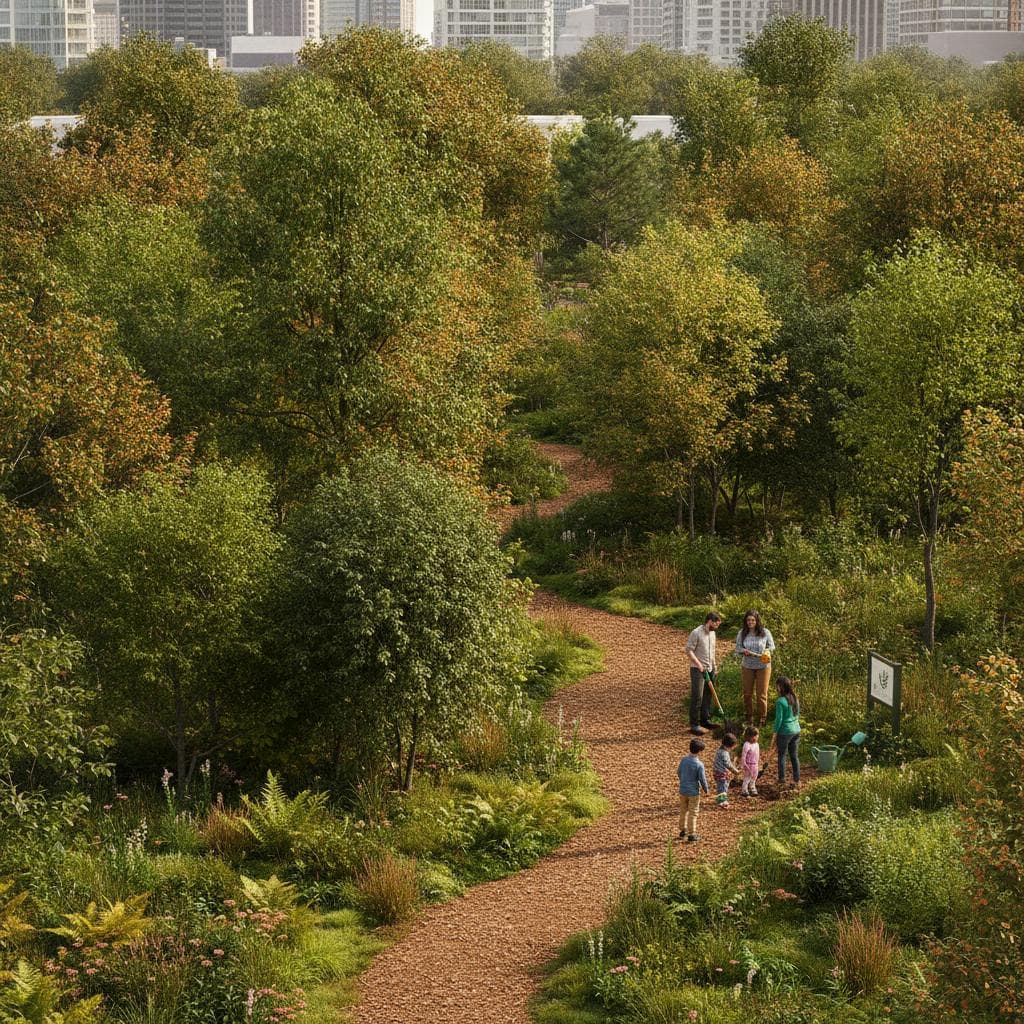
Transform Your Tiny Yard into a Thriving Micro-Forest
Even compact yards can become self-sustaining micro-forests. The Miyawaki method guides selection of native plants, soil improvement, and dense layering that delivers cooling, privacy, and habitat with minimal upkeep after establishment.
By Helen Bowman
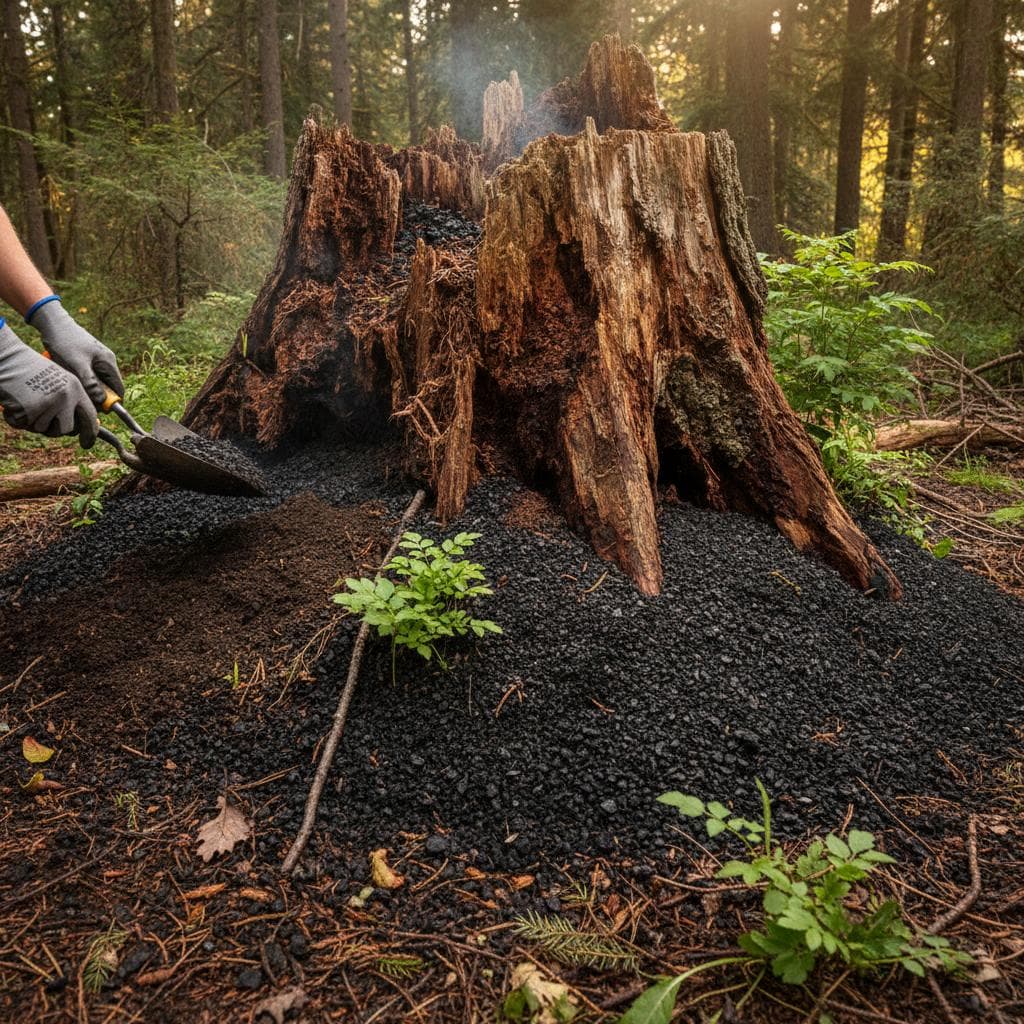
Biochar Breaks Down Stumps Three Times Faster
Biochar transforms stubborn tree stumps into fertile soil up to three times faster than natural decay. By enhancing moisture, aeration, and microbial activity, it offers an eco-friendly alternative to grinding or chemicals. Learn how to apply biochar effectively for faster decomposition, healthier soil, and a more sustainable landscape.
By Amanda Motz

Rain Gardens Cut Flooding 30% With Native Plants
Rain gardens are transforming stormwater management, reducing flooding while boosting curb appeal and supporting local ecosystems. This guide covers 2026 design trends, installation costs, and expert tips for DIY or professional builds. Discover how sustainable landscaping merges beauty and function to protect your home and the environment year-round.
By Helen Bowman

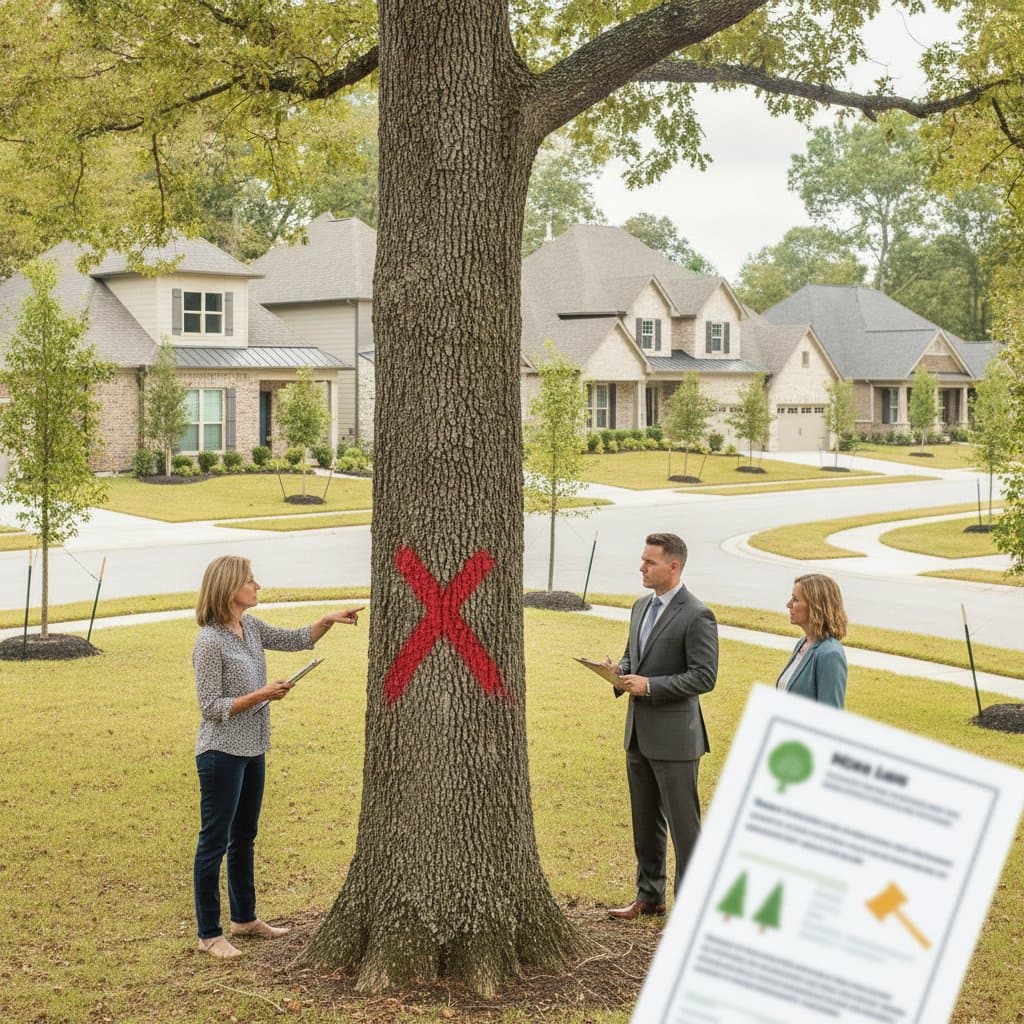
8 Cities Make Rain Gardens Mandatory by July
Eight U.S. cities require rain gardens on select properties. This guide explains costs, types, installation steps, and code compliance for homeowners.
By Keith Greene
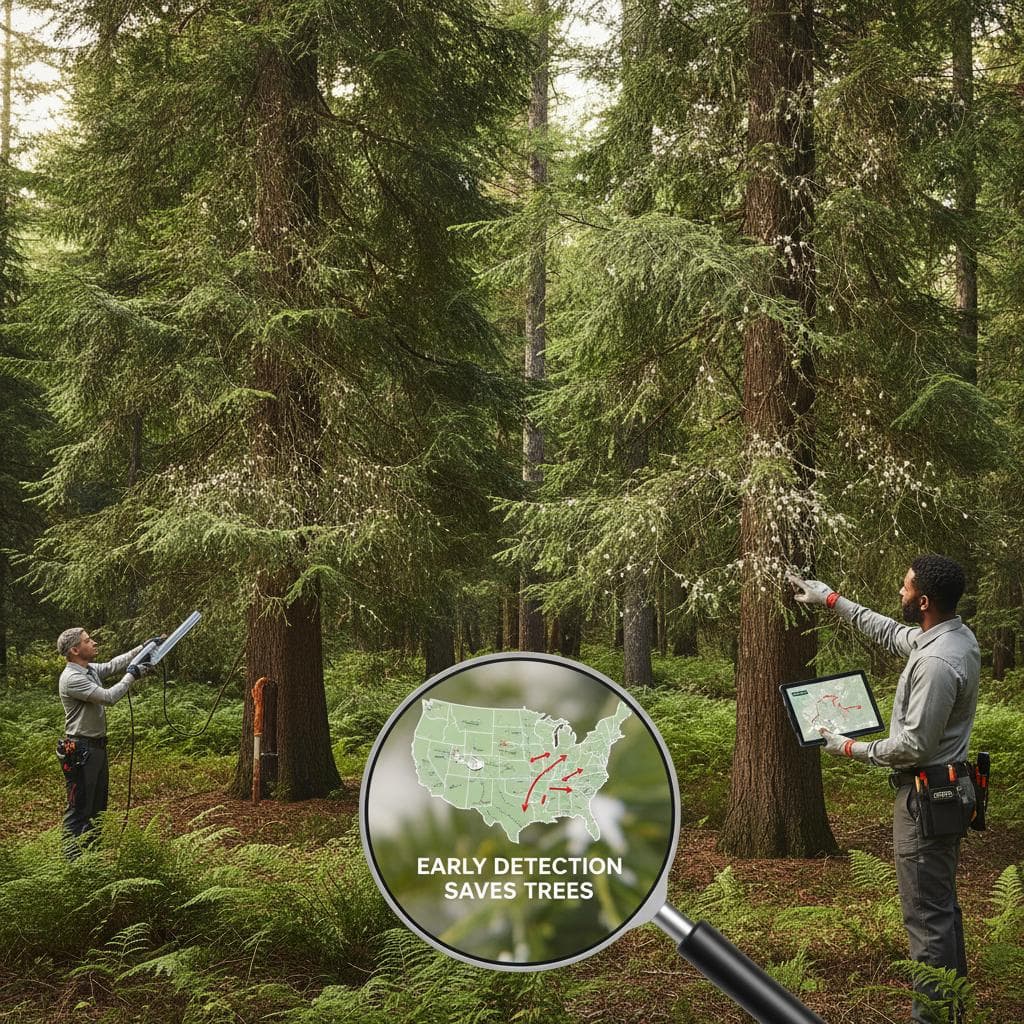
Hemlock Woolly Adelgid: Early Detection Saves Trees
The hemlock woolly adelgid is rapidly invading Midwest forests, threatening beloved hemlock trees. This guide explains how to spot early warning signs, understand key risk factors, and choose effective professional treatments. Learn how timely detection, proper care, and expert management can save your hemlocks and protect regional landscapes from devastating loss.
By Amanda Motz
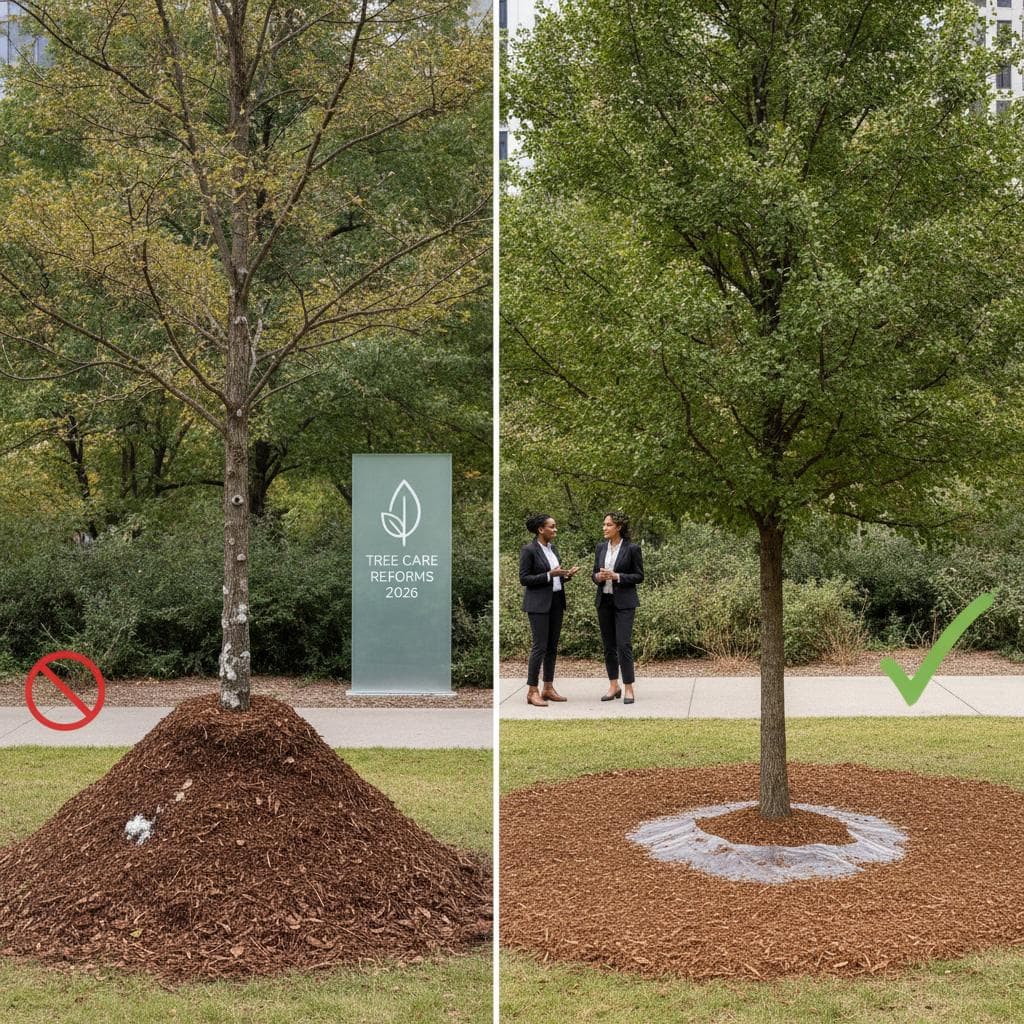
Mulch Volcanoes Banned Under New 2026 Tree Care Rules
Starting in 2026, new national rules will ban harmful mulch volcanoes. They require proper mulching that keeps root flares visible and soil breathable. The shift aims to boost tree health, prevent decay, and cut maintenance costs. Homeowners and landscapers must adapt techniques to ensure stronger, longer-living urban and residential trees.
By Amanda Motz
More Articles
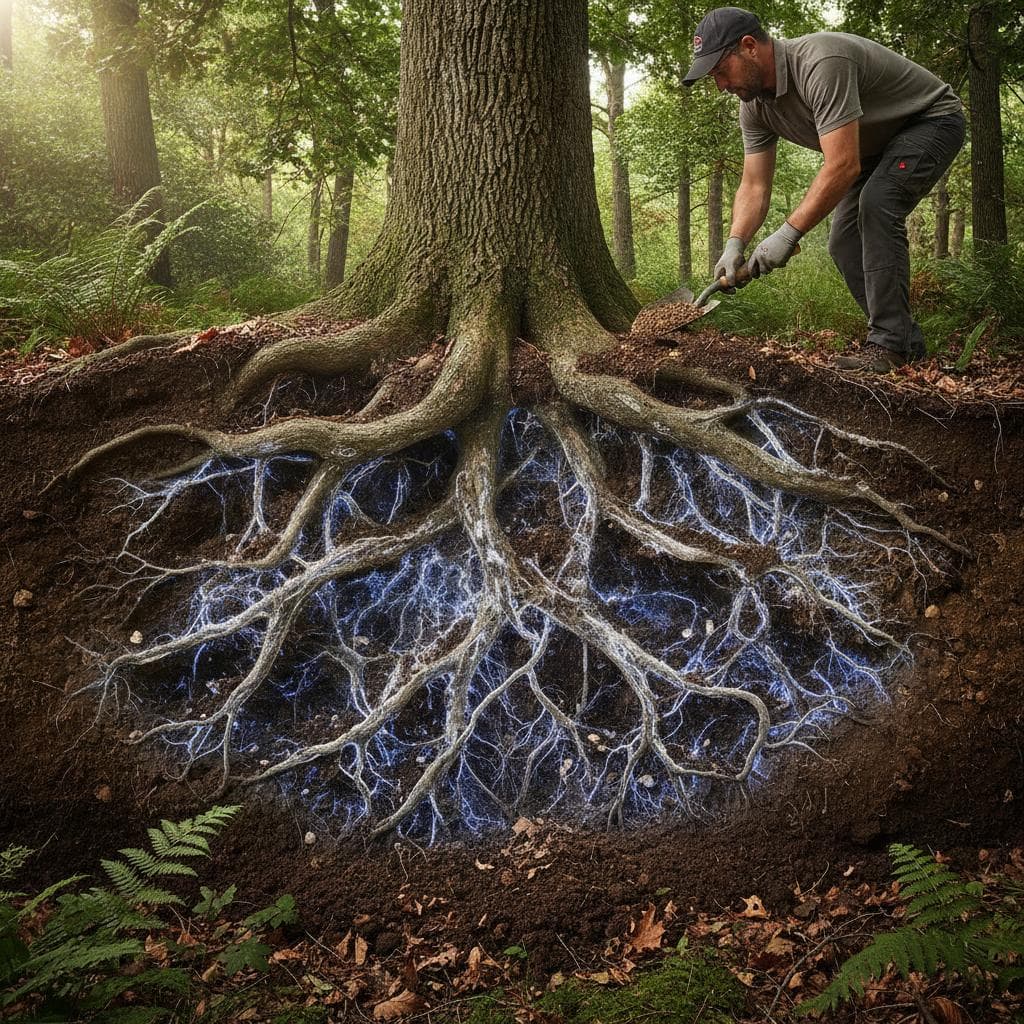
Mycelium Networks Strengthen Tree Roots Naturally
Arborists harness mycelium, the underground fungal network, to strengthen tree roots, boost soil health, and promote sustainable growth. This treatment enhances nutrient absorption, disease resistance, and soil structure for long-term tree vitality.
By Helen Bowman

Why 8 States Now Require Permeable Hardscaping
Eight states require permeable hardscaping to manage stormwater, cut flood risks, and protect water quality. These surfaces allow infiltration that supports sustainable site development for homes and commercial properties.
By Amanda Motz

How Trees Share Nutrients Through Underground Fungal Networks
Beneath every forest lies a living web of mycelium that connects trees. These fungal networks share nutrients, relay warnings, and sustain soil health. Learning to support them turns ordinary landscapes into resilient ecosystems where trees cooperate for long term balance.
By Amanda Motz
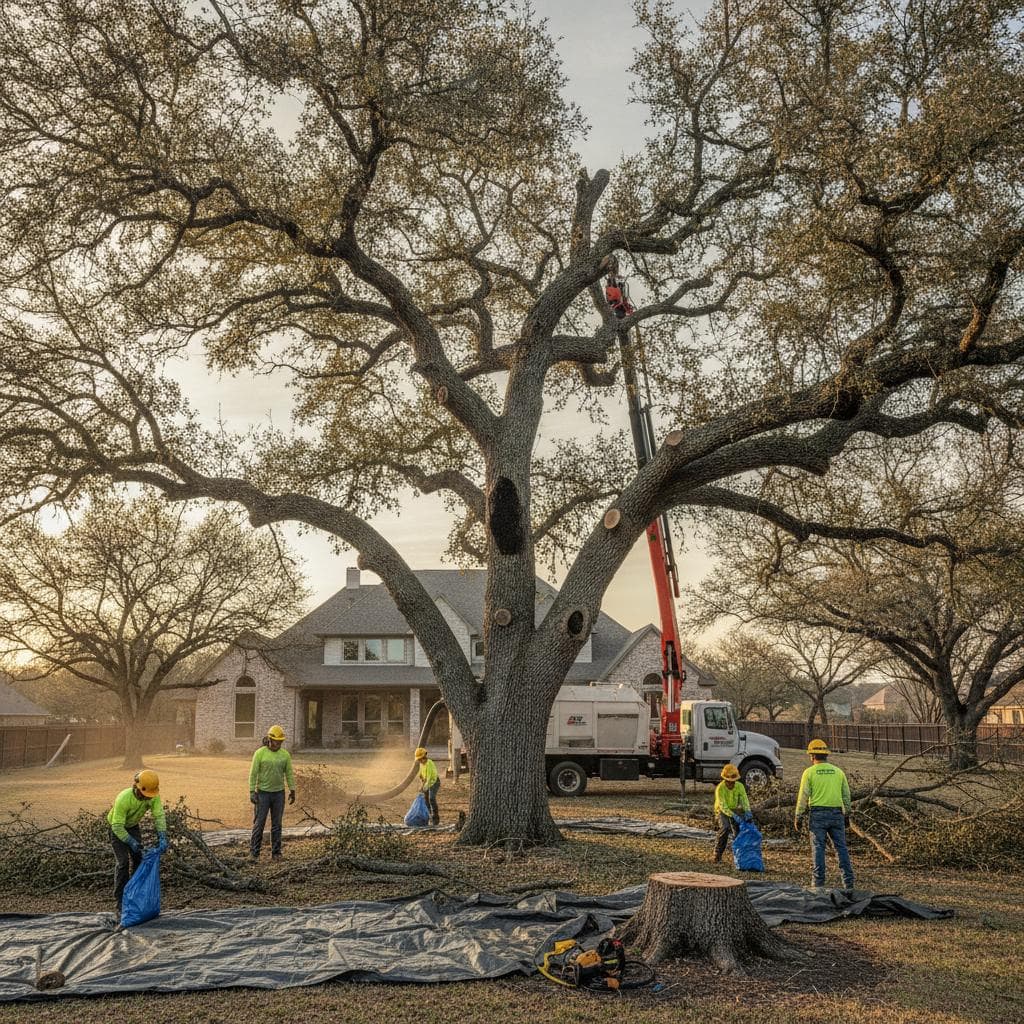
Texas Oak Wilt Emergency Removal Costs Surge
Texas homeowners face higher emergency tree removal costs as oak wilt spreads. Learn cost factors, professional removal steps, and practical ways to limit damage.
By Amanda Motz
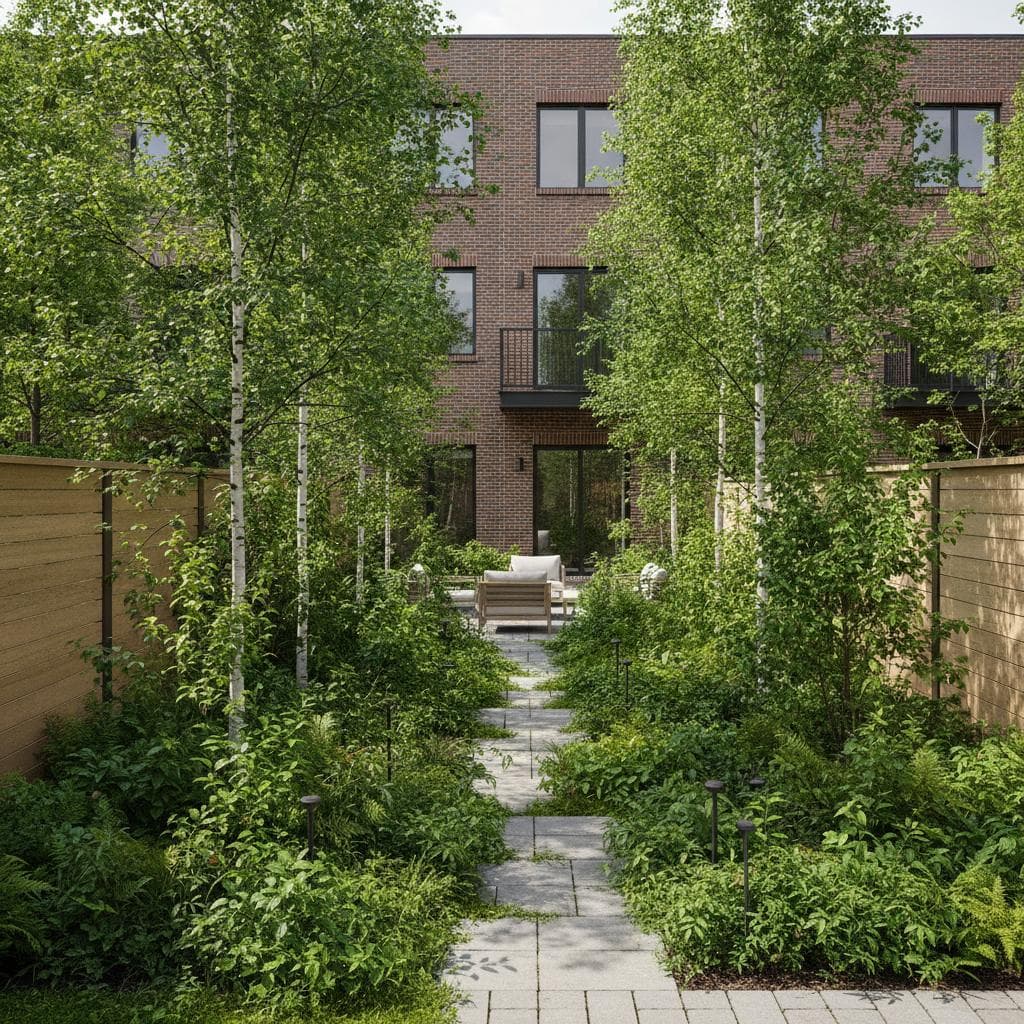
Micro-Forests Grow 10X Faster in Small Urban Yards
Micro-forests use dense native plantings to turn compact urban yards into fast-maturing ecosystems. The Miyawaki method improves biodiversity, cools air, and adds privacy with minimal ongoing care.
By Amanda Motz