Micro-Forests Pack 300 Trees Per Acre in Suburbs
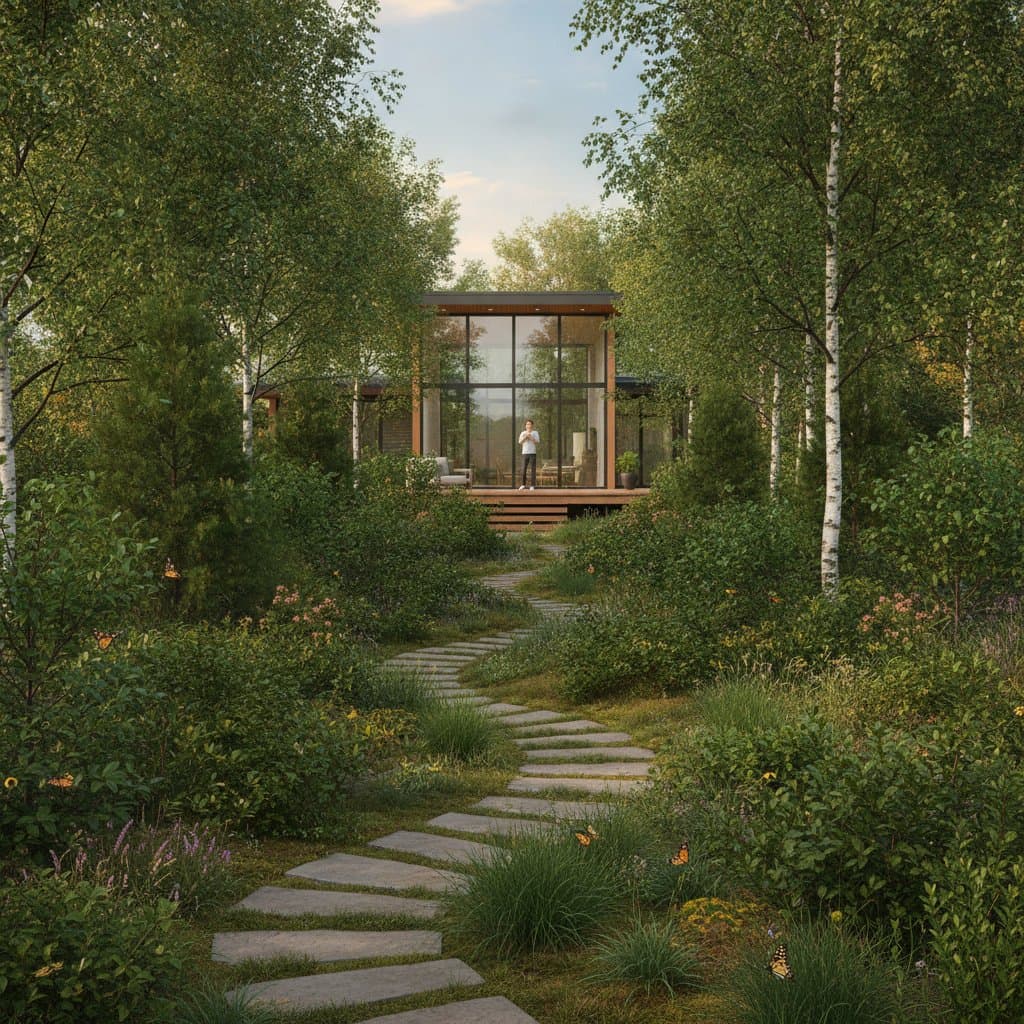
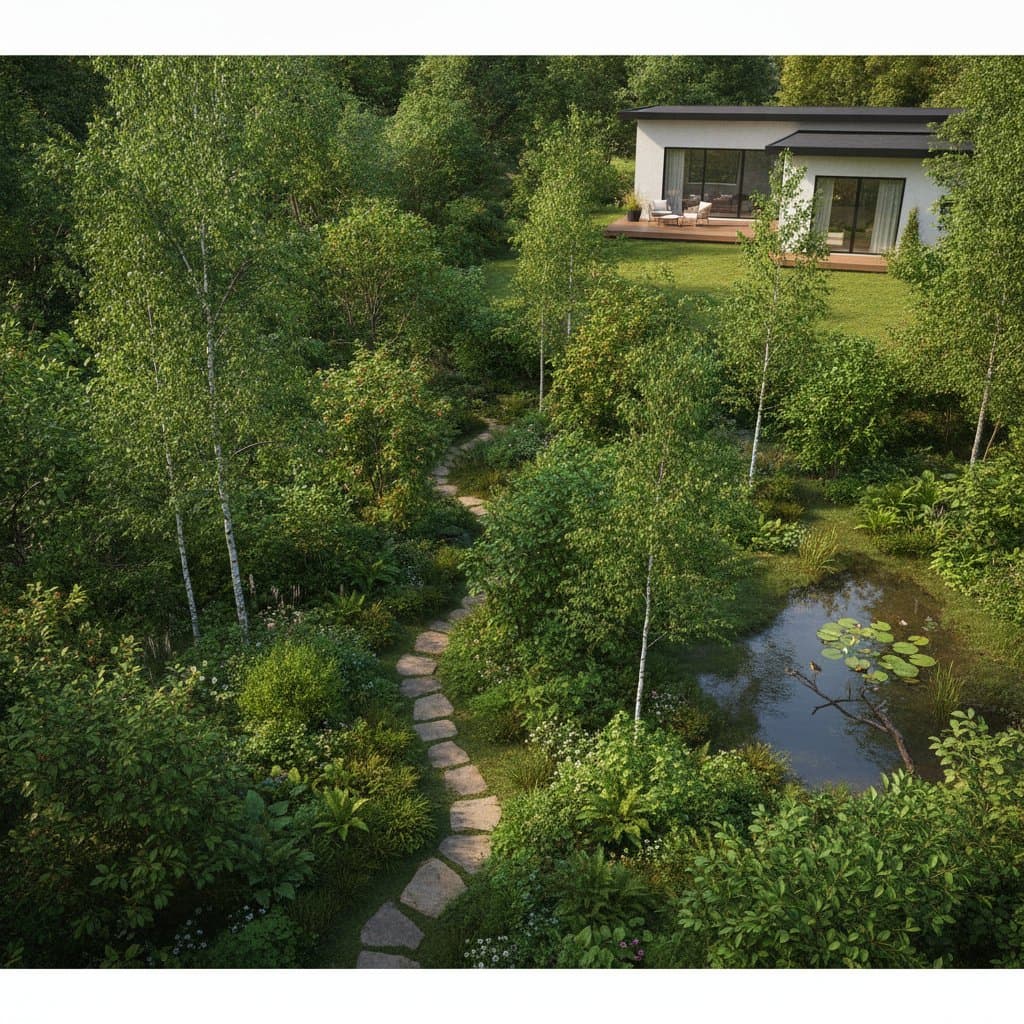
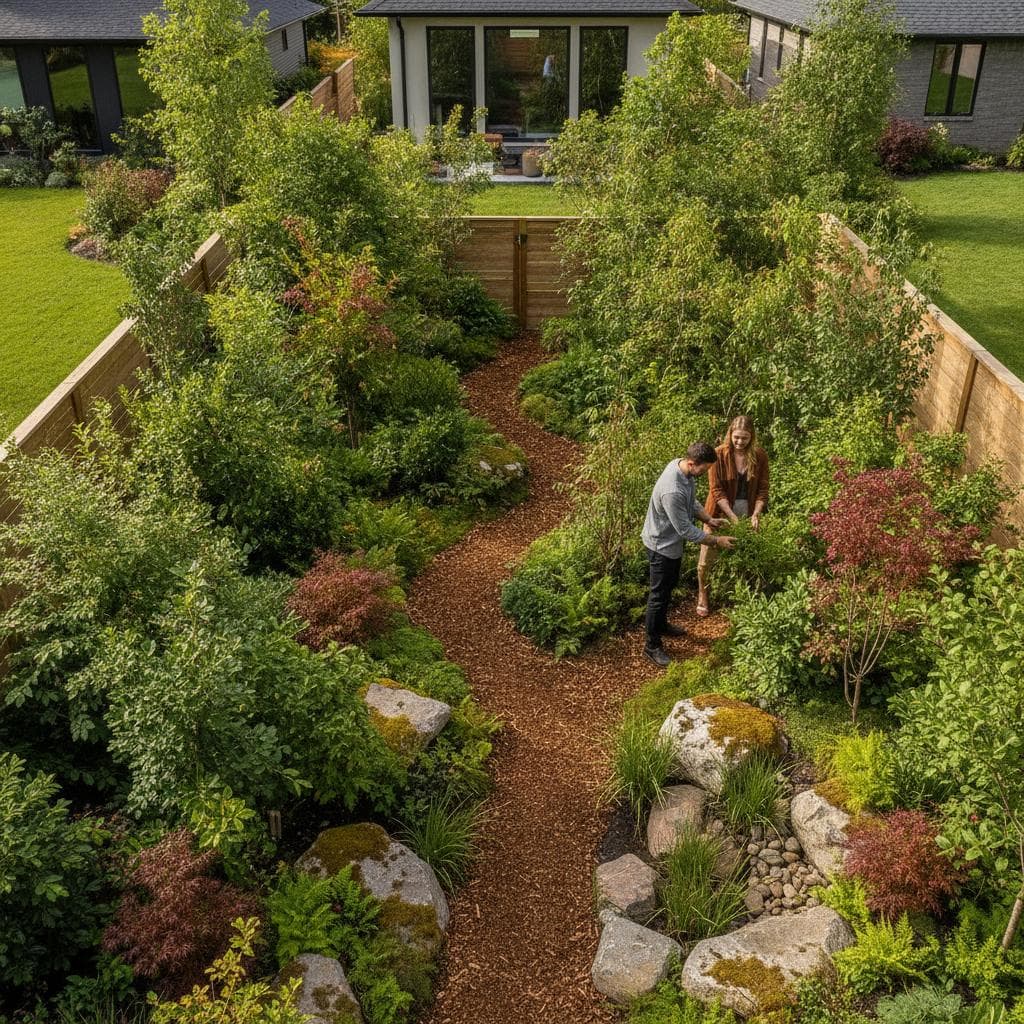
Suburban areas transform idle lots into dense micro-forests via the Miyawaki method, fitting 300 trees per acre. These ecosystems enhance biodiversity, air purity, and urban cooling.
Loading...
Showing articles 25 - 36 of 267
Suburban areas transform idle lots into dense micro-forests via the Miyawaki method, fitting 300 trees per acre. These ecosystems enhance biodiversity, air purity, and urban cooling.
Converting suburban lawns into edible landscapes generates up to 230% ROI via lower maintenance expenses, elevated property values, and savings on homegrown produce. These designs merge aesthetic appeal with functionality, fostering ecosystems that nourish families, improve soil quality, and increase visual charm, thereby making yards into valuable, environmentally conscious assets.
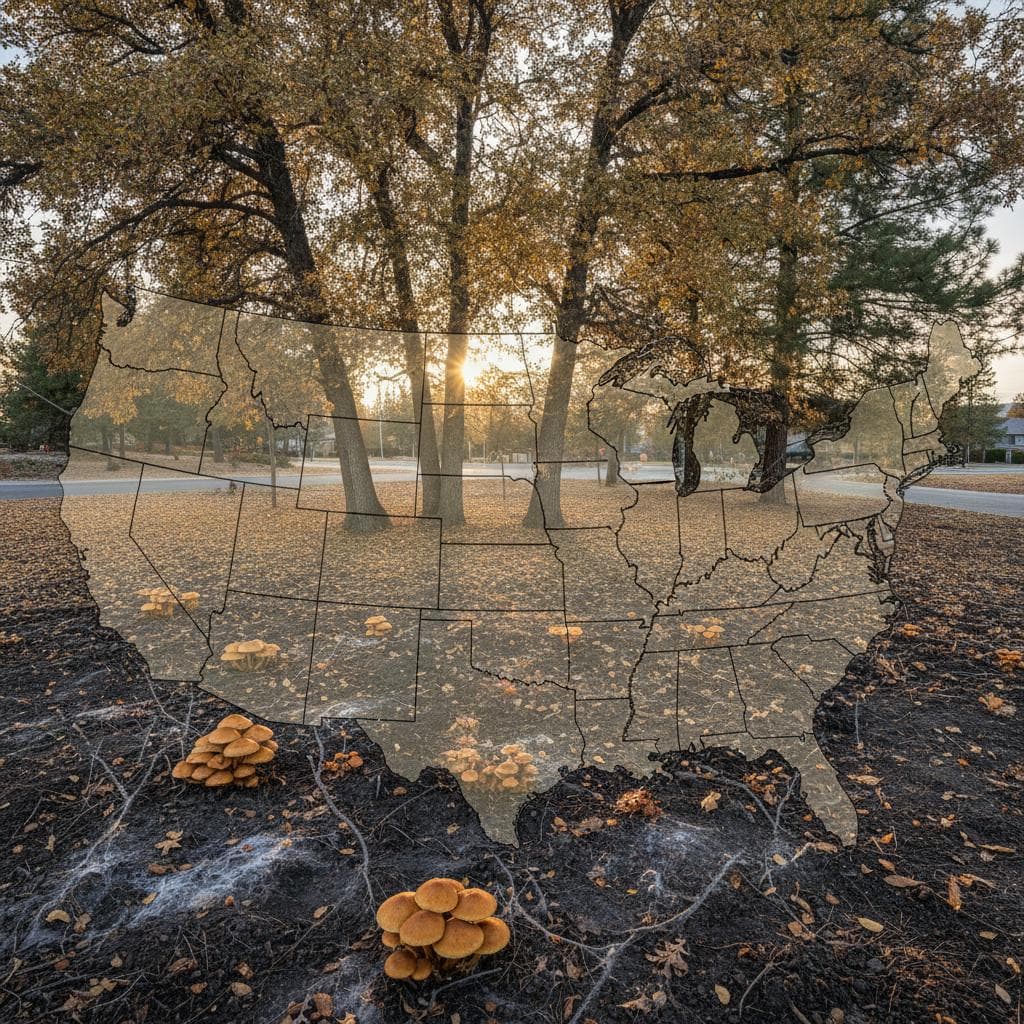
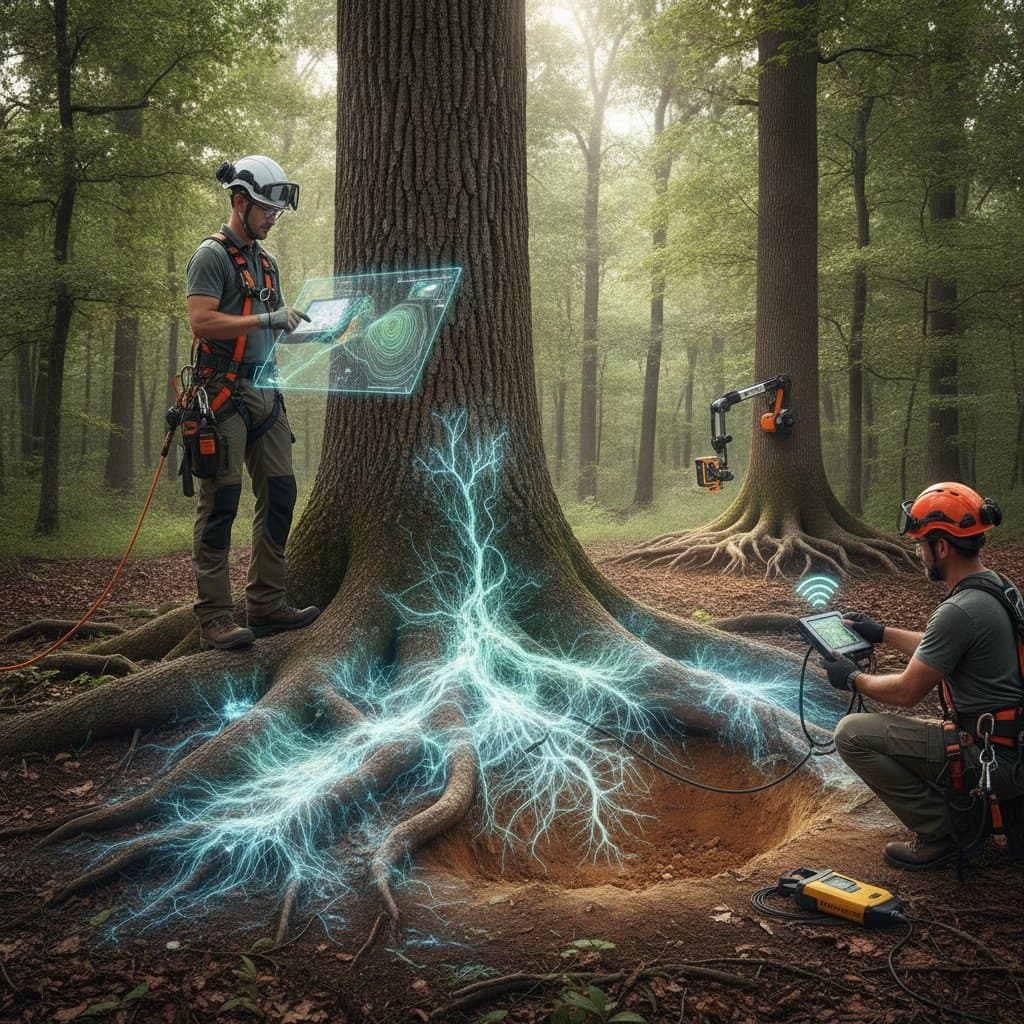
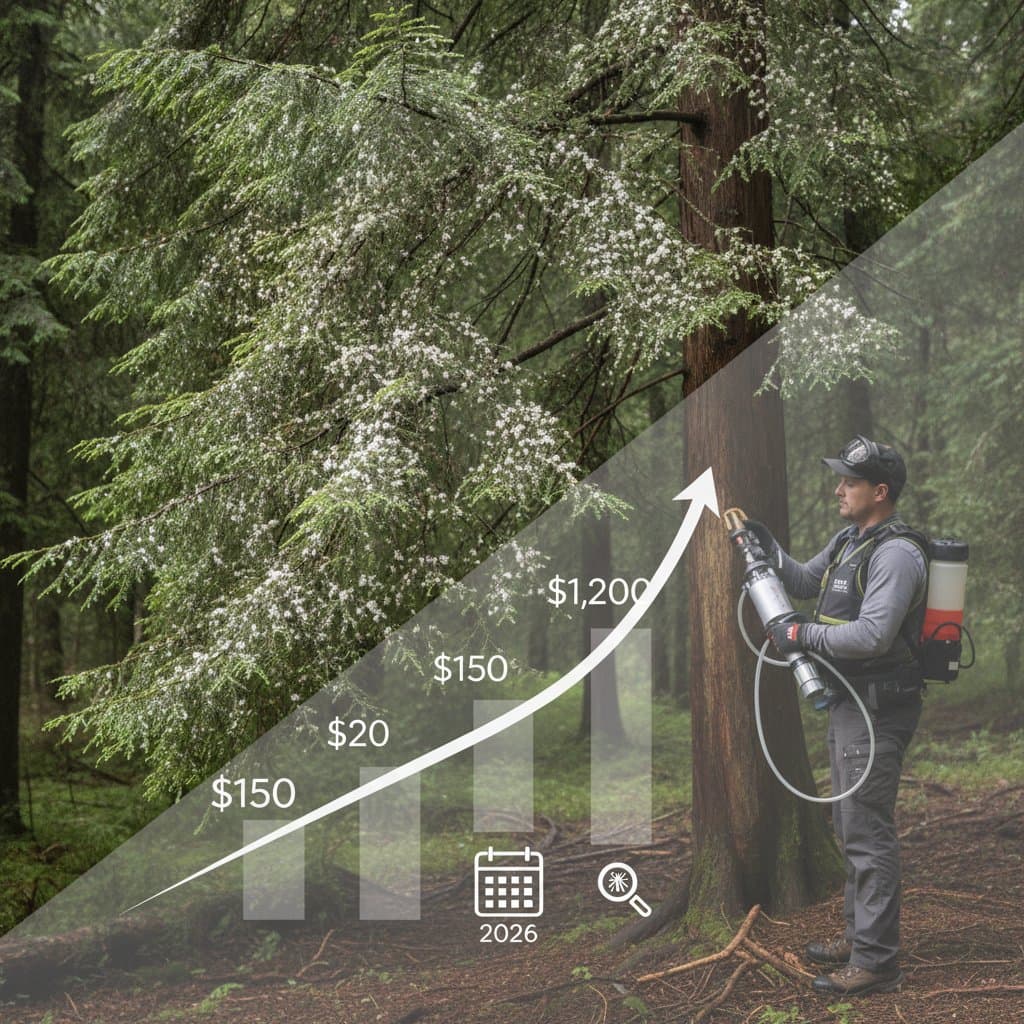
Armillaria root rot undermines trees from below ground, evading notice until damage is severe. Breakthroughs in 2026, including DNA soil tests, radar scans, and electronic noses, enable early detection. These advancements allow arborists and homeowners to intervene promptly, curbing spread and sustaining healthy landscapes through informed prevention and treatment.
Newly planted trees falter in disrupted soils without support. Mycorrhizal fungi forge root-soil connections that optimize water and nutrient intake, fortify defenses, and speed establishment. This symbiotic alliance rebuilds soil vitality for enduring tree health.
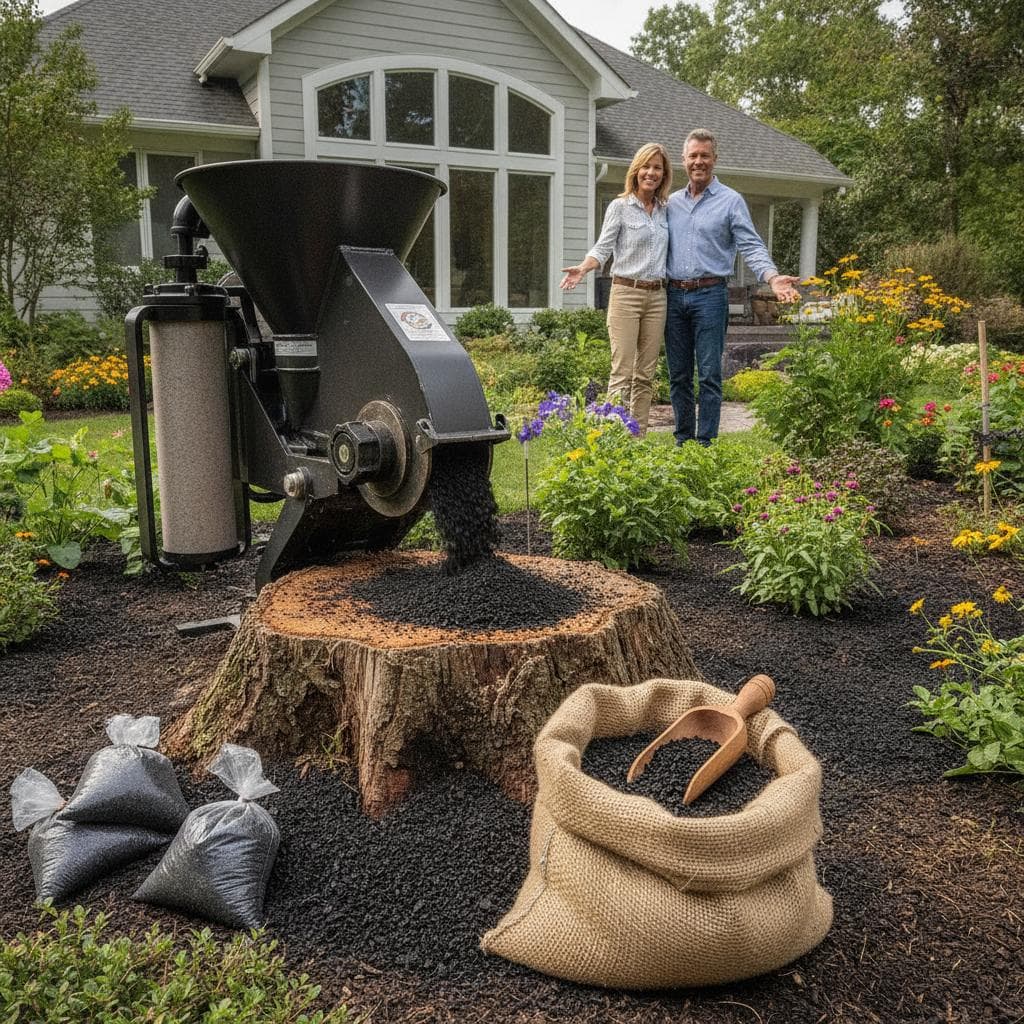
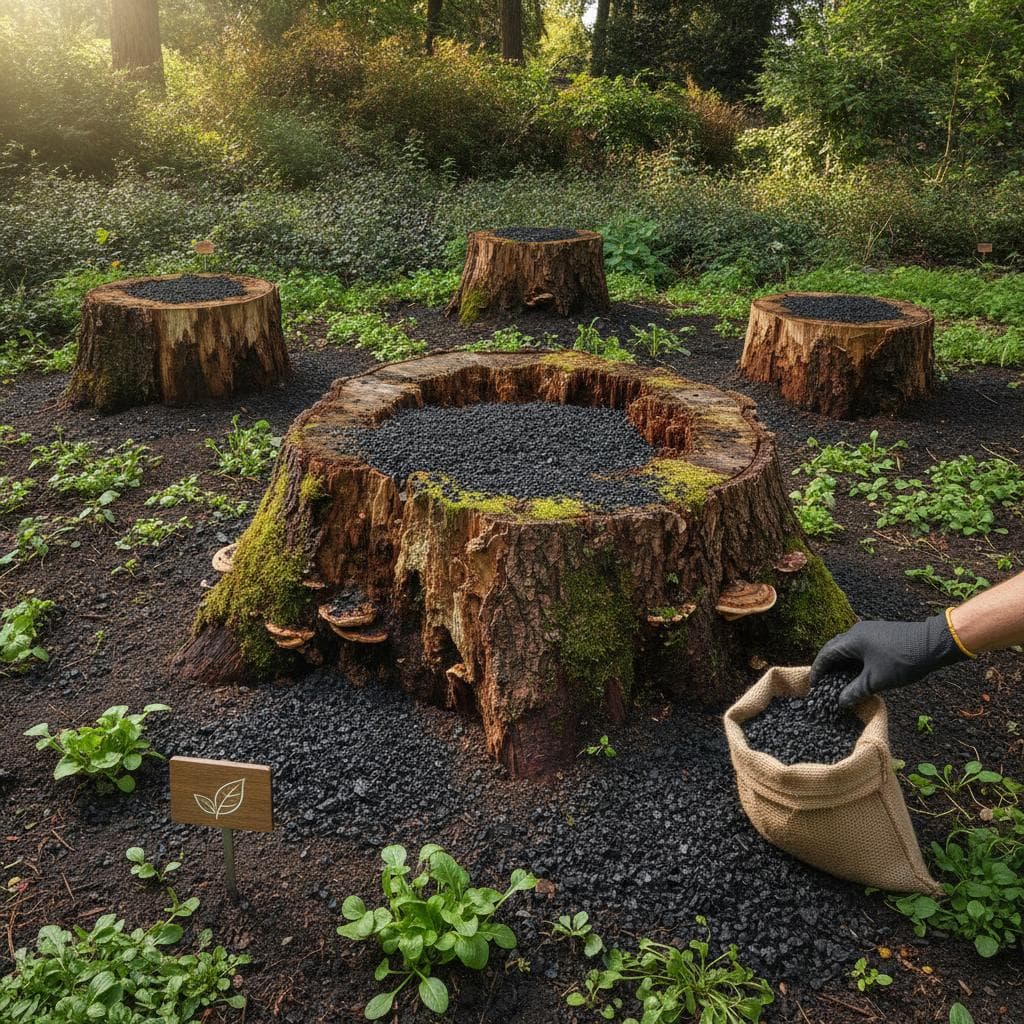
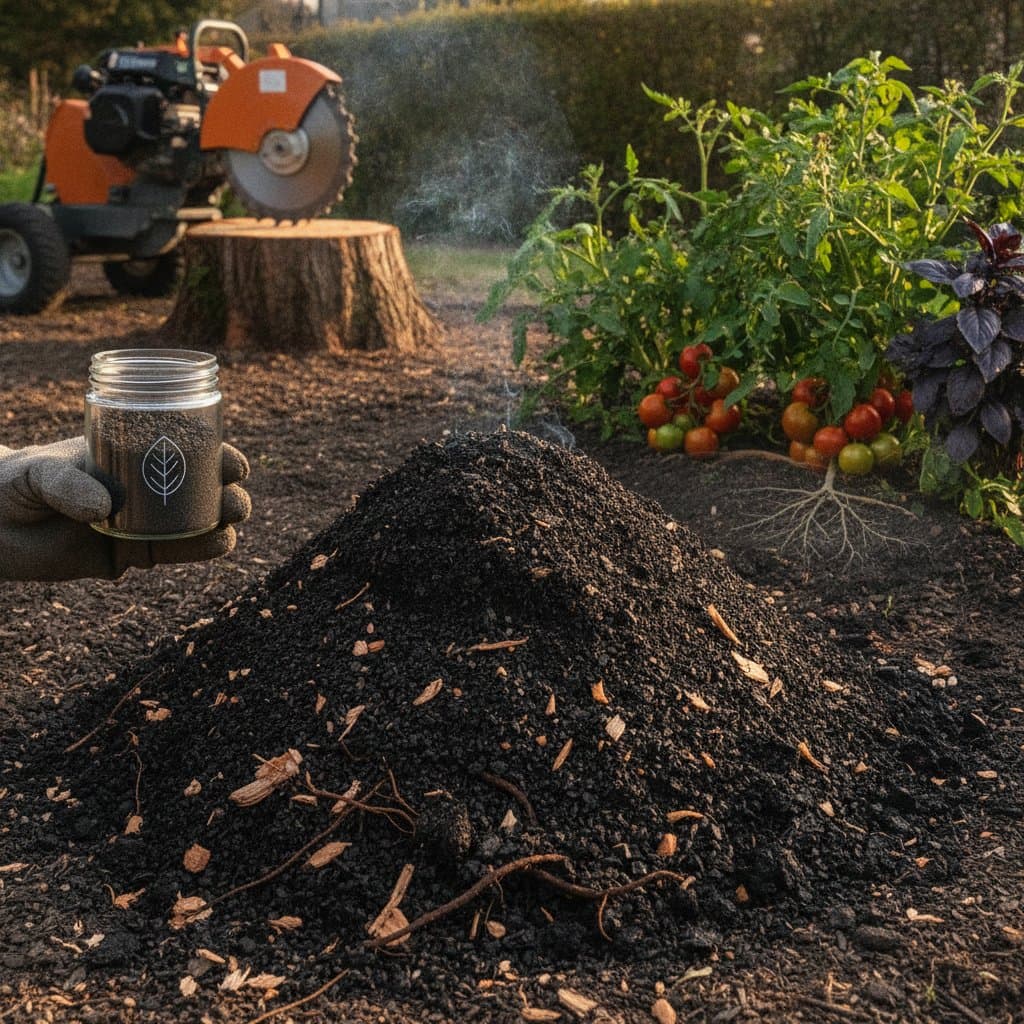
Convert tree stump waste into biochar for profit and sustainability by 2026. Tree professionals and homeowners can process grindings into soil enhancers, cut emissions, and open new revenue channels with practical steps and equipment advice.
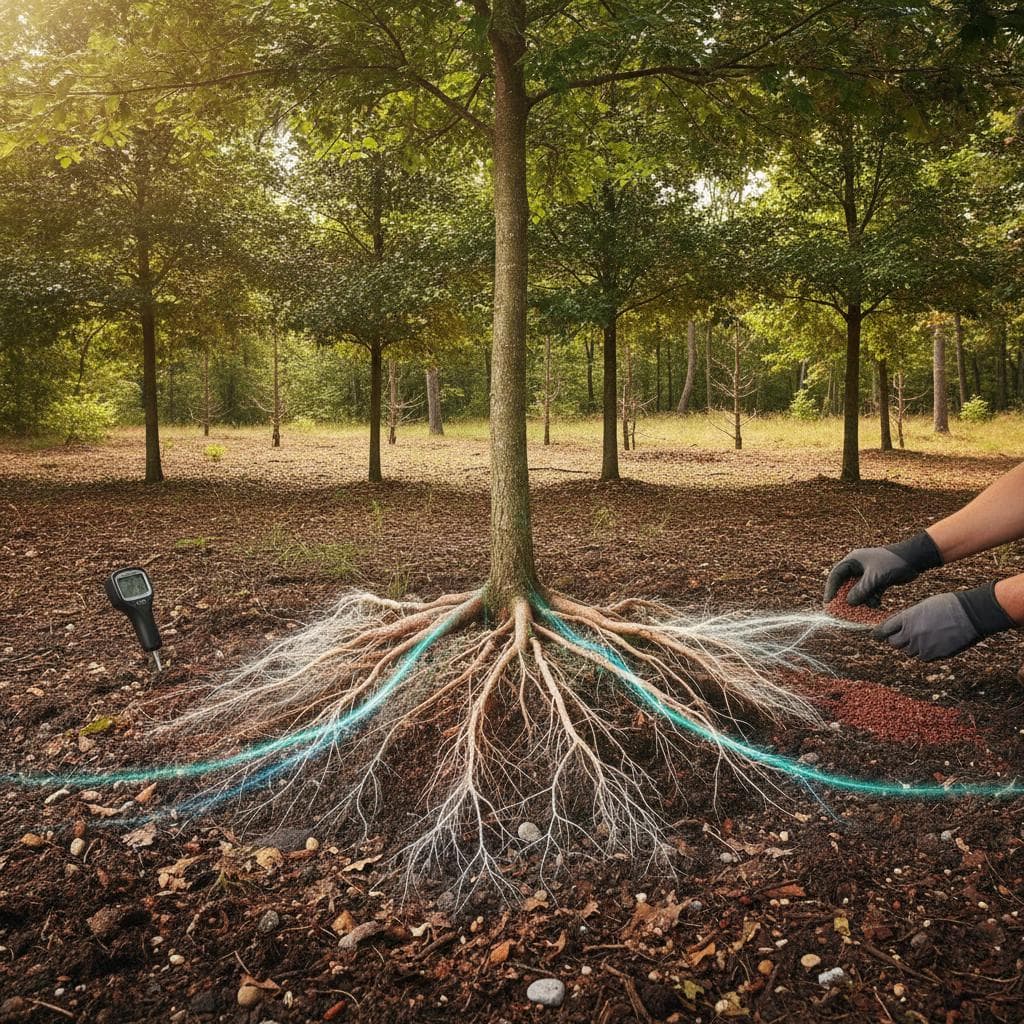
Beneath thriving trees, mycelium networks serve as invisible allies, enhancing health by up to 65 percent. These fungal systems distribute nutrients, retain water, and bolster defenses against disease. By supporting these connections, you can convert challenged yards into robust, enduring ecosystems built on time-tested biological symbiosis.
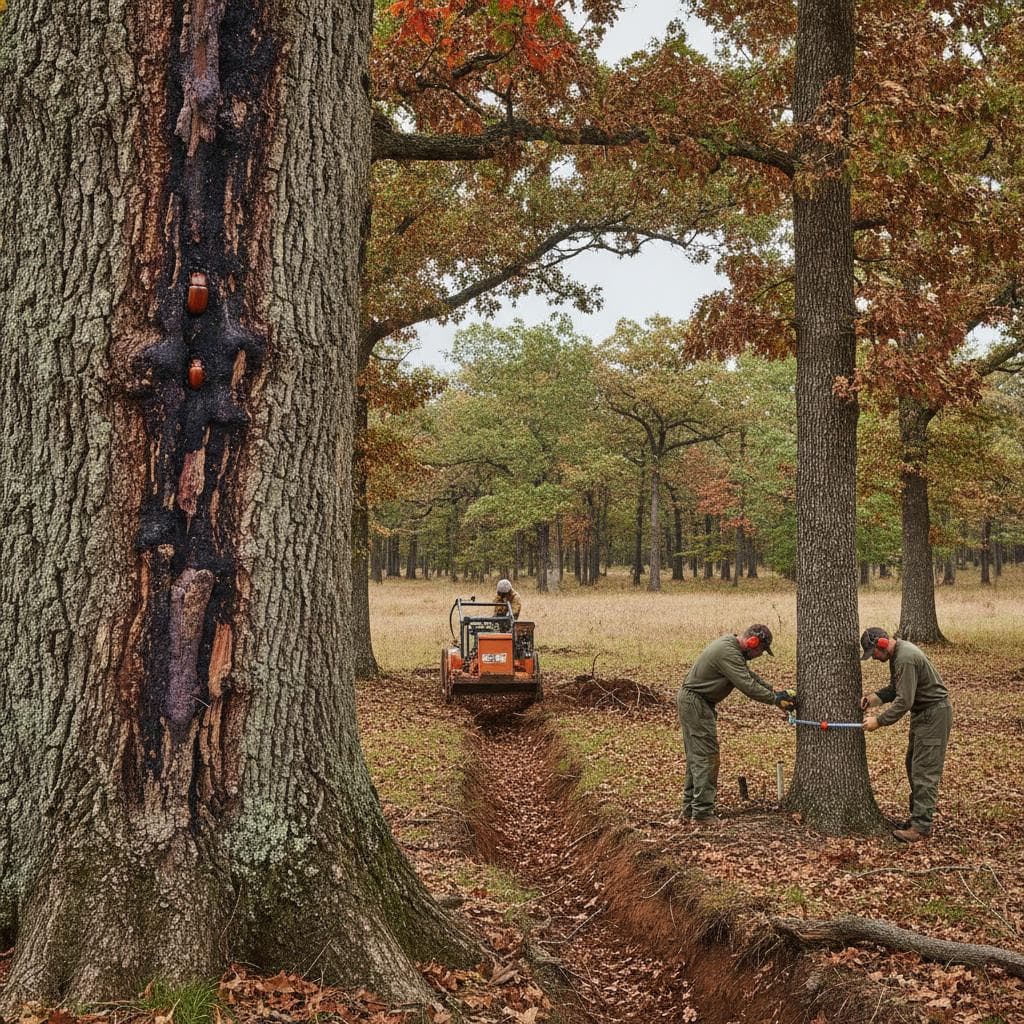
Amid southern droughts, oak wilt infections have increased by 300%, as stressed trees succumb faster to fungal spread via roots and beetles. This guide details disease mechanics, escalating treatment expenses, and key defenses such as strategic pruning, root barriers, and expert interventions to preserve oaks and avert widespread damage.
Robotic stump removal systems transform landscaping tasks by finishing jobs three times faster through precision, safety, and minimal disruption. Equipped with AI sensors and automated grinding, these machines provide consistent, environmentally conscious outcomes. Homeowners gain cleaner yards, less labor, and quieter operations, fundamentally changing stump removal practices for arborists and experts.
Biochar production revolutionizes tree waste management, reducing disposal costs by up to 60% and producing a carbon-sequestering soil amendment. This approach minimizes landfill dependency, emission outputs, and can yield revenue streams. Explore how individuals and communities leverage this method for eco-conscious, economical tree care by 2026.
Robotic tree climbers revolutionize arboriculture by slashing pruning time by 60 percent, while enhancing safety, precision, and efficiency. These systems provide quicker, more accurate results and stand poised to become industry standard by 2026.
Convert tree stump remnants into biochar for profits over $500 per batch. This guide covers pyrolysis techniques, equipment options, yield estimates, and market strategies to monetize sustainable wood waste effectively.
Rain gardens gain traction in eight states by merging aesthetic appeal with effective stormwater control. These features mitigate flooding risks, support native ecosystems, and qualify for incentives that lower installation costs. Homeowners find them practical for both DIY efforts and expert designs, fostering resilient communities.
Armillaria root rot lurks underground, threatening suburban trees for years through soil and root networks. Prompt testing and professional diagnosis can halt its spread and save your landscape. Explore signs of infection, effective management strategies, and resilient planting options to defend against this enduring fungal foe.
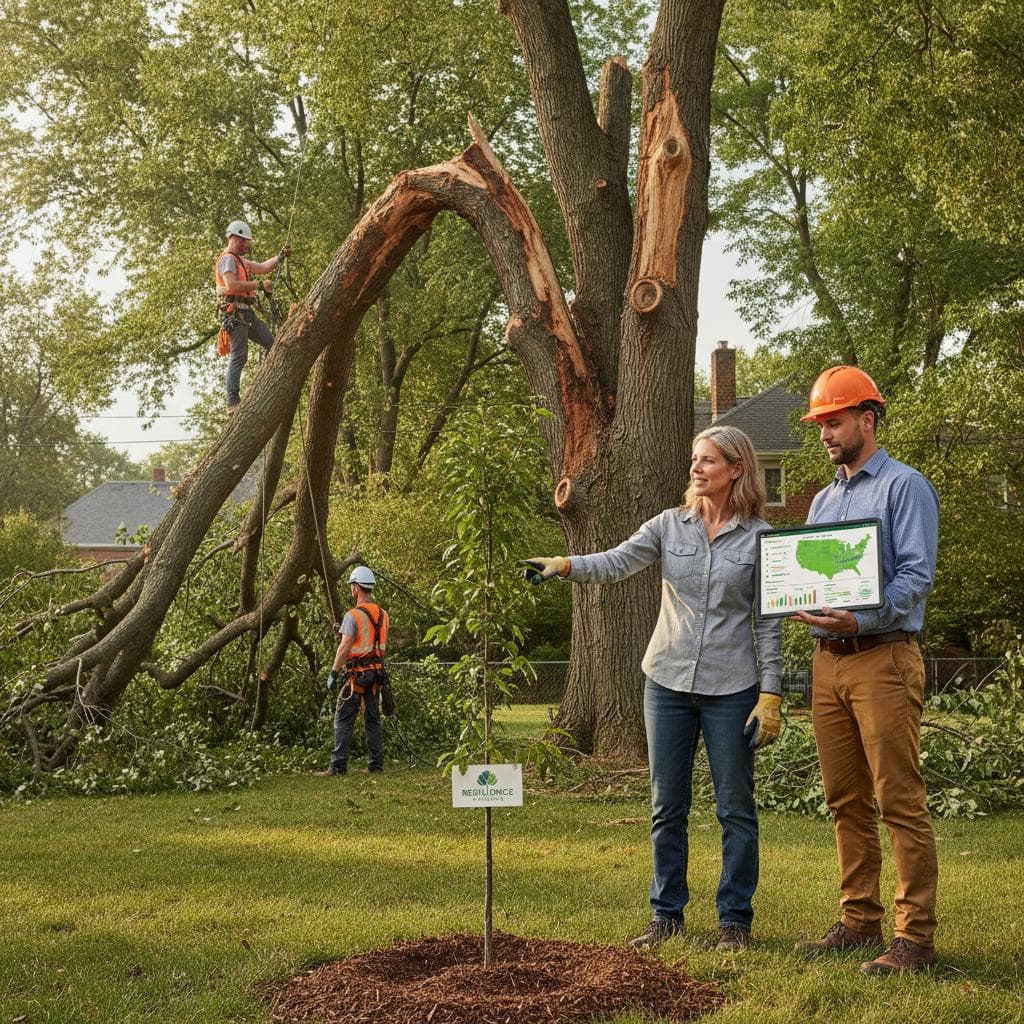
Fifteen states mandate tree risk assessments for home insurance policies, influencing how homeowners address property hazards. These evaluations detect risks, support coverage decisions, and guide maintenance to avoid claims. Explore requirements, processes, costs, and strategies to ensure compliance and tree health in evolving regulatory landscapes.
Shift from stump removal expenses to biochar profits exceeding $800 per large stump. This comprehensive guide covers wood waste conversion into premium soil amendments, including cost breakdowns, equipment essentials, step-by-step processes, and effective marketing for gardeners and sustainable agriculture markets.
By 2026, robotic tree climbers are reshaping arboriculture, slashing trimming time by 70 percent and elevating safety, precision, and efficiency. Powered by AI and sophisticated sensors, these devices ascend trunks, detect branches, and prune with professional-grade accuracy. Both experts and residents enjoy quicker, tidier outcomes with less environmental impact in contemporary tree management.
With rising water costs and frequent droughts, gravel gardens provide a sustainable, low-maintenance substitute for traditional mulch landscapes. This comprehensive guide details installation expenses, gravel options, design principles, and upkeep requirements to help you build an attractive, eco-friendly outdoor area that demands little water and delivers enduring savings.
By 2026, trees reinforced by vital fungal mycelium networks can attain up to 300% improved health, efficiently drawing in nutrients, warding off diseases, and exchanging resources subsurface. Examine the 'wood wide web' that revitalizes soil, solidifies roots, and cuts chemical needs, fostering enduring, vibrant landscapes.
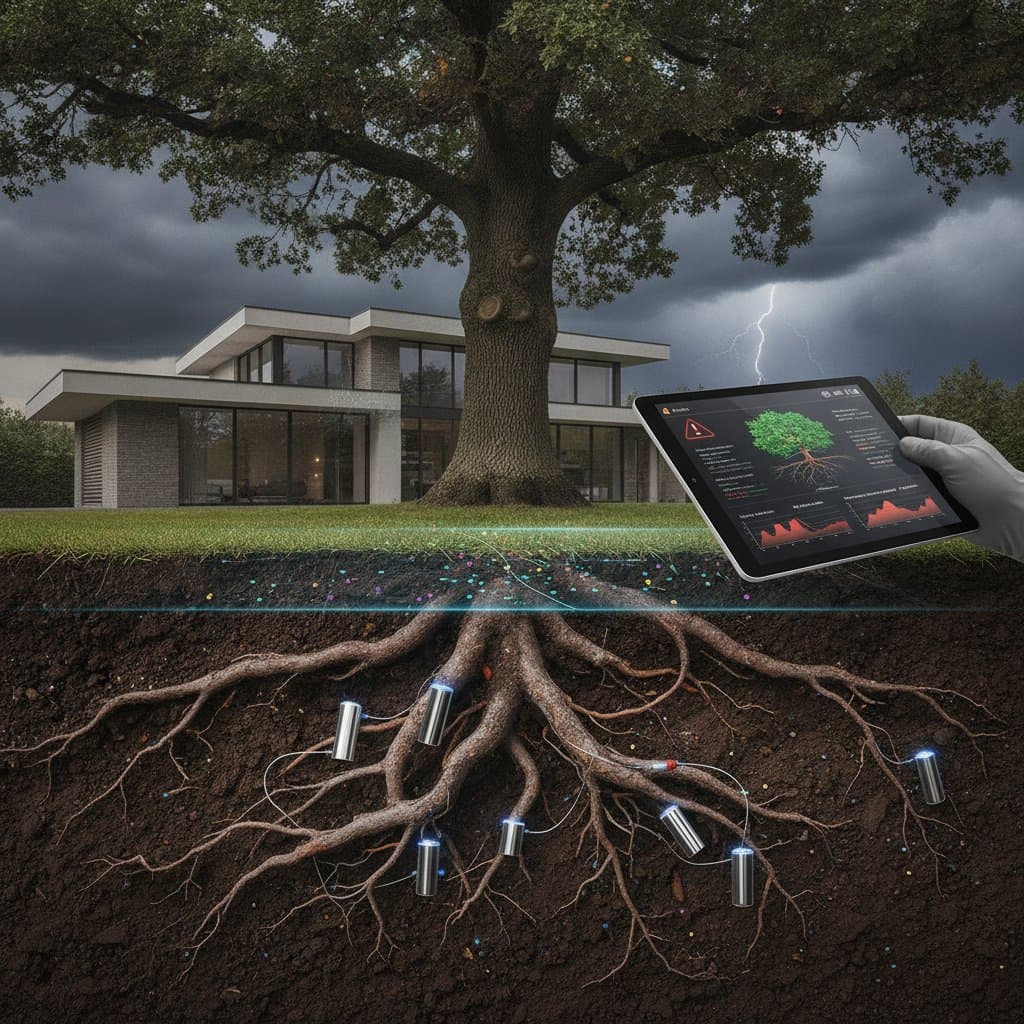
Tree sensors provide an intelligent approach to averting expensive foundation harm by identifying root advancement and soil shifts in advance. This resource examines sensor varieties, pricing, setup methods, and care advice, empowering homeowners to maintain trees and buildings via advanced surveillance for enduring equilibrium and stability.
Micro-forests in backyards represent a transformative approach to residential landscaping. These compact, self-sustaining ecosystems, drawing from the Miyawaki method, combine aesthetic appeal, enhanced biodiversity, and environmental sustainability. They convert modest spaces into valuable natural assets that yield enduring ecological and economic advantages.