
Rain Garden Requirements in 8 States: Design and Compliance Guide
Flooding risks and water pollution challenges prompt many regions to adopt innovative stormwater solutions. Rain gardens serve as a key tool by capturing and filtering runoff on-site, and eight states have established mandates for their inclusion in certain new builds and renovations. Property owners in these areas benefit from grasping the essential design elements and regulatory frameworks, which prevent errors, enhance environmental health, and increase property appeal. This guide details rain garden fundamentals, affected states, installation expenses, and practical steps to achieve compliance.
What Is a Rain Garden?
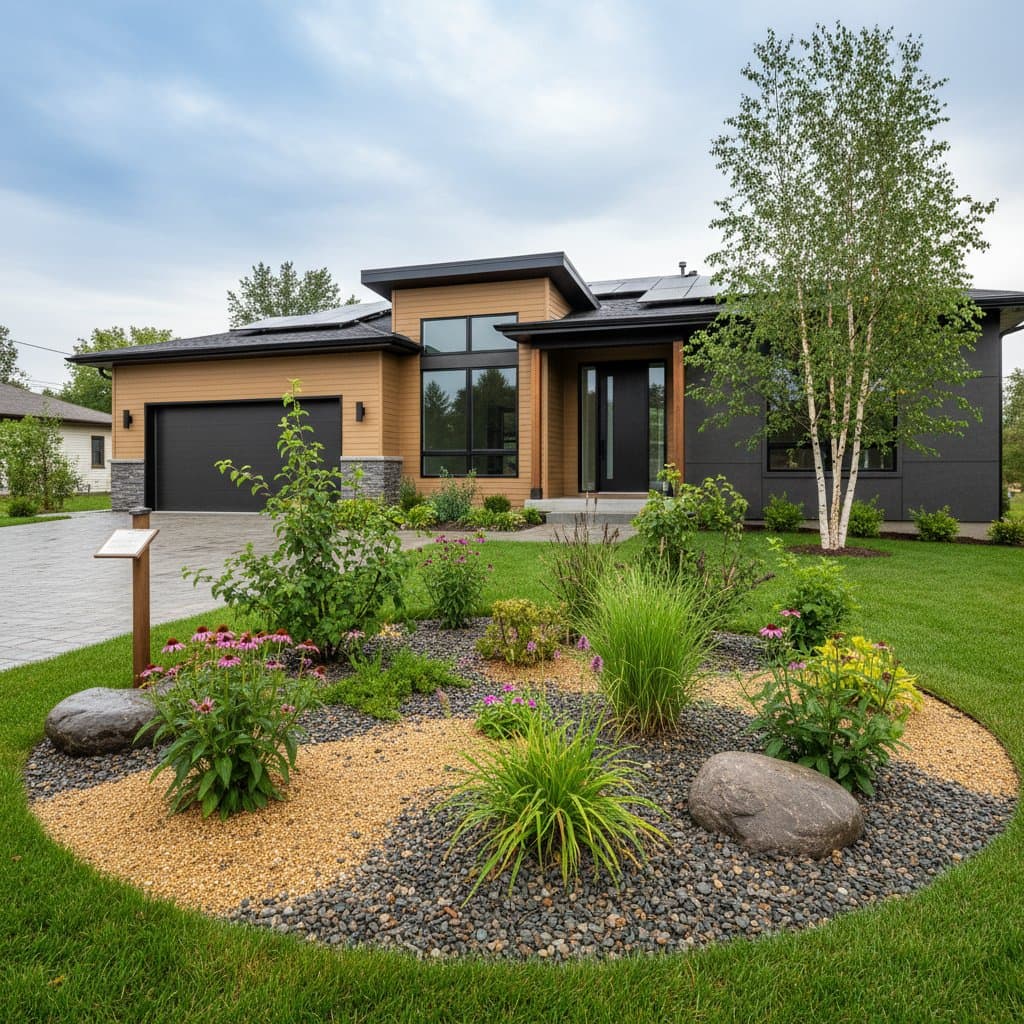
A rain garden consists of a shallow, planted basin that intercepts rainwater from impervious surfaces such as roofs and driveways. Engineered with layered soils and vegetation, it promotes infiltration, traps sediments and contaminants, and minimizes downstream erosion. Distinct from typical gardens, a rain garden withstands temporary inundation and restores normal conditions within 24 to 48 hours post-rainfall, supporting both functionality and aesthetics.
States Mandating Rain Gardens
Regulations vary by locality, but eight states enforce rain garden requirements for new developments in designated zones, often near sensitive water bodies or in urban settings. These include California, Colorado, Connecticut, Maryland, Minnesota, New York, Oregon, and Washington. In California, for instance, coastal regions demand rain gardens to comply with low-impact development standards. Minnesota pioneered such rules, applying them to residential and commercial projects exceeding specific impervious surface thresholds. Always consult local ordinances, as exemptions may apply to small-scale builds or retrofits.
Average Rain Garden Installation Costs
Installation expenses for a rain garden typically range from $5 to $15 per square foot, depending on size, site conditions, and materials. A standard 200-square-foot garden for a residential downspout might cost $1,000 to $3,000, covering excavation, soil amendments, plants, and mulch. Larger systems for commercial properties or expansive lots can exceed $10,000. Factor in additional fees for permits ($200 to $500) and professional design ($500 to $1,500). Long-term savings arise from reduced flooding damage and potential rebates in regulated states.
Factors Affecting Rain Garden Design and Cost
Effective rain garden design hinges on site-specific elements to ensure performance and regulatory adherence.
Soil Type and Drainage
Soil permeability determines the garden's ability to absorb water efficiently. Sandy soils facilitate rapid drainage but may require organic amendments like compost to support plant roots. Clay-heavy soils demand deeper excavation and substitution with a sandy loam mix, often increasing costs by 20 to 30 percent. Conduct percolation tests to confirm drainage occurs within the mandated timeframe, typically 24 to 48 hours.
Site Slope and Layout
Optimal placement occurs on mild slopes of 2 to 6 percent to direct flow evenly. Steeper terrains necessitate contouring or berms to control water distribution and avert washouts. Integrate the garden into existing landscapes by aligning it with natural contours, which enhances visual integration while meeting setback distances from structures.
Plant Selection
Regulations prioritize native and adapted species for their resilience and ecological benefits. In the Northeast, options include Joe-Pye weed and New England aster for pollinator support. Midwestern states favor prairie dropseed and wild bergamot to handle variable moisture. Select a mix of shallow-rooted perennials for the ponding area and deeper-rooted grasses for edges, ensuring diversity to prevent monoculture failures.
Location and Setbacks
Position rain gardens at least 10 feet from foundations to avoid moisture damage to buildings. Maintain 50-foot buffers from septic fields and wells to protect groundwater. Jurisdictional rules may impose further restrictions, such as 5-foot offsets from property boundaries, to facilitate neighborly access and inspection.
Maintenance Considerations
Design for easy upkeep by incorporating wide paths or stepping stones. Annual tasks include removing debris, dividing overgrown plants, and replenishing mulch, with costs averaging $100 to $300 yearly. Inaccessible layouts elevate labor expenses, so prioritize user-friendly configurations from the outset.
The Regulatory Process for Installation
Navigating approvals ensures smooth implementation and avoids fines.
- Site Assessment – Engage a specialist to evaluate soil, topography, and hydrology through on-site testing.
- Permit Acquisition – Submit applications to local environmental or planning offices, including site plans and calculations for runoff volume.
- Design Approval – Provide detailed blueprints from a qualified professional, specifying dimensions, materials, and expected infiltration capacity.
- Construction Phase – Proceed with digging, layering amended soil, planting, and stabilizing surfaces per approved specifications.
- Final Inspection – Authorities confirm adherence to standards, measuring drainage times and verifying plant establishment.
- Maintenance Documentation – Track and report upkeep activities annually in states requiring ongoing certification.
DIY Installation Versus Professional Services
Suitable Scenarios for DIY
Homeowners with basic landscaping experience can manage modest rain gardens serving limited areas, such as a rooftop gutter. Flat sites with permeable soils simplify the process; acquire tools like shovels, levels, and soil testers, following state-approved templates for sizing and planting.
Benefits of Professional Involvement
Complex sites with poor soils, significant slopes, or high runoff volumes warrant expert input. Landscape architects or certified installers guarantee precise engineering, appropriate species selection, and full regulatory navigation. In mandatory states, professionals streamline permitting and inspections, mitigating risks of rework or penalties.
Selecting a Reliable Rain Garden Contractor- Examine Qualifications – Seek certifications in stormwater management or landscape architecture from recognized bodies.
- Review Coverage – Confirm comprehensive insurance for property damage and worker safety during operations.
- Evaluate Past Work – Contact recent clients to assess project outcomes, timelines, and post-installation support.
- Compare Quotes – Obtain at least three bids detailing labor, materials, and any contingencies for site challenges.
- Clarify Guarantees – Secure written assurances on vegetation survival, soil integrity, and performance metrics for one to three years.
Frequently Asked Questions
Which states require rain gardens?
California, Colorado, Connecticut, Maryland, Minnesota, New York, Oregon, and Washington mandate rain gardens or equivalent bioretention features for qualifying new developments, particularly those impacting stormwater quality.
Do I need a permit to build a rain garden?
Yes, in regulated states; prepare a management plan outlining design and expected benefits. Voluntary installations in other areas still benefit from local consultations to align with best practices.
How deep should a rain garden be?
Depths range from 6 to 12 inches, calibrated to local soil infiltration and anticipated water volumes. Deeper profiles suit slower-draining soils to accommodate extended ponding.
How do rain gardens prevent flooding?
By detaining and infiltrating runoff, they diminish peak flows into sewers and streams. This on-site retention alleviates urban flash flooding and filters out oils, fertilizers, and sediments before they reach natural waters.
Implementing Your Rain Garden for Lasting Impact
Integrating a rain garden not only satisfies legal obligations but also fosters a resilient, vibrant outdoor space. Begin with a thorough site review to tailor the design to your property's unique needs. Through careful planning and execution, you contribute to cleaner waterways and a more sustainable community while elevating your home's environmental and aesthetic profile.