
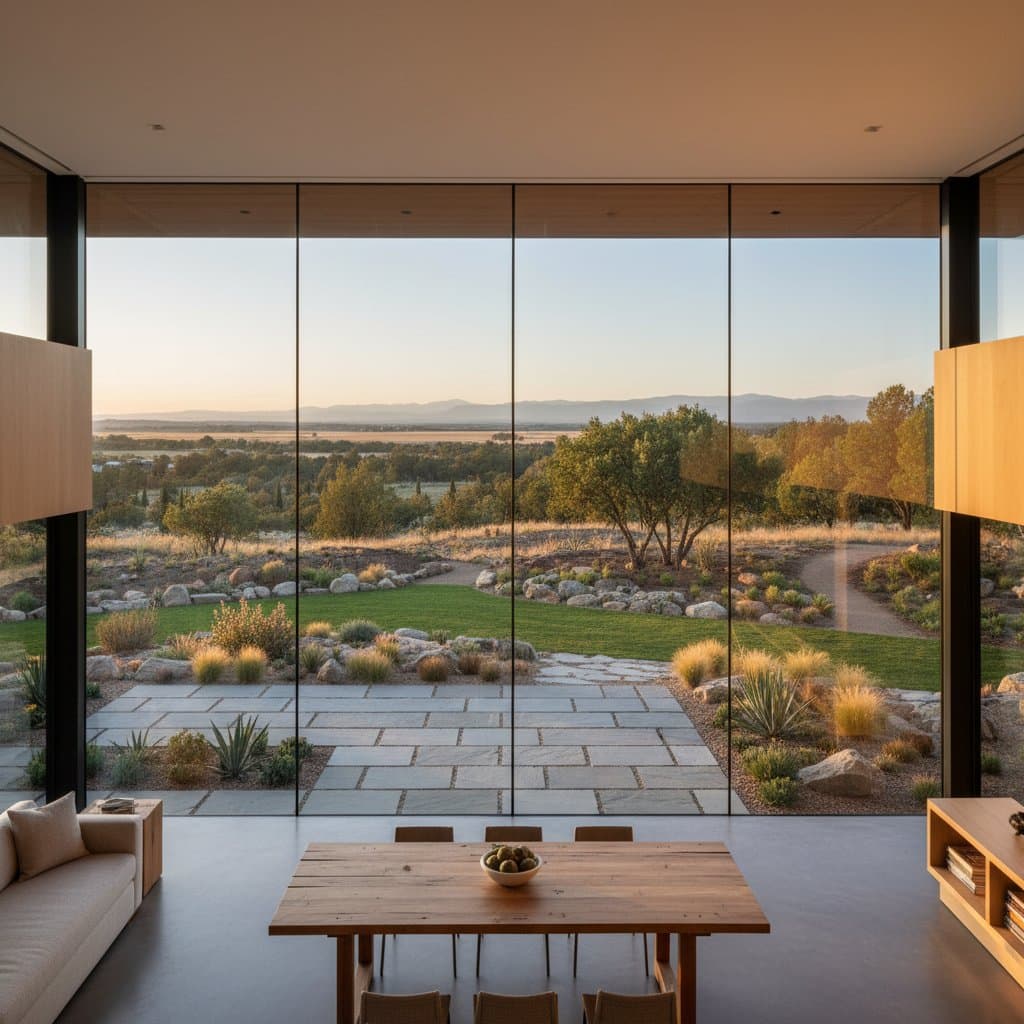
8 States Mandate Fire-Safe Yards Starting 2025
Wildfire risk extends beyond remote mountain towns or forest edges. Hotter, drier conditions now affect residential areas, prompting several states to introduce fire-safe yard requirements. These regulations aim to protect properties and communities through defensible spaces that slow or halt advancing flames.
Residents in the eight states implementing these mandates must grasp the meaning of fire-resistant landscapes, compliance costs, and essential steps for enhancing property safety and resilience. This guide details the new standards, expected expenses, and practical measures for homeowners to achieve defensible space compliance.
The eight states are California, Colorado, Oregon, Washington, Arizona, Idaho, Montana, and Wyoming. Each establishes unique enforcement timelines and inspection protocols, yet all emphasize defensible space and fire-resistant landscaping to mitigate wildfire threats.
What Is a Fire-Safe Yard?
A fire-safe yard features design and maintenance strategies that minimize wildfire ignition and spread. Strategic landscaping, proper spacing, and ignition-resistant materials form a buffer zone between homes and surrounding vegetation, known as defensible space.
Elements include pruned trees, cleared underbrush, noncombustible ground covers, and low-ignition plants. The approach balances vegetation removal with landscape design that aids firefighters in defending structures during wildfire events.
Average Costs for Fire-Safe Landscaping
Creating or updating a fire-safe yard typically costs between $2,000 and $10,000, influenced by property size, terrain, and existing vegetation. For a standard suburban lot, homeowners often invest approximately $4,500.
| Property Type | Average Cost Range |
|---|---|
| Small Lot (under ¼ acre) | $1,500 - $3,000 |
| Medium Lot (¼ to ½ acre) | $3,000 - $6,000 |
| Large Lot (½ acre to 1 acre) | $6,000 - $10,000 |
| Hillside or Dense Vegetation | $8,000 - $15,000 |
Expenses cover vegetation clearance, tree pruning, debris hauling, and additions like gravel, decomposed granite, or hydration systems for plants.
Factors Affecting Fire-Safe Yard Costs
Property Size and Layout
Larger areas demand greater labor and materials for defensible space establishment. Slopes or irregular terrain elevate costs through increased equipment use and effort.
Vegetation Density
Dense brush, tall trees, and flammable covers such as juniper or pine needles necessitate thorough removal. Addressing mature trees or substituting hazardous plants extends both time and budget requirements.
Tree Condition
Dead or diseased trees pose significant fire hazards. Safe removal often involves specialized tools or arborist expertise, contributing to higher overall expenses.
Material Selection
Fire-resistant plants paired with noncombustible options like gravel, stone, or concrete borders affect aesthetics and costs. Native, drought-tolerant varieties reduce long-term maintenance outlays once planted.
Accessibility
Properties with limited equipment access or challenging debris transport may incur extra charges for manual methods or logistics.
Local Ordinances and Permits
Certain areas mandate inspections or permits for tree work and defensible space projects. These fees differ by location and add to administrative burdens.
The Fire-Safe Yard Process
Establishing a compliant defensible space follows a systematic approach:
-
Site Evaluation and Risk Assessment
Certified arborists or fire specialists examine the property for hazardous plants, at-risk trees, and ignition zones near buildings. -
Planning and Design
Experts craft a landscape plan, segmenting the yard into zones by home proximity. Zone 0 covers 5 feet around structures, Zone 1 spans 30 feet, and Zone 2 extends to 100 feet in elevated-risk zones. -
Vegetation Removal and Pruning
Teams clear dead growth, trim lower branches, and space shrubs to disrupt fuel paths and limit flame ladders. -
Installation of Fire-Resistant Features
Firebreaks form through gravel walkways, stone surfaces, and metal borders. Suitable plants integrate into designated spots. -
Irrigation and Maintenance Setup
Drip or automated systems ensure plant moisture. Ongoing care schedules maintain standards. -
Inspection and Certification (if required)
Officials verify adherence in applicable states, providing records for insurance or regulatory purposes.
DIY vs. Hiring a Professional
When to DIY
Basic tasks suit capable homeowners on manageable properties:
- Rake leaves and clear debris
- Prune minor shrubs
- Mow dry grasses short
- Position container plants distant from buildings
Such efforts work best on level, compact lots with sparse growth.
When to Hire a Professional
Experts handle complex scenarios:
- Expansive or inclined terrains
- Medium-to-large tree extractions
- Hazardous waste or burn management
- Irrigation and soil stabilization designs
- Regulatory compliance verification
Certified professionals provide tools, insurance, and liability protection.
How to Hire a Fire-Safe Landscaping Contractor
-
Verify Credentials and Insurance
Confirm licensing, liability coverage, and workers' compensation. Seek wildfire mitigation or defensible space certifications. -
Request References and Past Projects
Obtain client contacts or images from comparable jobs to gauge reliability. -
Obtain Multiple Estimates
Secure itemized bids from three or more firms, detailing removal, supplies, and follow-up. -
Confirm Compliance Knowledge
Inquire about state laws, including setbacks, spacing rules, and inspections. -
Review the Contract Carefully
Verify inclusions for work scope, materials, pricing, and site restoration. -
Schedule Maintenance Services
Opt for periodic plans to sustain compliance and landscape vitality.
Frequently Asked Questions
What are the eight states requiring fire-safe yards?
The mandates target California, Colorado, Oregon, Washington, Arizona, Idaho, Montana, and Wyoming. Regulations adapt to local wildfire patterns, with shared priorities on defensible space and resistant designs.
How much does it cost to remove a large tree for fire safety?
Extracting a 50-foot pine or oak ranges from $800 to $2,000, based on access and health. Proximity to homes or utilities escalates fees.
Is it cheaper to trim trees or remove them entirely?
Pruning averages $200 to $600 per tree and preserves value, yet full removal proves necessary for dead, ill, or encroaching specimens. Consistent care averts future major expenses.
What time of year is best for fire-safe yard work?
Early spring or late winter suits most operations, minimizing plant stress and enhancing safety. Routine checks persist through dry periods.
Does homeowners insurance cover fire-safe yard upgrades?
Preventive modifications rarely qualify for reimbursement, though certified setups may yield premium reductions. Consult providers for specifics.
What plants are considered fire-resistant?
Lavender, sage, succulents, agave, yarrow, and select grasses qualify due to high moisture and low resin content.
How far should vegetation be from my house?
Clear combustibles within 5 feet of structures. Between 5 and 30 feet, use low, irrigated growth without linking fuels.
Do I need a permit to remove trees for defensible space?
Permits apply in some jurisdictions, particularly for significant or protected species. Contact local offices prior to operations.
What materials are best for fire-safe hardscapes?
Gravel, decomposed granite, concrete, and pavers resist ignition effectively. Steer clear of wood mulches adjacent to buildings.
How often should I maintain my fire-safe yard?
Conduct biannual reviews to eliminate dead matter, trim growth, and test watering. Frequent monitoring sustains effectiveness.
Preparing Your Property for Compliance
Anticipate state requirements by evaluating yard vulnerabilities and engaging specialists early. Incremental changes like debris clearance or shrub separation yield substantial protection.
Sustained care complements setup efforts. Fire-safe practices safeguard homes, loved ones, and neighborhoods while preserving appeal and worth.