
Hemlock Woolly Adelgid Invades Eight New States: Essential Protection Strategies
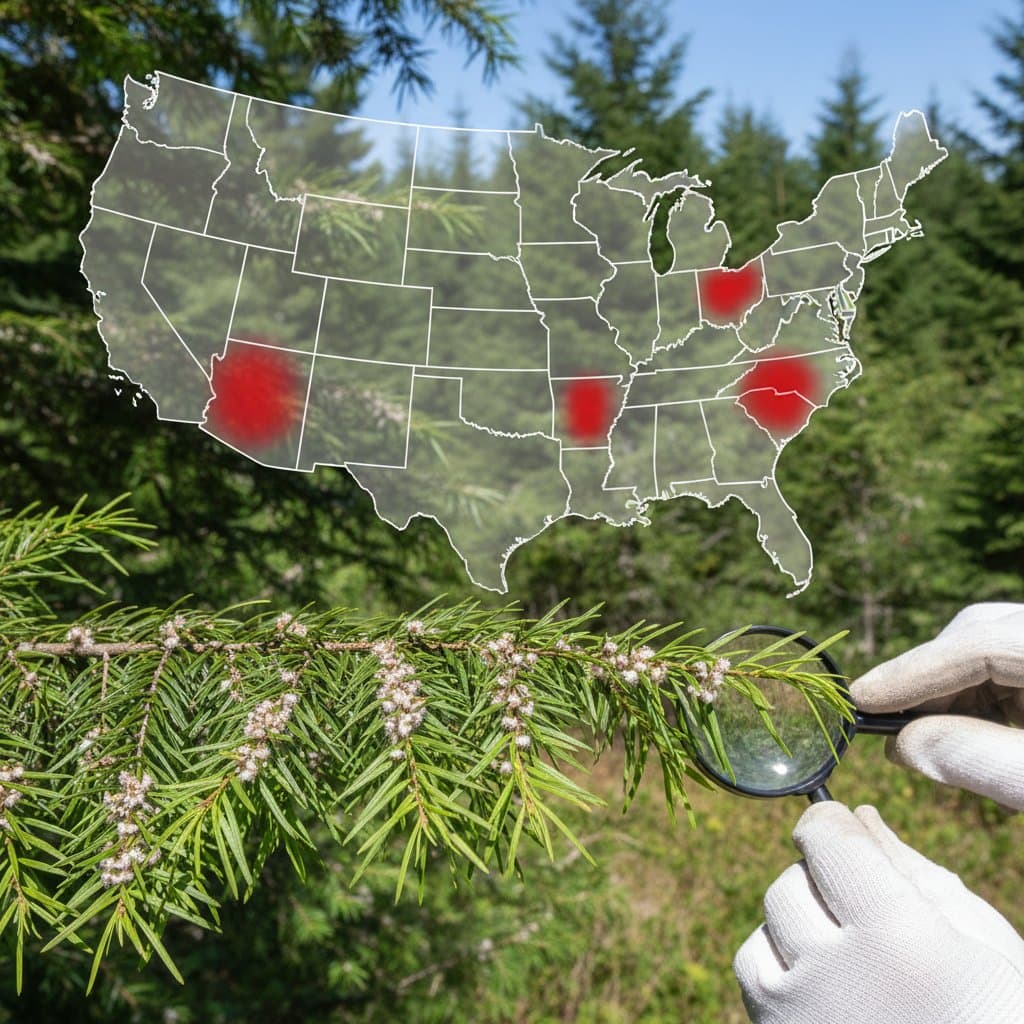
Hemlock trees stand as elegant sentinels in North American landscapes, offering dense shade and a soft, feathery texture that enhances gardens and forests alike. Homeowners value their resilience and aesthetic appeal, but a growing menace now challenges their survival. The hemlock woolly adelgid, a minuscule invasive pest, has extended its reach into eight new states, causing widespread decline in hemlock populations. This article details the nature of the threat, detection methods, and practical interventions to help you defend your trees effectively.
Understanding the Hemlock Woolly Adelgid
The hemlock woolly adelgid (Adelges tsugae) belongs to the aphid family and originates from East Asia. These insects, measuring less than one-sixteenth of an inch, attach themselves to the hemlock's twig bases, where they pierce the bark to extract sap. This feeding activity blocks the tree's nutrient and water transport, leading to progressive weakening. Without intervention, affected trees experience defoliation within two to four years, ultimately succumbing to the infestation.
Hemlocks, particularly eastern and Carolina species native to the region, prove highly susceptible due to the lack of natural defenses against this foreign pest. The adelgids reproduce rapidly, with multiple generations per year, amplifying their impact during mild winters. Recognizing this vulnerability underscores the urgency for vigilant monitoring in both urban and rural settings.
Mechanisms of Infestation Spread
Natural dispersal plays a key role in the hemlock woolly adelgid's expansion, as wind currents and wildlife transport crawlers—the mobile juvenile stage—to nearby trees. Human actions accelerate this process significantly; transporting infested nursery stock, ornamental plants, or untreated firewood from affected areas introduces the pest to uninfested zones. Recent climate shifts, including milder temperatures, have enabled survival in previously inhospitable northern latitudes.
The latest reports indicate incursions into eight states previously considered safe, highlighting a northward and westward progression. This development demands heightened awareness, especially for properties bordering woodlands or purchasing from unregulated sources. Tracking local extension service updates provides critical insights into regional risks and containment efforts.
Identifying Infestation Symptoms
Prompt recognition of hemlock woolly adelgid signs can determine whether a tree recovers or declines irreversibly. Begin inspections in early spring or fall, when woolly masses become prominent against the tree's dark green needles. Focus on the undersides of branches near the trunk, using a magnifying glass for close examination.
Key indicators include:
- White, woolly ovisacs resembling tiny cotton tufts at needle bases
- Grayish or purplish discoloration of inner bark
- Gradual needle yellowing and drop from lower limbs upward
- Twig dieback, evidenced by brittle, bare sections and sparse canopy
If symptoms appear, avoid disturbing the tree yourself to prevent further spread. Instead, document findings with photographs and consult professionals for accurate diagnosis, as similar issues may stem from drought or other stressors.
Effective Treatment Approaches
Addressing hemlock woolly adelgid requires tailored strategies based on infestation severity and tree health. Integrated pest management combines chemical, biological, and cultural techniques for sustainable results. Consult state forestry guidelines to select approved methods compliant with environmental regulations.
Systemic Insecticide Applications
For residential trees, systemic insecticides offer targeted control by allowing the tree to absorb the active ingredient. Professionals apply imidacloprid via soil drench around the root zone or inject dinotefuran directly into the trunk, ensuring delivery to feeding sites. These treatments, most effective from late fall to early spring, can protect trees for one to three years, though repeated applications may be necessary for heavy infestations.
Biological and Natural Controls
Releasing predatory insects, such as the silver fly or certain lady beetles, provides an eco-friendly alternative in larger landscapes. These predators consume adelgids without harming the host tree, though establishment takes time and works best in coordinated community programs. Horticultural oils or insecticidal soaps smother visible pests on smaller branches but require thorough coverage and timing to avoid tree stress.
Supportive Cultural Methods
Bolster tree vigor to enhance resistance against the pest. Maintain consistent soil moisture during dry periods using drip irrigation, and apply organic mulch to retain water and suppress weeds. Remove heavily infested lower branches with sterilized pruners to limit spread, disposing of clippings in sealed bags rather than composting.
Treatment Cost Breakdown
Budgeting for hemlock woolly adelgid management involves factors like tree diameter, accessibility, and chosen method. Early treatment often proves more economical than replacement or removal of dead trees. The following table outlines average costs for professional services in residential settings.
| Tree Diameter at Breast Height | Typical Cost Range per Tree |
|---|---|
| Under 6 inches | $100 - $200 |
| 6 - 12 inches | $200 - $400 |
| Over 12 inches | $400 - $800 |
These estimates cover initial application, site assessment, and one follow-up inspection. Multi-tree discounts apply for properties with several hemlocks, while organic options may incur a 20-30 percent premium.
Proactive Prevention Measures
Forestalling hemlock woolly adelgid arrival safeguards long-term tree health and reduces intervention expenses. Establish a routine monitoring schedule, examining trees bi-annually with attention to new growth areas. Source plants and firewood from certified pest-free suppliers, and quarantine new acquisitions for at least one season.
- Promote biodiversity by planting companion species that attract beneficial insects.
- Apply preventive insecticide treatments to high-risk trees every two to three years.
- Participate in local monitoring programs to report sightings and support regional containment.
- Educate neighbors on risks to foster community-wide defenses.
These habits not only protect individual properties but also contribute to broader ecosystem preservation.
Implementing Protection Today
Residing in or near the expanded range of hemlock woolly adelgid calls for immediate vigilance. Contact a certified arborist through your local cooperative extension for a site-specific evaluation and customized plan. By prioritizing early action, you preserve the ecological and ornamental value of hemlocks, ensuring they continue to enrich landscapes for future generations.