
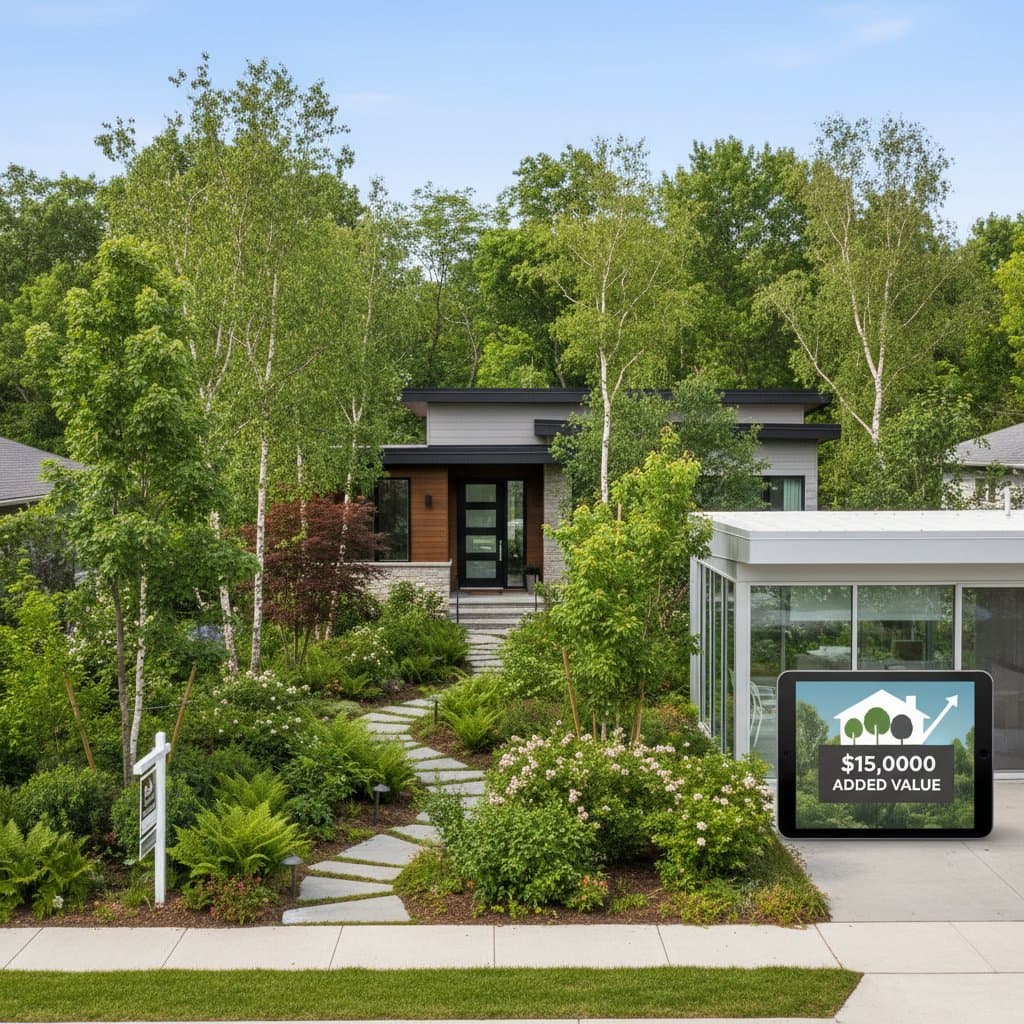
Suburban Micro-Forests: Elevating Property Values by 2026
Suburban homeowners seek innovative solutions to enhance both their living spaces and financial assets. Micro-forests emerge as a compelling option, offering compact ecosystems of native trees and plants that integrate seamlessly into residential areas. These installations not only beautify properties but also contribute to environmental health, with projections indicating a potential increase in home values of up to $15,000 by 2026. This article outlines the essentials of micro-forests, their economic impact, and practical steps for implementation.
Defining a Suburban Micro-Forest
A suburban micro-forest consists of a densely planted zone that replicates the layered structure of a natural woodland. Spanning 200 to 2,000 square feet, it incorporates tall canopy trees, mid-level shrubs, and low-lying ground covers, all selected from local native species. This design fosters a balanced habitat that improves air quality, provides natural shading, and attracts pollinators, all while fitting within the constraints of typical backyard or community lots.
Homeowners appreciate how these forests require minimal intervention once established, contrasting with traditional lawns that demand frequent mowing and fertilizing. By prioritizing native flora, micro-forests align with broader sustainability goals, such as reducing urban heat islands and conserving water resources in growing suburban regions.
Estimating Costs for Micro-Forest Installation
Establishing a micro-forest involves an upfront investment that varies based on scale and specifics. Costs typically fall between $1,500 and $5,000, covering plants, soil amendments, and labor. The following table provides breakdowns by size to aid budgeting.
| Area Size | Average Cost Range |
|---|---|
| Small (under 500 sq ft) | $1,500 - $2,500 |
| Medium (500 - 1,000 sq ft) | $2,500 - $3,800 |
| Large (1,000+ sq ft) | $3,800 - $5,000+ |
These figures account for basic materials and setup, but savings accrue over time through diminished need for ongoing care. For instance, a medium-sized micro-forest might offset its cost within five years via lower water bills and heightened property appeal.
Key Influences on Micro-Forest Expenses
Selection of Plant Species
Opt for resilient natives like red oak, sugar maple, or flowering dogwood to minimize watering and upkeep. These choices adapt to regional climates, reducing replacement needs. Exotic or non-native options, while visually striking, often elevate prices due to higher sourcing and care demands; reserve them for accents only.
Preparation of Soil and Site
Assess your terrain for drainage issues or nutrient deficiencies early. Professionals may recommend tilling compacted earth, adding compost, or testing pH levels, which can add $500 to $1,000. Proper groundwork ensures robust root development, preventing future costly interventions.
Level of Design Intricacy
Basic layouts with two plant layers prove economical and effective for beginners. Advanced configurations, including varied heights and wildlife-friendly features like bird perches, benefit from expert input and increase expenses by 20 to 30 percent. Balance complexity with your goals, such as privacy screening or biodiversity enhancement.
Site Accessibility Challenges
Properties with steep slopes or limited entry points complicate equipment delivery, potentially raising labor fees. Plan access routes in advance, or select hand-plantable species to control costs.
Initial Maintenance Considerations
The first season demands consistent monitoring for weeds and moisture, adding temporary labor. Invest in drought-resistant mulch to streamline this phase, ensuring the ecosystem stabilizes quickly.
Step-by-Step Guide to Building a Micro-Forest
-
Conduct Site Evaluation and Design
Engage an arborist to analyze sunlight exposure, soil composition, and water flow. Develop a blueprint that integrates the micro-forest with your home's architecture, targeting a 70:30 ratio of trees to understory plants for optimal density. -
Identify Suitable Species
Research local extension services for recommendations, focusing on species that support regional wildlife. Aim for 10 to 15 varieties to promote diversity and resilience against pests. -
Prepare the Ground
Clear debris and invasives manually or with eco-friendly herbicides. Amend soil with 2 to 4 inches of organic compost to boost fertility without chemicals. -
Execute the Planting
Space saplings 2 to 3 feet apart to simulate natural crowding, which accelerates canopy formation. Plant during dormant seasons, like early spring, for best establishment. -
Apply Mulch and Establish Watering Routine
Cover the area with 3 inches of bark or wood chips to suppress weeds and retain moisture. Water deeply twice weekly for the first three months, tapering as roots deepen. -
Implement Ongoing Oversight
Inspect monthly for signs of stress, such as wilting or insect damage. Prune selectively after year one to shape growth without disrupting the natural form.
Weighing DIY Approaches Against Professional Services
Homeowners with gardening experience might tackle small micro-forests independently, sourcing plants from local nurseries and following online guides. This method suits budgets under $2,000 and builds personal satisfaction, but risks errors in species compatibility or spacing that could hinder long-term health.
Professional involvement proves wiser for larger or complex projects, ensuring compliance with environmental standards and maximizing value gains. Experts handle permits, warranties on plants, and integration with smart irrigation systems, often recouping fees through superior outcomes. Evaluate your skill level and project scope to decide; hybrid options, like DIY planting with pro design, offer a middle ground.
Selecting and Engaging a Micro-Forest Expert
- Verify Qualifications: Seek professionals certified by the International Society of Arboriculture, with portfolios showcasing native plant restorations.
- Examine Past Work: Request site visits to completed projects and speak with recent clients about reliability and results.
- Solicit Detailed Bids: Obtain at least three proposals outlining timelines, material lists, and post-installation support.
- Scrutinize the Proposed Layout: Confirm inclusion of native inventories, growth projections, and biodiversity metrics.
- Secure Coverage Details: Demand proof of general liability and workers' compensation insurance to protect against on-site incidents.
Common Questions About Micro-Forests
What Timeline Marks Maturity for a Micro-Forest?
Micro-forests exhibit vigorous development after two to three years, achieving full ecological function in eight to ten years. Faster progress occurs in mild climates with fertile soil.
In What Ways Do Micro-Forests Enhance Property Worth?
Properties featuring mature micro-forests command premiums of $10,000 to $15,000, driven by superior aesthetics, energy savings from shade, and appeal to eco-conscious buyers. Real estate data highlights quicker sales for green-enhanced homes.
Is Ongoing Irrigation Essential for Micro-Forests?
Irrigation supports establishment during the initial 12 to 24 months. Established natives rely on ambient precipitation, potentially slashing water use by 50 percent compared to lawns.
Do Community Rules Impact Micro-Forest Projects?
Local regulations may dictate setbacks from property lines or maximum heights. Consult zoning boards or homeowner associations promptly to avoid fines or redesigns.
Realizing Returns from Sustainable Landscaping
Investing in a micro-forest positions homeowners for enduring benefits, from amplified market value to enriched daily surroundings. This approach not only safeguards financial interests but also contributes to resilient communities. Begin assessing your space today to harvest the rewards of this verdant strategy.