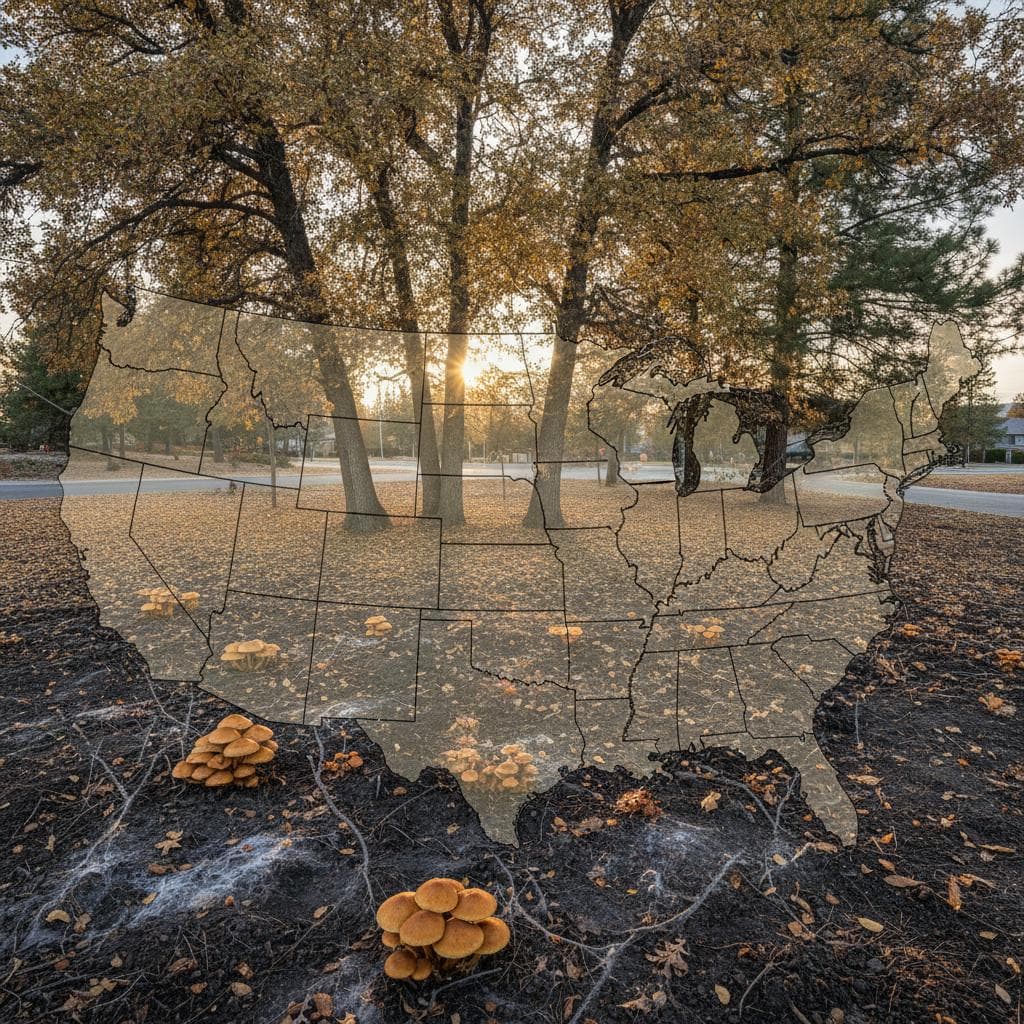
Armillaria Root Rot Spreads Across 8 States Fast
A soil-borne fungus is moving through eight states and killing oaks, pines, and fruit trees. Early recognition of symptoms and professional management limit further losses.
Loading...

A soil-borne fungus is moving through eight states and killing oaks, pines, and fruit trees. Early recognition of symptoms and professional management limit further losses.

Root rot undermines trees invisibly from below, striking before surface clues emerge. This resource covers early detection techniques, Armillaria and other causes, plus DIY checks, professional remedies, costs, and hiring advice to secure your trees' future.
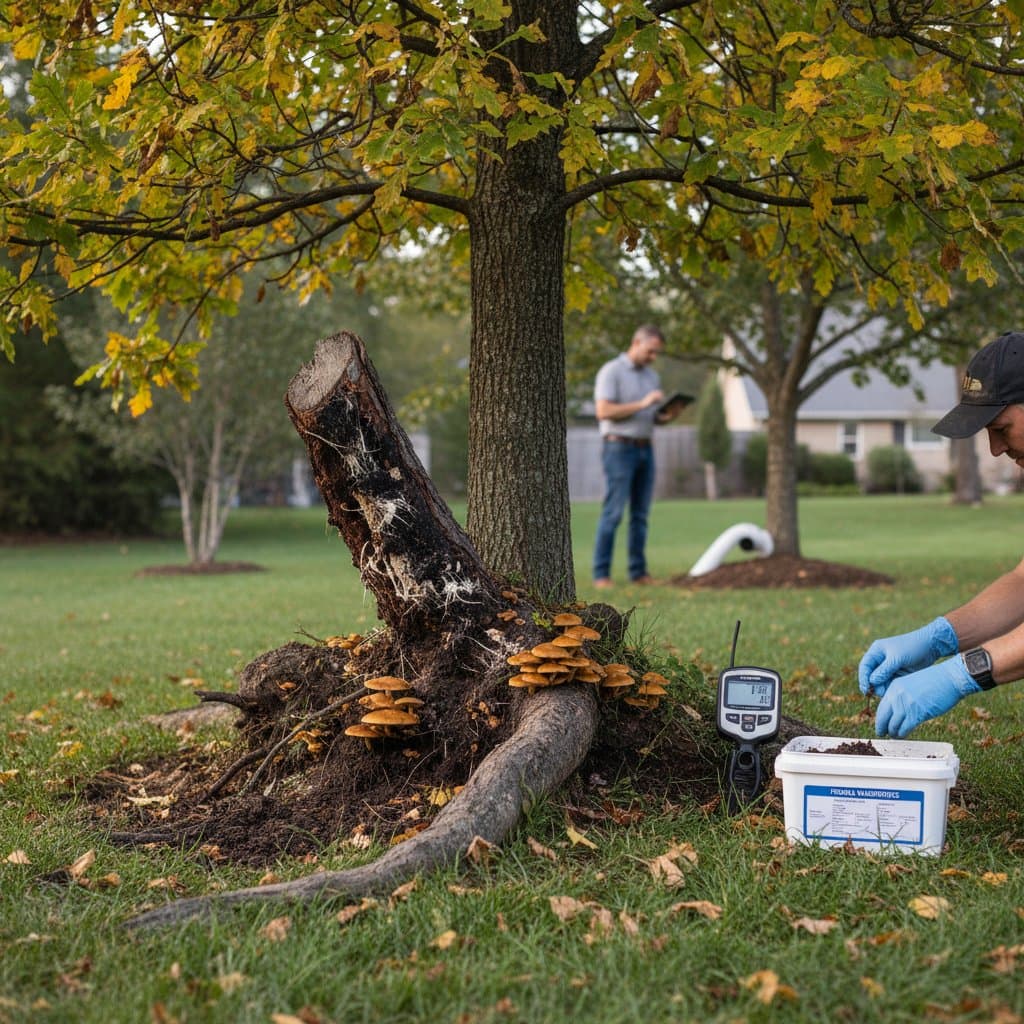
Root rot undermines trees from the roots, causing decay that leads to wilting and dieback before visible signs emerge. This guide covers early detection methods, common causes including Armillaria fungus, and proactive steps like improving drainage to preserve your landscape.
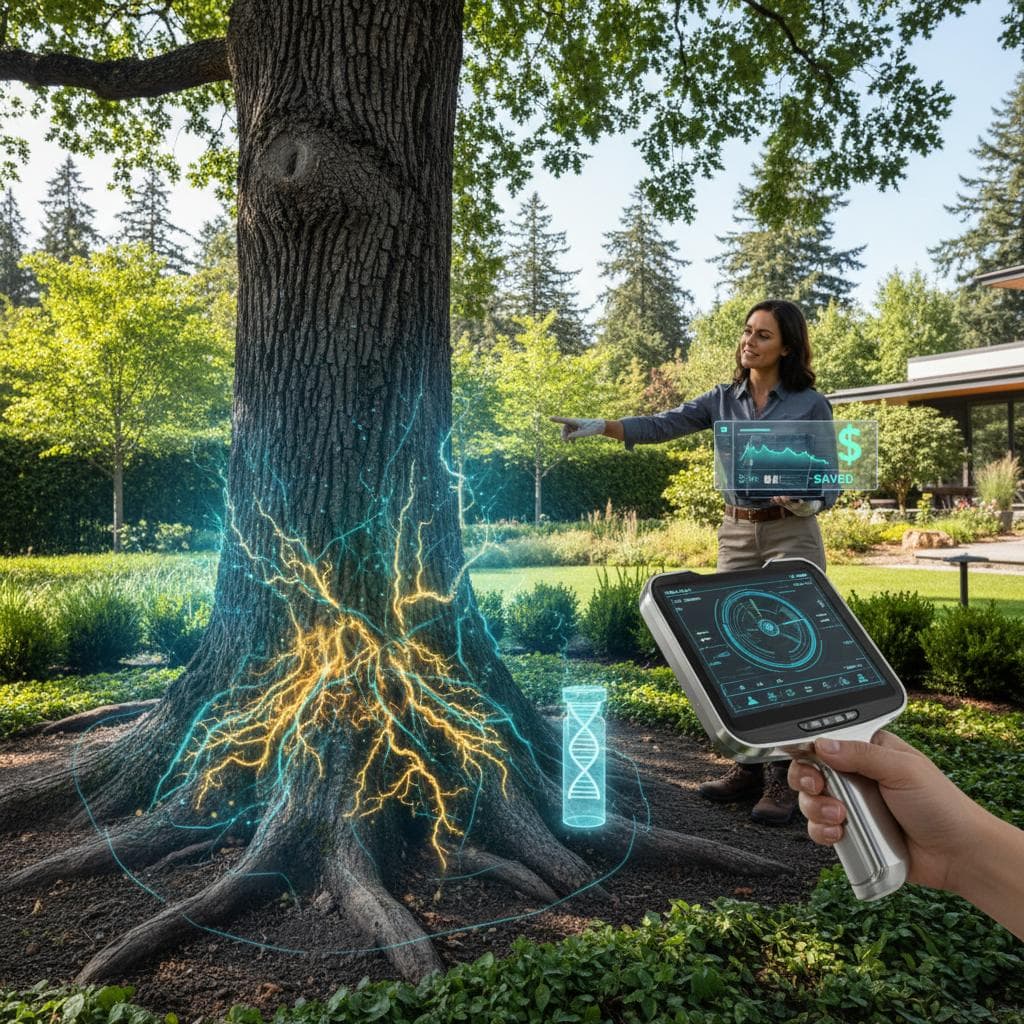
Uncover 2026 detection breakthroughs like ground-penetrating radar and genetic analysis combating Armillaria root rot. Understand cost drivers, professional hiring tips, and strategies for early intervention that preserve trees and cut expenses by thousands.

Armillaria root rot threatens trees by decaying roots unseen, yet 2026 advancements in soil DNA analysis and sensor technology enable detection before damage spreads.
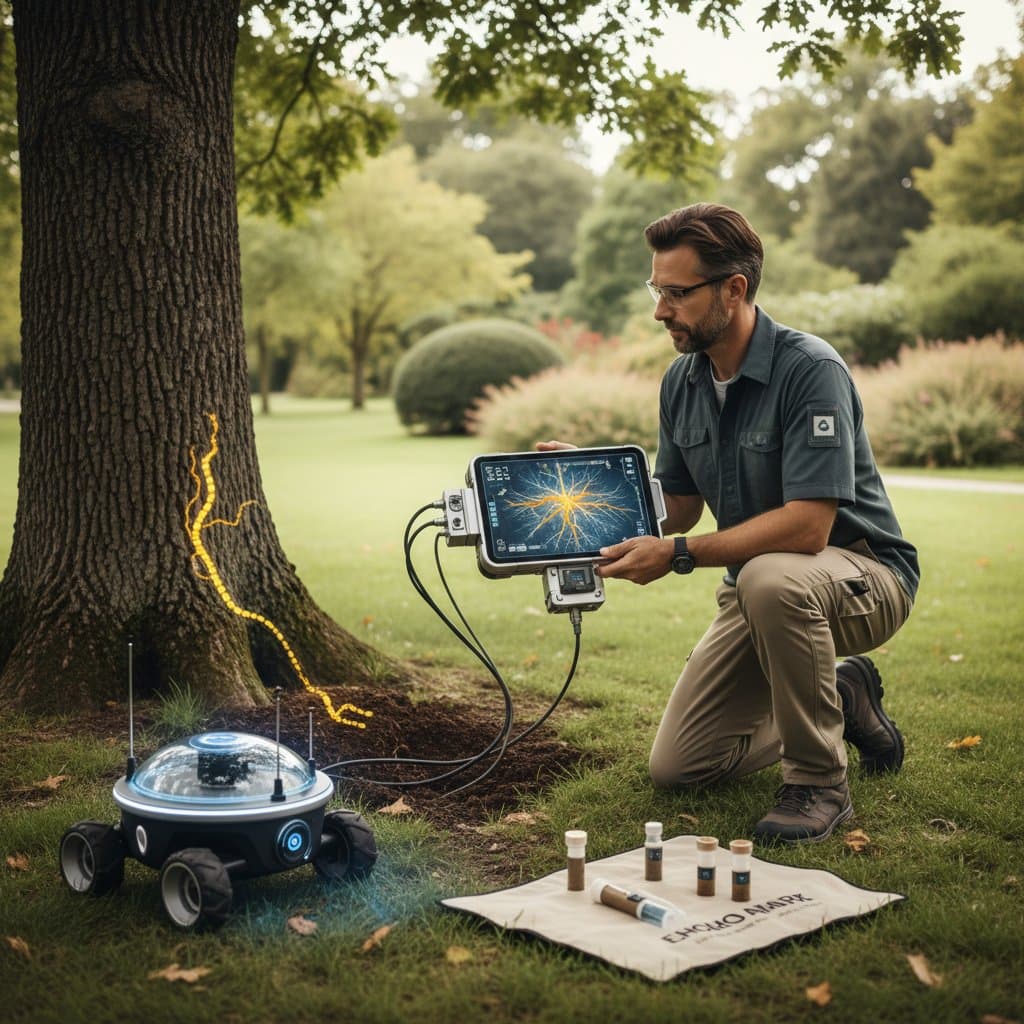
Armillaria root rot undermines trees from below ground, evading notice until damage is severe. Breakthroughs in 2026, including DNA soil tests, radar scans, and electronic noses, enable early detection. These advancements allow arborists and homeowners to intervene promptly, curbing spread and sustaining healthy landscapes through informed prevention and treatment.
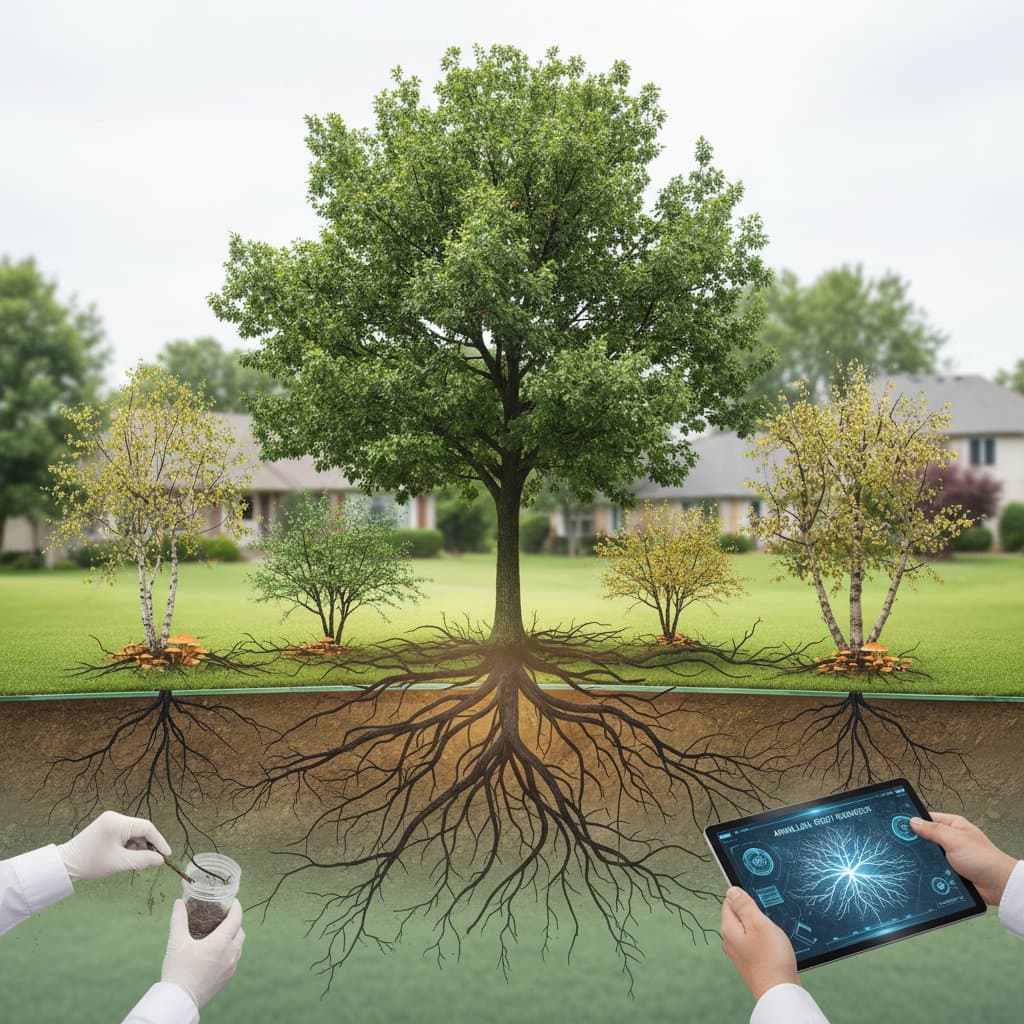
Armillaria root rot lurks underground, threatening suburban trees for years through soil and root networks. Prompt testing and professional diagnosis can halt its spread and save your landscape. Explore signs of infection, effective management strategies, and resilient planting options to defend against this enduring fungal foe.