Category

Landscape Design

Zoning Shifts Open Edible Yards in 40 States
Landscape Design

Zoning Shifts Open Edible Yards in 40 States

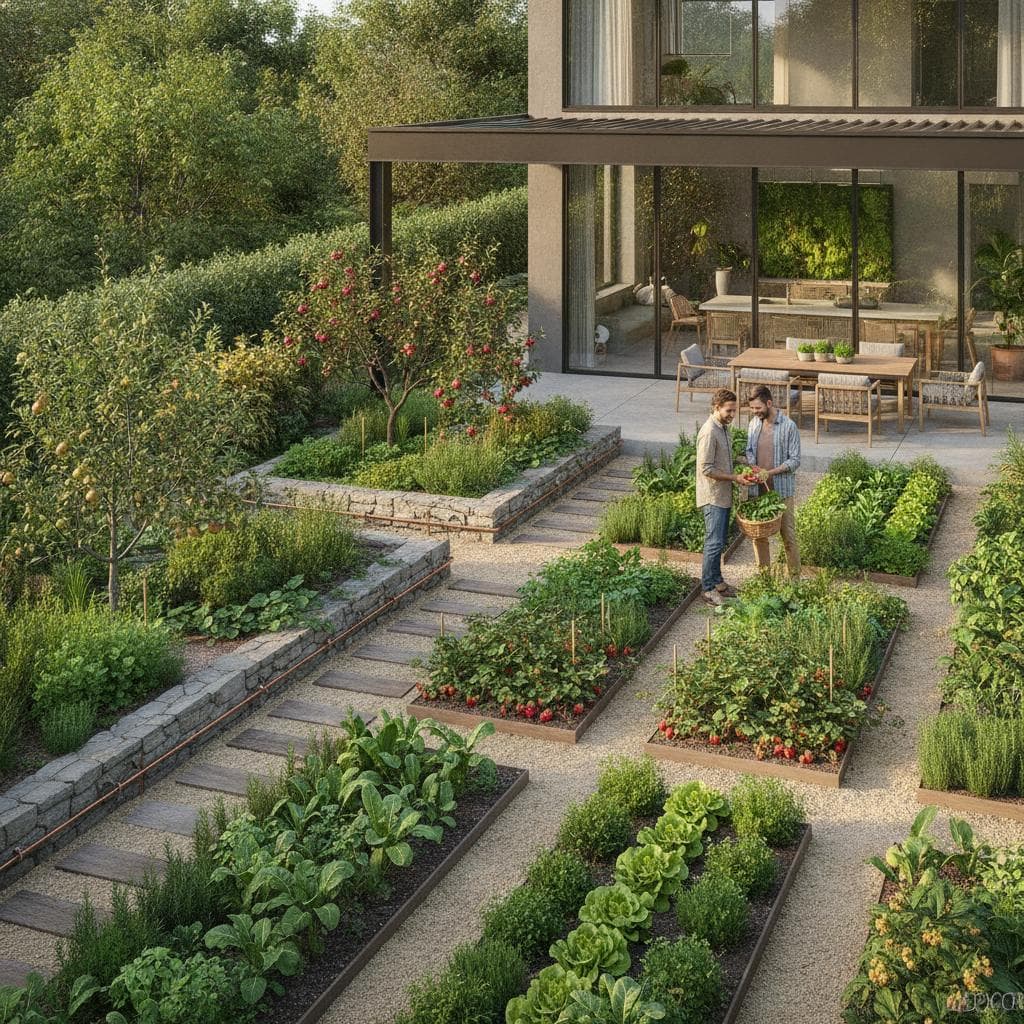
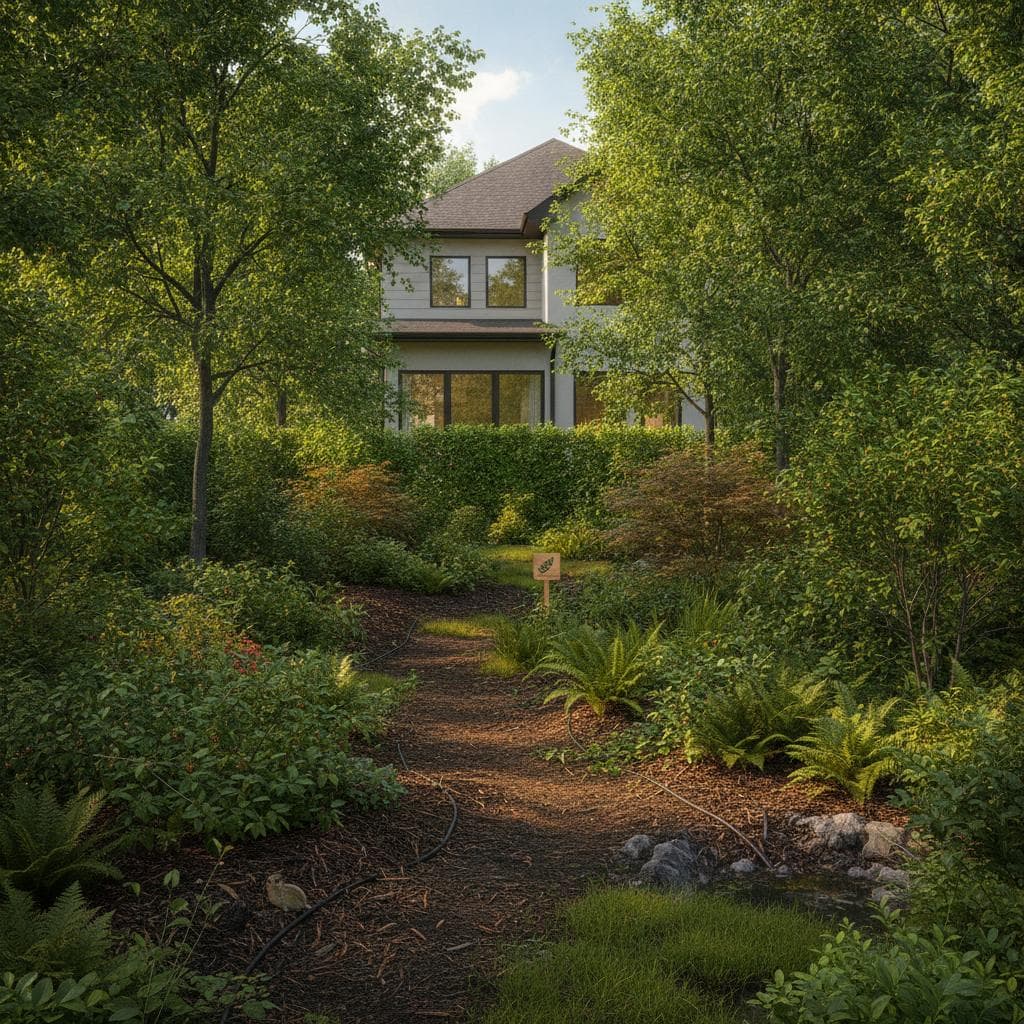
Zoning reforms across 40 states now allow homeowners to convert lawns into edible landscapes. This guide covers costs, plant selections, design approaches, and legal steps for creating productive yards with fruit trees, herbs, and vegetables.

Latest in Landscape Design

Featured image for Micro-Forests Transform 1000 Sq Ft Yards for $6K

Micro-Forests Transform 1000 Sq Ft Yards for $6K

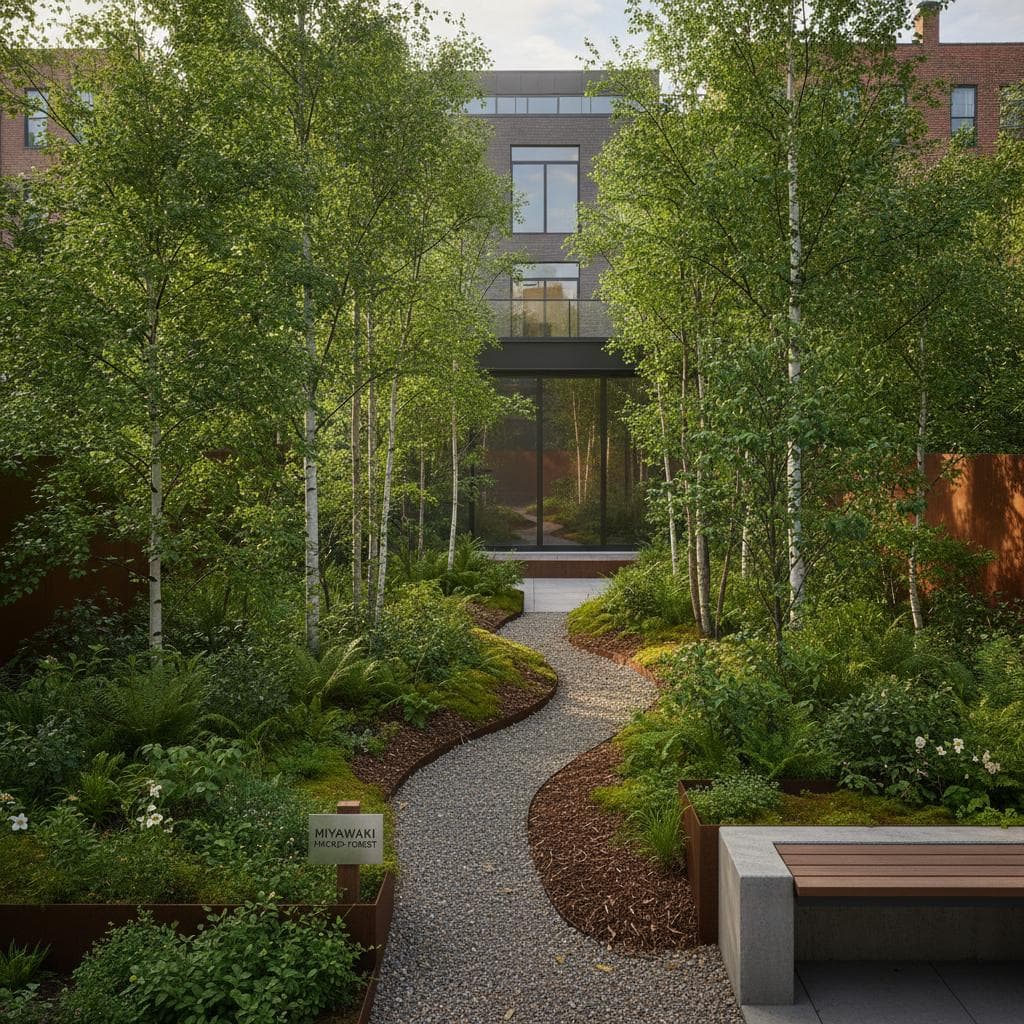
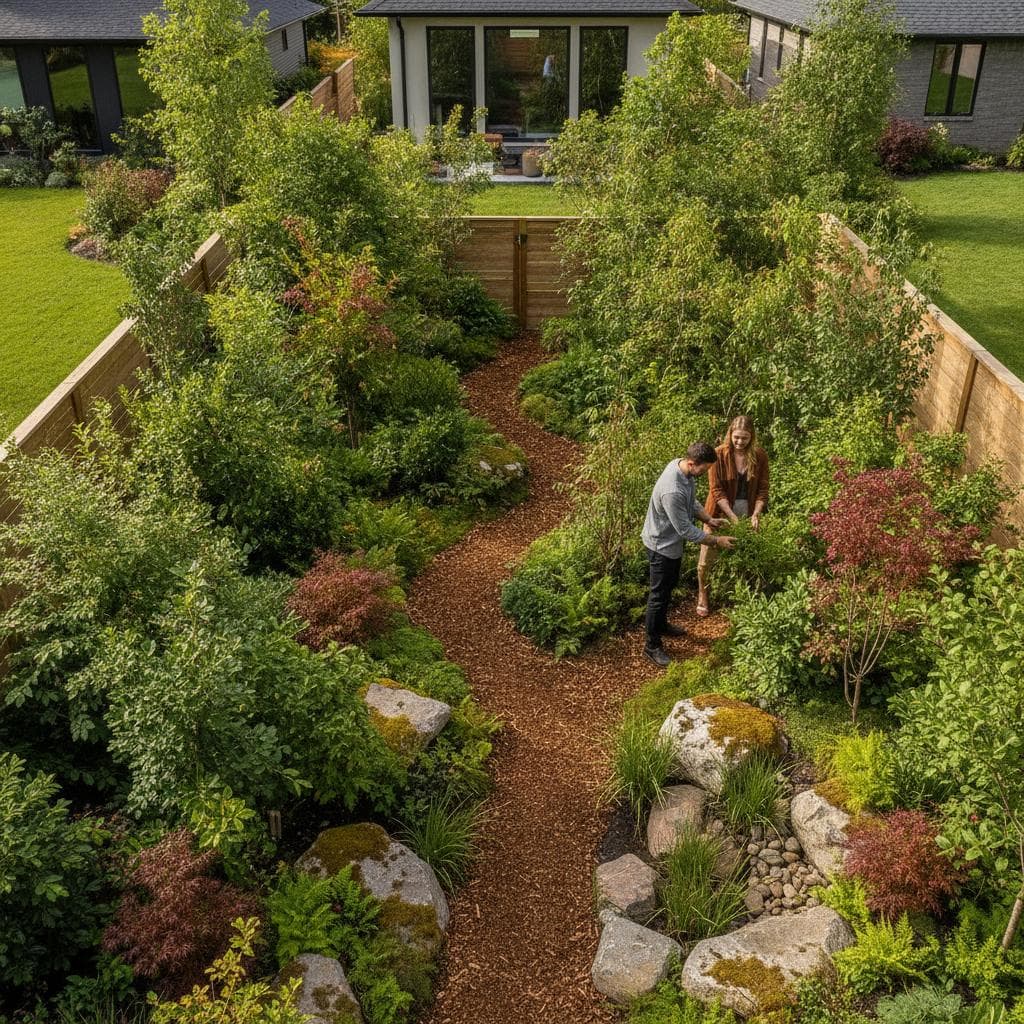
Embrace the 2026 micro-forest trend to convert your 1000 sq ft yard into a vibrant, low-maintenance ecosystem. Drawing on the Miyawaki planting technique, these mini-woodlands accelerate growth, boost biodiversity, and enhance urban living. This guide covers essential costs, design strategies, and practical advice for creating sustainable green spaces.

6 min read

More Articles

Featured image for 8 States Now Require Fire-Resistant Landscaping

8 States Now Require Fire-Resistant Landscaping

Eight states mandate wildfire-resistant landscaping, transforming outdoor design for safety. These policies promote defensible spaces, resilient plants, and durable materials to shield properties from fires. From California's rigorous standards to Arizona's community programs, compliance ensures secure, appealing yards.

5 min read
Featured image for Micro-Forests Add $15K to Suburban Home Values

Micro-Forests Add $15K to Suburban Home Values

Suburban residents increasingly install micro-forests, which are dense clusters of native trees and plants, to elevate home values and foster eco-friendly environments. Installation costs range from $1,500 to $5,000, yet these features deliver self-maintaining greenery that boosts curb appeal, supports wildlife, and yields significant returns.

6 min read
Featured image for Miyawaki Method Grows Forests 10x Faster in Suburbs

Miyawaki Method Grows Forests 10x Faster in Suburbs

Suburban areas across the country are converting overlooked spaces into vibrant micro-forests through the Miyawaki method. These intensive plantings of native species deliver accelerated growth, heightened biodiversity, urban cooling effects, and stronger community ties. With reasonable startup expenses and little ongoing upkeep, micro-forests provide a practical solution for cultivating resilient green areas in compact urban environments.

5 min read
Featured image for Edible Forest Gardens Return $8K Yearly Value

Edible Forest Gardens Return $8K Yearly Value

Replace your lawn with an edible forest garden to generate up to $8,000 annually in food production and cost savings. This guide covers essential costs, design variations, and detailed installation methods for building a low-maintenance ecosystem that enhances yard aesthetics, promotes biodiversity, and creates a sustainable, revenue-producing landscape lasting decades.

7 min read
Featured image for 8 States Now Require Rain Gardens for New Builds

8 States Now Require Rain Gardens for New Builds

With stormwater management regulations expanding, eight states now mandate rain gardens for select new developments. This comprehensive guide covers rain garden basics, the specific states involved, design considerations, costs, permitting processes, and professional installation options to help you create an effective, attractive landscape.

6 min read
Featured image for Why Micro-Forests Cost Less Than Traditional Lawns

Why Micro-Forests Cost Less Than Traditional Lawns

Micro-forests reshape suburban landscaping in 2026 through dense arrangements of native trees that enhance biodiversity, improve soil quality, and lower ongoing maintenance expenses. Suitable for DIY efforts or professional installations, these compact ecosystems fit any yard size and deliver aesthetic appeal, seclusion, and environmental benefits. Learn how modest forest plantings yield substantial ecological advantages in residential settings.

5 min read