
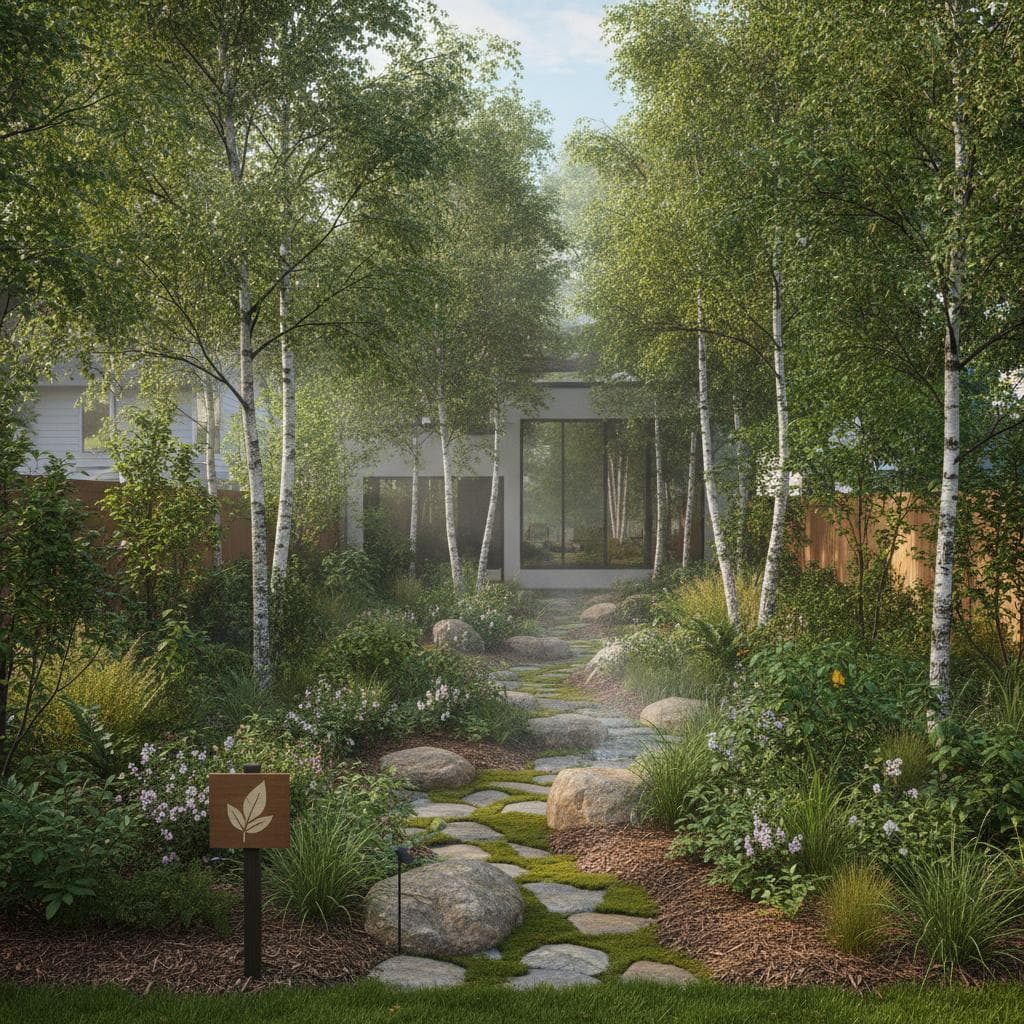
Why Micro Forests Are Transforming Backyards in 2026
Micro forests transform backyards into lush self sustaining ecosystems. These plantings grow faster than traditional landscaping. They support more wildlife and require less maintenance over time.
Homeowners adopt this method to restore native biodiversity. The approach creates a private green retreat that matures within a few years rather than decades.
What Is a Micro Forest
A micro forest consists of a compact high density planting. It replicates the structure of a natural woodland through multiple layers. These layers include canopy trees understory shrubs herbs and groundcover.
Unlike conventional lawns and isolated ornamental trees this method uses native species planted closely together. The density promotes competition and accelerates vertical growth. The result forms a self sustaining system that improves soil health and water retention.
How the Miyawaki Method Works
The Miyawaki method developed by Japanese botanist Akira Miyawaki serves as the foundation for most micro forest projects. It emphasizes planting native species at high density to establish deep root systems quickly.
The process follows these steps.
- Site Assessment and Soil Preparation: Analyze soil composition and drainage. Add organic material such as compost or leaf mulch to restore fertility.
- Species Selection: Choose a mix of native trees shrubs and groundcover plants suited to local conditions.
- Dense Planting: Position plants at three to five per square meter to encourage rapid vertical growth.
- Mulching and Maintenance: Apply a thick mulch layer. Water and weed regularly during the first two to three years.
Key Benefits of a Backyard Micro Forest
Rapid Growth and Low Maintenance
Micro forests reach maturity faster than conventional plantings. Close spacing shades the soil and conserves moisture. Weeds struggle to establish once root systems stabilize.
Improved Air and Soil Quality
Dense foliage captures carbon dioxide and filters pollutants. Leaf litter and decaying roots enrich soil structure. The ground becomes more fertile and better at absorbing rainwater.
Increased Biodiversity
A well designed micro forest provides habitat for birds pollinators and small mammals. This balance supports natural pest control without chemical interventions.
Natural Cooling and Noise Reduction
Layered vegetation creates shade that lowers surrounding temperatures. Dense foliage also muffles external sounds for a quieter environment.
Higher Property Value
Sustainable landscaping attracts buyers who seek lower long term maintenance costs. A thriving micro forest distinguishes a property through visible environmental benefits.
How to Start a Backyard Micro Forest
Even small yards can support a micro forest when planned with care. Follow these steps to establish one successfully.
- Define the Space: Select an area with adequate sunlight and drainage. Spaces as small as 100 square feet work well.
- Test and Amend the Soil: Check pH and nutrient levels. Incorporate compost or organic matter while avoiding chemical fertilizers.
- Select Native Plants: Include canopy trees medium shrubs and low groundcovers adapted to the local climate.
- Plan for Density and Diversity: Plant three to five specimens per square meter using varied species.
- Water and Mulch Thoroughly: Soak the area after planting and apply mulch to protect roots.
DIY Approach Versus Professional Assistance
Homeowners can create small micro forests using basic tools and research on native species. Larger projects benefit from a certified arborist or ecological landscaper. Professionals assess soil conditions recommend species and oversee early maintenance.
Common Questions About Micro Forests
How much does it cost to start a micro forest? Homeowners typically spend between several hundred and several thousand dollars depending on size and soil needs.
How long does it take for a micro forest to mature? A well planted micro forest resembles a young woodland in three years and stabilizes within a decade.
Can non native plants be used? Native species are recommended because they adapt readily and support local wildlife.
Do micro forests attract pests? Healthy micro forests regulate pests through natural predators such as birds and beneficial insects.
How big should a micro forest be? Sizes range from 100 square feet upward based on available space and goals.
Create Your Own Micro Forest
A backyard micro forest restores local environmental balance. It supports wildlife and provides direct access to nature without extensive land requirements.