
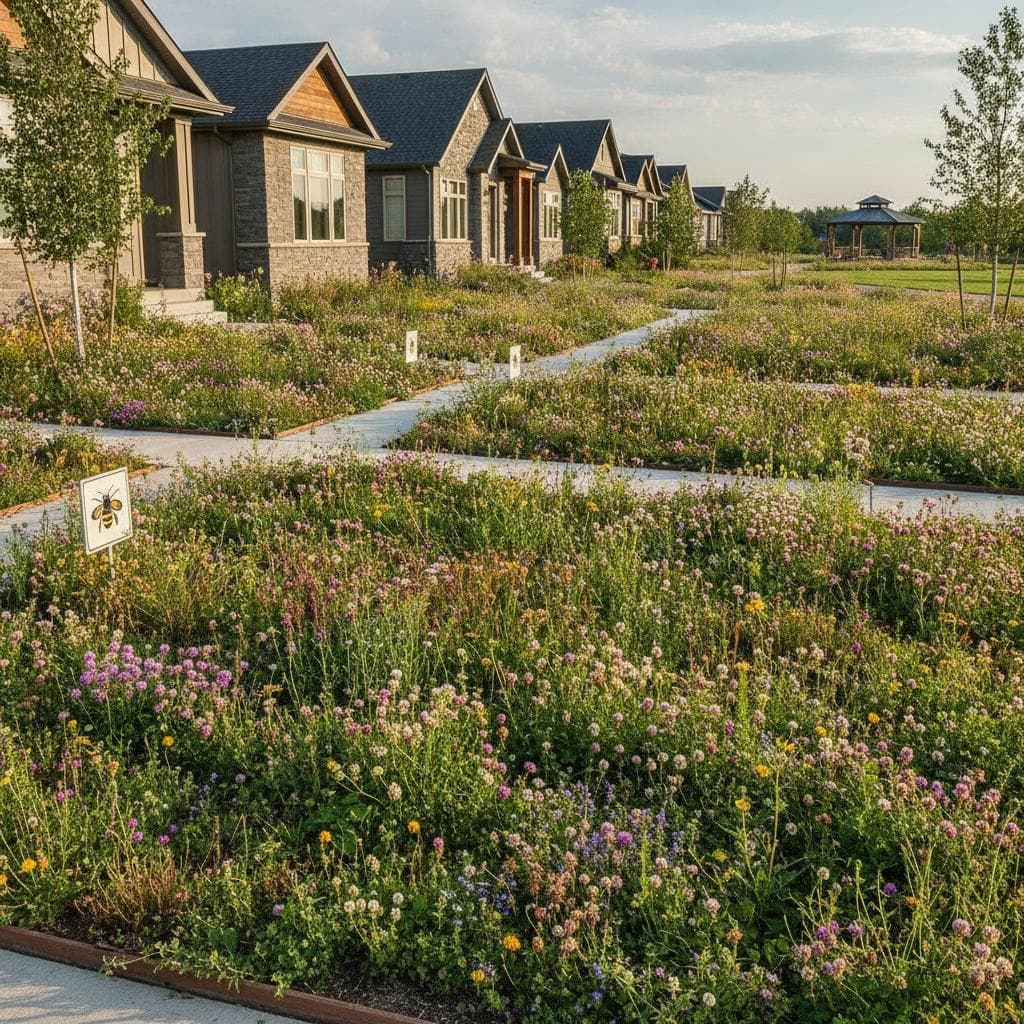
HOAs Are Now Mandating Bee Lawns to Help Pollinators
Homeowners associations are starting to rethink what a perfect lawn looks like. Across many neighborhoods the traditional green carpet of grass is being replaced by bee lawns that support pollinators and promote biodiversity. These new HOA landscaping rules are changing not only curb appeal but also the role of homeowners in protecting local ecosystems.
This guide explains what bee lawns are, why HOAs are mandating them, how much they cost to install, and what homeowners can expect in terms of maintenance and community impact. Whether you live in an HOA community or are simply curious about sustainable landscaping, understanding bee lawns can help you plan your next outdoor project with confidence.
Bee Lawn Cost
National Average Cost
A bee lawn typically costs between the same range as a standard turf installation, depending on materials and labor. The price is influenced by the size of your yard and whether you start from seed, sod, or a full lawn renovation. On average, expect to spend a moderate amount per square foot for a professionally installed bee lawn. DIY seeding can reduce the cost significantly, making this an accessible eco-friendly option for most homeowners.
Cost by Project Type
- Overseeding an existing lawn: The least expensive method. You can introduce bee-friendly species into your current grass by overseeding, which simply means spreading seed over an existing lawn.
- Full lawn conversion: Involves removing all turf and replacing it with a custom pollinator seed mix. This requires more labor and soil preparation but results in a denser, more diverse plant cover.
- Professional installation: Hiring a landscape contractor who specializes in eco-lawns ensures even coverage and proper seed selection but comes at a higher labor cost.
Key Cost Factors
- Seed mix: Bee lawn seed mixes usually contain a blend of fine fescues, clover, self-heal, and creeping thyme. Specialty or region-specific blends may cost more.
- Labor: Site preparation, soil testing, and installation time can vary widely.
- Irrigation adjustments: Retrofitting existing sprinkler systems for lower water needs can add to the total cost.
- Maintenance tools: Bee lawns require selective mowing and occasional reseeding. Investing in quality equipment can reduce long-term expenses.
- HOA compliance: Some associations may require professional verification or landscaping approvals, which can include additional administrative fees.
Types of Bee Lawns
Different bee lawns use different plant mixes depending on the region, soil type, and HOA rules. The goal is always to create a low-growing, resilient groundcover that provides nectar and pollen for pollinators while remaining tidy enough to satisfy neighborhood standards.
Mixed Grass and Clover Lawns
This is the most common type of bee lawn. It combines traditional fine fescue with white clover and other low-growing flowers.
Pros:
- Easy to maintain and mow
- Fixes nitrogen naturally, reducing fertilizer needs
- Looks similar to a traditional lawn
Cons:
- Clover may brown slightly in extreme heat
- May attract bees near patios or play areas
Fescue and Wildflower Blends
This mix includes fine fescues combined with flowers like self-heal, yarrow, and creeping thyme for color and pollinator diversity.
Pros:
- Visually appealing with seasonal blooms
- Supports a wide range of pollinators
- Tolerates partial shade well
Cons:
- Slower to establish than grass-heavy mixes
- Requires careful mowing to avoid cutting blooms too early
Native Groundcover Lawns
Native bee lawns use region-specific plants that evolved with local pollinators. This approach creates an authentic habitat.
Pros:
- Extremely low maintenance once established
- Provides the best ecological benefit
- Reduces watering and fertilization needs
Cons:
- Can look more natural than manicured, which may require HOA approval
- Limited seed availability in some regions
Why HOAs Are Mandating Bee Lawns
Homeowners associations have traditionally focused on uniform green lawns as a sign of community pride. Now many are recognizing that these lawns come with high water use, chemical inputs, and poor ecological performance. Bee lawns offer a compromise between aesthetics and sustainability.
By mandating bee lawns or allowing them as approved alternatives, HOAs are helping to support pollinator populations, reduce chemical dependency, lower maintenance needs, and enhance community image. Some HOAs are not mandating full conversions but are revising their landscaping guidelines to permit bee lawns as compliant options. This shift reflects growing public awareness and changing preferences toward sustainability.
DIY vs. Hiring a Professional
DIY Bee Lawn Installation
Installing a bee lawn yourself can be rewarding and cost-effective. You can purchase regional seed mixes and follow simple instructions for soil preparation and seeding.
Advantages:
- Lower overall cost
- Hands-on control over plant selection and layout
- Educational experience for families
Challenges:
- Requires consistent watering and weeding during establishment
- Results can be uneven if soil preparation is rushed
- Some HOAs require licensed installers for approved projects
Hiring a Professional
Landscape professionals experienced with bee lawns can ensure quick establishment and long-term success. They can also handle any required HOA documentation.
Advantages:
- Expertise in soil health, site evaluation, and irrigation management
- Proper seed application and germination rates
- Time savings and reliable outcomes
Disadvantages:
- Higher upfront cost
- Less personal involvement in the process
Recommendation:
Homeowners with small yards or flexible HOA rules can handle DIY bee lawns effectively. For large properties or stricter associations, hiring a professional ensures compliance and lasting results.
How to Install a Bee Lawn
- Evaluate the Site. Check sunlight exposure, soil type, and drainage. Bee lawns thrive in full to partial sun with well-draining soil.
- Prepare the Soil. Mow existing grass short, remove thatch, and loosen the top layer of soil. If replacing turf, remove old grass completely and amend the soil with compost.
- Select the Right Seed Mix. Choose a blend suited to your region. Look for mixes labeled specifically as bee lawns or pollinator lawns.
- Seed the Area. Use a broadcast spreader for even coverage. Lightly rake the seeds into the soil and press them down using a roller or by walking over the area.
- Water Consistently. Keep the area moist until seeds germinate. Gradually reduce watering as plants establish.
- Mow Selectively. Once the lawn reaches about five inches tall, mow it down to three inches to encourage spreading. Avoid mowing when flowers are blooming heavily to protect pollinators.
- Maintain Annually. Reseed thin spots each year, aerate as needed, and minimize fertilizer use. Bee lawns are resilient but benefit from gentle care.
Tips for Bee Lawn Success
- Choose region-appropriate plants. Local species adapt better and support native pollinators.
- Mow less frequently. Allow flowers to bloom and provide nectar before cutting.
- Avoid herbicides. Many weed killers harm pollinator-friendly plants.
- Educate neighbors. Share information about the benefits of bee lawns to reduce complaints or misunderstandings.
- Monitor and adjust. Observe which plants thrive and reseed accordingly to maintain balance.
Frequently Asked Questions
Are bee lawns legal in HOA communities?
Yes, as more HOAs revise their landscaping guidelines, bee lawns are becoming approved or even required alternatives to turf. Always check your community rules before planting to ensure compliance.
Do bee lawns attract too many bees near homes?
Bee lawns attract pollinators, but most bees are non-aggressive and focus on flowers rather than people. Keeping flowering zones away from high-traffic areas helps balance beauty and safety.
Are bee lawns high maintenance?
Bee lawns require less mowing and watering than traditional turf once established. Early maintenance includes watering and weed control, but long-term care is minimal.
Can a bee lawn survive in shady areas?
Yes, certain fescues and clovers tolerate partial shade. For heavy shade, choose low-light species recommended by native plant suppliers.
Will a bee lawn affect property values?
Eco-friendly landscaping can enhance property values, especially in communities that value sustainability. Bee lawns also lower maintenance costs, which many buyers appreciate.
What happens if my HOA does not allow bee lawns?
If your HOA has not yet adopted bee lawn guidelines, you can petition for a landscaping rule change. Present research on ecological benefits and examples of successful neighborhoods to support your case.
Supporting Local Ecosystems Through Landscaping Choices
Homeowners in HOA communities are discovering that supporting pollinators does not mean sacrificing curb appeal. Bee lawns bridge the gap between traditional landscaping and ecological responsibility. They add color, texture, and life to spaces that once required constant mowing and chemicals.
Before starting, review your HOA specific requirements and consult a local landscape professional if needed. Whether you go the DIY route or hire an expert, your bee lawn can become part of a growing network of pollinator pathways connecting yards, parks, and green spaces across communities.