
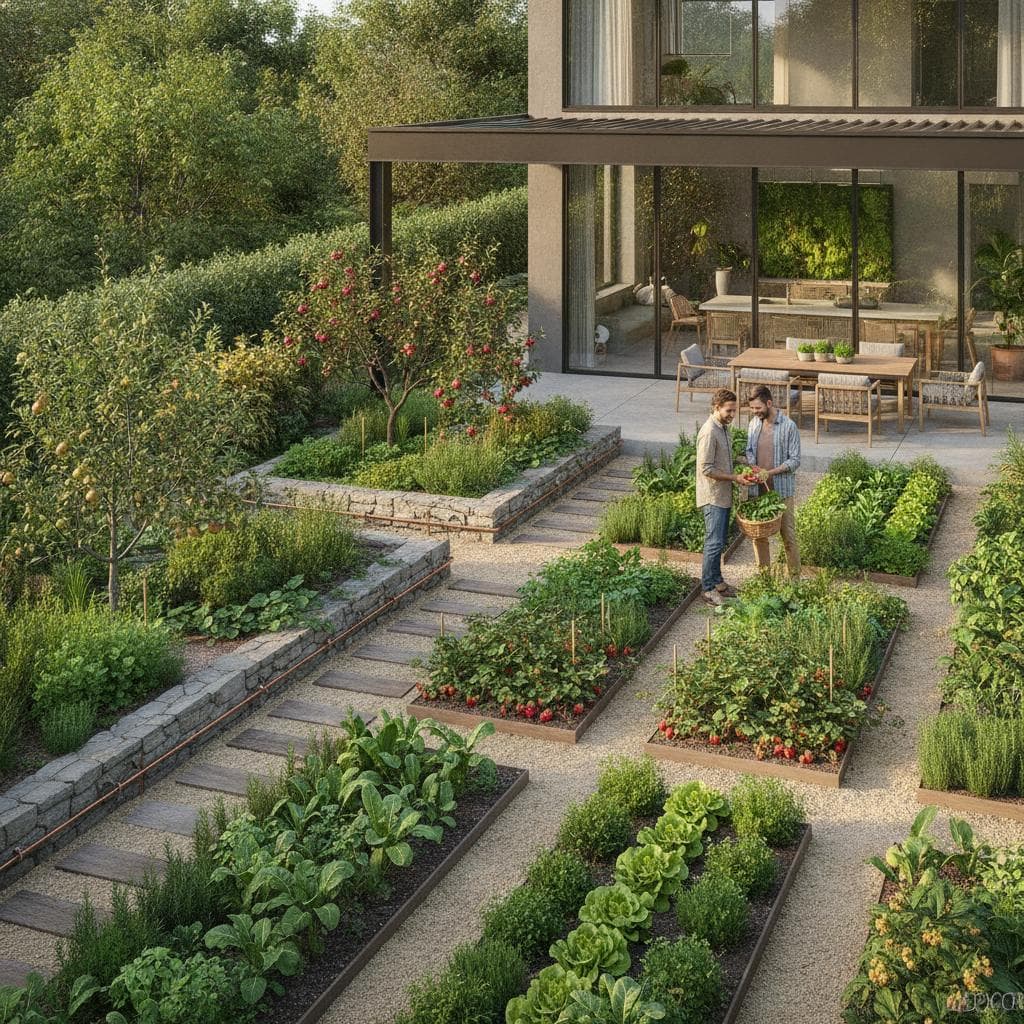
Discover Why Lawns Are Becoming Edible Gardens in 2026
Across neighborhoods, manicured turf gives way to productive spaces. Homeowners plant food instead of grass. They turn lawns into edible gardens filled with fruit trees, herbs, and vegetables. This shift reflects a desire for sustainability, self-sufficiency, and beauty that nourishes both people and the planet. Converting a yard into an edible landscape blends design, ecology, and food production.
The Cost of Transforming a Lawn into an Edible Garden
National Average Cost
Creating an edible garden costs less than many outdoor renovations while delivering ongoing value. Homeowners spend anywhere from a few hundred to several thousand dollars. The total depends on size, materials, and plant selection. The investment covers soil amendments, irrigation, raised beds or planting borders, mulch, and starter plants.
Cost by Project Size and Type
A small front yard herb and vegetable garden can be established for a modest amount when using existing soil and basic compost. Larger projects that include fruit trees, drip irrigation, and decorative pathways cost more. They bring higher long-term returns through reduced grocery bills and improved curb appeal. A food forest design often costs more initially yet becomes largely self sustaining over time.
Key Cost Factors
- Soil quality. Poor soil may require compost, topsoil, or organic fertilizers.
- Plant selection. Perennial plants cost more upfront but require fewer replacements.
- Irrigation. Drip systems conserve water and reduce maintenance but add to installation costs.
- Design complexity. Terraced beds, retaining walls, or paths raise both material and labor costs.
- Maintenance tools. Mulch, pruning shears, and organic pest controls add small recurring expenses.
Types of Edible Landscapes
Kitchen Gardens
These compact gardens are designed for daily harvest. They often sit near the kitchen for easy access.
Pros:
- Convenient for fresh cooking ingredients.
- Simple to maintain once established.
- Highly customizable in size and layout.
Cons:
- Limited yield if space is small.
- Requires frequent watering and harvesting.
Food Forests
Food forests replicate natural woodland layers using fruit trees, berry shrubs, herbs, and ground covers that feed each other and the soil.
Pros:
- Low maintenance once mature.
- High biodiversity supports pollinators.
- Produces food year after year.
Cons:
- Takes time to establish.
- Requires thoughtful design to balance sunlight and nutrients.
Edible Ornamental Landscapes
Blending edible plants with decorative species creates a yard that looks like a traditional landscape but produces food.
Pros:
- Attractive year round appearance.
- Easier to integrate into existing yards.
- Supports both aesthetics and function.
Cons:
- Some edible plants may not match ornamental styles.
- Coordinating harvest and pruning times can be tricky.
Container and Vertical Gardens
For small yards or patios, vertical structures and planters make food growing possible almost anywhere.
Pros:
- Ideal for limited spaces.
- Easy to move and replant.
- Reduces weed issues.
Cons:
- Requires more frequent watering.
- Limited root space restricts plant size.
DIY vs. Hiring a Professional
Many homeowners start edible gardens as DIY projects. They enjoy the satisfaction of hands on creation. Building raised beds, installing simple irrigation, and planting annual crops can all be done with basic tools and some research. The DIY path saves money and allows personal customization.
Professional landscapers specializing in edible design bring expertise that pays off long term. They understand soil chemistry, plant compatibility, and design flow. A professional can create a plan that balances appearance, yield, and maintenance. For complex systems like food forests or integrated water management, hiring an expert prevents costly mistakes. The best approach is often a mix. Hire a designer for the layout, then handle planting and maintenance yourself to reduce costs.
How to Convert a Lawn into an Edible Garden
- Assess the site. Observe sun exposure, drainage, and existing soil. Identify areas with at least six hours of sunlight for fruiting plants.
- Remove grass. Sheet mulch with cardboard and compost or use a sod cutter to clear the area.
- Plan and design. Sketch zones for trees, shrubs, and herbs. Include paths for easy access.
- Amend the soil. Mix organic compost, aged manure, or worm castings to enrich nutrients.
- Install irrigation. Drip systems or soaker hoses provide efficient, consistent watering.
- Plant in layers. Start with trees, then add shrubs, perennials, and ground covers to mimic nature.
- Mulch and maintain. Apply a thick layer of organic mulch to retain moisture and suppress weeds. Water deeply until roots establish.
Tips for Success and Long Term Maintenance
- Start small. Focus on one section of your yard to build confidence and experience.
- Choose perennials. Blueberries, asparagus, and herbs return year after year with minimal effort.
- Encourage pollinators. Include flowering plants like lavender or borage to attract bees.
- Use companion planting. Pair plants that support each other, such as tomatoes with basil.
- Compost regularly. Return nutrients to the soil by composting kitchen and garden waste.
Frequently Asked Questions
Do edible gardens require more work than lawns?
In the early stages, yes. Establishing soil health and planting takes effort, but maintenance decreases as the garden matures. Regular weeding and pruning replace mowing and fertilizing, creating a more rewarding routine.
Can an edible garden look as attractive as a traditional lawn?
Absolutely. With thoughtful design, edible gardens can rival ornamental landscapes. Using raised beds, decorative trellises, and colorful vegetables like rainbow chard or purple basil creates visual interest.
What are the best plants for beginners?
Start with herbs such as rosemary, thyme, and mint, along with easy vegetables like lettuce, kale, and cherry tomatoes. These grow quickly, tolerate minor mistakes, and deliver fast rewards.
Do edible gardens attract pests?
Some pests are inevitable, but balanced ecosystems keep them under control. Use companion planting, natural predators, and organic deterrents instead of chemical sprays.
Is a permit needed to convert a lawn into an edible garden?
Rules vary by location. Check local ordinances before removing turf or altering drainage patterns.
Growing a Yard That Feeds You
Replacing turf with edible plants transforms a yard from a consumer of resources into a provider of food, beauty, and habitat. It reconnects people with nature and turns daily routines into acts of sustainability. Whether you start with a few raised beds or design a full food forest, the shift toward edible landscaping builds resilience and abundance.