
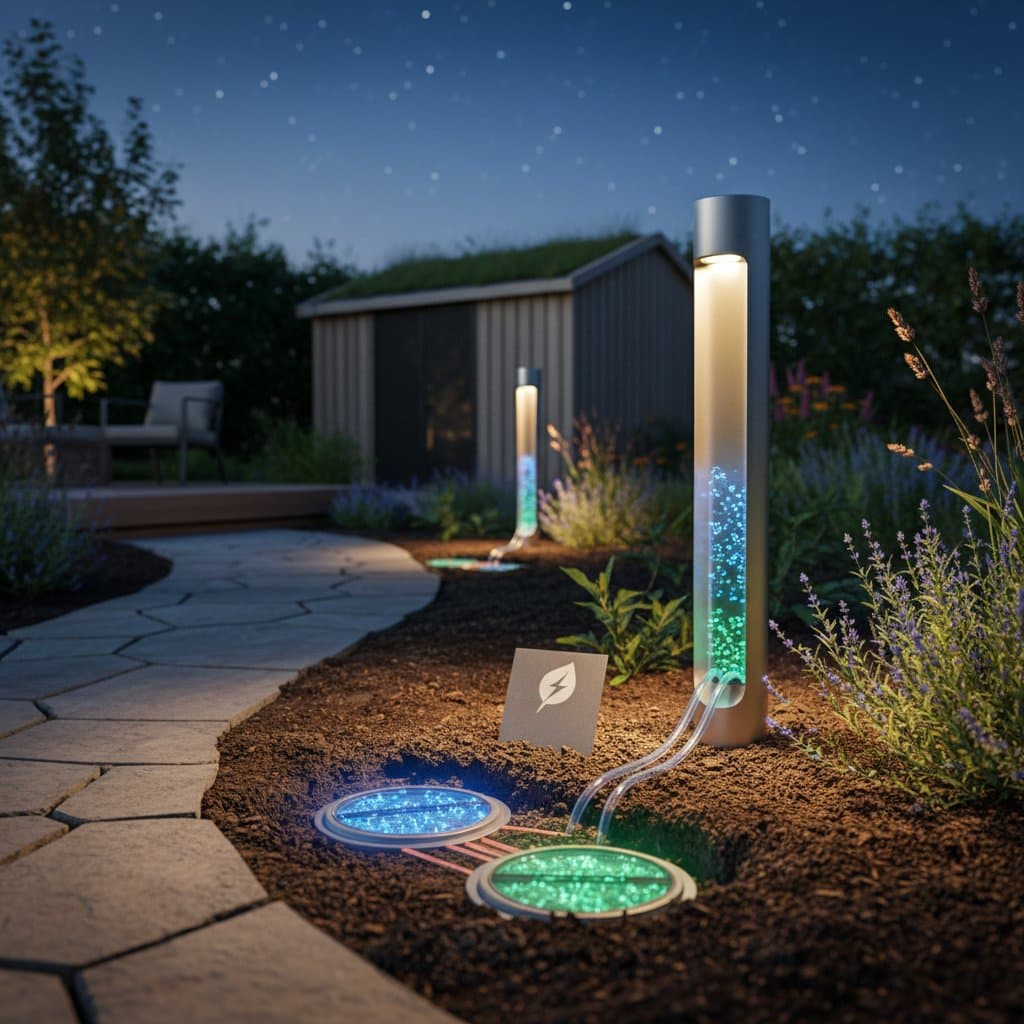
Soil Battery Technology for Sustainable Landscape Lighting
Homeowners seek ways to enhance outdoor spaces with beauty, function, and sustainability. Landscape lighting contributes to atmosphere and safety. Traditional electric or solar systems often involve high costs and energy demands. Soil battery technology addresses these issues by converting natural soil chemistry into electricity.
Understanding Soil Battery Technology
Soil battery technology forms a renewable energy system. It converts chemical reactions in soil into usable electricity through electrodes placed in the ground. These electrodes capture energy from interactions among microbes, minerals, and moisture. The process yields a steady low-voltage current suitable for small devices such as landscape lights.
The soil acts as the direct power source. Energy generation continues as long as the soil stays biologically active and moist. This approach differs from solar panels, which require sunlight, or grid electricity, which depends on external supply.
Installation Costs for Soil Battery Systems
Costs for a soil-powered landscape lighting system range from 800 to 2500 dollars. The final amount depends on area size and system complexity. A basic setup for a small garden starts near 800 dollars. Larger systems with multiple zones and storage reach 2500 dollars or higher.
| System Size or Type | Average Cost Range |
|---|---|
| Small Garden Setup (up to 4 lights) | 800 - 1200 dollars |
| Medium Yard (6-10 lights) | 1200 - 1800 dollars |
| Large Landscape (12+ lights) | 1800 - 2500 dollars |
| Advanced Smart System (with energy storage) | 2000 - 3000 dollars |
These figures cover materials, installation, and wiring. Actual prices vary with soil conditions, climate, and specific lighting choices.
Key Factors That Influence System Costs
Soil Type and Composition
Rich, moist soils with high organic content produce more bioelectric energy. Sandy or dry soils generate less power. Poor soil may require added compost or conductive materials to improve output.
Moisture Levels
Microbial activity requires consistent moisture. Dry regions often need irrigation or moisture-retaining layers. These additions increase minor ongoing expenses.
System Size and Power Needs
The number and wattage of lights determine electrode quantity and wiring extent. Low-voltage LED fixtures work best because they draw limited energy. Larger properties require extra components and possibly storage units.
Installation Complexity
Uneven terrain, dense roots, or compacted clay increase labor time. Professional teams adjust pricing for sites that need extra preparation or trenching.
Local Environmental Conditions
Temperature, soil pH, and vegetation affect microbial performance. Regions with steady rainfall and moderate temperatures support stronger energy production.
Smart Controls and Additional Features
Motion sensors, timers, or smart controls raise efficiency yet add to initial expenses.
Installation Steps for Soil Battery Lighting
- Site Assessment: A professional tests soil composition, pH, and moisture to confirm suitability.
- System Design and Quote: The contractor creates a layout for electrodes, wiring, and fixtures, then provides a detailed estimate.
- Soil Preparation: Compacted areas receive loosening and organic amendments to support microbial activity.
- Electrode Installation: Copper and zinc electrodes are positioned at calculated intervals to capture natural current.
- Lighting and Wiring Setup: Low-voltage wiring connects electrodes to fixtures, with optional storage batteries for regulation.
- Testing and Calibration: Output is verified and adjustments made for consistent performance.
- Cleanup and Maintenance Plan: The site is restored and the owner receives instructions for ongoing soil care.
Choosing Between DIY and Professional Installation
DIY Approach
Small gardens or experimental projects suit DIY efforts. Basic electrical knowledge allows installation of a few LED path lights with an affordable kit. Output remains limited and efficiency may vary.
Professional Installation
Larger or permanent landscapes benefit from expert work. Professionals test soil, design layouts, and meet safety codes. They provide warranties and long-term support.
| Option | Best For | Pros | Cons |
|---|---|---|---|
| DIY | Small gardens, educational use | Lower cost, direct involvement | Limited output, possible inefficiency |
| Professional Installation | Full landscapes, long-term use | Reliable results, expert design | Higher initial cost |
Selecting a Qualified Installer
- Verify experience with renewable or bioenergy systems and request relevant certifications.
- Request references and review past project photos.
- Obtain several written estimates for comparison.
- Confirm liability insurance and local licensing.
- Secure a contract that details costs, materials, timeline, and warranty terms.
- Discuss soil maintenance requirements and performance monitoring.
Common Questions About Soil Battery Lighting
Power Output
A single soil battery cell produces 0.3 to 0.8 volts. Multiple cells connected in series reach voltages appropriate for LED lights. Output rises with richer soil, higher moisture, and greater microbial density.
System Longevity
Systems operate effectively for several years. Adding organic matter and maintaining moisture extends electrode life and sustains output.
Comparison With Solar Lighting
Soil batteries generate power without sunlight, which benefits shaded or cloudy sites. Solar lights require direct exposure and may underperform in covered areas.
Additional Applications
Soil batteries support small low-voltage devices such as sensors and water features. Larger loads typically require hybrid setups with extra storage.
Optimal Soil Conditions
Loamy soil rich in organic matter yields the highest output. Sandy or clay soils improve with compost or biochar additions.
Maintenance Requirements
Keep soil moist and add organic material periodically. Occasional connection checks and fixture cleaning maintain performance.
Safety for Plants and Pets
The system uses natural processes and low voltages. Controlled amounts of copper and zinc pose no risk to surrounding life.
Hybrid Systems
Soil batteries pair well with solar panels. The combination provides baseline power plus higher capacity during sunny periods.
Implementing Soil Battery Lighting
Soil battery technology supplies continuous power for landscape lighting without grid dependence. Homeowners gain reduced energy costs, a smaller environmental footprint, and reliable illumination. Systems scale from simple garden paths to full properties with smart controls.
Gardeners and sustainability advocates find this approach practical. Consultation with a qualified installer ensures the design matches local soil conditions and lighting goals.