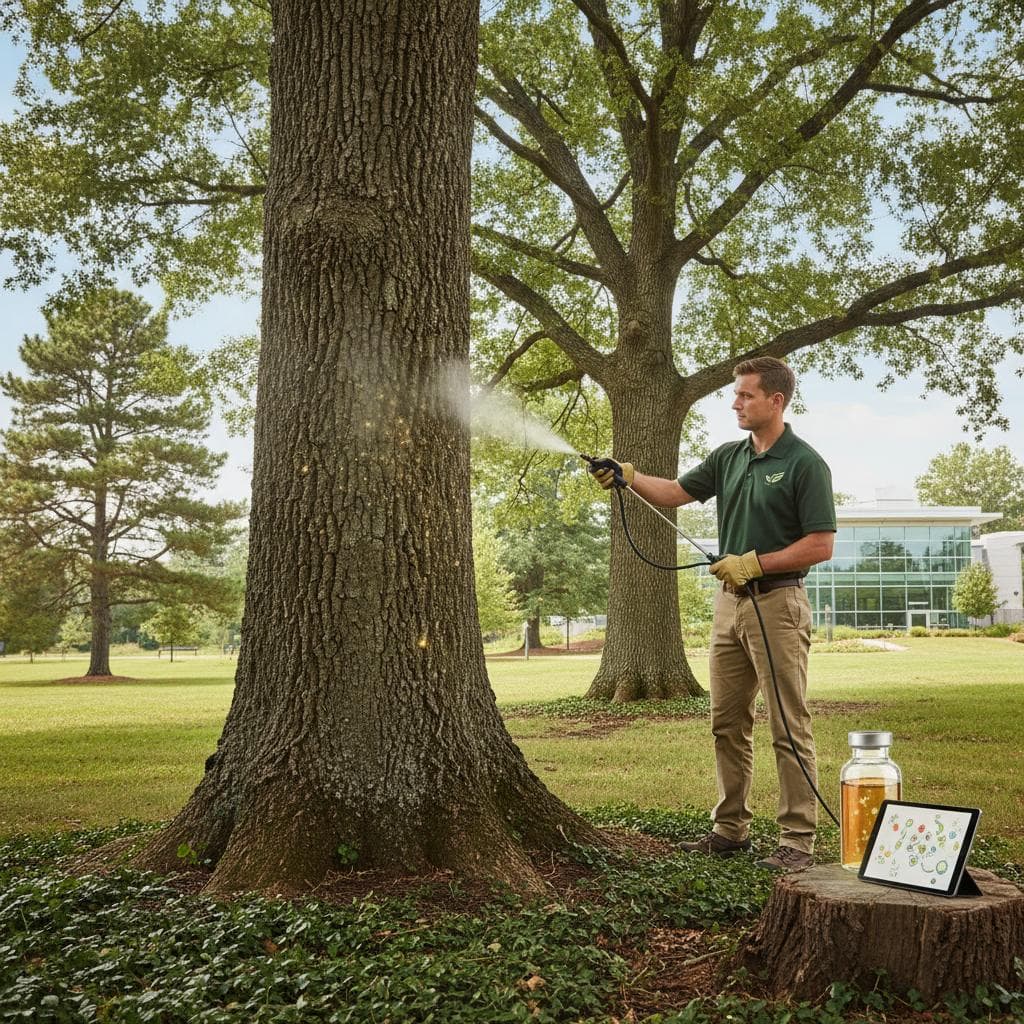
Bio-Fungicides Now Match Chemical Treatment Results
Bio-fungicides replace harsh chemicals with living, eco-friendly solutions that strengthen natural tree defenses and support long-term soil health.
Loading...

Bio-fungicides replace harsh chemicals with living, eco-friendly solutions that strengthen natural tree defenses and support long-term soil health.
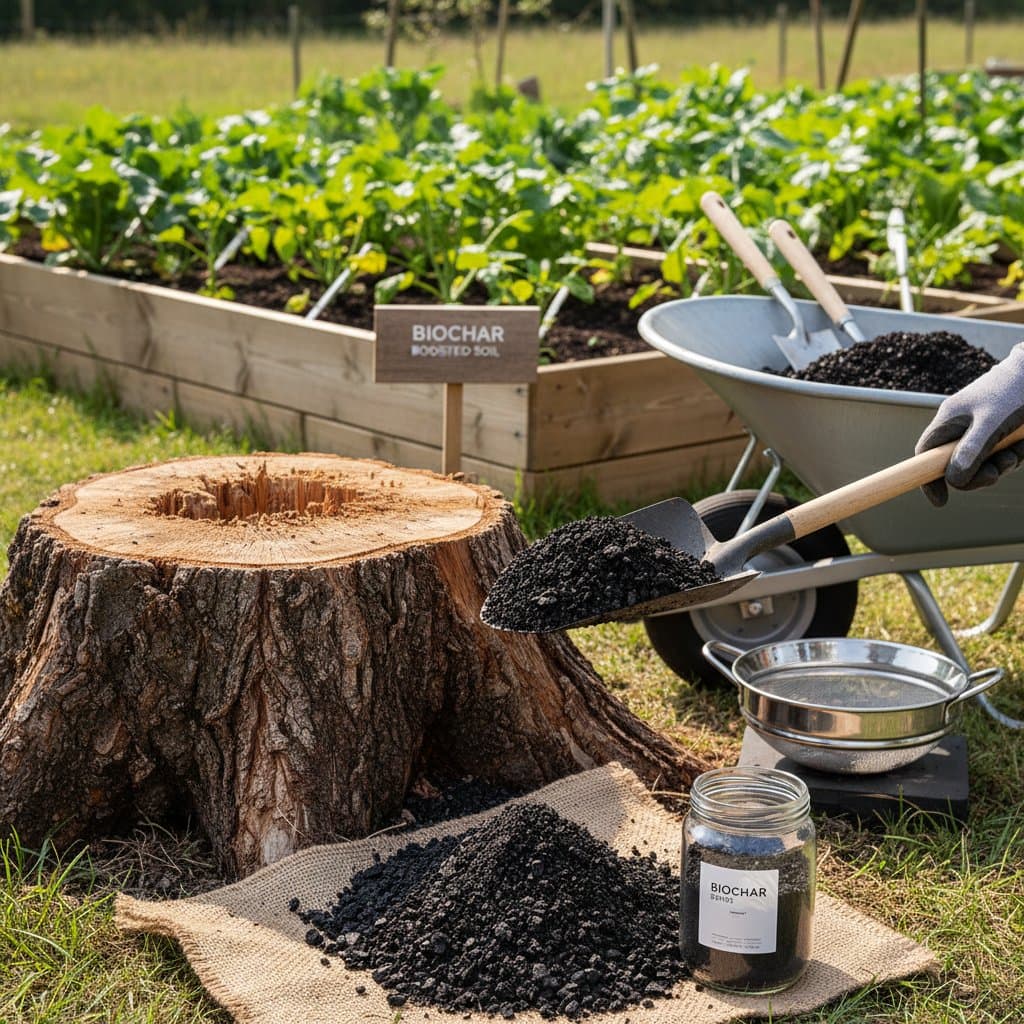
Transform stump waste into biochar that enriches garden soil and reduces disposal needs. Review costs, production methods, and actionable steps for creating a stable soil amendment at home.
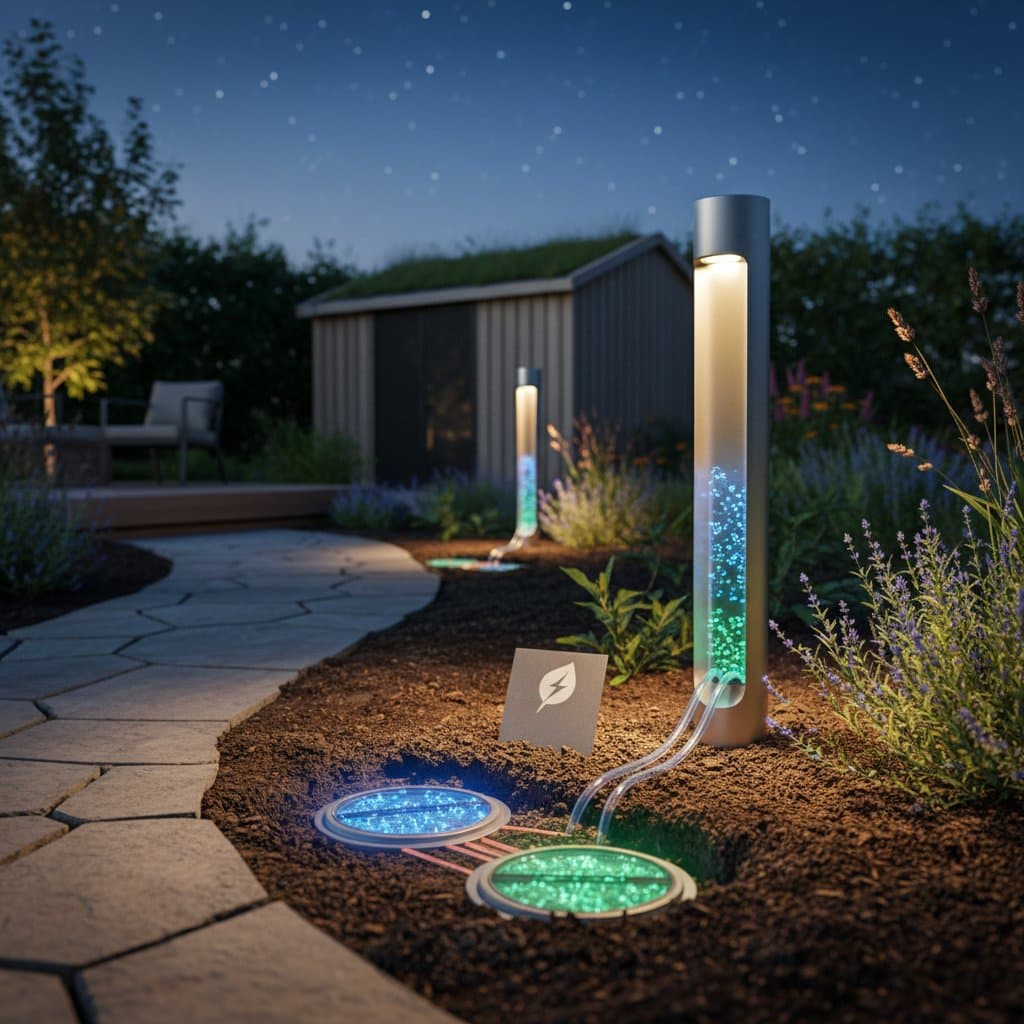
Soil battery technology converts natural soil chemistry into steady electricity for landscape lighting. The system operates without sunlight or grid connection, offering a reliable and sustainable option for outdoor illumination.
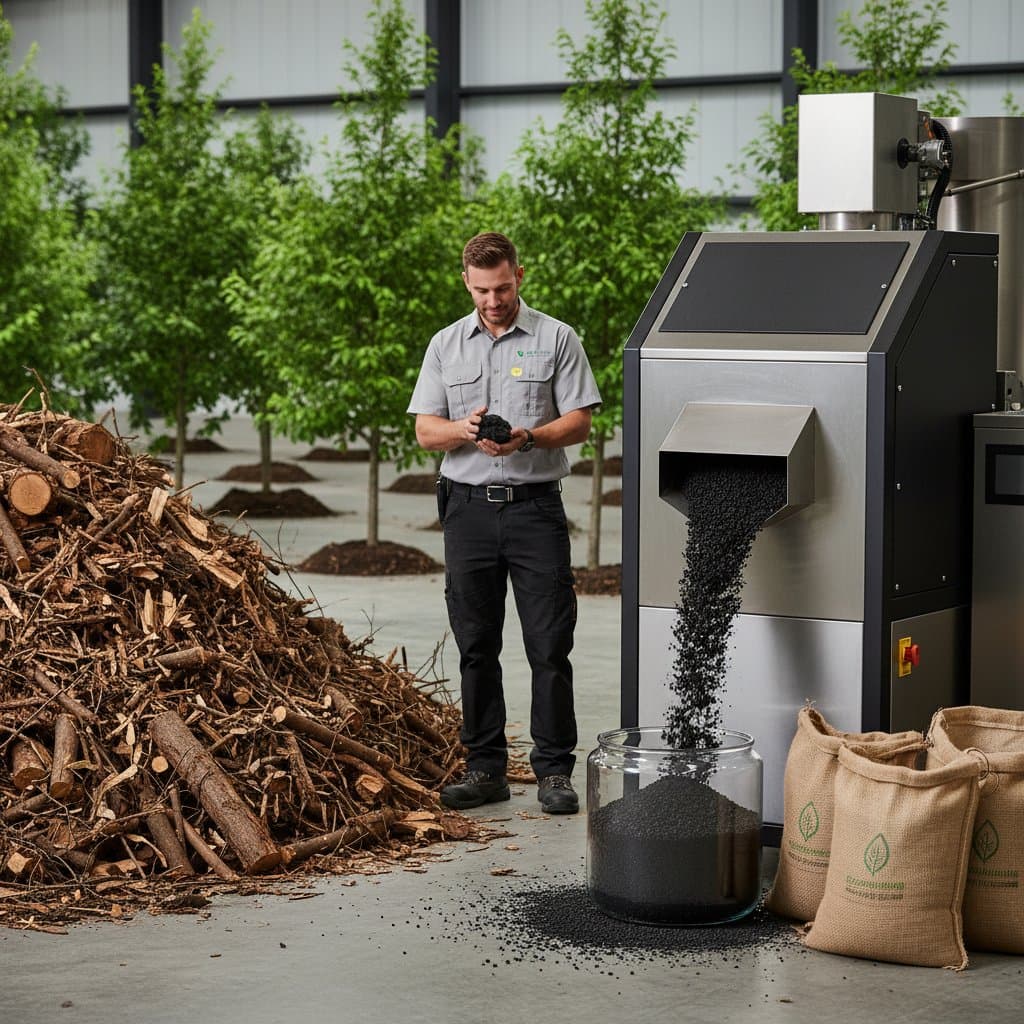
Transforming tree waste into biochar turns disposal expenses into revenue while improving soil health and storing carbon. This guide covers costs, kiln options, and clear production steps for homeowners and professionals.
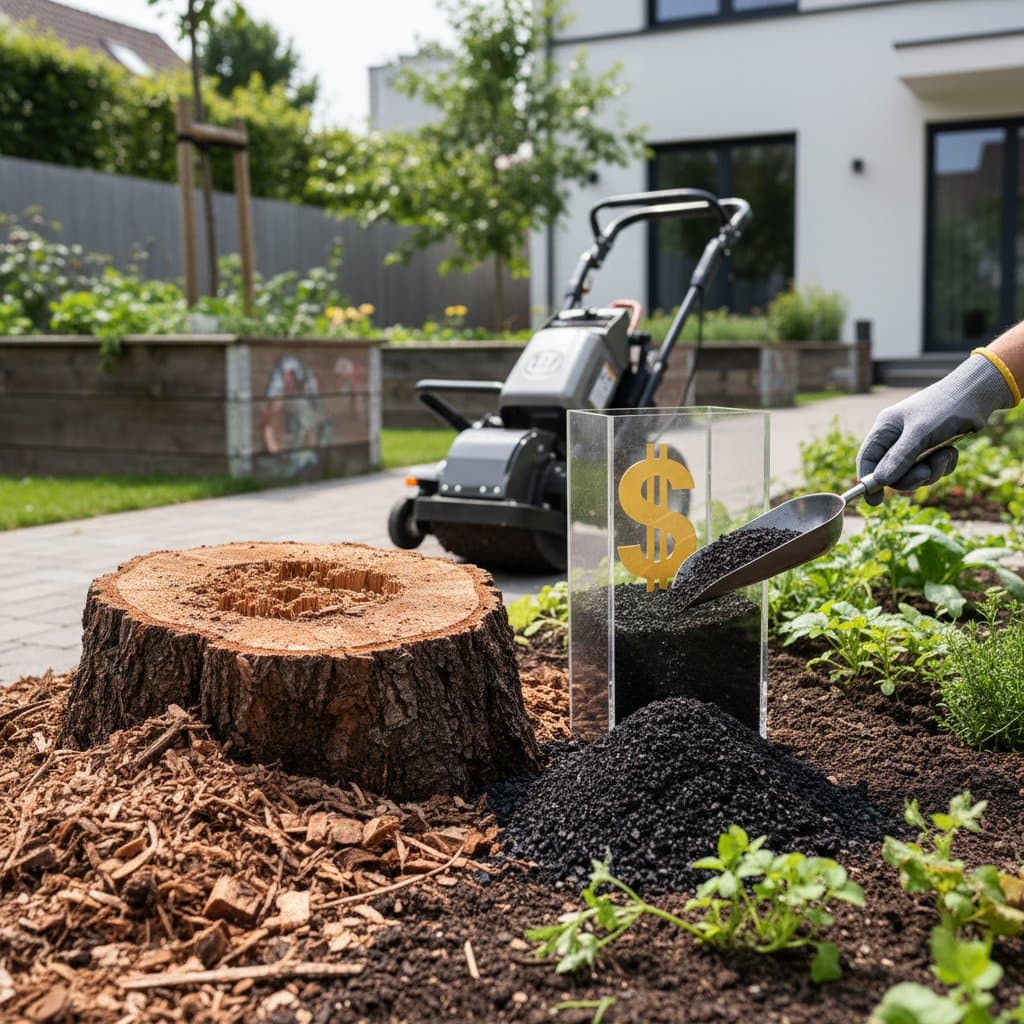
Old tree stumps can become a carbon-rich soil amendment worth up to $500 per cubic yard. Discover how biochar conversion transforms waste into a practical resource that builds healthier gardens and supports sustainable practices.
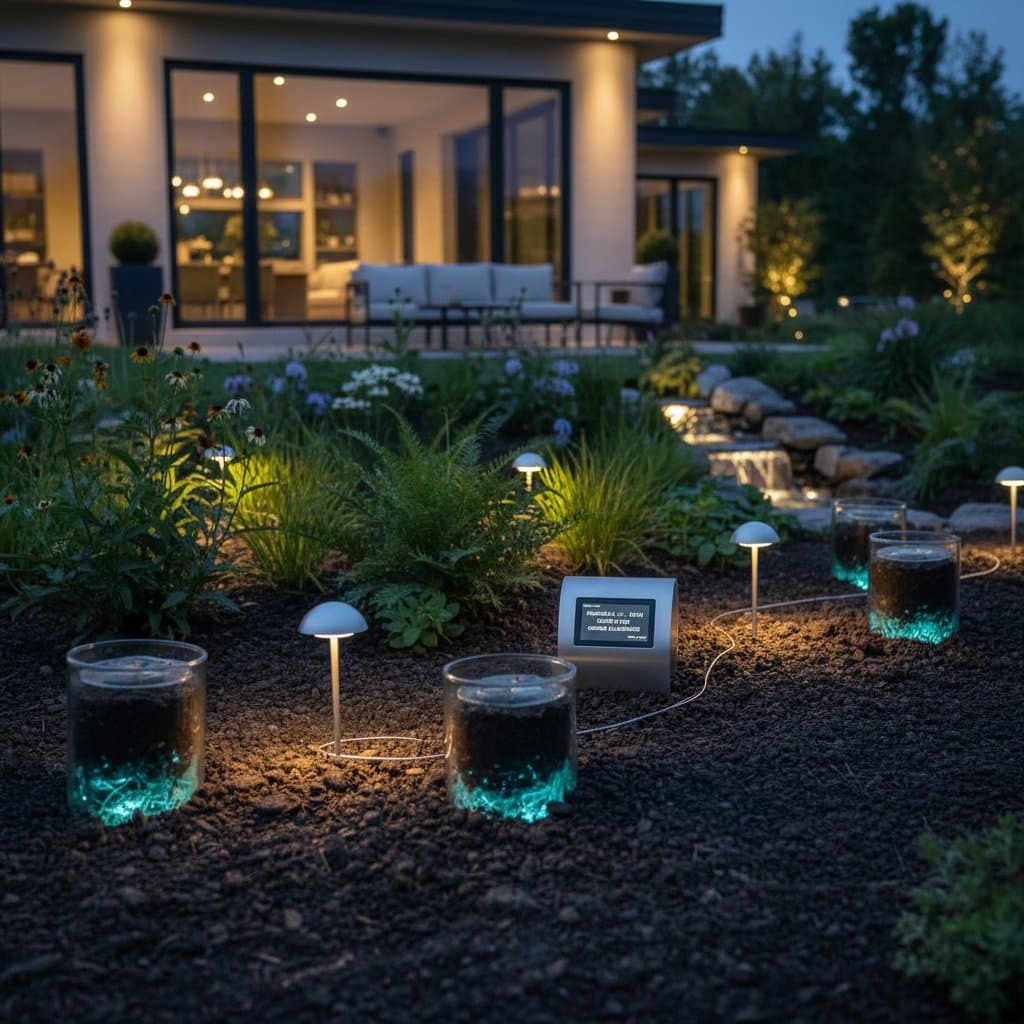
Microbial soil batteries are transforming sustainable landscapes by producing clean energy from natural soil processes. This guide covers their operation, advantages, installation techniques, and strategies for seamless integration into gardens and outdoor spaces.
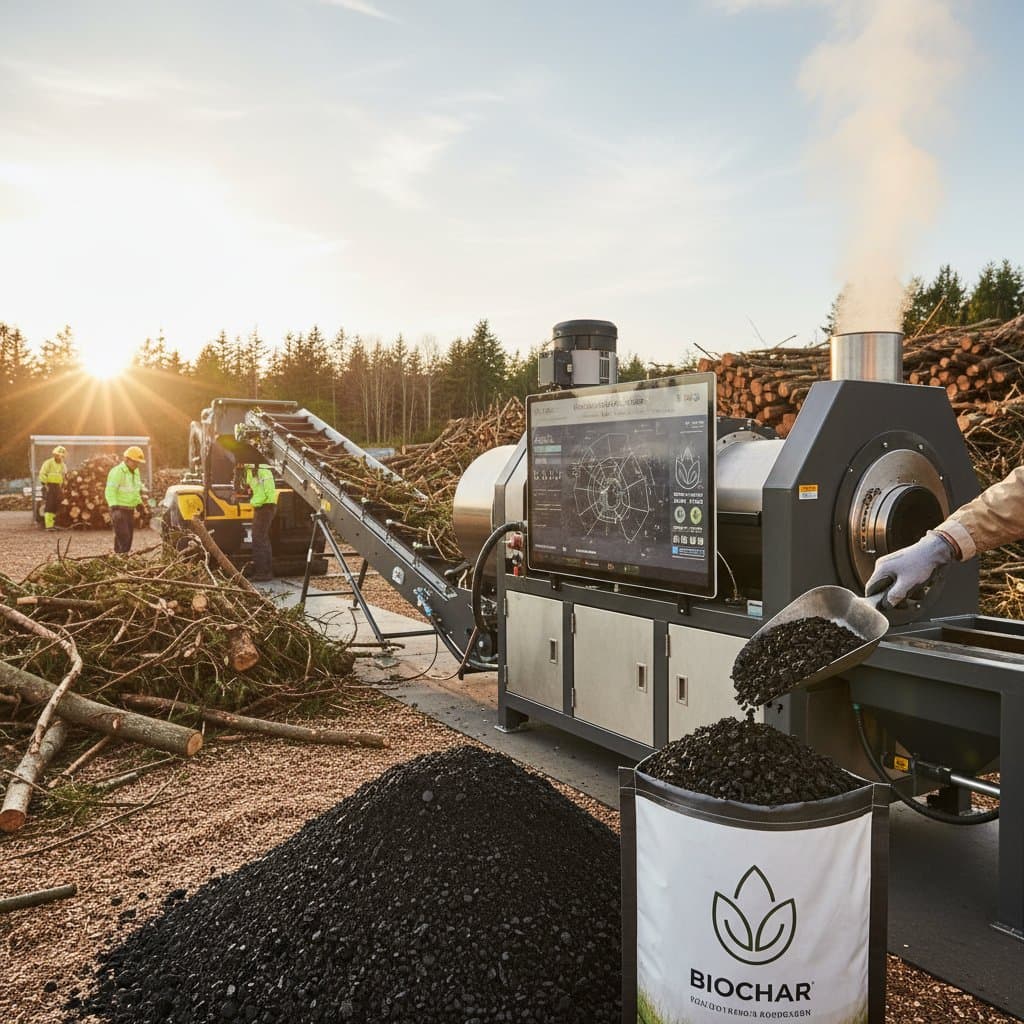
Convert tree waste into a revenue source through biochar production, an sustainable method that eliminates disposal expenses and creates valuable soil amendments. This guide covers techniques from basic kilns to advanced pyrolysis, projected 2026 costs, and ways for individuals and businesses to reduce emissions while accessing the expanding carbon removal sector.
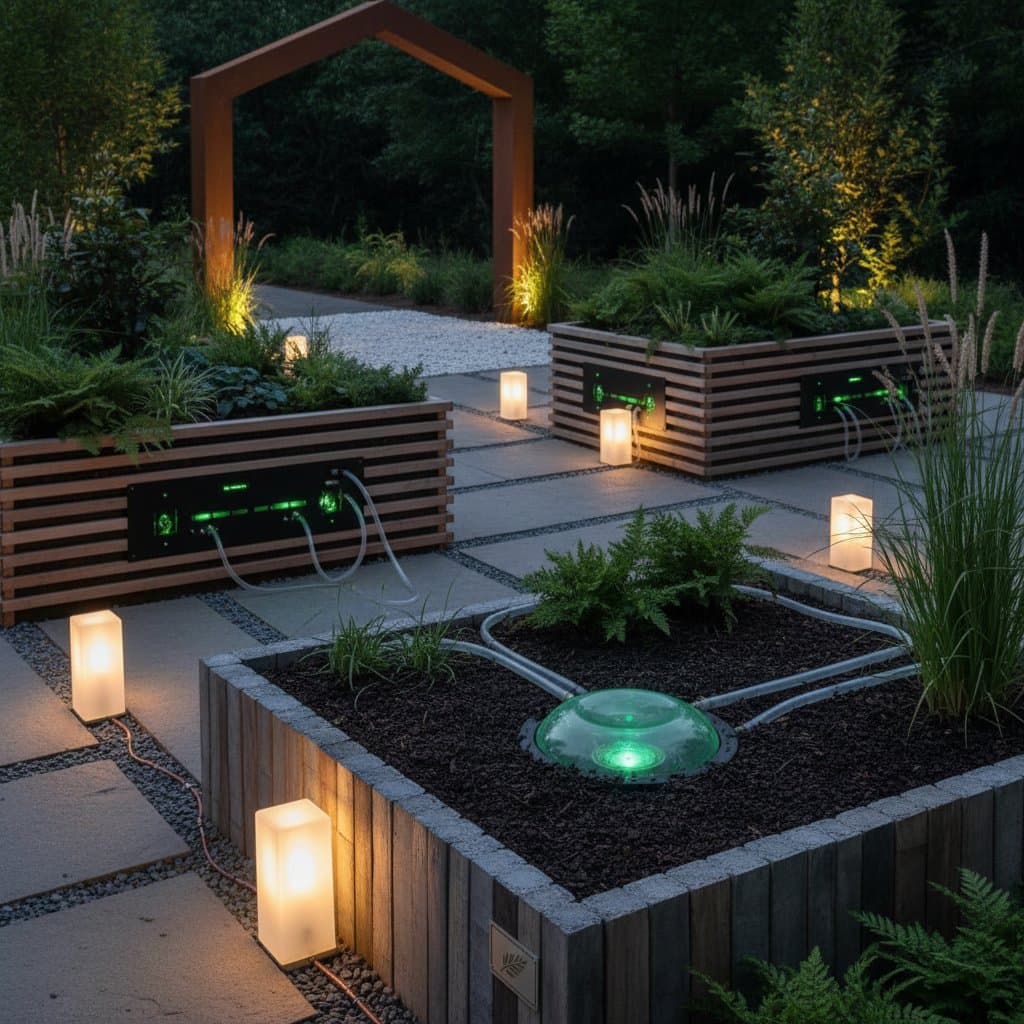
In 2026, soil batteries harness microbial power from soil to light landscapes sustainably. This guide covers system costs, types, DIY tips, professional installation, and maintenance for off-grid garden illumination.
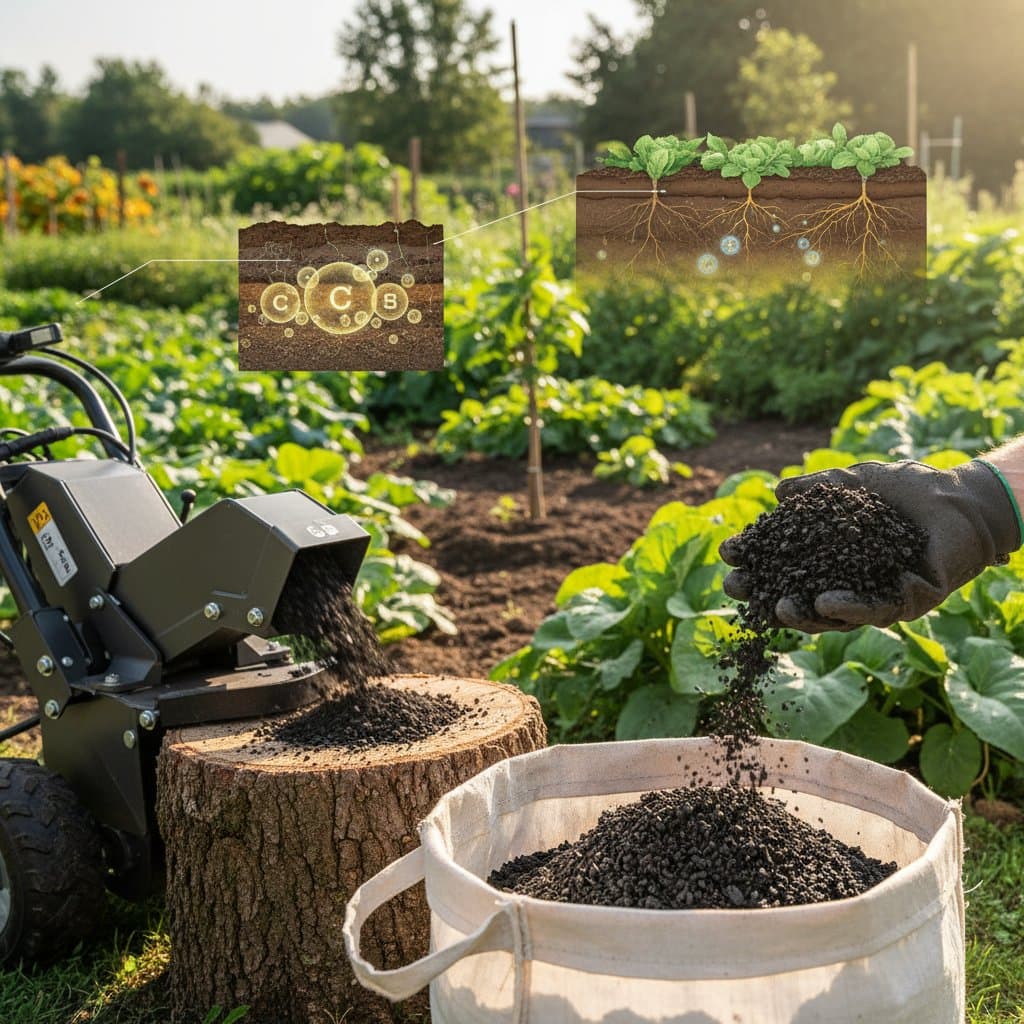
Learn how biochar stump grinding converts tree stumps into a durable soil enhancer that improves fertility, sequesters carbon, and advances sustainable landscaping. This guide covers the pyrolysis science, cost factors, DIY versus professional options, and practical benefits for your garden and environment.

Tree stumps represent more than disposal challenges; they offer a pathway to profit. Through pyrolysis, convert stump grindings into biochar, shifting from hauling costs to $200-per-ton earnings. This guide details the conversion process, required equipment, and market strategies to turn waste into a valuable, eco-friendly asset.

Unlock the potential of stump waste by transforming it into biochar, a powerhouse for soil health and carbon storage. This guide covers the step-by-step process, cost breakdowns, DIY options, and professional services to achieve sustainable landscaping gains.
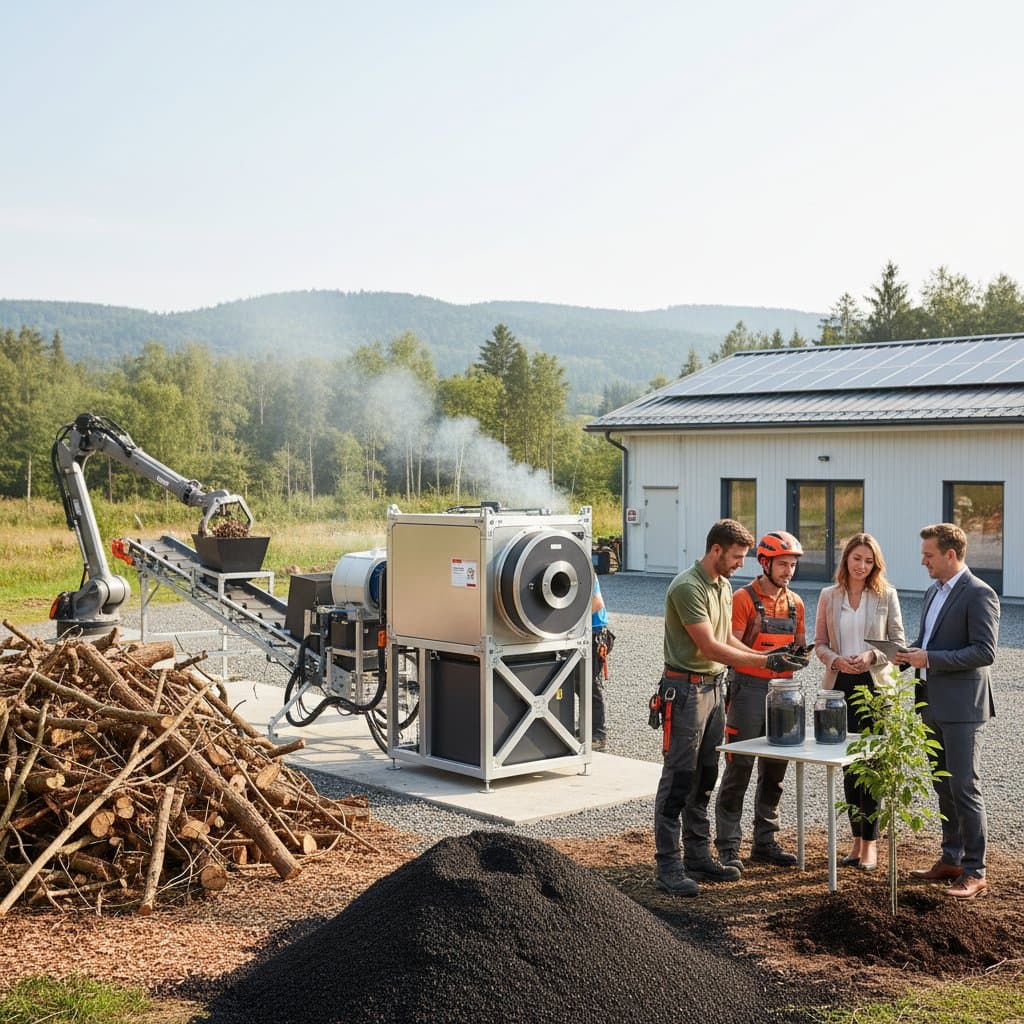
Tree waste evolves from burdensome debris into a valuable, eco-friendly asset via biochar production. This process turns branches and trunks into carbon-rich soil enhancers, cutting emissions and unlocking new income sources. Homeowners, arborists, and businesses can convert disposal issues into opportunities within the expanding biochar market of 2026.
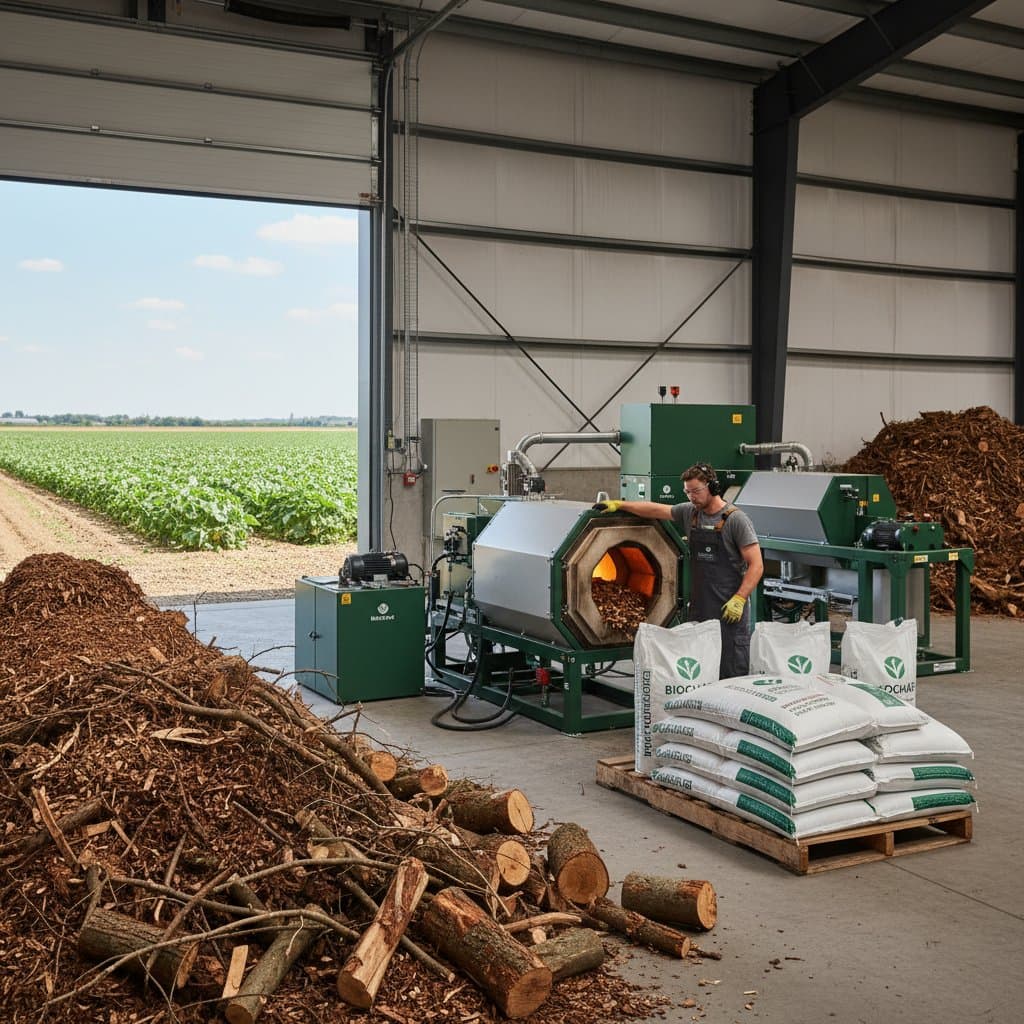
Arborists unlock profits through sustainability by transforming tree waste into biochar, a durable carbon-storing soil enhancer. With accessible equipment, zero raw material costs, and expanding demand, tree care firms convert expenses into income and lead in eco-practices by 2026.
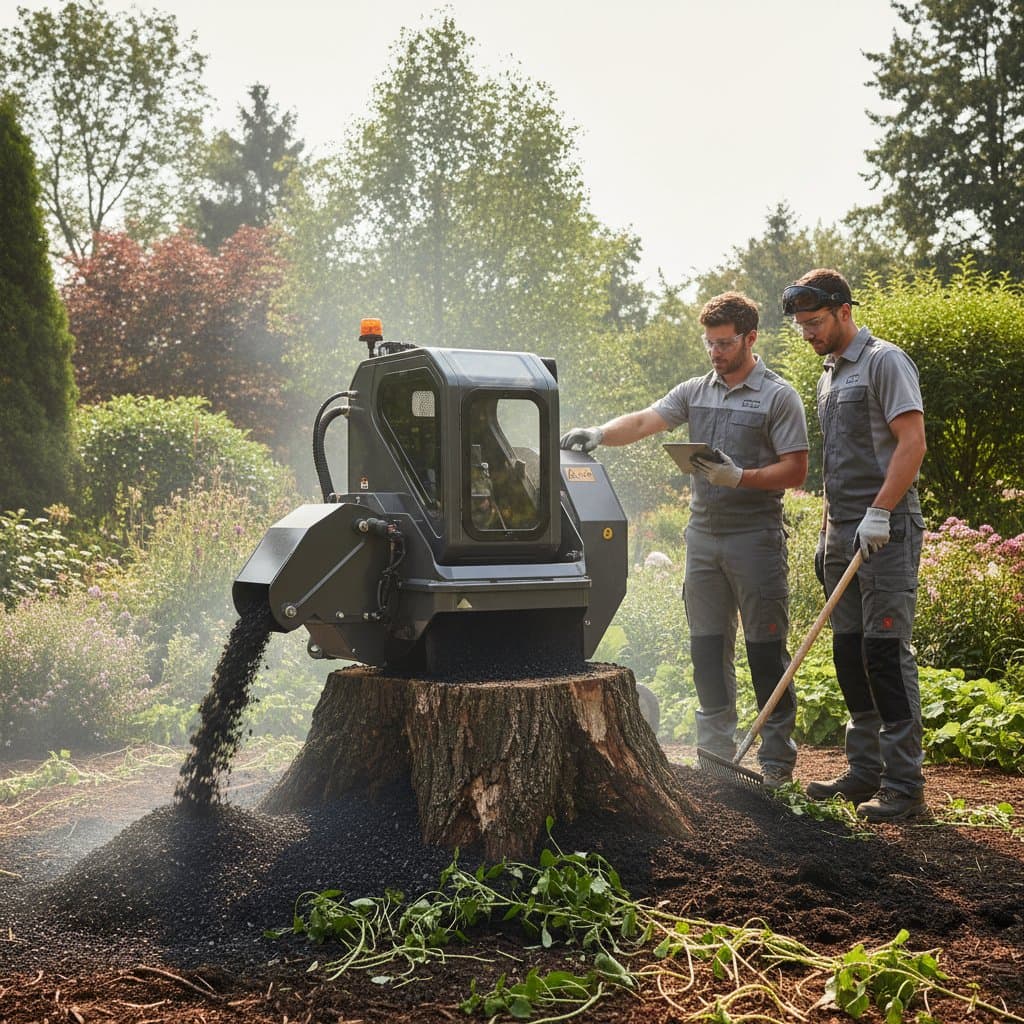
Convert stump removal into a soil enhancement strategy through biochar stump grinding. This method processes wood into carbon-rich biochar that boosts soil fertility, retains moisture, and sequesters carbon. Discover professional approaches, pricing details, and integration steps for a sustainable yard upgrade.
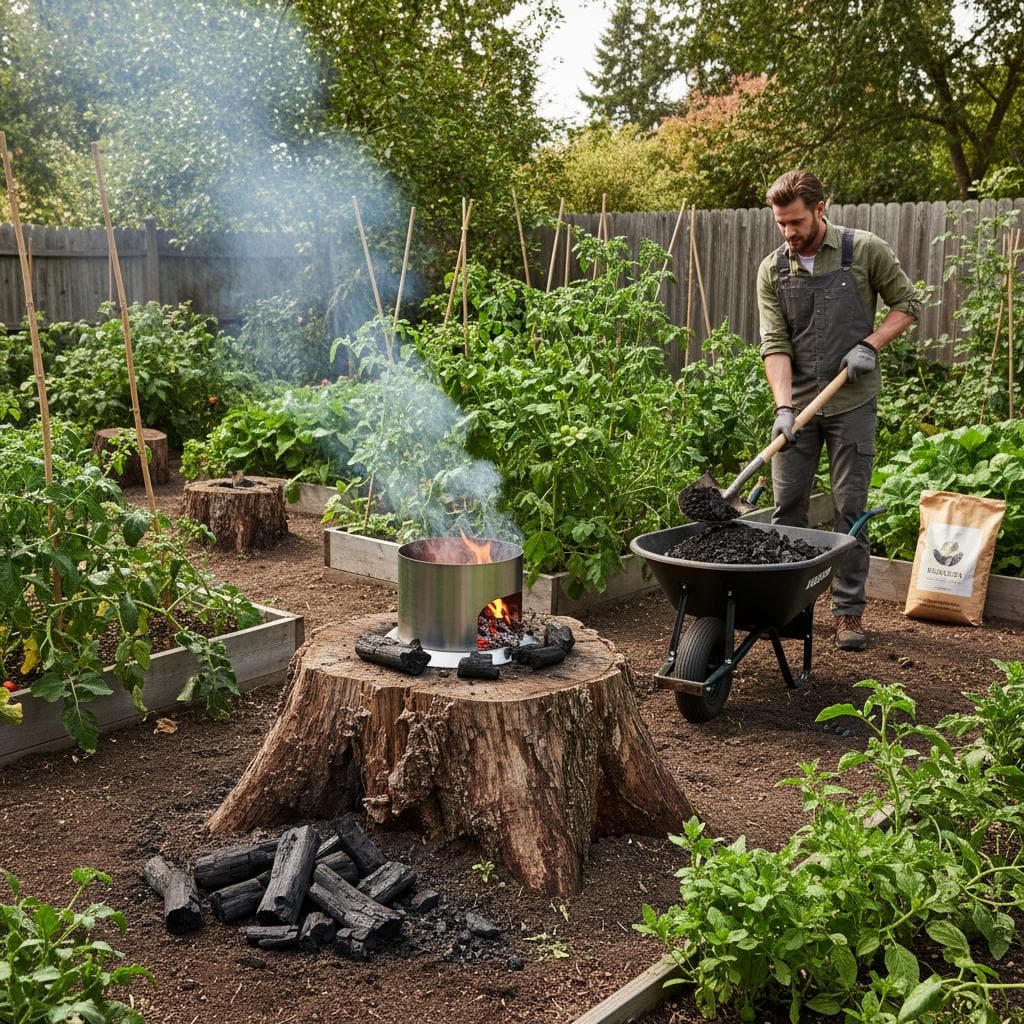
Convert tree stump waste into biochar, a durable soil enhancer that improves nutrient retention, water holding capacity, and carbon sequestration. This guide covers preparation, production steps, application methods, and benefits for long-term garden sustainability.

Soil microbiome testing slashes fertilizer needs by 50%, promoting plant vitality and sustainability. Analyze microbial nutrient cycles to avoid imbalances, cut costs, and foster healthier soils with this expert guide on methods, pricing, and implementation.

Biochar production revolutionizes tree waste management, reducing disposal costs by up to 60% and producing a carbon-sequestering soil amendment. This approach minimizes landfill dependency, emission outputs, and can yield revenue streams. Explore how individuals and communities leverage this method for eco-conscious, economical tree care by 2026.