
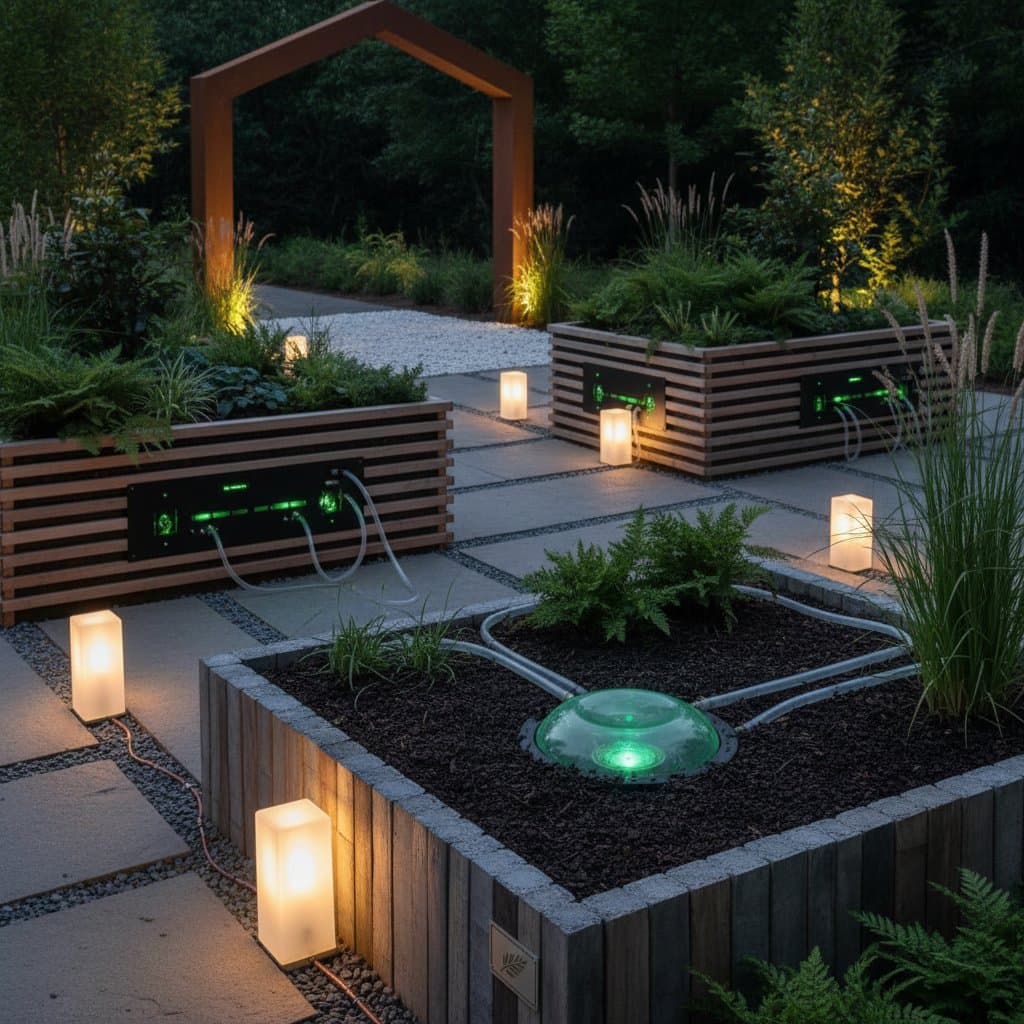
Sustainable Soil Batteries Illuminate Landscapes in 2026
Sustainable soil batteries transform outdoor illumination by tapping into the energysoil. This innovative technology harnesses microbial activity to power low-voltage landscape lighting, eliminating the need for grid electricity. Gardeners, park designers, and homeowners now have access to a renewable solution that blends natural processes with practical design. The following sections detail the mechanics of soil battery systems, associated expenses, installation methods, and strategies for integration into eco-conscious landscapes.
Soil Battery Costs
Soil battery lighting systems remain an emerging option, yet prices continue to decrease with technological improvements. Expenses vary based on installation scale, desired brightness levels, and existing soil quality.
National Average Costs
For a typical residential setup, anticipate expenditures comparable to mid-tier solar or low-voltage wired systems. Each light fixture, including setup and soil enhancements, might cost between $50 and $150. Expansive installations in public parks or large estates often multiply these figures due to expanded cabling and control mechanisms.
Costs by Project Scale
- Small Garden or Pathway: Four to six lights linked to a single micro soil battery unit generally range from $200 to $500 total.
- Medium Landscape: Projects covering 500 to 1,000 square feet align with costs of $800 to $2,000, mirroring advanced solar arrays.
- Large Outdoor Spaces: Extensive gardens or communal areas demand multiple soil cells and sensors, pushing totals to $3,000 or more.
Influential Cost Elements
- Soil Makeup: Fertile loamy soils with steady moisture yield optimal electricity. Amend sandy or clay soils with organic additives to boost performance.
- Fixture Selection: Energy-efficient LEDs minimize cell requirements; higher-wattage options necessitate additional units.
- Labor for Setup: Experts charge $500 to $1,500 for precise electrode positioning and moisture calibration.
- Ongoing Upkeep: Budget $50 annually for soil checks and electrode inspections.
- Regional Climate: Humid areas ensure reliable output; drier zones may incur extra irrigation expenses.
Soil Battery System Varieties
Several configurations of soil batteries adapt to diverse environments and objectives. Each leverages microbial processes uniquely to deliver tailored benefits.
Microbial Fuel Cell Systems
These units employ soil-dwelling bacteria to transform organic compounds into electrical current. The resulting flow suits subtle lighting needs.
Advantages:
- Fully renewable with no external fuel input
- Requires little intervention post-setup
- Leaves negligible ecological footprint
Disadvantages:
- Generates modest power levels
- Demands consistent hydration
- Output fluctuates with soil vitality
Hybrid Soil-Solar Configurations
Integrating microbial cells with compact solar collectors ensures steady performance across varying weather.
Advantages:
- Delivers power reliably in shade or rain
- Lessens reliance on any single source
- Prolongs overall system durability
Disadvantages:
- Elevates upfront investment by 20 to 30 percent
- Involves more intricate wiring
- Needs both solar exposure and microbial health
Modular Soil Battery Networks
Interlinked cells form a distributed grid, pooling energy for broader applications.
Advantages:
- Expands easily for expansive sites
- Provides backup through redundancy
- Pairs with automated controls for optimization
Disadvantages:
- Demands thorough groundwork
- Calls for regular energy balancing
- Suited primarily to fixed installations
DIY Installation Versus Professional Services
While self-installation appeals to hands-on individuals, mastering soil dynamics and power distribution proves essential for viability.
DIY Method:
- Benefits: Cuts initial expenses and builds practical knowledge.
- Drawbacks: Involves studying pH balances, hydration techniques, and secure wiring; errors risk inefficient output or breakdowns.
Professional Installation:
- Benefits: Specialists assess terrain, optimize placements, and merge with current setups like sprinklers.
- Drawbacks: Adds $1,000 or more in fees for skilled labor.
Suggested Path: Test DIY on modest plots like raised beds. Engage certified experts for comprehensive lighting arrays.
Installing a Soil Battery Lighting System
Effective deployment hinges on thorough site analysis, preparation, and vigilance. These steps guide the process toward reliable operation.
-
Assess the Location: Sample soil for composition, acidity, and wetness. Target loamy types rich in organics; steer clear of polluted or overly coarse grounds.
-
Plan the Configuration: Map fixture positions and cell linkages. Minimize cable lengths to preserve voltage.
-
Condition the Ground: Till dense spots and incorporate compost to foster bacteria. Aim for even dampness without saturation.
-
Place Electrodes: Position positive and negative plates 10 to 15 inches apart at 6 to 12 inches depth. Opt for durable stainless or carbon materials; secure leads with weatherproof joins.
-
Link Fixtures: Attach compatible low-voltage LEDs via insulated paths to shield from elements.
-
Track Performance: Gauge initial readings and tweak hydration. Microbial colonies mature over weeks, yielding steadier power.
Strategies for Enduring Performance
- Sustain Hydration: Apply mulch layers to retain soil dampness and support bacterial function.
- Skip Synthetic Additives: Organic amendments preserve microbial communities essential for generation.
- Aerate Periodically: Turn upper layers yearly to refresh oxygen flow and activity.
- Employ Automated Controls: Timers sync illumination with peak energy periods, avoiding depletion.
- Examine Components: Review connections and plates biannually for wear or settling.
Common Questions
How do soil batteries produce power?
Bacteria decompose organics, triggering electron transfers between electrodes to form a persistent low-level current ideal for LEDs.
Do these lights provide adequate outdoor brightness?
Proper setups deliver ample glow for paths and highlights. Reserve brighter applications for supplemented systems.
Will they function in arid regions?
Yes, with supplemental watering or mulching to mimic moist conditions and sustain microbes.
What is the lifespan of a soil battery?
Electrodes endure 5 to 10 years; healthy soil perpetuates generation without limit.
Are permits necessary?
Residential low-voltage units typically bypass regulations. Scale up for commercial projects and verify local codes.
Can integration occur with home automation?
Absolutely; compatible modules allow remote monitoring and scheduling for enhanced control.
Implementing Sustainable Illumination
Soil batteries advance eco-friendly outdoor aesthetics by fusing biology with engineering. They cut bills, emissions, and grid strain while nurturing site vitality.
Begin with a soil test kit to gauge suitability. Partner with a green design consultant to customize a setup that amplifies your space's allure and efficiency. This approach yields enduring, luminous landscapes that harmonize with nature.