
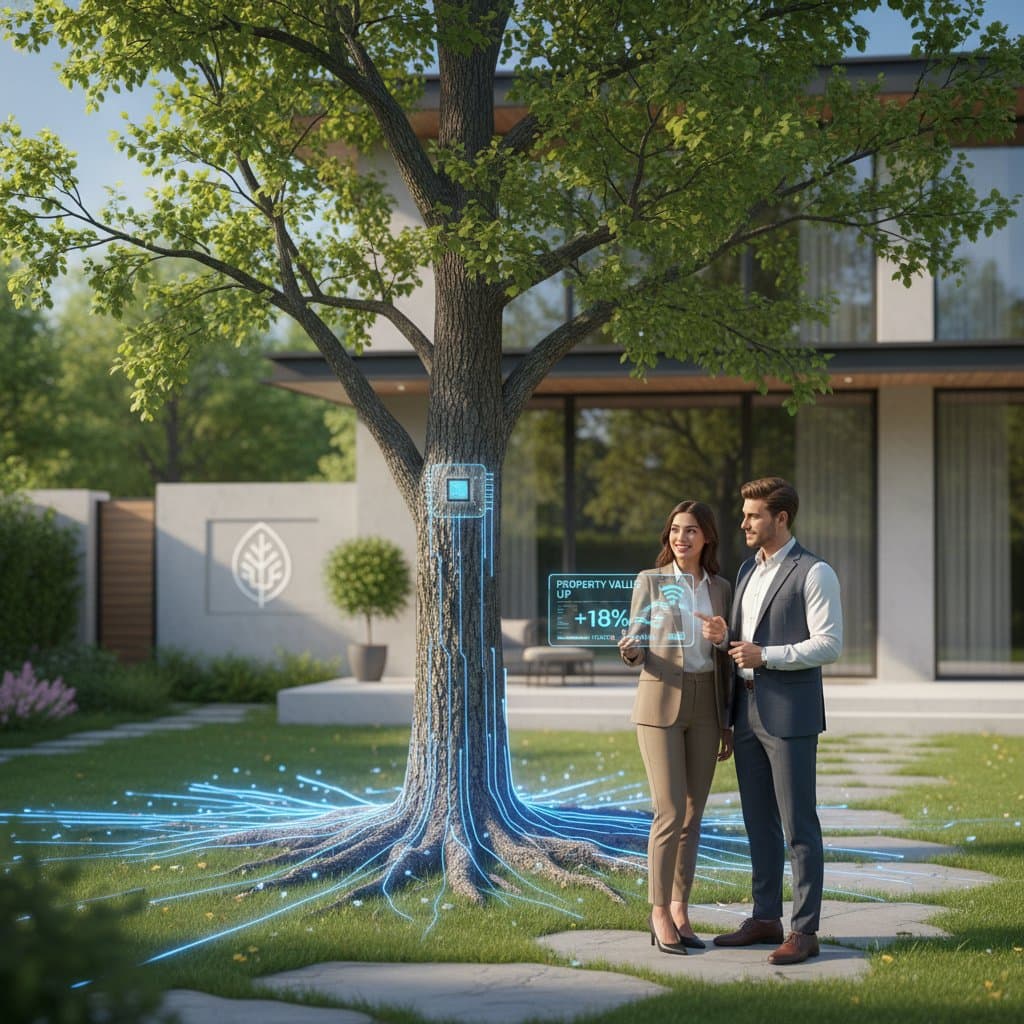
How Microchip Trees Boost Property Value by 18%
Microchip trees represent an innovative fusion of technology and landscaping that elevates property values by up to 18 percent. Homeowners gain access to documented tree health records, maintenance histories, and sustainability metrics, which appeal to appraisers and buyers alike. This guide explores the systems available, installation options, and practical steps to implement digital tree management effectively.
Cost Considerations
Several factors determine the expense of microchipping trees, ensuring investments align with property needs.
- Location: Urban settings typically incur higher labor fees due to accessibility challenges and regulatory requirements.
- Tree Value: Specimens that are rare, mature, or provide substantial shade warrant premium chips to safeguard their long-term viability and aesthetic contributions.
Initial costs range from $20 for basic identification chips to $150 or more for smart monitoring systems per tree, with professional installation adding $50 to $200 depending on complexity.
Types of Microchip Tree Systems
Microchip systems vary in functionality to suit different property goals, from simple tracking to comprehensive health oversight.
Basic Identification Chips
These devices embed a unique identifier connected to an online database. Property owners use them to document ownership, planting details, and species verification during sales or disputes.
Pros:
- Cost-effective with installation in under 10 minutes
- Supports accurate inventory for tax assessments and real estate listings
- Durable against environmental exposure, including extreme temperatures and moisture
Cons:
- Lacks live data feeds for proactive care
- Functions solely as a static identifier without expansion options
Smart Monitoring Chips
Advanced versions integrate sensors to track soil moisture levels, ambient temperature, and growth patterns. Information syncs to a secure dashboard or smartphone application for remote access.
Pros:
- Delivers real-time analytics to optimize watering and fertilization schedules
- Identifies potential threats like pests or nutrient deficiencies early
- Strengthens eco-friendly profiles for green certifications and market appeal
Cons:
- Involves initial fees plus annual subscriptions around $10 to $30 per tree
- Demands periodic adjustments to maintain sensor accuracy
Heritage and Asset Protection Chips
Tailored for established or culturally significant trees, these incorporate GPS tracking and security notifications. Estates and public spaces favor them for comprehensive asset management.
Pros:
- Deters unauthorized removal or alteration with instant alerts
- Supplies authenticated records that enhance appraisal valuations
- Facilitates streamlined claims processes with insurers
Cons:
- Involves intricate integration that may require specialized equipment
- Necessitates ongoing expert oversight to ensure reliability
DIY vs. Professional Installation
Tree microchipping requires careful execution to avoid biological harm, balancing convenience with expertise.
DIY Installation
Retail kits from nurseries or e-commerce sites provide tools, chips, and setup guides for independent use.
Advantages:
- Reduces expenses by eliminating service fees
- Suits small-scale projects on a handful of saplings
- Offers tutorials and support forums for guidance
Challenges:
- Improper depth or angle risks vascular damage and tree decline
- Provides minimal guarantees against malfunctions
- Restricts choices to entry-level technology
Professional Installation
Arborists and landscapers deliver certified services, incorporating microchipping into broader care plans.
Advantages:
- Ensures precise embedding that preserves tree integrity
- Unlocks premium features like integrated analytics platforms
- Covers setup, activation, follow-up checks, and extended warranties
Challenges:
- Elevates total costs through labor and expertise premiums
- Involves wait times during peak periods like spring planting seasons
Recommendation:
Opt for DIY with identification chips on juvenile trees if budget constraints apply. Engage professionals for established specimens, high-stakes varieties, or systems with monitoring capabilities. The investment typically yields returns via enhanced vitality and elevated market positioning.
Step-by-Step Guide to Installing a Microchip Tree System
Follow these structured steps to integrate microchips seamlessly into your landscape.
-
Assess Your Trees: Evaluate candidates based on economic impact, such as fruit-bearing types, privacy screens, or energy-saving canopies that lower cooling bills.
-
Select the Appropriate Chip: Weigh objectives like basic logging versus dynamic oversight against financial limits and technical comfort.
-
Prepare the Insertion Site: Wipe the selected trunk section clean. Position it 18 to 24 inches above ground level, avoiding wounds or branches.
-
Embed the Chip: Employ the provided injector to place the device subdermally in the cambium layer. Advance slowly to secure it without penetrating deeper tissues.
-
Activate Registration: Access the provider's portal to log tree specifics, including botanical name, estimated age, geographic coordinates, and baseline condition.
-
Establish Monitoring Routines: Configure app notifications for sensor-equipped models to flag irrigation cues, developmental milestones, or infestation risks. Conduct annual verifications for passive units.
Strategies for Effective Implementation and Upkeep
Maximize system performance through proactive practices.
-
Incorporate at Planting: Embed chips during initial establishment to minimize disruption and integrate data from the outset.
-
Prioritize Reputable Products: Select certified manufacturers offering encrypted protocols to prevent data breaches or hardware failures.
-
Integrate with Routine Care: Leverage insights for targeted interventions, such as pH-balanced amendments or pest barriers.
-
Secure Records: Maintain offline backups of profiles for quick reference in legal or financial contexts.
-
Perform Yearly Checks: Use handheld scanners during routine evaluations to validate signal strength and update information as needed.
Frequently Asked Questions
How Do Microchip Trees Enhance Property Value?
These systems furnish verifiable evidence of stewardship, including vitality assessments and care timelines. Such transparency signals diligence to evaluators, potentially lifting assessments by 18 percent in competitive markets.
Are Microchip Trees Environmentally Sound?
Affirmative. Components consist of biocompatible materials encased to prevent contamination. They foster conservation by enabling precise interventions that extend tree lifespans and reduce resource waste.
Is Microchipping Feasible for Mature Trees?
Yes. Trained specialists create minimal incisions that heal rapidly, preserving structural health. Established trees derive amplified advantages from protected status and quantified contributions.
Do Permits Apply to Microchipping Trees?
Generally, residential installations proceed without approvals. Local ordinances or community guidelines might mandate disclosure for designated heritage sites or communal greenspaces.
What Is the Lifespan of Tree Microchips?
Passive models operate indefinitely without energy needs. Active sensor variants endure 5 to 10 years, with modular replacements for power sources ensuring continuity.
Can Microchips Support Insurance Processes?
Certainly. Embedded logs establish pre-event conditions and provenance, streamlining reimbursements for weather-related losses or deliberate harm.
Advancing Your Landscape with Technology
Microchip integration marks a progression in precise, informed arboriculture that safeguards assets and promotes ecological balance. Homeowners secure competitive edges through auditable inventories that resonate with discerning purchasers and stakeholders.
Initiate with priority assets like foundational shade providers or ornamental focal points, scaling as benefits materialize. Collaborate with accredited specialists versed in digital enhancements to align selections with site-specific demands.
Communities increasingly value traceable urban canopies, transforming documented landscapes into premium features. Embracing this approach fortifies resilience, amplifies allure, and delivers enduring fiscal gains.
Next Action: Schedule a consultation with a qualified tree service to assess compatibility and outline a tailored rollout plan.