
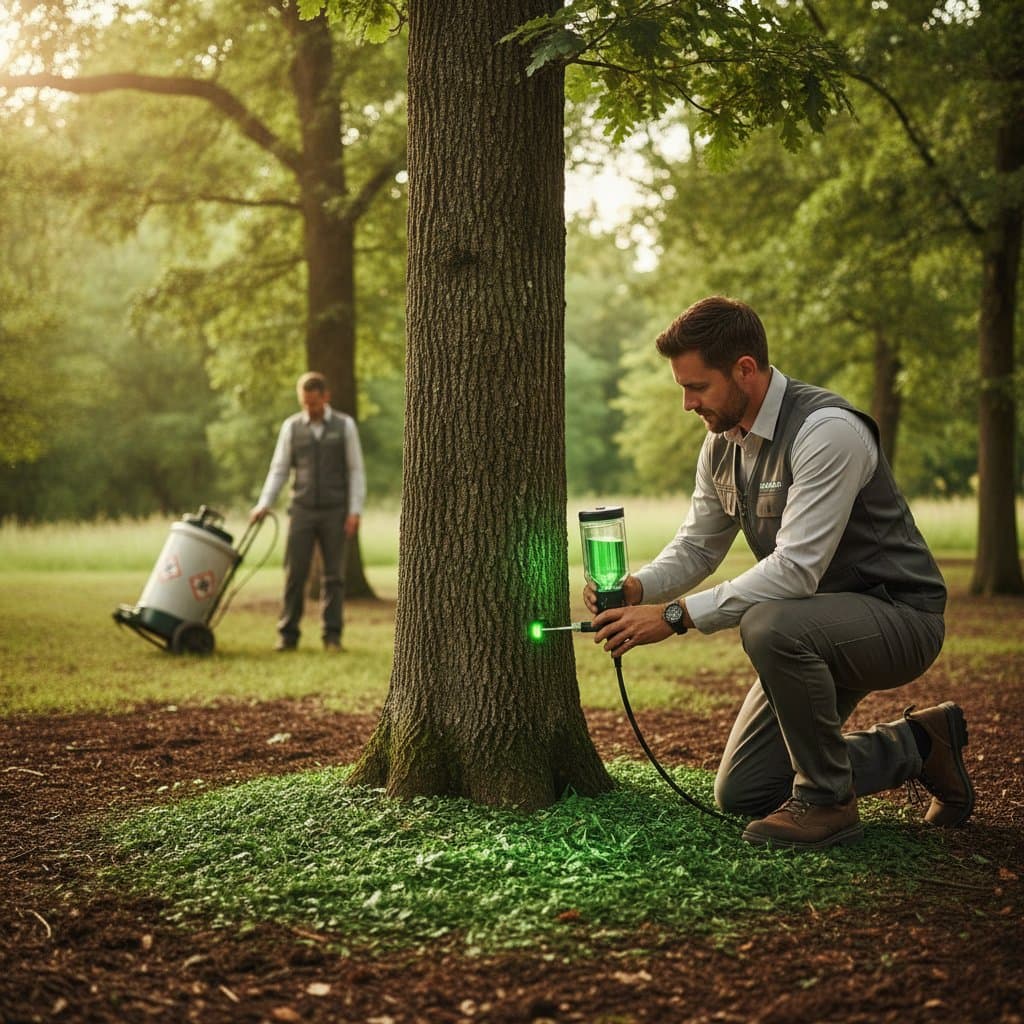
Why Bio-Fungicides Are Booming in Tree Care for 2026
Bio-fungicides are quickly becoming one of the most trusted tools in modern tree care. They offer homeowners and arborists a safer, more sustainable way to manage tree diseases without relying on harsh synthetic chemicals. The growing popularity of these organic treatments reflects a broader shift toward eco-friendly tree maintenance that protects both the environment and long-term tree health.
Homeowners are turning to bio-fungicides because they reduce chemical exposure, improve soil biology, and help trees build natural resistance to disease. From large oaks to ornamental maples, these treatments are proving to be a game changer for anyone who values healthy, resilient landscapes.
Understanding Bio-Fungicides and How They Work
A bio-fungicide is a treatment made from naturally occurring organisms such as beneficial bacteria, fungi, or plant extracts. Unlike chemical fungicides that kill pathogens directly, bio-fungicides work by outcompeting or inhibiting harmful fungi through biological interactions. They create a protective barrier around roots and tree tissues, promoting balance in the soil ecosystem.
Common active ingredients include Trichoderma species, Bacillus subtilis, and Pseudomonas fluorescens. These microbes colonize root zones and leaf surfaces where they produce enzymes and metabolites that suppress disease-causing fungi. Over time, they help rebuild soil health and improve a tree ability to resist infection naturally.
Key Factors Driving the Bio-Fungicide Boom
Several trends explain why bio-fungicides are gaining traction among tree care professionals and homeowners alike.
- Environmental awareness: More people are seeking ways to care for their trees without harming pollinators, pets, or surrounding vegetation.
- Regulatory restrictions: Many municipalities now limit or discourage the use of certain chemical fungicides, creating demand for safer alternatives.
- Soil health focus: Arborists increasingly recognize that a thriving soil microbiome is essential for disease prevention and nutrient uptake.
- Long-term efficiency: Bio-fungicides often enhance the tree natural defenses, reducing the need for repeated chemical treatments over time.
These factors combine to make bio-fungicides an appealing choice for sustainable, responsible tree care.
Common Tree Diseases Treated with Bio-Fungicides
Bio-fungicides can help manage many of the most persistent fungal diseases affecting landscape trees. Some of the most common include:
- Root rot caused by Phytophthora species, which thrive in poorly drained soil.
- Leaf spot and anthracnose, which appear as dark lesions or blotches on leaves during humid weather.
- Powdery mildew, a white or gray coating that weakens foliage and reduces photosynthesis.
- Canker diseases, which attack bark and cambium layers, leading to dieback.
While bio-fungicides may not eliminate severe infections instantly, they can significantly slow disease progression and promote recovery when combined with proper pruning, watering, and soil care.
The Tree Injection Method for Bio-Fungicide Application
Tree injection is one of the most efficient ways to deliver bio-fungicides directly into a tree vascular system. This method ensures that beneficial microbes reach internal tissues where surface sprays or soil drenches might struggle to penetrate.
The process typically involves:
- A certified arborist drilling small, precise holes near the tree root flare.
- Inserting injection ports and connecting a pressurized applicator.
- Delivering a measured dose of bio-fungicide solution directly into the xylem.
- Sealing the ports to allow the treatment to circulate naturally through the tree.
This precise technique minimizes product waste, avoids runoff, and provides consistent protection throughout the canopy. It is especially effective for large trees or those growing in compacted urban environments where soil health is already compromised.
DIY vs. Hiring a Professional Arborist
Some bio-fungicide products are available for homeowner use, particularly as soil drenches or foliar sprays. These can work well for small ornamental trees or shrubs if directions are followed carefully. However, for mature shade trees or serious fungal outbreaks, professional application is strongly recommended.
A certified arborist has specialized equipment for tree injection and understands proper dosages for different species. They can also identify whether a tree symptoms are caused by fungal pathogens or by environmental stress such as drought or root damage. Investing in expert service ensures accurate diagnosis, safer handling, and better long-term results.
How to Choose a Qualified Tree Specialist
When selecting a tree care professional to apply bio-fungicides, look for the following credentials and qualities:
- Certification through a recognized arboricultural organization.
- Experience with organic and biological treatments, not just chemical sprays.
- Clear communication about treatment goals, pricing, and expected results.
- References or reviews from previous clients who received similar services.
FAQ
Are bio-fungicides safe for pets and children?
Yes. Most bio-fungicides contain naturally occurring microorganisms that are non-toxic to humans, animals, and beneficial insects when used correctly.
How long does a bio-fungicide treatment last?
Protection typically lasts several months, but the duration depends on the product, tree species, and environmental conditions. Regular reapplication may be needed for ongoing defense.
Can bio-fungicides cure existing fungal infections?
They can suppress active fungi and help trees recover, but severe infections may still require pruning or other management techniques.
Will bio-fungicides replace chemical fungicides completely?
Probably not. In some cases, integrated management that combines biological and chemical tools is the most effective approach.
Do bio-fungicides work on all tree species?
Most are suitable for a wide range of trees, but certain species or diseases may respond better to specific microbial strains. A professional can recommend the right option.
Applying Bio-Fungicides Effectively in Your Landscape
The rise of bio-fungicides reflects a major shift in how homeowners and professionals approach plant health. These organic treatments support stronger trees, safer landscapes, and cleaner ecosystems.