
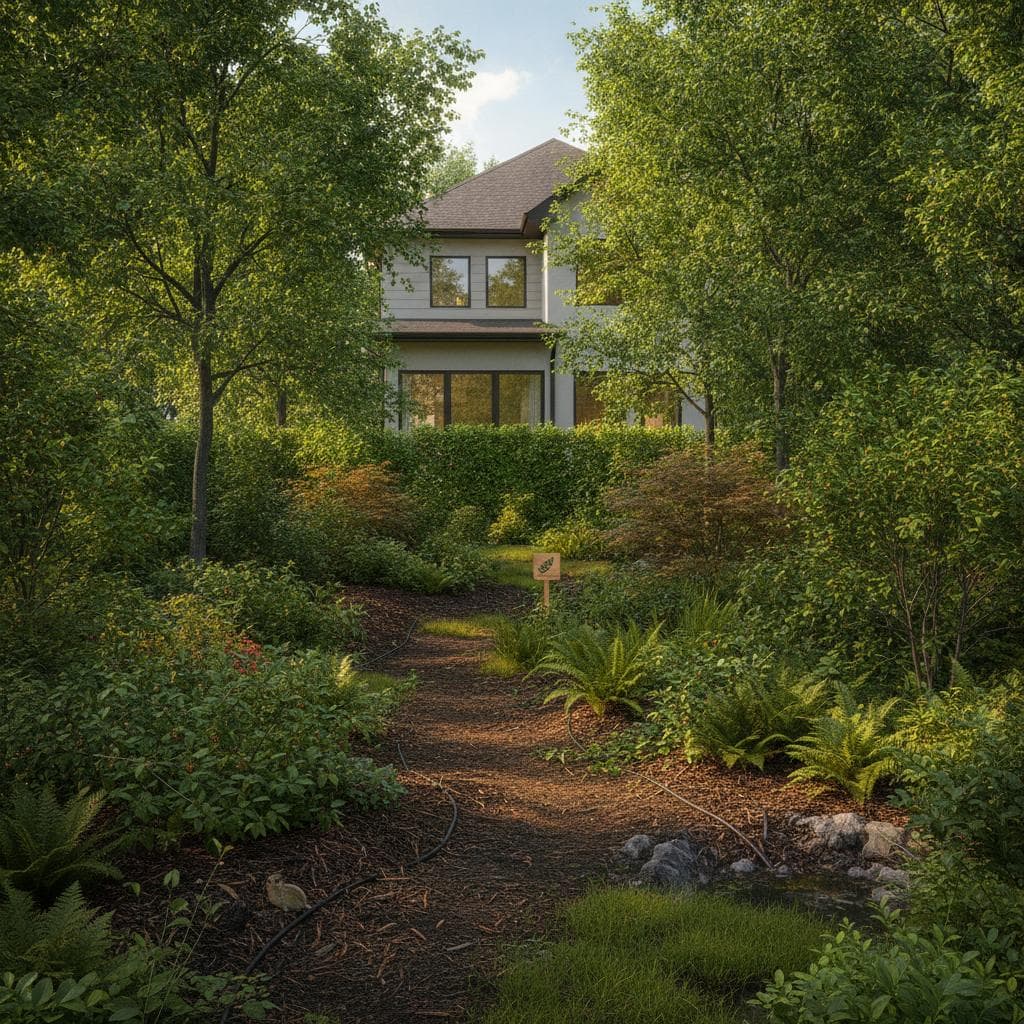
Can Micro Forests Double Suburban Plant Growth?
Micro forests offer suburban homeowners a practical way to increase plant density and ecological function on small lots. The Miyawaki method creates layered native plantings that mature faster than traditional landscaping when soil, species, and maintenance align. Results depend on careful planning rather than guaranteed outcomes.
What Defines a Micro Forest
A micro forest packs multiple vegetation layers into a compact space. Tall canopy trees, understory trees, shrubs, and ground covers grow together to mimic natural woodland edges. These plantings fit into areas ranging from a few hundred square feet to several thousand.
Botanist Akira Miyawaki developed this approach around native species, intensive soil work, close spacing, and early care. Young plants compete for light, which drives upward growth while varied heights create shelter for birds, insects, and small mammals.
How Micro Forests Differ from Standard Suburban Yards
Most suburban landscapes feature widely spaced trees and large lawn areas. Micro forests use the same ground more intensively by adding multiple plant layers instead of single canopy trees or turf.
A well-planned micro forest delivers several practical benefits:
- Shade for paths, patios, and building walls
- Improved stormwater absorption during heavy rain
- Cooler soil temperatures and reduced surface heat
- Food and shelter for pollinators and birds
- Natural privacy screening without solid fences
- Seasonal visual interest through varied plant heights
Dense planting still requires thoughtful layout. Roots need adequate soil volume, and mature trees must stay clear of utility lines, foundations, and overhead structures.
Site Preparation Sets the Foundation
Soil improvement forms the core of the Miyawaki method. Suburban soil often contains construction debris, poor drainage, or minimal organic matter. Testing before planting reveals texture, drainage patterns, and nutrient levels.
A systematic preparation process includes these steps:
- Clear invasive plants, turf, and debris from the site
- Test soil conditions and identify amendment needs
- Loosen compacted soil to the required depth
- Incorporate organic material gradually to avoid creating barriers
- Set up irrigation where rainfall proves unreliable
- Apply mulch while keeping it away from tree trunks
Drainage matters throughout the process. Waterlogged soil suffocates roots, while sandy soil requires more frequent watering during establishment.
Selecting Appropriate Species
Native plants provide the strongest foundation because they match local climate conditions and support regional wildlife. A certified arborist can match mature tree size to available space and identify species that handle shade, drought, wet soil, or urban conditions.
A balanced plant selection typically includes:
- Canopy trees such as oak, maple, or native pine
- Understory trees such as dogwood or serviceberry
- Shrubs that offer berries, flowers, or nesting sites
- Ground covers that prevent soil erosion
Avoid aggressive or poorly suited species in confined spaces. Fast growth becomes problematic when roots damage pavement, branches crowd structures, or mature canopies require constant pruning.
Establishment Period Care
Micro forests need active maintenance during the first several growing seasons. Regular watering, weed control, mulch monitoring, and pest inspections prevent decline. Water slowly and deeply so moisture reaches root zones rather than running across compacted surfaces.
Monitor these warning signs during establishment:
- Wilting during mild weather conditions
- Brown leaf edges or early leaf drop
- Exposed roots after heavy rainfall
- Soil that stays saturated for extended periods
- Competing vines or invasive weed growth
- Broken branches or unstable young trees
Structural pruning should address dead limbs and clearance issues. Avoid heavy pruning while trees develop their crowns.
Professional Installation Considerations
Small micro forests suit skilled homeowners, but preparation demands increase with site size. Digging, soil transport, plant handling, irrigation setup, and species identification require time and physical effort.
Consider hiring qualified professionals when projects involve mature trees, steep terrain, drainage challenges, utility conflicts, or large soil quantities. A certified arborist can evaluate existing trees and design layouts that protect their root systems.
Request these items from potential contractors:
- Proof of liability and workers' compensation insurance
- Written planting and maintenance plans
- Clear pricing for soil work, plants, irrigation, and cleanup
- References from similar landscaping projects
- Specific approaches to tree protection and plant replacement
Common Questions About Micro Forests
Can micro forests work in typical suburban backyards?
Yes. These plantings fit narrow side yards, unused lawn sections, school gardens, or community spaces. Design must account for mature height, root spread, drainage patterns, and maintenance access.
What planting density works best?
Spacing varies by species and plant size, though Miyawaki plantings often place several plants per square meter. Professional assessment adjusts density to local conditions and expected mature growth.
Planning Your Micro Forest Project
Start by evaluating your available space and soil conditions. Test drainage and identify any utility conflicts before selecting species. Consider whether your schedule allows for the intensive early care these plantings require, or whether professional installation better matches your situation. A successful micro forest rewards careful planning with increased plant density, improved habitat value, and a more resilient suburban landscape.