Micro-Forests Pack 300 Trees Per Acre in Suburbs
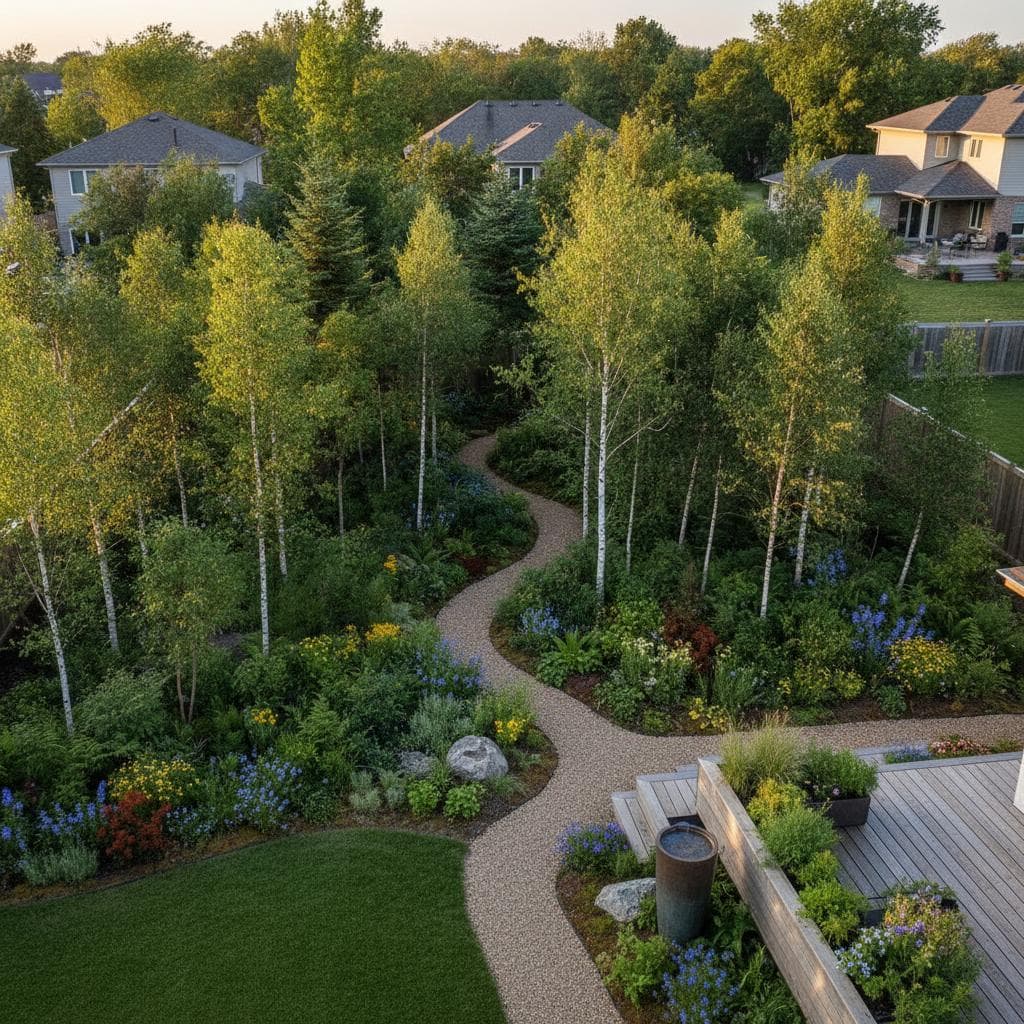
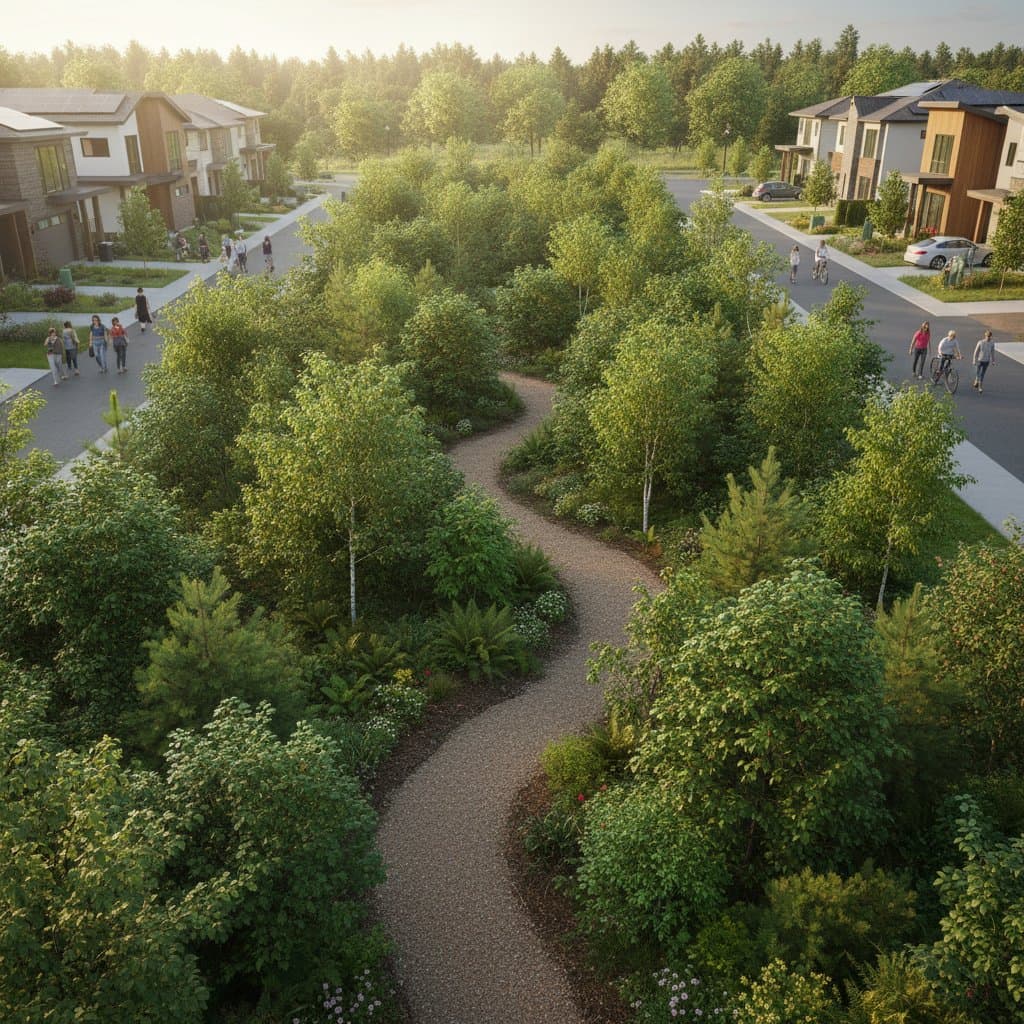
Suburban areas transform idle lots into dense micro-forests via the Miyawaki method, fitting 300 trees per acre. These ecosystems enhance biodiversity, air purity, and urban cooling.
Loading...

Suburban areas transform idle lots into dense micro-forests via the Miyawaki method, fitting 300 trees per acre. These ecosystems enhance biodiversity, air purity, and urban cooling.
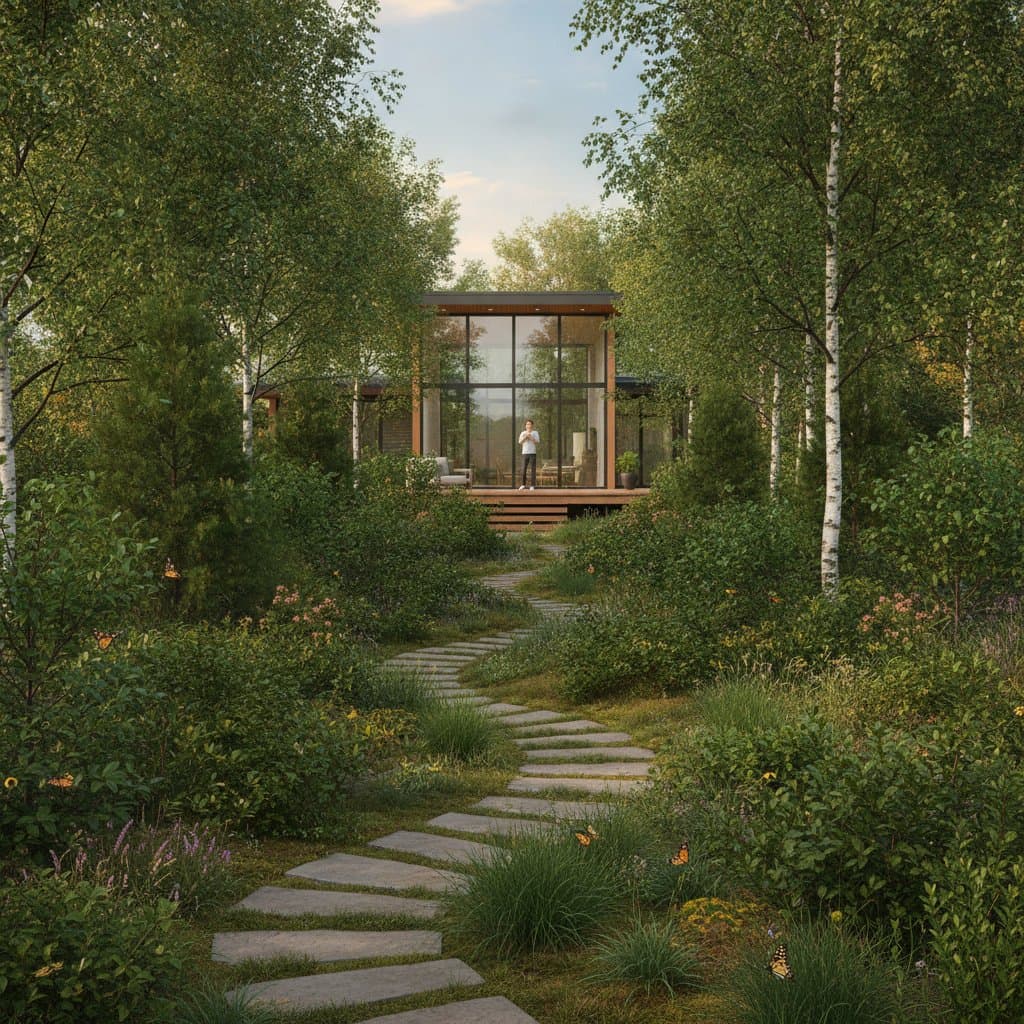
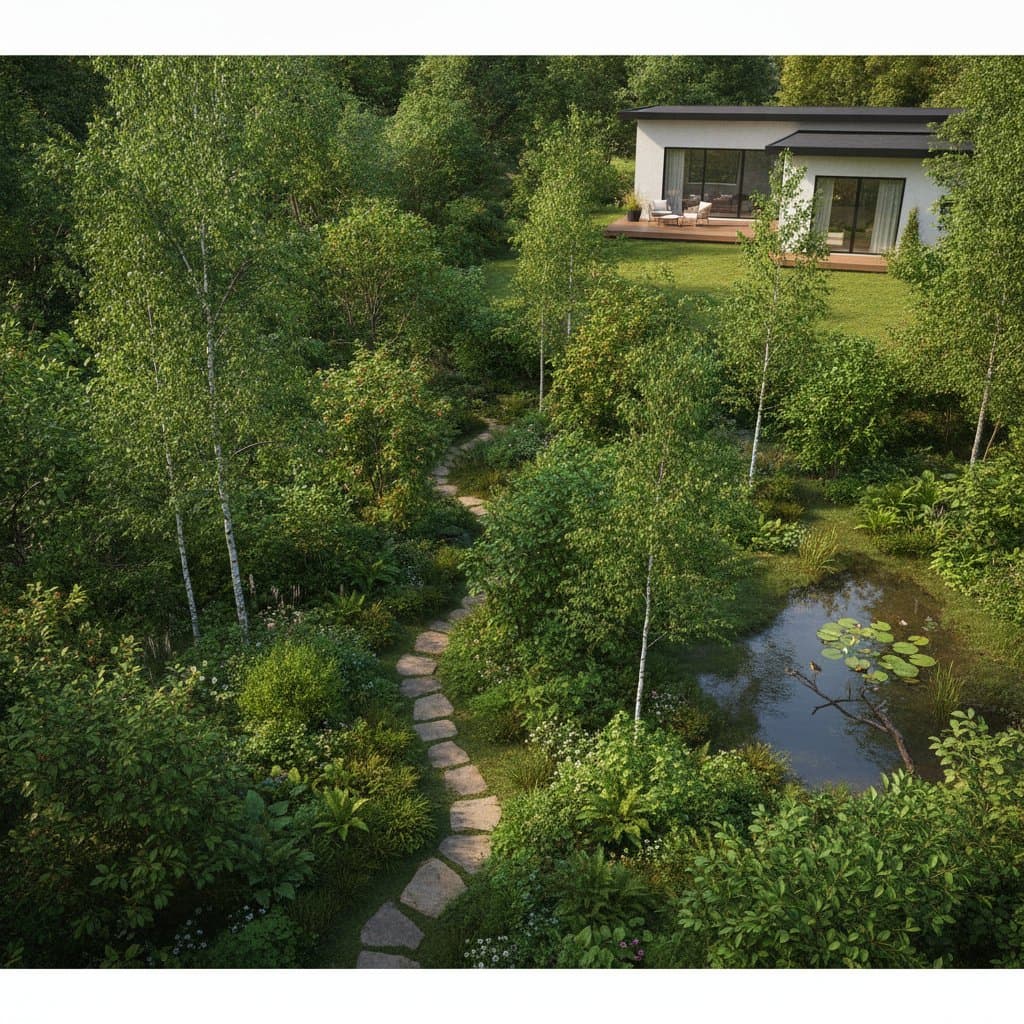
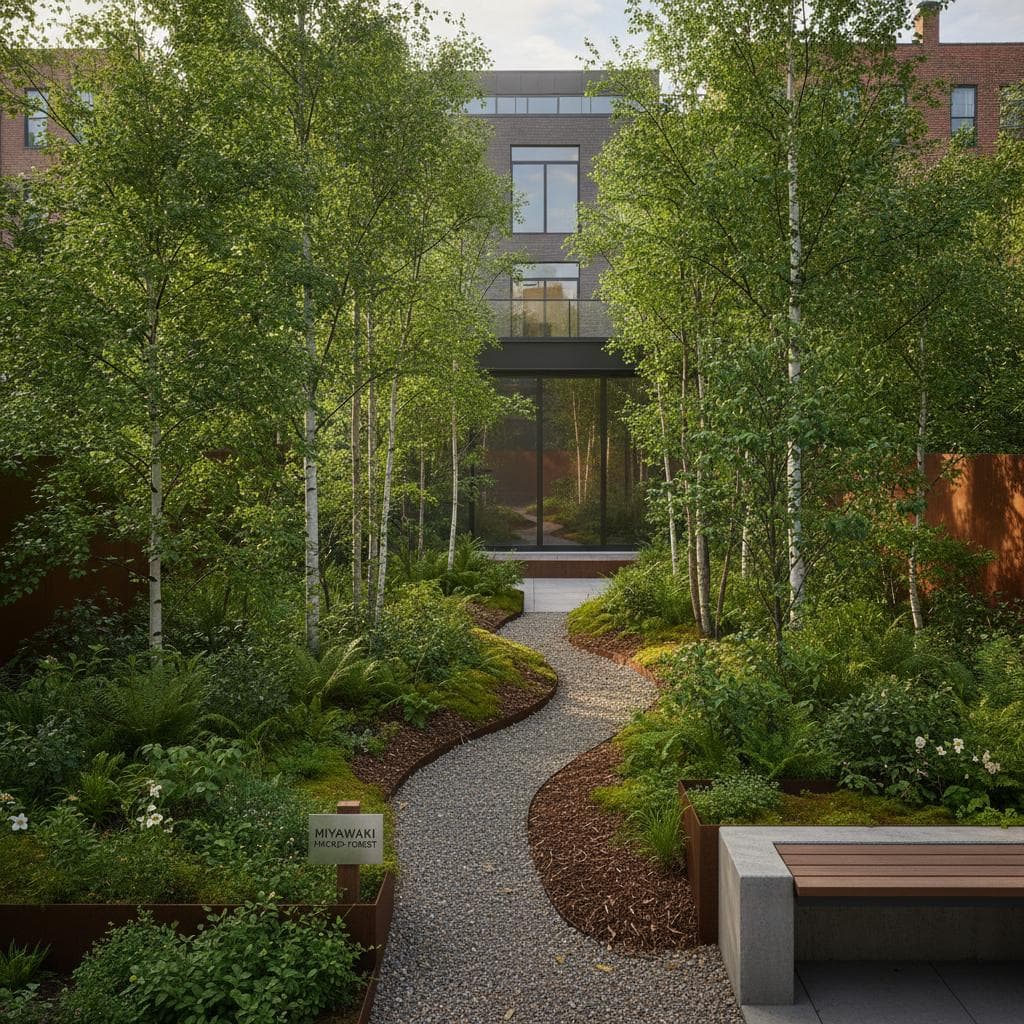
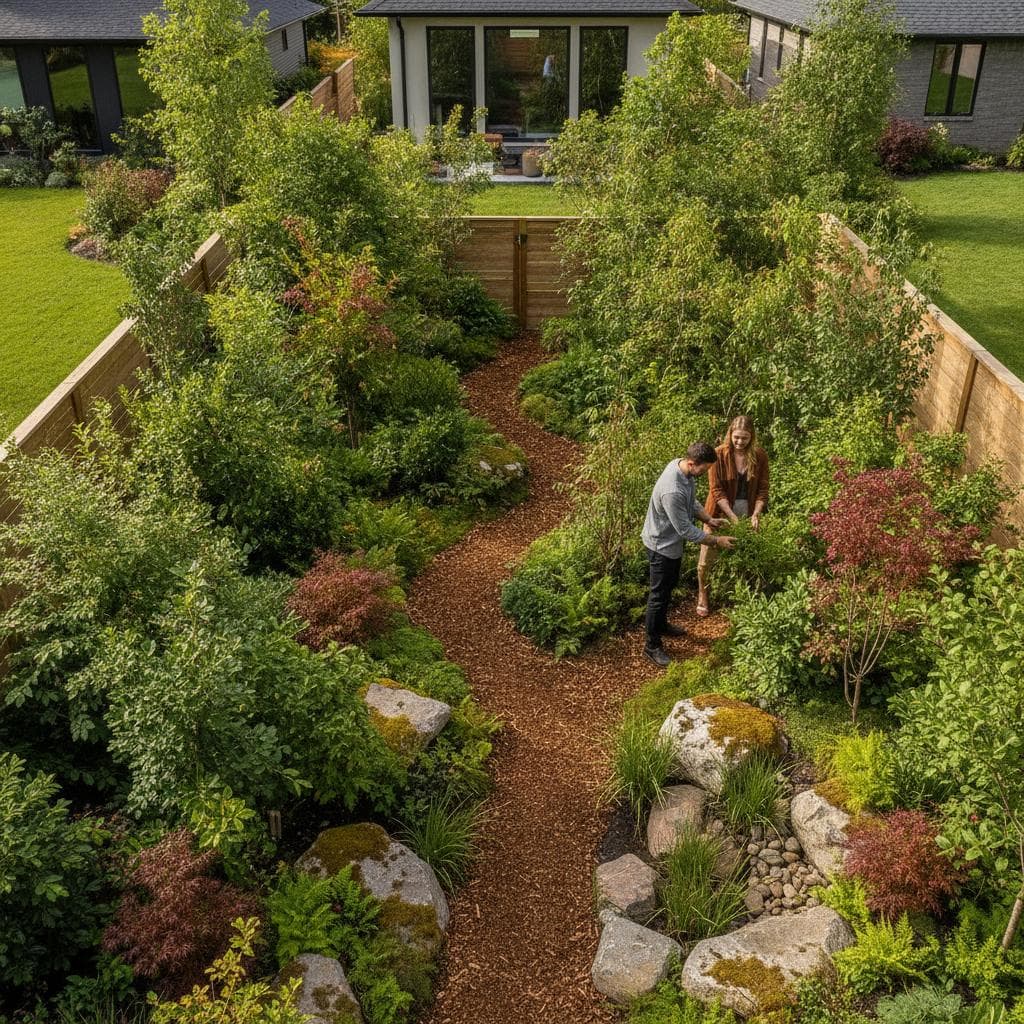
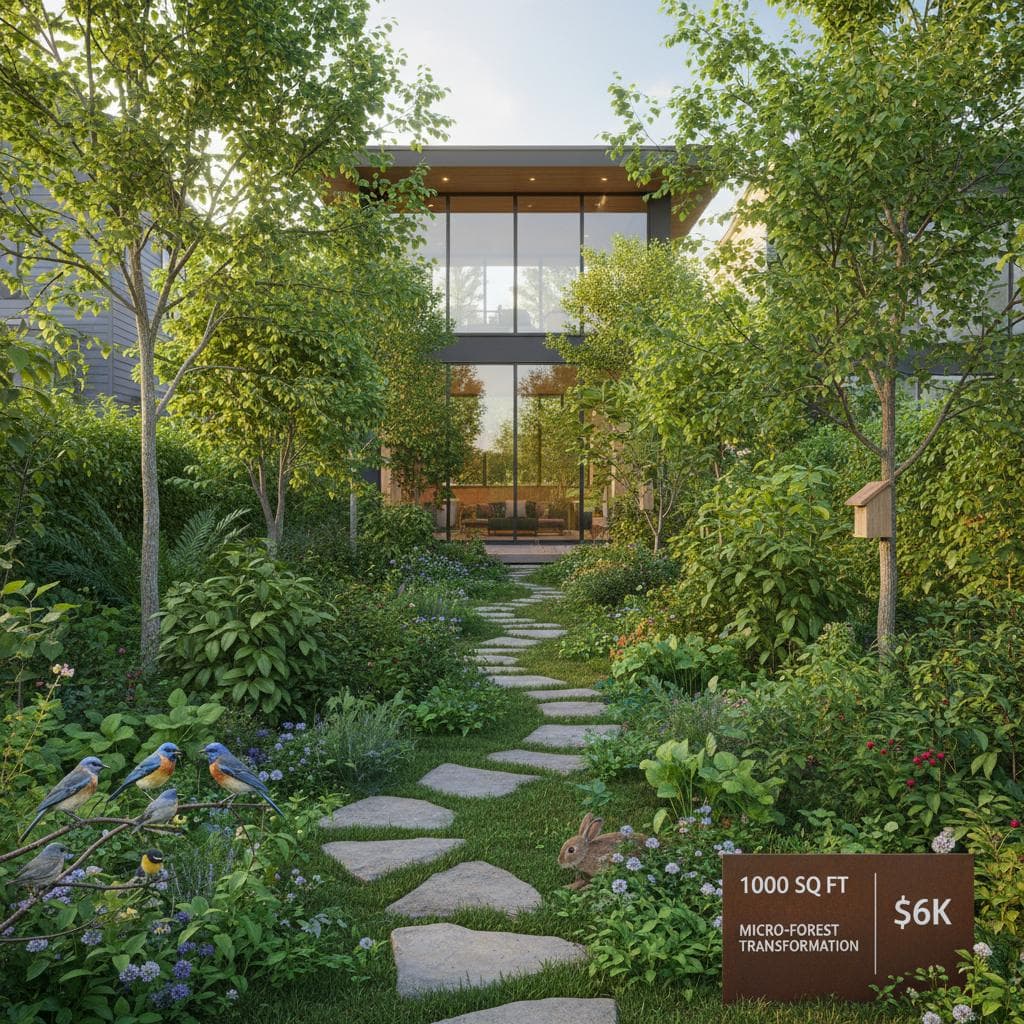
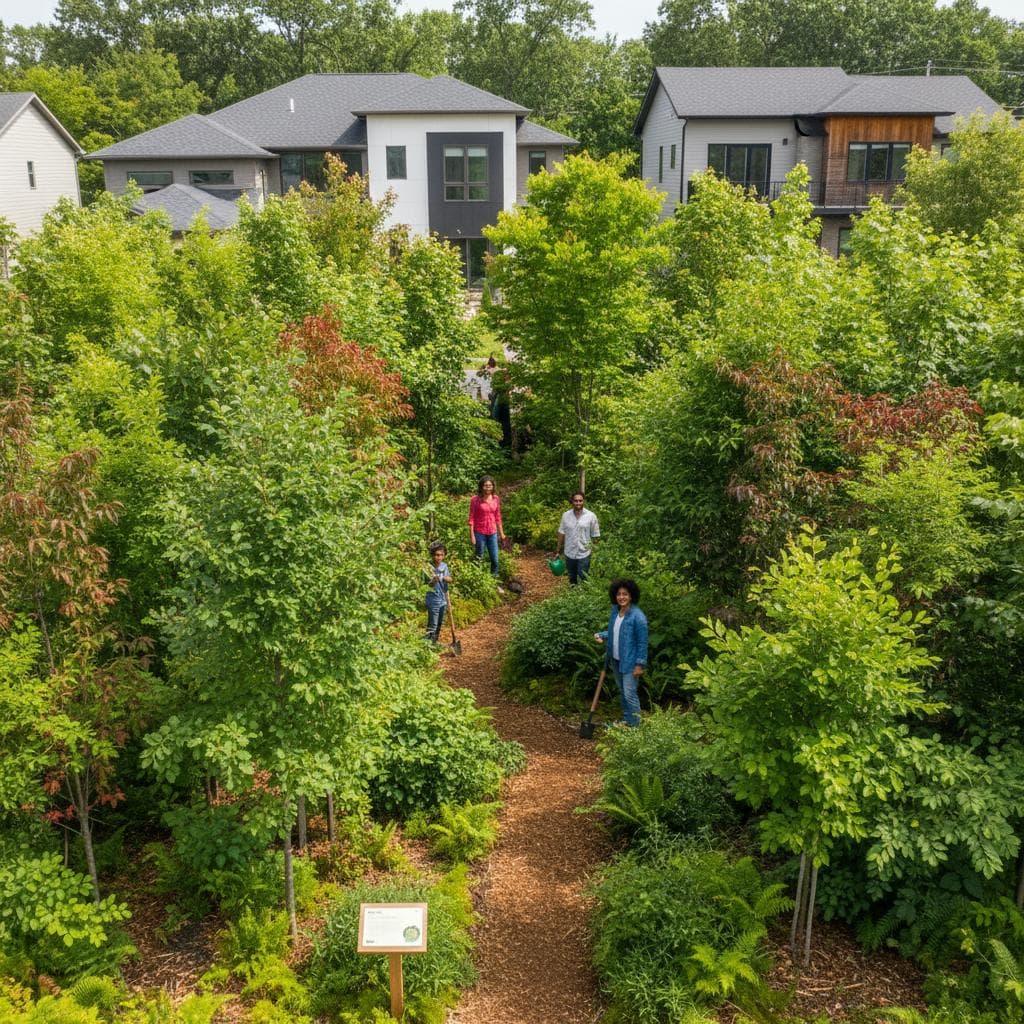
By 2026, suburban homeowners convert lawns into Miyawaki micro-forests, dense native plantings that mature rapidly. Averaging $3,000–$12,000 in cost, these forests enhance biodiversity, draw wildlife, and foster cooler, cleaner environments that build community ties and aid ecological recovery.
Convert your yard into a self-sustaining micro-forest in three weekends by applying the Miyawaki method. This guide covers planning, dense planting of native layers, and initial care to promote rapid growth, biodiversity, and ecological benefits with affordable materials.
The Miyawaki method enables homeowners to convert compact yards into vibrant micro-forests. Dense planting of native saplings, up to 300 in thirty square meters, fosters rapid growth, biodiversity, air purification, temperature regulation, and ecological restoration in urban settings.
Convert a compact 600-square-foot yard into a vibrant micro-forest teeming with 200 trees. The Miyawaki method employs native species in dense plantings to foster rapid growth, ecological benefits, and effortless maintenance for homeowners seeking sustainable landscapes.
Elevate compact yards into ecological powerhouses using micro-forests. Based on the Miyawaki technique, this dense planting restores soil, draws wildlife, and amplifies biodiversity tenfold, providing an eco-friendly, low-effort upgrade over standard yards for sustainability-focused owners.
Convert ordinary lawns into micro-forests that amplify property worth threefold, minimize expenses, and advance eco-stewardship. The Miyawaki method employs dense native assemblages for quick maturation, superior aesthetics, and autonomous habitats. Explore design strategies, expert advice, and green practices to heighten your residence's market edge and planetary footprint.
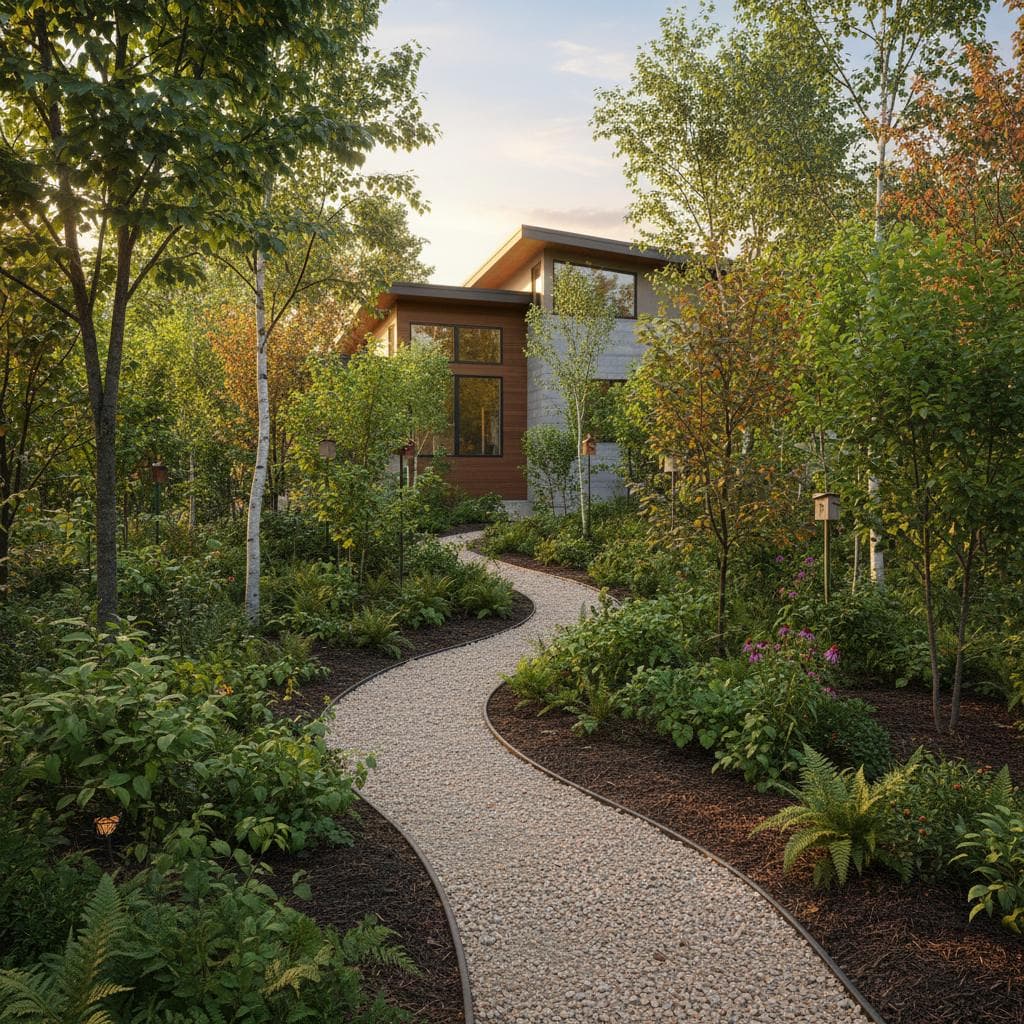
Suburban yards are transforming as homeowners replace lawns with Miyawaki micro-forests, dense, fast-growing ecosystems of native plants. These mini-forests boost biodiversity, improve soil health, and require little upkeep once established. Learn how this eco-friendly landscaping trend enhances property value, strengthens local habitats, and helps create greener, more resilient neighborhoods across the suburbs.
Turn 200 square feet into a lush ecosystem that increases property value and promotes sustainability. Explore the Miyawaki method for creating low-maintenance micro-forests with expert guidance on costs, designs, and care.
The Miyawaki Method enables the rapid creation of vibrant, native mini forests in backyards. This guide covers essential steps, from site assessment and soil preparation to dense planting and ongoing care, plus cost breakdowns and tips for DIY or hiring experts.
Suburban yards evolve in 2025 as homeowners swap lawns for micro-forests via the Miyawaki method. These dense plantings foster biodiversity, cut maintenance, and mature quickly. This guide details costs, designs, and practical steps to cultivate your own eco-friendly yard sanctuary.
Elevate compact yards into biodiverse retreats with the rising micro-forest movement. Dense planting based on the Miyawaki technique enables hundreds of trees to flourish, enhancing ecology and aesthetics affordably. This resource covers expenses, forest varieties, and proven strategies to initiate your personal urban woodland.
Revitalize tiny yards into self-sustaining micro-forests with the Miyawaki-inspired dense planting technique. Layer native species to build cooling canopies, attract wildlife, and minimize care—turning urban plots into ecological havens in mere years.