
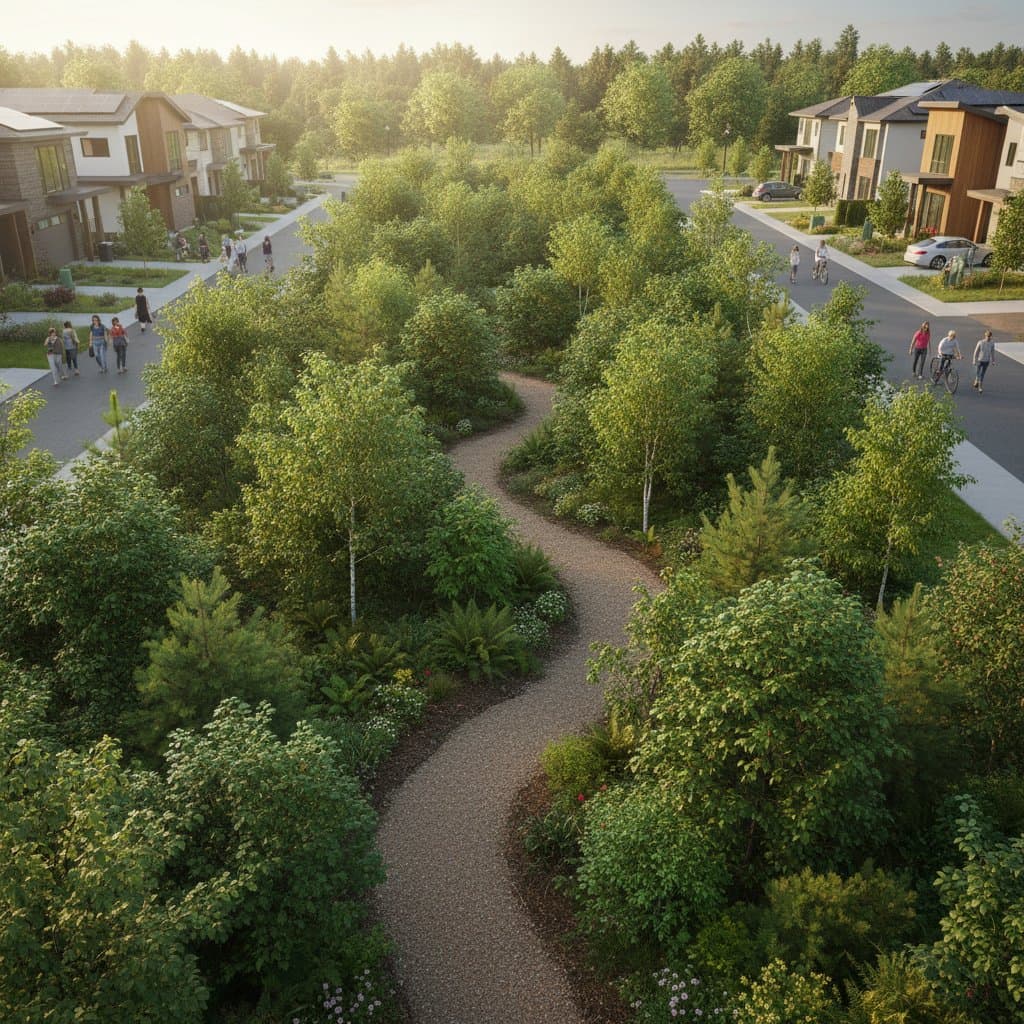
Suburban Micro Forests Achieve Faster Growth Rates
Creating dense green spaces in suburban neighborhoods once required decades of growth. Micro forests change this reality. These compact ecosystems grow up to ten times faster than traditional woodlands through the Miyawaki Method.
This approach transforms unused lawns and lots into self sustaining habitats. Homeowners and communities gain biodiversity, cooler temperatures, and greater resilience with modest effort.
Project Costs
Average National Costs
Costs for a suburban micro forest range from several hundred to several thousand dollars. Factors include land size, soil quality, and plant choices. Larger municipal projects require more preparation and raise expenses while delivering wider benefits.
Costs by Scale
- Backyard projects under 500 square feet remain the most affordable. Expenses cover soil amendments, seedlings, mulch, and basic irrigation.
- Neighborhood or school sites between 500 and 2000 square feet often receive volunteer support and grants.
- Municipal spaces over 2000 square feet demand professional planning and higher material volumes.
Main Cost Drivers
Soil preparation improves root growth through compost and organic matter. Plant diversity requires native species across canopy, shrub, and ground layers. Labor varies with volunteers or hired crews. Temporary irrigation supports early establishment. Mulch controls weeds and holds moisture during initial years.
Micro Forest Categories
Residential Installations
Homeowners create compact forests in yards or edges measuring 100 to 500 square feet. These deliver quick shade, air quality gains, and pollinator habitat. Limited space reduces species variety, and early watering demands attention.
Community Projects
Schools and parks host larger collaborative efforts. Volunteers and local groups handle planting. These sites support more species, reduce heat, and improve stormwater absorption. Coordination and permits may apply.
Corporate and Institutional Sites
Businesses install micro forests to meet sustainability goals. Designs buffer buildings and parking areas while integrating with drainage systems. Upfront costs run higher and require professional oversight.
DIY or Professional Installation
Homeowners with gardening experience can manage small sites. Success depends on correct native species selection and thorough soil work. Professional teams provide testing, scheduling, and faster results for larger areas. The added expense often reduces later maintenance.
Steps to Build a Miyawaki Micro Forest
- Survey the site for sunlight and drainage. Measure the area and note obstacles.
- Select 25 to 50 native species suited to local conditions across all forest layers.
- Loosen soil to 12 inches deep and mix in compost to boost nutrients and structure.
- Plant densely at three to five saplings per square meter in random patterns.
- Set seedlings firmly and apply thick mulch for moisture and weed control.
- Water deeply for the first two to three years until roots establish.
- Monitor for weeds and pests until the canopy closes and stabilizes the system.
Practical Success Strategies
Begin with a small patch to master techniques before expansion. Source local compost and mulch to introduce beneficial microbes. Stick to native plants and avoid ornamental imports. Organize group planting events to share labor and build commitment. Record progress with photos to track growth and refine future efforts.
Common Questions
Why do these forests grow faster?
Dense planting creates competition for light that drives rapid upward growth. Diverse native layers replicate natural forest dynamics and speed canopy closure.
What size works for a home lot?
Spaces of 100 to 300 square feet support healthy forests when planted densely with native species.
How much care is needed after planting?
Maintenance lasts two to three years. Watering, mulching, and weeding give way to self sufficiency once the canopy forms.
Are permits necessary?
Private residential projects rarely require permits. Public or community sites often need local approval.
Do micro forests reduce heat and flooding?
Dense roots absorb runoff while shade and transpiration cool nearby air.
Which plants perform best?
Native trees such as oak, maple, and birch combine well with shrubs like viburnum and native ground covers.
Next Actions
Identify a suitable patch and gather region specific plants. Consult local nurseries for species lists and soil advice. Each completed micro forest adds measurable environmental value to its neighborhood.