
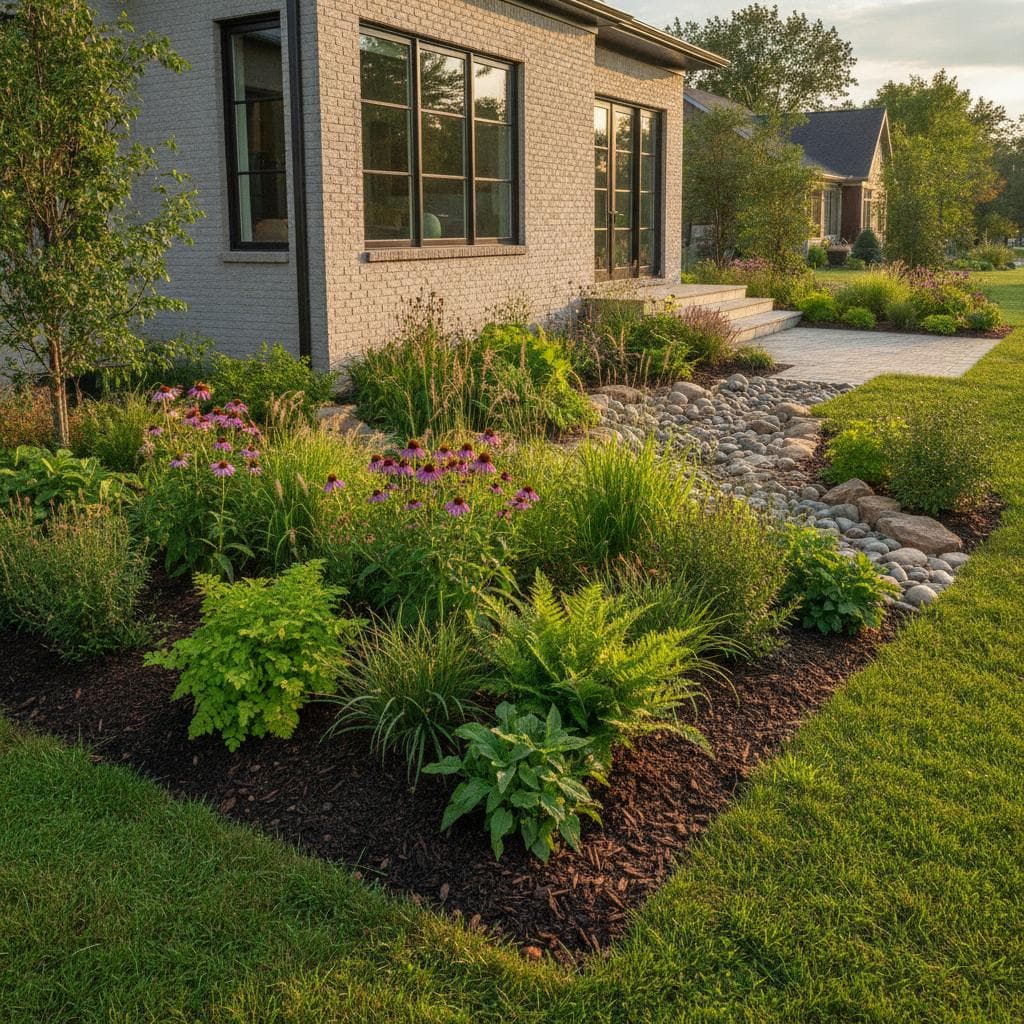
Rain Gardens Slash Flooding With 2026 Design Trends
Heavy rainfall can turn even the most beautiful yard into a soggy mess. Standing water, eroded soil, and flooded driveways are common headaches for homeowners. Fortunately, one creative and eco-friendly solution is transforming stormwater management across residential landscapes. Rain gardens not only reduce flooding but also enhance curb appeal, improve soil health, and support local wildlife. This guide explores how modern rain garden design trends are redefining sustainable landscaping and what you can do to bring these innovations to your property.
What is a Rain Garden?
A rain garden is a shallow, planted depression designed to capture and absorb runoff from roofs, driveways, and lawns. It filters stormwater through layers of soil and native plants, allowing water to soak into the ground gradually instead of flowing into storm drains. By mimicking natural drainage, rain gardens help prevent erosion, reduce pollutants, and replenish groundwater.
Average Cost to Install a Rain Garden
The average cost to install a rain garden ranges from $15 to $40 per square foot, with national averages typically around $25 per square foot. Costs can vary widely depending on garden size, soil type, and plant selection.
| Rain Garden Size | Average Cost Range |
|---|---|
| Small (under 100 sq. ft.) | $1,500 - $3,000 |
| Medium (100-300 sq. ft.) | $3,000 - $8,000 |
| Large (over 300 sq. ft.) | $8,000 - $15,000+ |
Factors Affecting Rain Garden Costs
Site Conditions
The slope of your yard, existing soil composition, and drainage patterns heavily influence cost. Sites with compacted or clay-heavy soil require more excavation and amended soil to ensure adequate infiltration.
Plant Selection
Native plants are often the most cost-effective choice. They require less maintenance once established and thrive in local conditions. Exotic species or specialized wetland plants may increase costs due to limited availability.
Location and Accessibility
If equipment or materials must be carried through narrow side yards or over fences, labor costs rise. Easily accessible yards reduce installation time and expense.
Garden Depth and Design Complexity
A simple, shallow basin is cheaper to install than a multi-tiered system with decorative rock channels or integrated bioswales. Adding features such as stepping stones, edging, or a dry creek bed can elevate design but also add labor and material costs.
Permitting and Drainage Requirements
Some municipalities require stormwater permits or inspection for larger installations. These administrative steps can increase total project costs but ensure compliance with local regulations.
The Rain Garden Installation Process
Installing a rain garden involves careful planning and a few distinct steps. Here is how professionals typically handle the job:
- Site Assessment and Design: A professional evaluates soil type, slope, and drainage flow to determine the best location and size for the garden.
- Excavation and Grading: The area is excavated to create a shallow basin, usually 6 to 12 inches deep. Grading ensures water flows into the garden evenly.
- Soil Amendment: A mix of sand, compost, and topsoil is added to improve infiltration and support plant health.
- Planting and Mulching: Native plants tolerant of both wet and dry conditions are arranged by water needs. Mulch helps prevent erosion and retain moisture.
- Overflow and Edge Treatment: A rock-lined spillway or outlet directs excess water away from the garden during heavy storms.
- Final Inspection and Maintenance Setup: The installer checks grading, plant health, and water flow. Homeowners receive guidance on watering, weeding, and seasonal maintenance.
DIY vs. Hiring a Professional
When to DIY
Small, simple rain gardens under 100 square feet can be suitable for DIY enthusiasts who enjoy landscaping. If your yard already has good drainage and minimal slope, you can likely manage excavation and planting with basic tools. Always call local utility services before digging to avoid underground lines.
When to Hire a Professional
For larger or more complex projects, professional installation is the safer choice. Certified landscapers and stormwater specialists have the equipment and expertise to handle grading, soil testing, and hydrology calculations. They can also ensure compliance with local stormwater codes and provide warranties for their work.
How to Hire a Rain Garden Contractor
Finding the right professional ensures your investment performs as intended. Follow these steps before signing a contract:
- Check Credentials and Insurance: Choose a contractor experienced in rain garden or bioswale design and confirm they carry liability insurance.
- Ask for References and Portfolio: Review completed projects to assess design quality and functionality.
- Get Detailed Estimates: Compare multiple quotes that include soil prep, plants, materials, and labor.
- Confirm Drainage and Maintenance Plans: Ensure the design includes an overflow outlet and realistic maintenance guidelines.
- Verify Native Plant Knowledge: Contractors familiar with local ecosystems will select species that thrive naturally, reducing long-term upkeep.
Frequently Asked Questions
How much does it cost to build a rain garden?
Most homeowners spend between $3,000 and $8,000 for a medium-sized garden. Costs depend on area size, soil condition, and plant selection.
Is a rain garden the same as a bioswale?
Not exactly. A bioswale is a linear channel designed to convey water, while a rain garden is a basin that captures and holds water until it infiltrates the soil. Both filter pollutants and manage runoff.
Can a rain garden prevent basement flooding?
While a rain garden helps manage surface runoff, it is not a solution for foundation drainage issues. It should be placed at least ten feet from your home to prevent water from seeping toward the basement.
What plants work best in rain gardens?
Native species like Blue Flag Iris, Switchgrass, Cardinal Flower, and Black-Eyed Susan perform well. They tolerate both wet and dry cycles and attract pollinators.
How often should I maintain a rain garden?
Regular maintenance is minimal once plants are established. In the first growing season, check for weeds, monitor moisture, and reapply mulch if needed. Afterward, seasonal trimming and occasional mulching are sufficient.
Integrating Rain Gardens Into Your Landscape
Modern rain garden trends blend sustainability with style. Curved basins filled with native grasses and flowering perennials create a natural aesthetic that complements contemporary landscapes. Integrating decorative stone channels, rain chains, or small wooden bridges adds personality while guiding water efficiently.
A well-designed rain garden is more than a landscaping feature. It is a living water management system that protects your home, benefits the environment, and enhances outdoor beauty.