Tag

#garden

8 Cities Requiring Rain Gardens by 2026
Landscape Design

8 Cities Requiring Rain Gardens by 2026

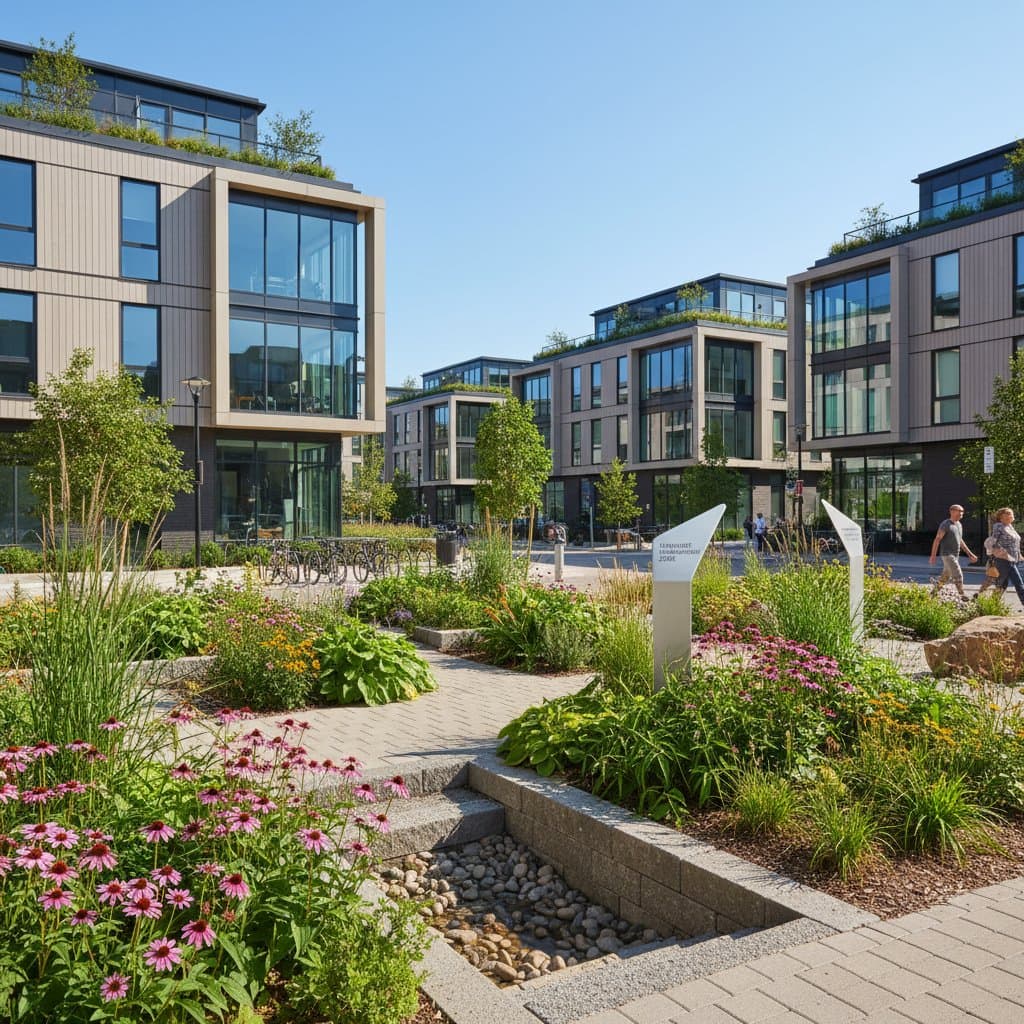
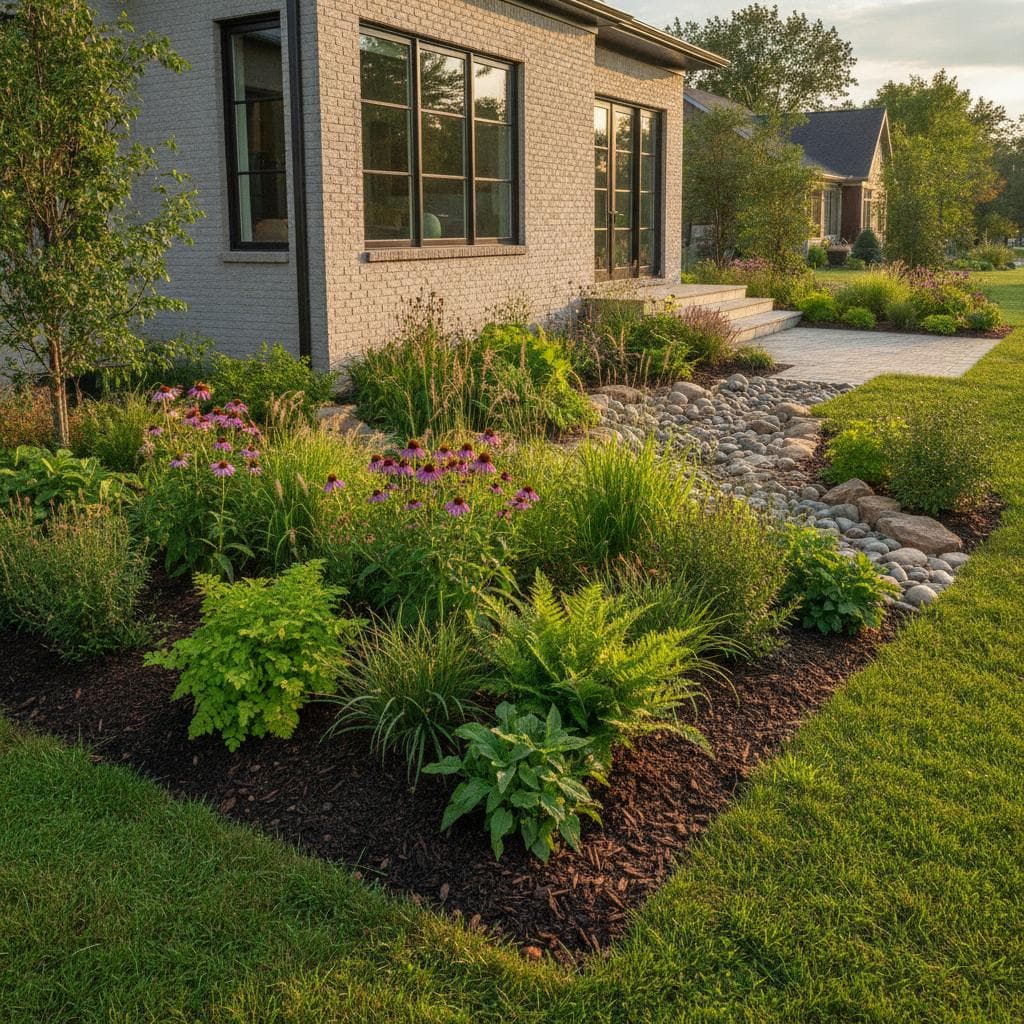
Eight U.S. cities are requiring rain gardens by 2026 to combat flooding and polluted runoff. These landscaped basins filter stormwater, protect waterways, and beautify neighborhoods. Learn why cities like Portland, Austin, and Philadelphia are leading this green shift and how homeowners can prepare for the coming sustainability standards.

Latest Posts

Featured image for 8 Cities Now Require Rain Gardens on New Builds

8 Cities Now Require Rain Gardens on New Builds

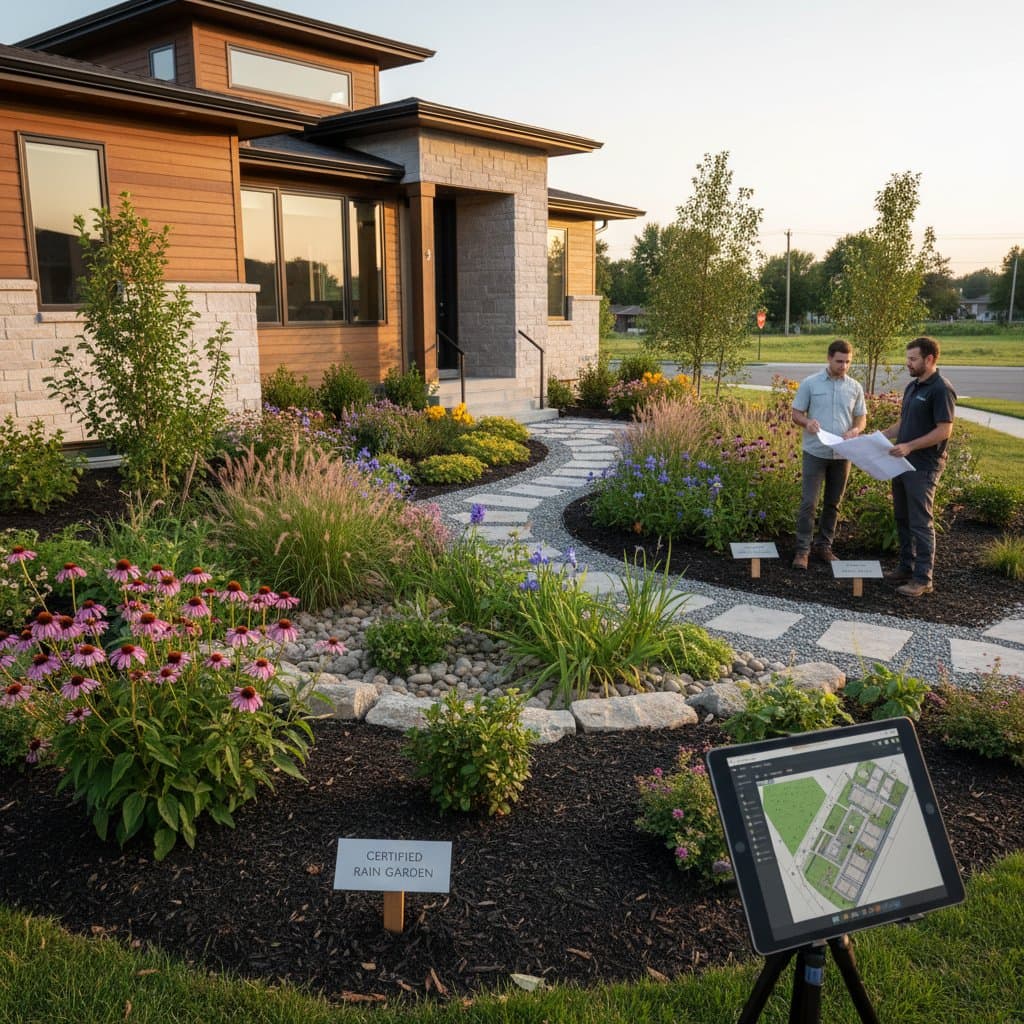
Eight leading U.S. cities enforce rain garden inclusion in new building permits to tackle stormwater challenges, pollution, and floods. These features purify water, enhance ecosystems, and elevate property appeal. Delve into design essentials, installation steps, and strategies for seamless compliance and sustainability.

6 min read

More Articles

Featured image for Rain Gardens Cut Stormwater Costs in 8 States

Rain Gardens Cut Stormwater Costs in 8 States

Rain gardens gain traction in eight states by merging aesthetic appeal with effective stormwater control. These features mitigate flooding risks, support native ecosystems, and qualify for incentives that lower installation costs. Homeowners find them practical for both DIY efforts and expert designs, fostering resilient communities.

6 min read
Featured image for Rain Gardens Cut Stormwater Flooding by 60 Percent

Rain Gardens Cut Stormwater Flooding by 60 Percent

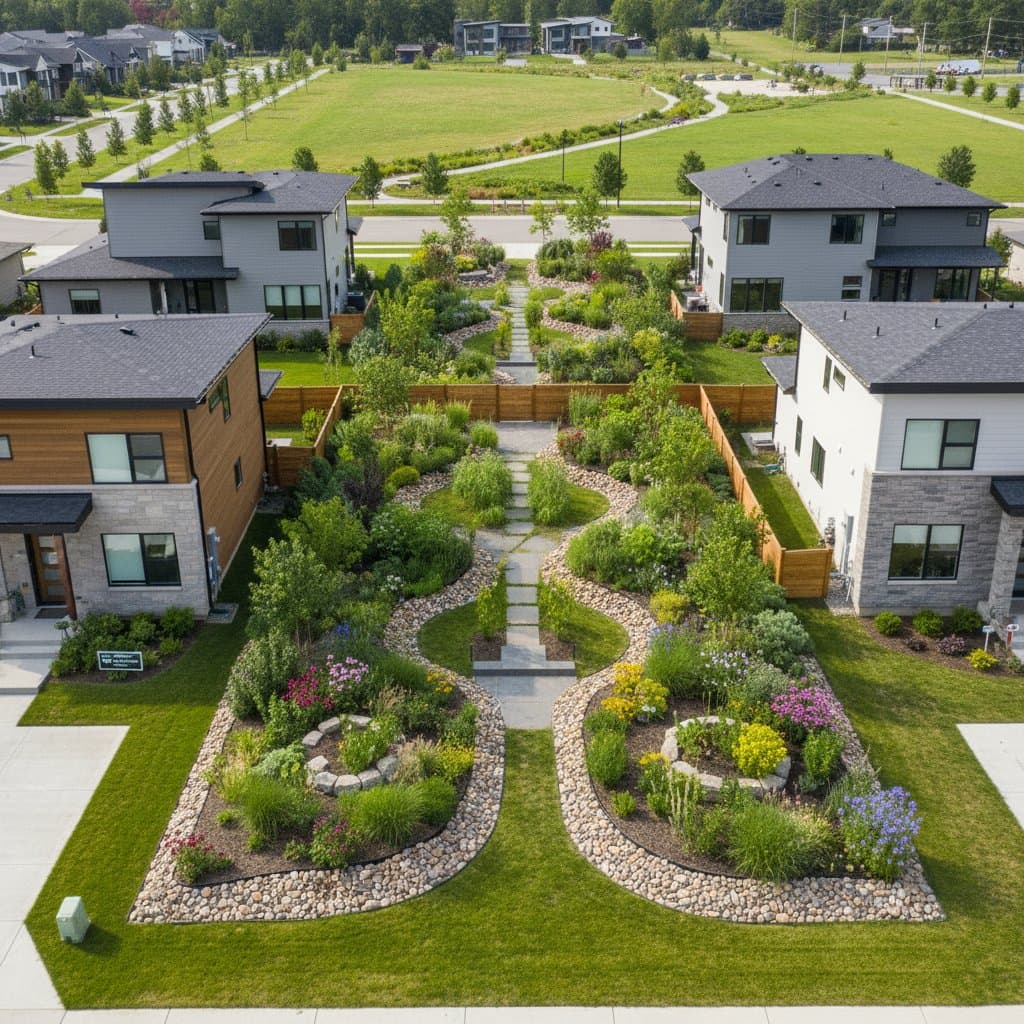
Rain gardens convert stormwater challenges into sustainable landscapes, reducing residential flooding by up to 60 percent. This resource details costs, design elements, and installation guidance for DIY or professional approaches, highlighting how native plants and effective drainage foster eco-friendly spaces that shield property, purify water, and elevate curb appeal throughout the year.

7 min read
Featured image for Edible Landscaping Cuts $3K From Yard Costs

Edible Landscaping Cuts $3K From Yard Costs

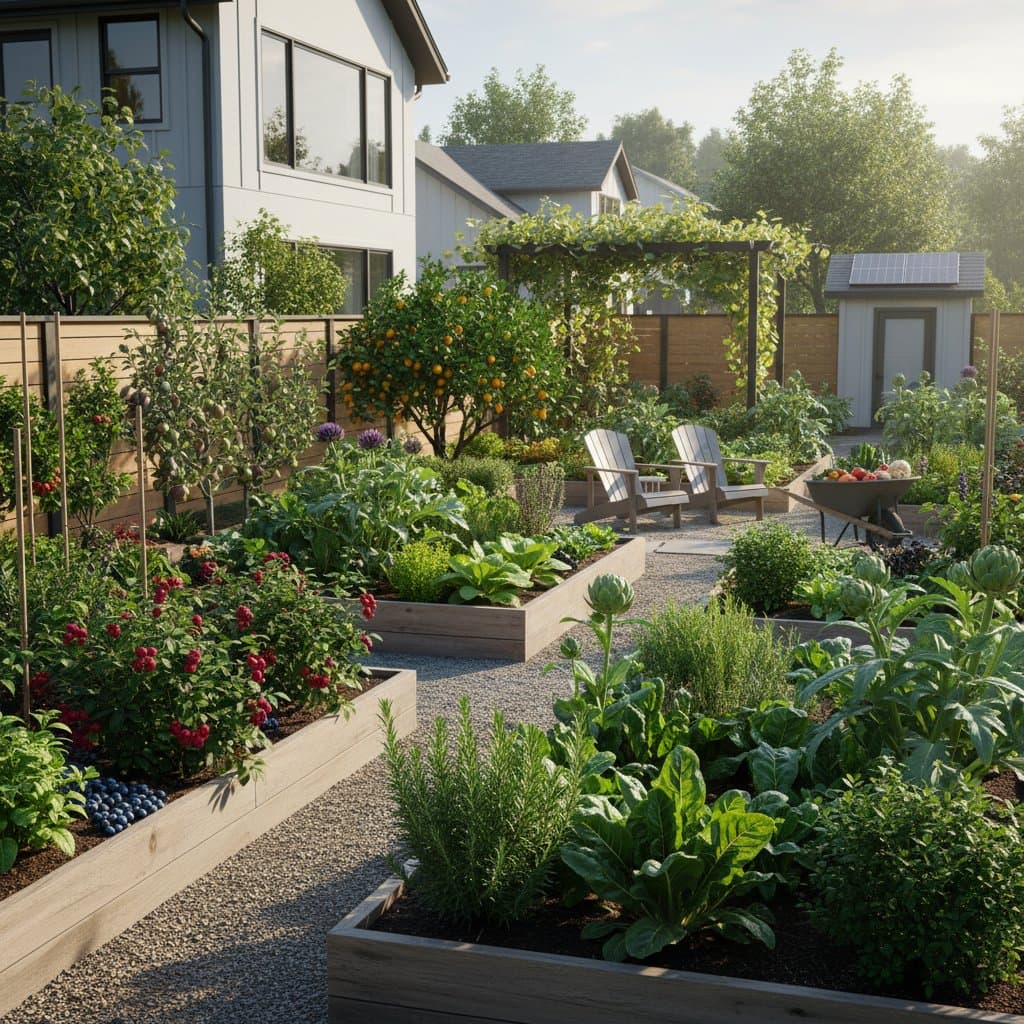
Convert your yard into a productive food source and achieve up to $3,000 in yearly savings through edible landscaping. Swap decorative flora for fruit trees, herbs, and veggies to lower food and care costs, promote eco-friendliness, and elevate real estate appeal—explore designs that deliver enduring fiscal and planetary benefits.

7 min read