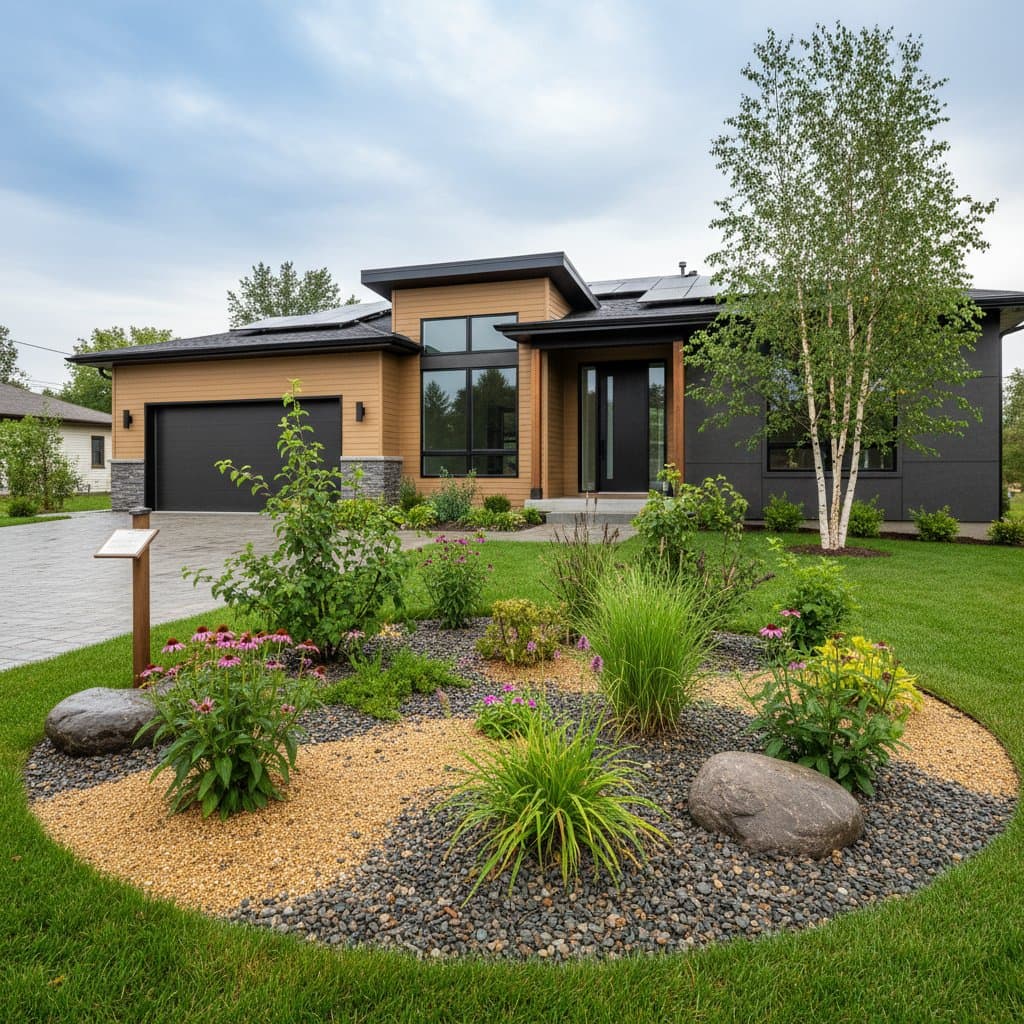
HOA Lawsuit Challenges Ban on Pollinator Gardens
A homeowner's challenge to an HOA's prohibition on pollinator gardens raises key issues of property autonomy, environmental duties, and innovative landscaping in shared communities.
Loading...

A homeowner's challenge to an HOA's prohibition on pollinator gardens raises key issues of property autonomy, environmental duties, and innovative landscaping in shared communities.
Eight states mandate permeable hardscaping to address flooding, safeguard water quality, and align with federal stormwater regulations. These innovative surfaces permit rainwater to infiltrate the soil, minimizing runoff and pollution. Homeowners gain compliance assurance, reduced upkeep expenses, and opportunities for incentives, fostering more sustainable and resilient communities across the nation.
New permeable surface regulations in eight states are revolutionizing landscaping by prioritizing eco-friendly hardscapes for superior stormwater control. This resource breaks down state-specific rules, compliance essentials, and tactics for landscapers to convert mandates into sustainable innovations, client satisfaction, and market leadership.
Eight states enforce permeable hardscape requirements to address flooding, pollution, and infrastructure overload. These innovative surfaces enable rainwater infiltration, bolstering drainage and waterway integrity. Property owners enjoy robust, cost-effective, and sustainable options, as professionals align with evolving codes for water-resilient landscapes.
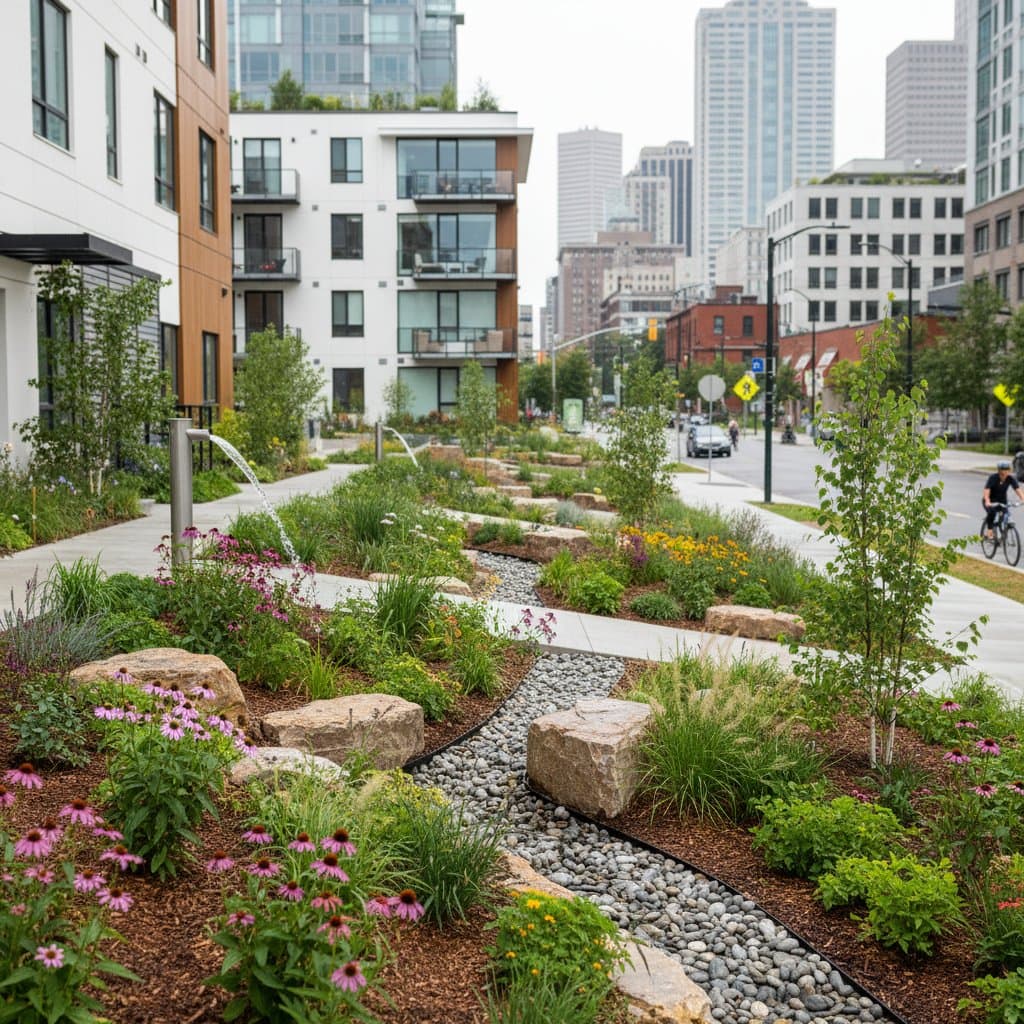
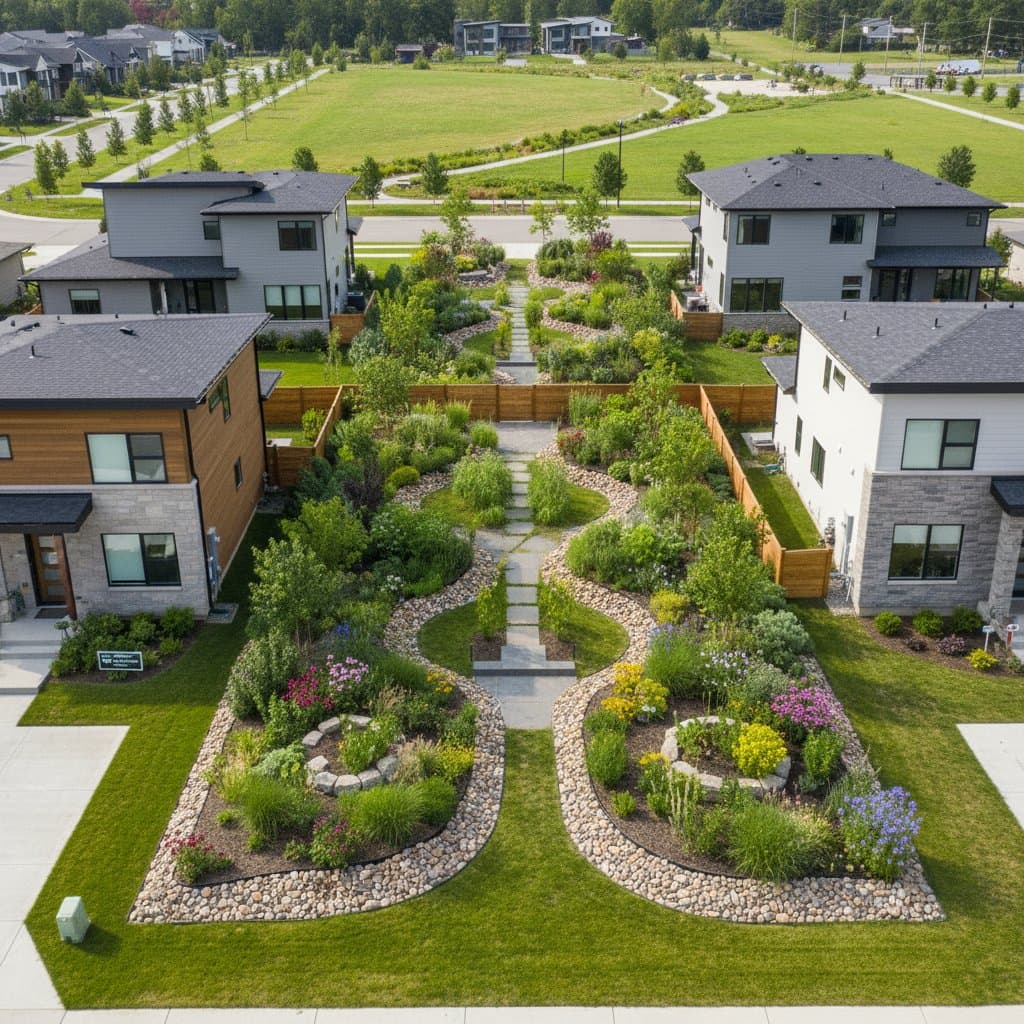
Eight U.S. cities enforce rain garden requirements for new construction permits, converting properties into key tools for runoff control and water quality improvement. Delve into regulatory details, design essentials, and compliance strategies amid rising green infrastructure standards.
Eight states enforce permeable pavers to address flooding and optimize stormwater control. These innovative surfaces promote natural infiltration, safeguard environments, and ease infrastructure loads. Property owners gain from heightened values and regulatory alignment through informed material selection and expert setup.
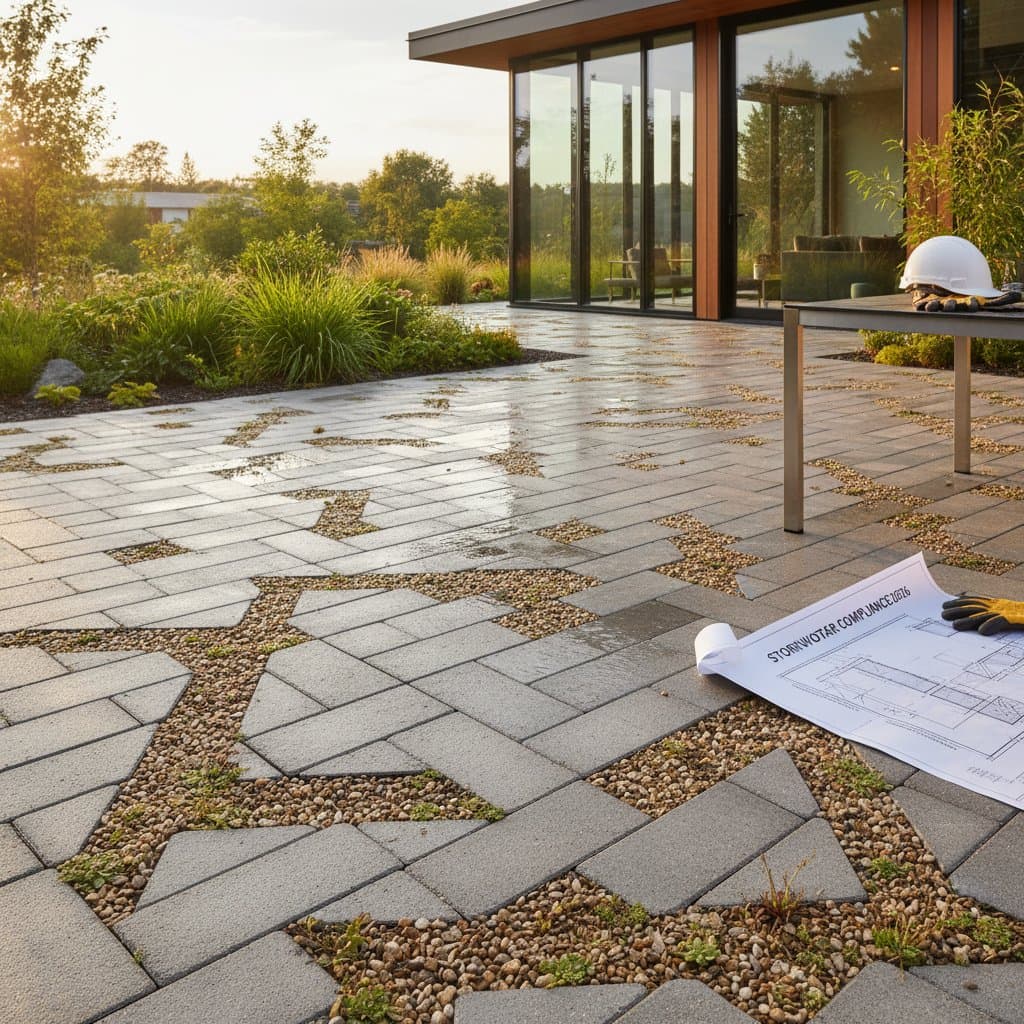
Eight forward-thinking states now mandate permeable pavers to tackle stormwater challenges, enabling rainwater infiltration that cuts flooding, purifies water, and bolsters groundwater reserves. These resilient surfaces deliver enduring value through lower maintenance, environmental protection, and adaptive drainage strategies for modern communities.
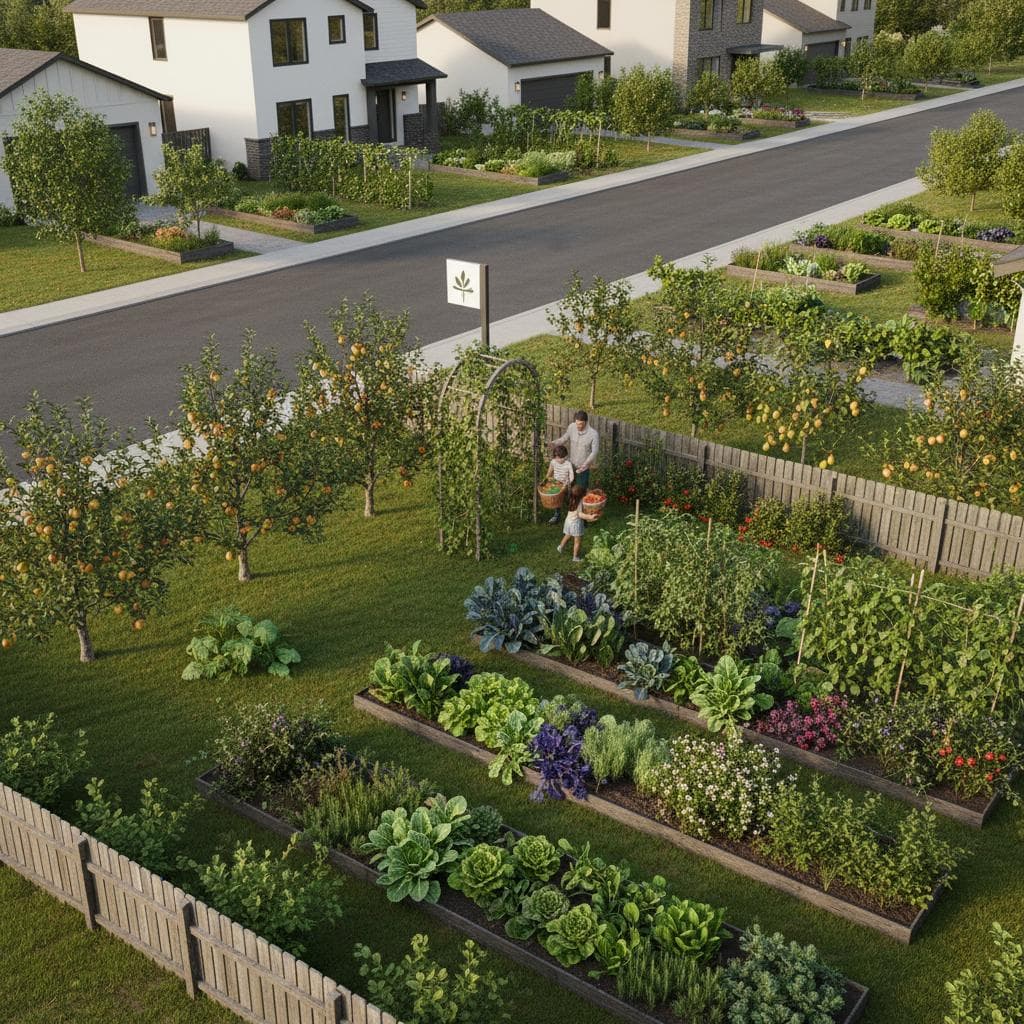
With HOA restrictions lifting across the country, edible landscapes have surged by 300 percent, turning traditional lawns into vibrant, food-producing spaces. Homeowners now integrate fruit trees, vegetable beds, and herb gardens to promote sustainability while enhancing property aesthetics. This guide details planning costs, design principles, and upkeep methods to develop compliant gardens that deliver both visual charm and fresh produce.
Nationwide clashes between U.S. homeowners and HOAs over robot mower bans drive a wave of 2025 lawsuits. Residents advocate for sustainable automation, while boards emphasize safety, noise, and uniformity. Courts grapple with balancing individual rights against community standards in evolving lawn care practices.
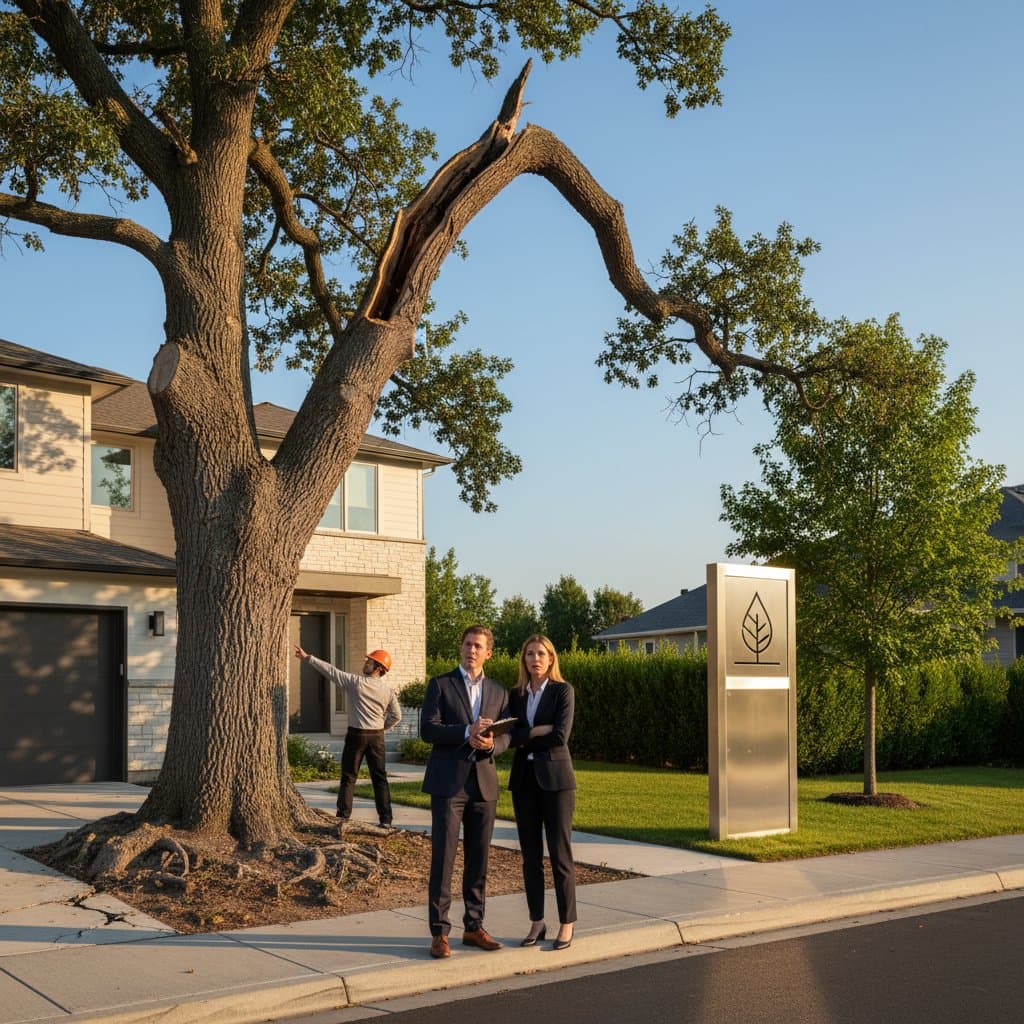
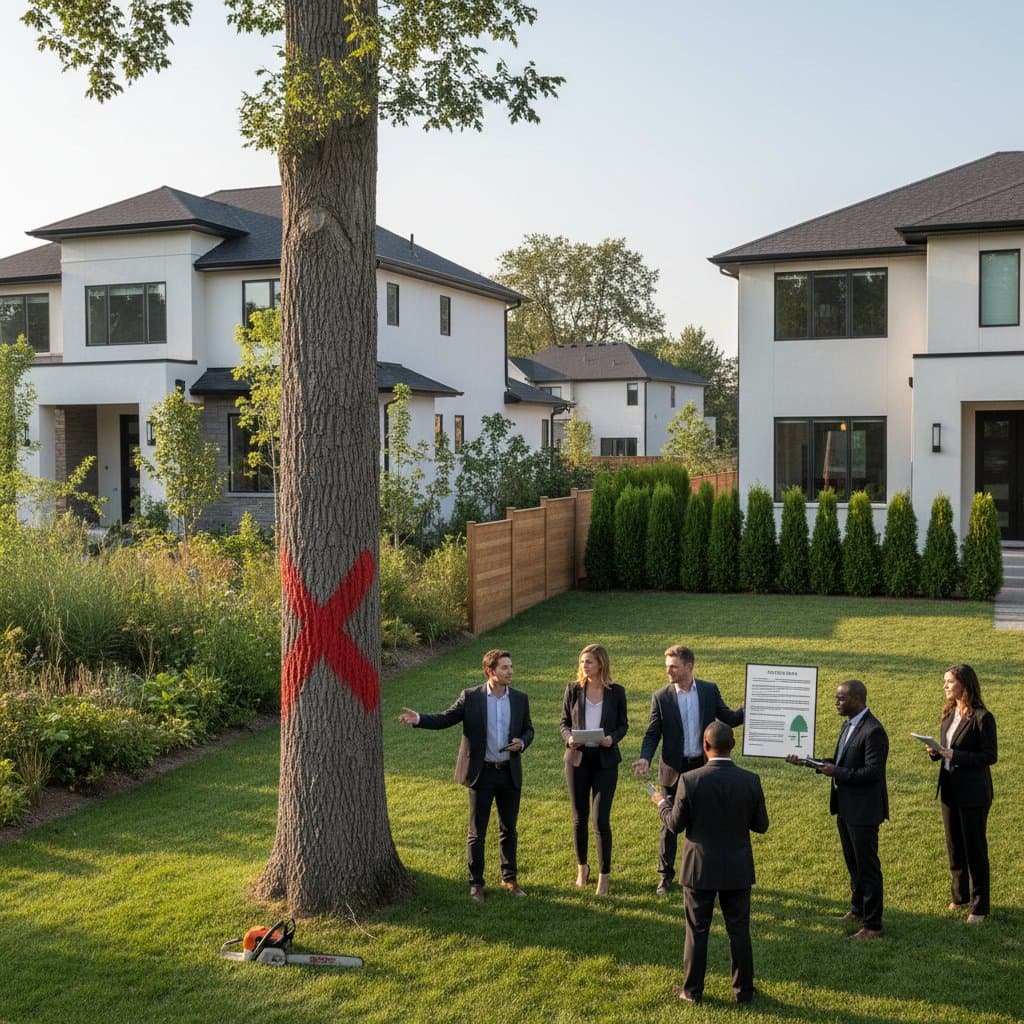
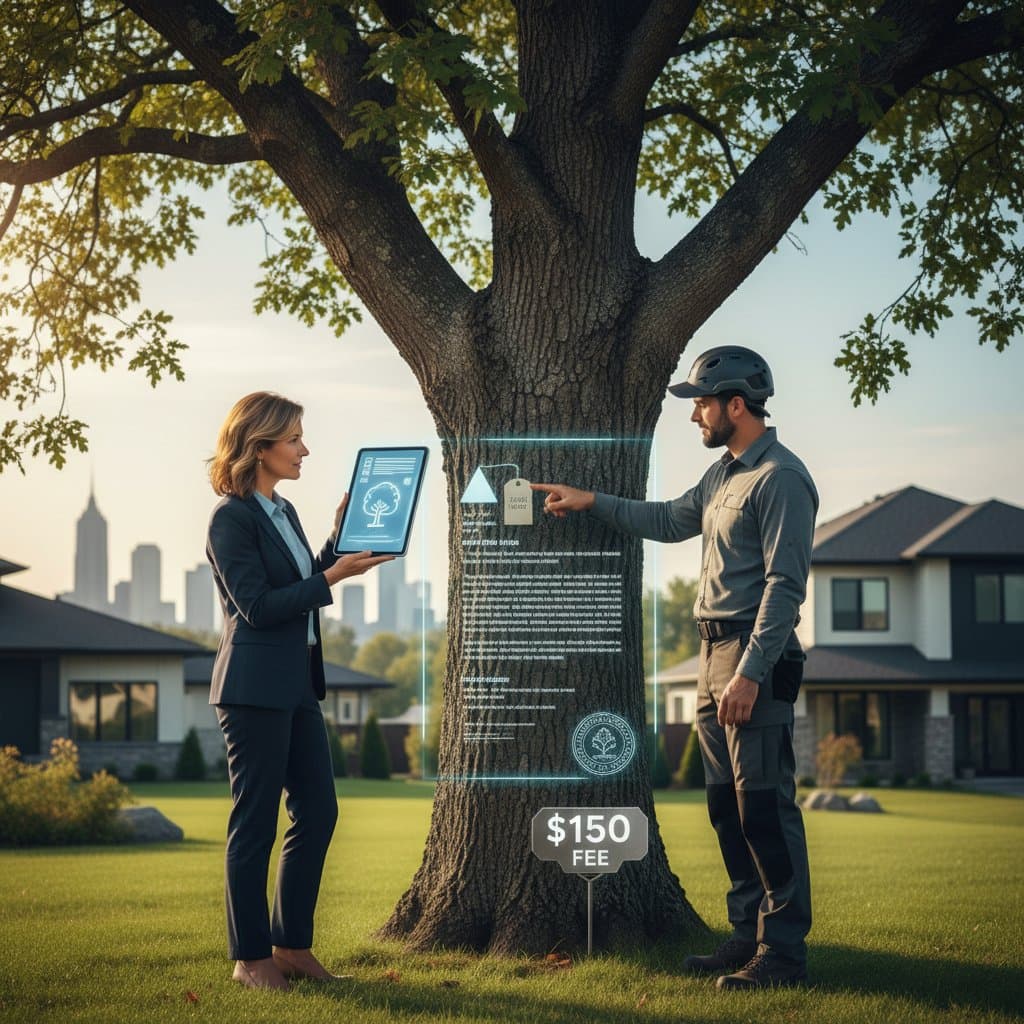
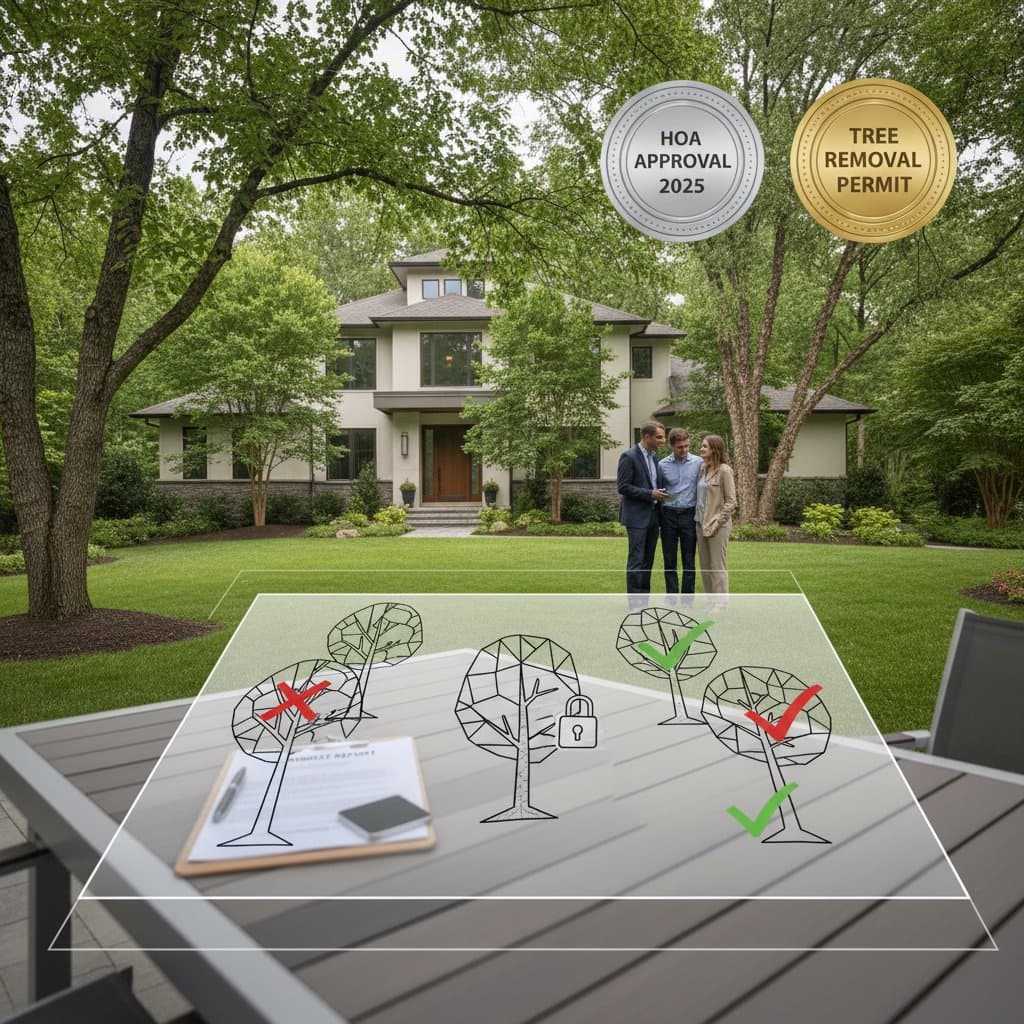
Homeowners encounter significant changes in 2025 tree ordinances, which introduce stricter permit requirements, higher fines, and broader heritage tree protections. These updates seek to safeguard urban forests, yet they often lead to uncertainty about compliance. Grasping tree classifications, the permit application process, and the need for professional expertise proves essential to sidestep penalties and manage this shifting regulatory environment effectively.
HOA landscaping rules encourage inventive hidden edible gardens that weave fruits, vegetables, and herbs into decorative designs. These spaces promote sustainability and fresh food access while upholding community standards. Discover proven methods to grow discreetly and thrive.
HOA prohibitions on visible vegetable gardens have ignited edible landscaping, where homeowners craft elegant, food-bearing yards. This guide covers design ideas, cost breakdowns, installation steps, and approval tactics to blend sustainability with neighborhood appeal.
Eight states, including California and New York, now mandate or incentivize permeable pavers to address stormwater runoff. These systems promote groundwater recharge and reduce flood risks in residential and commercial settings.
Eight states have implemented mandates for permeable pavers in stormwater management, promoting sustainable building practices. These surfaces minimize runoff, mitigate flooding risks, and safeguard water resources. Discover their mechanics, expenses, and reasons why property owners across the country adopt these durable, regulation-compliant systems.
Nationwide, homeowners and HOAs confront tensions over clover lawns, valued for eco-benefits yet restricted by uniformity rules. These clashes fuel lawsuits on rights, policy, and aesthetics, spotlighting debates on suburban beauty, duty, and liberty in yard design.
Eight states now mandate permeable hardscapes to combat flooding and pollution from traditional paving. These eco-friendly surfaces let rainwater soak into the ground, easing storm drain stress while supporting sustainability goals. Learn how costs, materials, and installation choices affect compliance, performance, and long-term savings for homeowners and builders nationwide.
A growing number of states now require permeable pavers in new construction, promoting sustainable practices that manage stormwater effectively. These surfaces offer higher initial costs but deliver substantial benefits, including flood reduction, waterway preservation, and durable outdoor areas. This guide covers essential types, pricing details, installation methods, and strategies for regulatory compliance.