
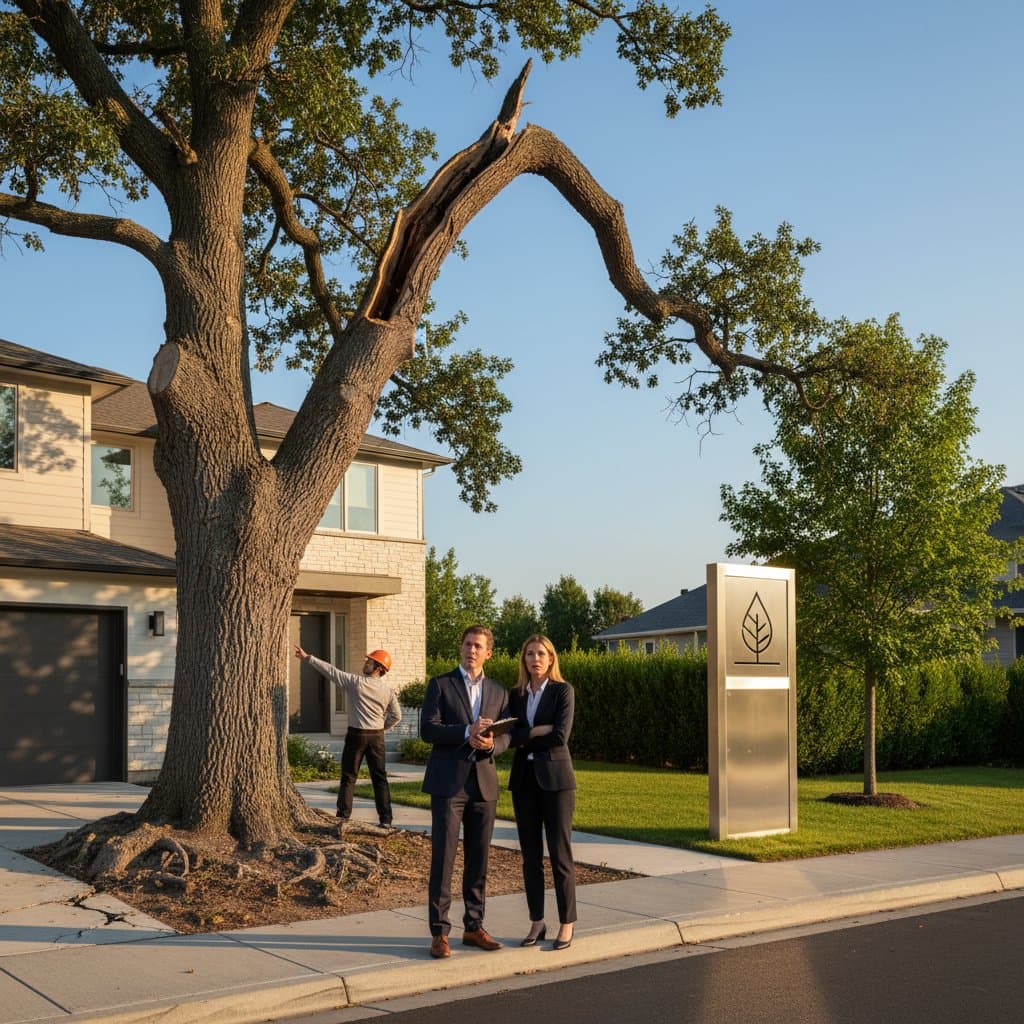
HOAs Face Lawsuits for Tree Removal Bans Nationwide
Homeowners associations across the United States encounter rising lawsuits due to rigid tree removal policies. Homeowners argue that these associations exceed their authority by rejecting requests to eliminate hazardous or diseased trees. Associations maintain that such policies safeguard neighborhood aesthetics and environmental benefits. State and local laws, intertwined with HOA bylaws, form a intricate regulatory framework that often leaves property owners feeling constrained and economically strained.
This escalating discord underscores the conflict between individual property rights and collective community norms. Trees enhance neighborhood appeal and provide shade, but unmanaged ones present genuine threats. Grasping the origins of these conflicts, the legal principles at play, and strategies for resolution proves vital for residents under HOA oversight.
Why Tree Removal Sparks Legal Disputes
Tree removal conflicts in HOAs typically begin with a straightforward petition. A resident identifies a tilting oak adjacent to their home or invasive roots disrupting pavement and submits a removal application. The HOA's denial, based on preservation guidelines, can leave the owner in a precarious position.
Although associations pursue noble aims, their restrictions occasionally contradict municipal safety standards or state property protections. This ambiguity fuels litigation, where judges evaluate if communal environmental objectives supersede personal safety needs.
Frequent lawsuit triggers encompass:
- Safety hazards from potential limb falls or root-induced structural harm.
- Health risks from trees fostering mold, allergens, or infestations.
- Economic burdens from repair expenses or elevated insurance premiums linked to tree damage.
- Uneven application of rules, where select residents receive approvals denied to others.
Case resolutions hinge on HOA covenant language, prevailing local tree regulations, and proof of the tree's danger.
Factors Shaping HOA Tree Policies
HOAs establish unique protocols, yet common elements dictate policy formulation and implementation.
Community Aesthetics
Associations prioritize consistent visual appeal throughout the area. Established trees boost shade and property values, prompting restrictions on removals to preserve overall harmony.
Environmental Commitments
Certain HOAs integrate rules with regional sustainability initiatives. They might mandate replacement plantings or contribution fees for removals. These measures promote ecological balance but may undermine urgent safety when ill trees persist.
Municipal Regulations
Local governments specify protected tree categories. Stricter HOA standards atop city codes demand dual adherence, complicating approvals.
Liability for Property Damage
Damage from a private tree to adjacent properties ignites responsibility debates. HOAs may step in to mitigate risks, yet removal bans could expose them to shared accountability.
Insurance Implications
Insurers often deny coverage for overlooked hazards. An HOA's prohibition on addressing a perilous tree might void claims, stranding owners between regulatory demands and fiscal vulnerabilities.
Categories of HOA Tree Restrictions
HOA policies on trees divide into primary types, each presenting distinct hurdles for residents.
Preservation Bans
These prohibit elimination of specific species or aged trees absent death or acute peril. Rigorous policies necessitate arborist evaluations prior to any approval.
Permit Processes
Associations permit removals solely via thorough applications. Residents supply records, images, and expert analyses. Though equitable, such systems delay responses to pressing dangers.
Replacement Mandates
Removals proceed only with commitments to install equivalent replacements in size or type. This sustains foliage density but escalates costs for substantial specimens.
Indicators for Contesting HOA Tree Decisions
Not all rulings merit escalation, but specific signals suggest pursuing counsel or appeals.
- Apparent rot or hollow cores signaling collapse risk.
- Roots eroding pavements, walkways, or utilities.
- Persistent rejections despite arborist validations.
- Disparate handling compared to approved neighbor cases.
- HOA oversight of reported threats.
When safety or asset worth hangs in balance, residents may challenge the association's jurisdictional bounds.
Navigating the Legal Pathway
Failed dialogues can accelerate to formal proceedings. Familiarity with steps empowers informed choices.
Document the Issue
Capture vivid images of the tree, damages, and HOA interactions. Secure a certified arborist's evaluation affirming hazard or illness.
Examine Governing Documents
Bylaws, covenants, and design standards detail dispute protocols. Certain HOAs stipulate mediation as a lawsuit prerequisite.
Pursue Mediation or Arbitration
Neutral facilitation resolves many matters sans court. Outcomes might include trimming compromises or scheduled inspections over full extraction.
Initiate a Claim
Post-mediation failure, assert that denial breaches state rights or safety mandates. Adjudicators assess proofs, including specialist input, for reasonableness.
Judicial Ruling and Compliance
Favorable decisions compel HOAs to permit actions, compensate losses, or amend policies. Recoverable attorney costs occur in select instances.
Weighing DIY Removal Against Professional Services
Some residents contemplate unapproved extractions. This path invites severe penalties from associations and officials.
Engaging licensed arborists guarantees adherence to protocols and yields credible records. Experts can identify ordinance-protected varieties, gauge stability, and suggest secure techniques. Projects range from hundreds to thousands in cost, influenced by scale, site, and intricacy; proximity to buildings demands advanced tools and permits.
Self-attempts risk grave harm or further destruction. Professionals hold insurance and employ proven methods to curb dangers.
Selecting a Reliable Arborist
The ideal specialist bolsters HOA negotiations. Prioritize:
- Certification from accredited bodies.
- Active liability and workers' coverage.
- Local regulatory and HOA familiarity.
- Proven HOA-area projects.
- Comprehensive bids covering work, cleanup, and alternatives.
Such experts execute safely while furnishing persuasive paperwork.
Essential Queries for Tree Service Providers
Prior to agreements, inquire:
- Do you manage HOA or municipal permit filings?
- What safeguards protect surrounding areas during operations?
- Can you furnish certification and insurance verification?
- Do services include stump removal and waste disposal?
- What is the full timeline?
These clarifications avert issues and affirm regulatory alignment.
HOA Defenses and Resident Rebuttals
Litigation sees HOAs deploying standard positions. Anticipate and counter them.
- Defense: Tree preserves aesthetic integrity.
Rebuttal: Documented perils prioritize safety over visuals. - Defense: Procedural lapses by owner.
Rebuttal: Records of compliance efforts show diligence. - Defense: HOA deems tree sound.
Rebuttal: External certified reviews offer superior validation. - Defense: Covenants immunize association.
Rebuttal: Rulings affirm HOAs cannot impose resident-endangering or law-violating rules.
Preparation fortifies positions.
FAQ: Addressing Common Concerns
Can an HOA Block Removal of a Hazardous Tree?
Associations regulate but cannot bar imminent threat mitigation. Arborist certification of danger supports overrides via documentation.
Who Bears Blame for HOA-Protected Tree Damage?
Governing texts and statutes determine fault. Proven denial of risk evidence may implicate the association.
Are Multiple Arborist Reports Necessary?
A single certified one suffices typically, but additions reinforce amid disputes.
Do Fines Apply for Unauthorized Removals?
Yes, penalties span hundreds to thousands. Adhere to application and appeal routes.
Must Replacements Follow Removals?
Frequent bylaws demand equivalent plantings for aesthetics. Consult documents for specifics.
How Long to Settle Disputes?
Mediation wraps in weeks; litigation extends months with proofs.
What If State Law Clashes with HOA Policy?
Statutes prevail, safeguarding rights and hazard responses over bylaws.
Safeguarding Assets Amid Community Obligations
Balancing personal security with collective ideals requires proactive steps. Gather expert insights early, document diligently, and engage mediation to avert escalation. This approach protects homes while fostering harmonious neighborhoods.