
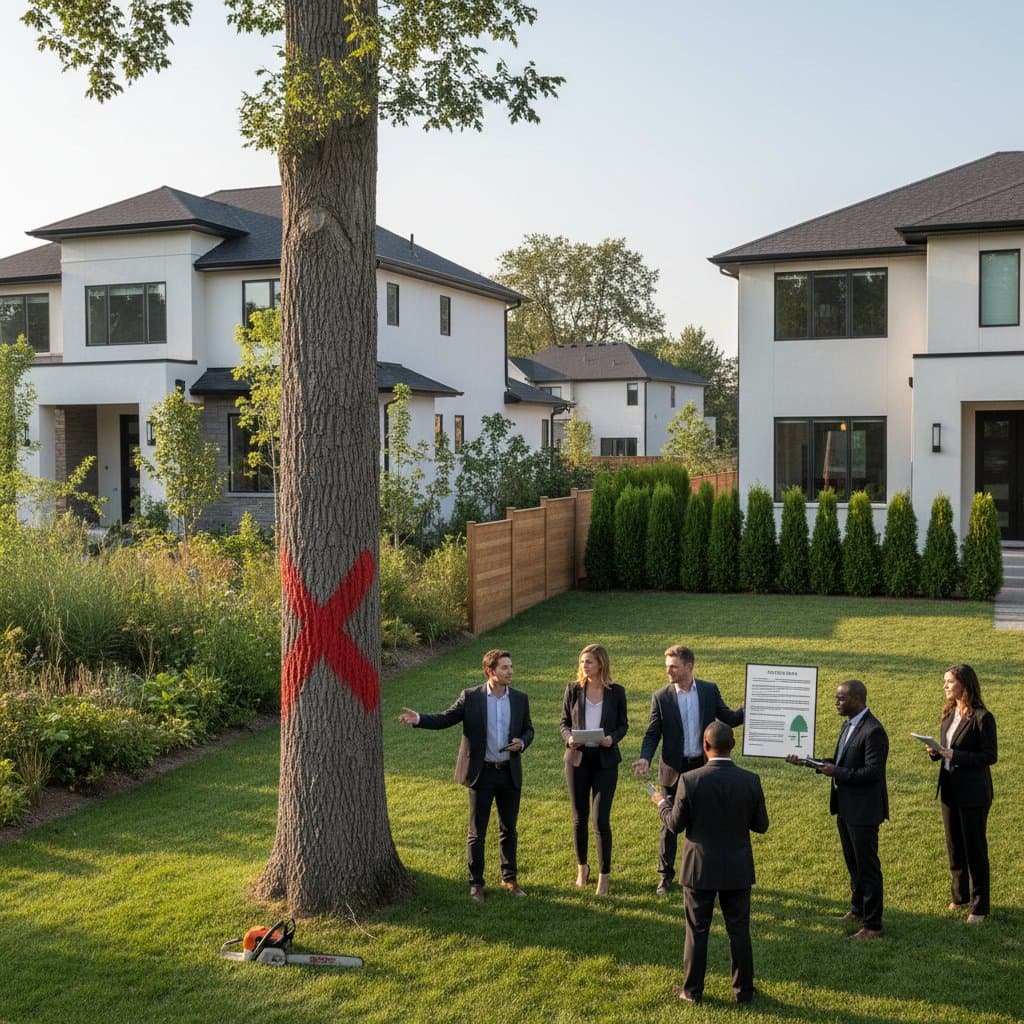
HOA Tree Rules Spark Expensive Legal Battles
Homeowners associations often impose strict rules on landscaping, including trees, to maintain community aesthetics and property values. These regulations can lead to significant conflicts when homeowners wish to plant or preserve trees that violate HOA guidelines. Such disputes frequently escalate into legal battles, resulting in fines, court costs, and emotional strain for all parties involved.
Understanding the root causes of these issues helps homeowners anticipate problems and seek resolutions. This article explores the nature of HOA tree rules, the reasons behind disputes, homeowner rights, and practical steps to navigate or avoid legal challenges. By gaining this knowledge, individuals can protect their properties while fostering harmonious community living.
The Scope of HOA Tree Regulations
HOA tree rules typically cover planting, maintenance, removal, and even species selection. Associations may prohibit certain trees due to concerns about root damage to sidewalks, excessive shade on neighboring properties, or allergens. For instance, fast-growing species like silver maples might face bans because of their potential to disrupt infrastructure over time.
These rules appear in governing documents such as covenants, conditions, and restrictions, or CC&Rs. Enforcement varies by community, with some HOAs requiring pre-approval for any tree over a specific height or diameter. Violations can trigger warnings, fines starting at several hundred dollars, or demands for immediate removal.
Communities in arid regions, such as parts of California or Arizona, often restrict water-intensive trees to conserve resources. In contrast, suburban neighborhoods in the Midwest might focus on preventing overgrowth that blocks views or increases maintenance burdens. Regardless of location, these policies aim to balance individual freedoms with collective standards.
Reasons Conflicts Ignite
Disputes arise when HOA rules clash with personal preferences or practical needs. A homeowner might plant a beloved oak tree for shade and environmental benefits, only to receive a violation notice citing size restrictions. Environmental advocates argue that such bans hinder urban greening efforts, which combat climate change and improve air quality.
Property value concerns fuel many battles. HOAs claim uniform landscaping preserves resale appeal, but opponents contend that diverse tree cover enhances curb appeal and ecological value. Legal experts note that vague language in rules, such as undefined terms like "nuisance trees," invites interpretation disputes.
Enforcement inconsistencies exacerbate tensions. One homeowner faces penalties for a modest elm, while another ignores similar rules without consequence. This perceived unfairness often leads to formal complaints, mediation requests, or lawsuits alleging breach of fiduciary duty by the HOA board.
Nationwide examples illustrate the scale. In Florida, a case involving palm tree removals resulted in a $50,000 settlement due to improper notice procedures. Similarly, Colorado homeowners sued over oak preservation mandates, highlighting tensions between wildlife habitats and aesthetic uniformity.
Homeowner Rights Under the Law
Homeowners possess certain protections against overreaching HOA authority. State laws govern associations, with many requiring rules to be reasonable and uniformly applied. For example, California's Davis-Stirling Act mandates that tree regulations align with community documents and provide due process for violations.
Federal regulations, such as the Fair Housing Act, may apply if rules discriminate based on protected characteristics, though tree bans rarely trigger this directly. Property owners retain rights to quiet enjoyment of their land, meaning HOAs cannot arbitrarily dictate landscaping without justification.
Reviewing CC&Rs proves essential. If a rule lacks clear adoption procedures or conflicts with local ordinances, it might hold no legal weight. Homeowners can also challenge fines through internal appeals, arguing procedural errors like insufficient notification periods.
Consulting an attorney specializing in real estate or HOA law offers clarity. Initial consultations often cost under $300 and can determine if a case warrants escalation. Knowledge of these rights empowers individuals to respond assertively without immediate litigation.
Steps to Resolve Legal Disputes
When a tree-related violation occurs, act promptly to de-escalate. First, request a written explanation from the HOA, citing specific rule sections. Document all communications, including photos of the tree and surrounding area, to build a factual record.
Propose compromises, such as trimming the tree to meet height limits or replacing it with an approved species. Many disputes resolve at this stage through board hearings, where presenting evidence of the tree's benefits, like erosion control, can sway decisions.
If informal efforts fail, pursue formal mediation. Most states encourage this low-cost alternative to court, often facilitated by neutral third parties. Prepare by gathering witness statements from neighbors who support your position.
Litigation serves as a last resort due to expenses, which can exceed $10,000. Successful claims might recover fines and attorney fees, but outcomes vary. Courts generally defer to HOA authority unless rules prove arbitrary or unenforceable.
- Gather documentation on the violation and rule in question.
- Submit a written appeal to the HOA board within the specified timeframe.
- Attend any hearing with prepared arguments and alternatives.
- Seek mediation if the appeal denies relief.
- Consult legal counsel before filing a lawsuit.
Strategies for Prevention
Preventing conflicts starts with due diligence before purchasing property. Review HOA documents thoroughly, focusing on landscaping sections. Attend board meetings to gauge enforcement styles and ask current residents about tree experiences.
Once settled, obtain pre-approval for any tree planting. Submit detailed plans, including species, mature size, and placement diagrams. This proactive step avoids surprises and demonstrates respect for community standards.
Engage with the HOA board early. Join committees or volunteer to influence rule updates, advocating for balanced policies that accommodate native trees for biodiversity. Educate neighbors through informal discussions to build consensus on environmental priorities.
Maintain trees responsibly to sidestep issues. Regular pruning prevents overgrowth, and professional assessments can address potential problems like disease. These habits not only comply with rules but also enhance property appeal.
Local resources, such as extension services from universities, provide guidance on suitable species. Selecting drought-tolerant or low-maintenance options aligns with HOA goals while meeting personal needs.
Safeguarding Your Property and Peace
Navigating HOA tree rules requires a blend of awareness, communication, and preparation. By understanding regulations and asserting rights thoughtfully, homeowners can plant and preserve trees without derailing into costly disputes. This approach preserves both natural beauty and financial stability.
Ultimately, collaborative efforts between residents and associations foster thriving communities. When tree policies evolve to support sustainability alongside aesthetics, everyone benefits from greener, more valuable neighborhoods. Take these insights to heart, and transform potential battles into opportunities for growth.