
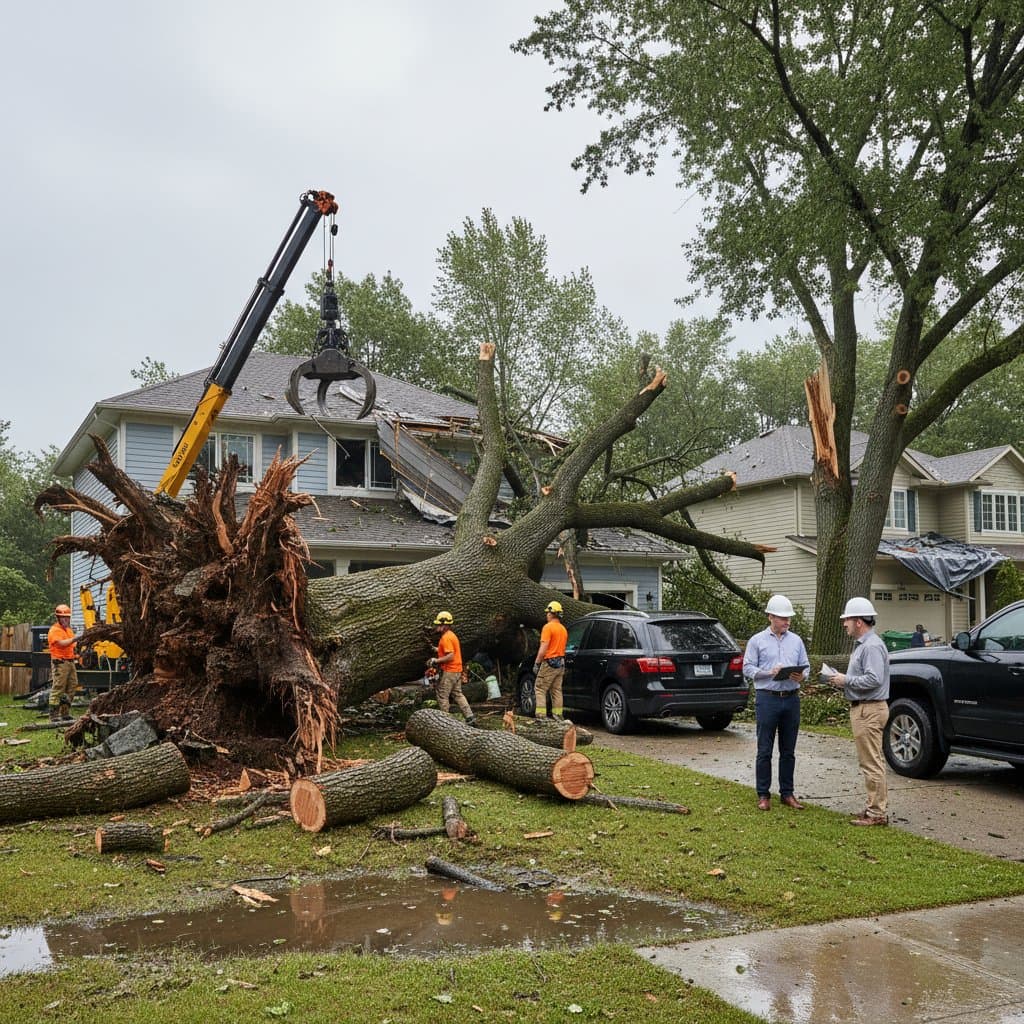
Why Severe Storms Tripled Tree Insurance Claims
Homeowners nationwide faced a dramatic increase in tree-related insurance claims following a series of intense storms in 2025. High winds, prolonged heavy rains, and waterlogged soils created ideal conditions for trees to fail. This analysis explores the factors behind the claim surge, details how insurance policies address such damage, and outlines steps homeowners can take to mitigate risks ahead of future severe weather.
The following sections break down the causes of heightened tree vulnerability, common types of damage, and strategies for effective response and prevention.
Tree Damage and Insurance Costs
National Average Cost
Storm-induced tree failures often lead to substantial expenses for removal and repairs. The average cost for removing a single tree ranges from $500 to $2,500, influenced by the tree's size, location, and the complexity of the job. When a tree strikes a home, vehicle, or fence, additional repair costs can escalate the total to $5,000 or more. Standard homeowners insurance covers these removals if the tree causes damage to covered structures or impedes property access.
Cost by Project Size or Type
- Single Tree Removal: Smaller trees, under 30 feet, typically cost $300 to $800, while large specimens exceed $1,500 due to the need for cranes or extensive cutting.
- Emergency Removal: Urgent jobs after storms command premiums of 20 to 50 percent higher, as crews prioritize safety and use specialized tools like aerial lifts.
- Debris Cleanup: Hauling away branches and stumps without structural impact averages $200 to $600 per site, rising with volume from multiple failures.
- Property Damage Repair: Fixing roofs or restoring landscapes adds $1,000 to $10,000, depending on the extent of impact from fallen debris.
Key Cost Factors
Multiple elements determine the final price tag for storm-related tree services:
- Tree Size and Species: Dense hardwoods like oaks require more labor than softer pines, with diameters over 24 inches doubling costs.
- Location and Access: Proximity to buildings or utilities demands precise rigging techniques, increasing expenses by up to 30 percent.
- Extent of Damage: Trimming broken limbs costs less than full uprooting, which may involve stump grinding and soil restoration.
- Labor Availability: Post-storm demand spikes rates, as certified crews book solid for weeks in affected regions.
- Disposal Fees: Local regulations often add $50 to $200 per load for green waste transport and landfill fees.
Why Tree Insurance Claims Spiked
Intensified Storm Activity
Weather systems in 2025 delivered sustained winds over 50 mph and rainfall totals exceeding 10 inches in many areas. These forces overwhelmed tree stability, particularly when soils reached saturation points after weeks of precipitation. Even resilient species succumbed when gusts combined with weakened anchors in the ground.
Aging Urban Canopies
Decades-old trees dominate suburban landscapes, many planted in the mid-20th century. Age brings internal issues like heartwood decay and shallow root systems, exacerbated by urban soil compaction. Without intervention, these veterans pose greater threats during extreme events, contributing to a threefold claim increase.
Inadequate Maintenance
Neglected pruning allows weak branches to overload in winds, while unaddressed deadwood invites failure. Compacted earth around tree bases limits root expansion, reducing anchorage. Homeowners who skip routine care face higher odds of damage, as evidenced by claim data showing 40 percent more incidents in under-maintained properties.
Soil Saturation and Root Failure
Prolonged rains erode soil cohesion, turning firm ground into a slurry that releases roots. Trees stable in arid conditions uproot readily under these dynamics, with winds providing the final push. This mechanism accounted for over half of reported failures in storm-hit zones.
Insurance Gaps and Misunderstandings
Policyholders often learn too late that coverage excludes undamaged fallen trees or preventive removals. Standard policies reimburse only when damage occurs to insured items, leaving lawn debris to homeowners. Reviewing endorsements for debris removal or tree valuation clarifies limits and prevents claim denials.
Types of Tree Damage
Uprooted Trees
Full root exposure leads to complete topples, often crushing nearby assets. Immediate action averts escalation, such as rot in exposed roots, though costs soar for emergency intervention and site re-leveling.
Broken Limbs
Gusts shear major branches, which plummet onto vulnerable surfaces. Selective pruning preserves the tree in many cases, at a fraction of removal fees, but inspections reveal if underlying defects demand more.
Split Trunks
Wind torque causes vertical fissures, compromising integrity. Cabling or bracing can extend viability, yet weakened structures carry ongoing risks and may shorten the tree's life.
Debris Damage
Scattered limbs inflict superficial harm like dents or tears. These incidents qualify for policy payouts under comprehensive coverage, but patterns of limb drop signal broader health concerns requiring expert evaluation.
DIY vs. Hiring a Professional
DIY Challenges
Attempting personal removal exposes individuals to chainsaw risks, electrical hazards, and structural collapses. Suitable only for minor, isolated branches away from hazards, such efforts often lead to injuries or incomplete jobs that worsen over time.
Benefits of Hiring a Professional
Licensed arborists apply risk assessments, advanced gear, and liability coverage to ensure safe outcomes. They evaluate salvage potential, secure necessary approvals, and compile claim-supporting reports, streamlining insurance processes.
When to Hire a Professional
Engage experts for:
- Trees exceeding 20 feet in height.
- Debris entangled in utilities or buildings.
- Signs of instability like cracks or leans.
- Situations demanding photographic or written proof for claims.
How to File a Tree Insurance Claim
1. Assess Safety
Secure the site by isolating hazards, including downed lines, and evacuating the vicinity until professionals arrive.
2. Document the Damage
Capture high-resolution images from multiple angles, including before-and-after views, to substantiate the storm's role and damage scope.
3. Contact Your Insurance Company
Notify providers within 24 to 48 hours, supplying visuals, policy numbers, and preliminary service quotes to initiate the review.
4. Get Professional Estimates
Secure bids from at least two certified firms, detailing methods, timelines, and costs to facilitate insurer comparisons.
5. Proceed with Authorized Work
Execute approved services swiftly, retaining all financial records for submission during reimbursement requests.
6. Review Policy for Future Coverage
Post-resolution, audit limits and explore add-ons like scheduled tree protection to bolster defenses against recurring threats.
Tips for Reducing Tree Damage and Future Claims
- Schedule Regular Inspections: Annual checks by certified arborists identify decay or imbalances early, averting major failures.
- Prune Correctly: Target dead or rubbing limbs to lighten loads, steering clear of severe cuts that spur weak regrowth.
- Improve Drainage: Install French drains or grade slopes to shed water, preserving root hold in wet seasons.
- Mulch and Water Properly: Apply 2 to 4 inches of organic mulch around bases, watering deeply during dry spells to foster deep roots.
- Remove Hazard Trees in Advance: Proactively fell leaning or diseased specimens, weighing costs against potential storm liabilities.
Frequently Asked Questions
Does homeowners insurance cover tree removal after a storm?
Policies generally reimburse removal if the tree strikes covered property or obstructs access. Isolated falls without impact fall outside standard terms unless debris riders apply.
Will insurance pay to replace a fallen tree?
Replacement rarely qualifies under basic coverage; it focuses on structural repairs. Optional endorsements provide limited payouts for valued landscape elements.
How can I tell if my tree is at risk before a storm?
Inspect for tilts, splits, cavities, or basal fungi. Professional evaluations use tools like resistographs to gauge internal strength and advise interventions.
What should I do if a neighbor’s tree falls on my property?
File with your insurer, who handles subrogation if negligence factors in. Ownership does not shift responsibility in weather-related incidents.
How long does it take to process a tree damage claim?
Timelines range from days to weeks, accelerated by thorough submissions. High-volume events extend processing as adjusters manage backlogs.
Do I need a permit to remove a storm-damaged tree?
Emergencies often bypass requirements for imminent dangers, but confirm with authorities to sidestep penalties during non-urgent phases.
Strengthening Your Home Against Storm Risks
As climate shifts amplify storm intensity, proactive measures in tree health and policy awareness yield substantial safeguards. Homeowners who invest in assessments and targeted care minimize disruptions and financial hits. Begin by booking an arborist visit and auditing your coverage today to fortify resilience for seasons ahead.