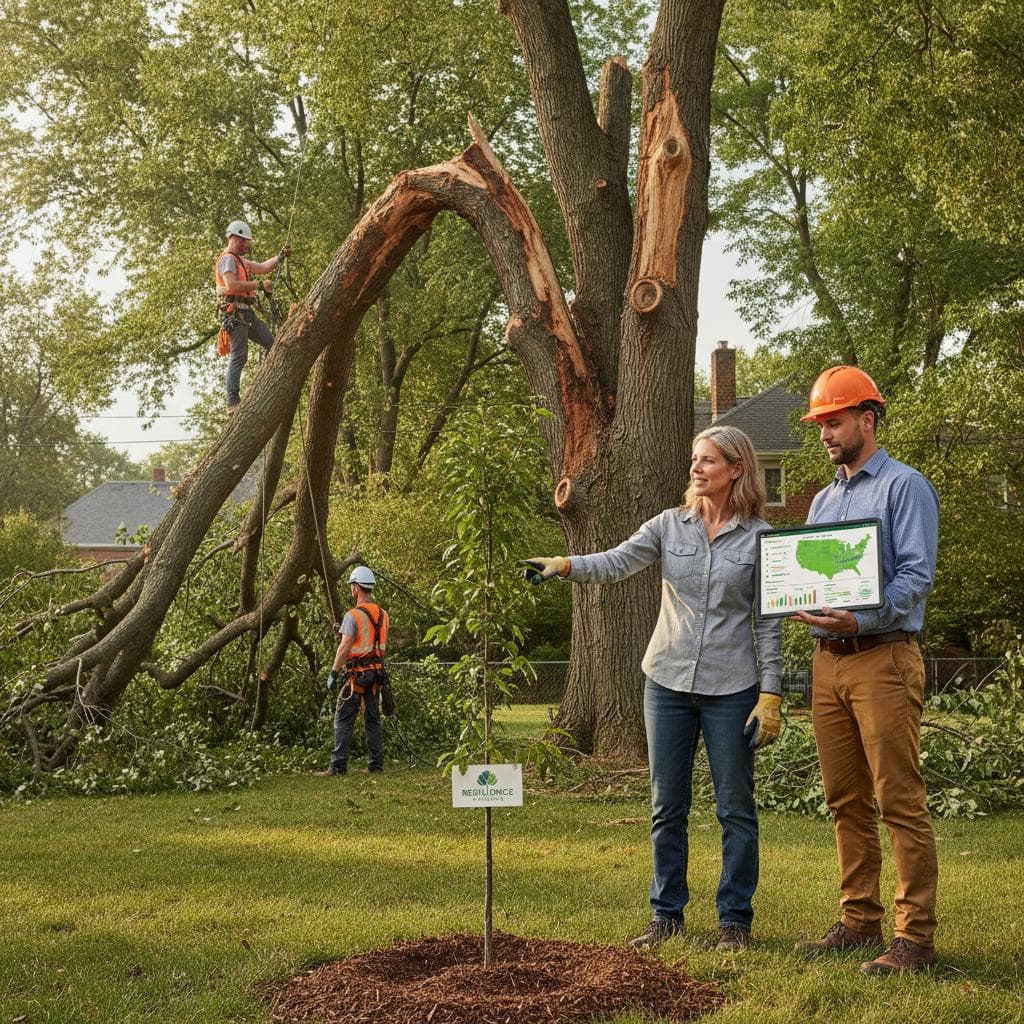
Texas Oak Wilt Emergency Removal Costs Surge
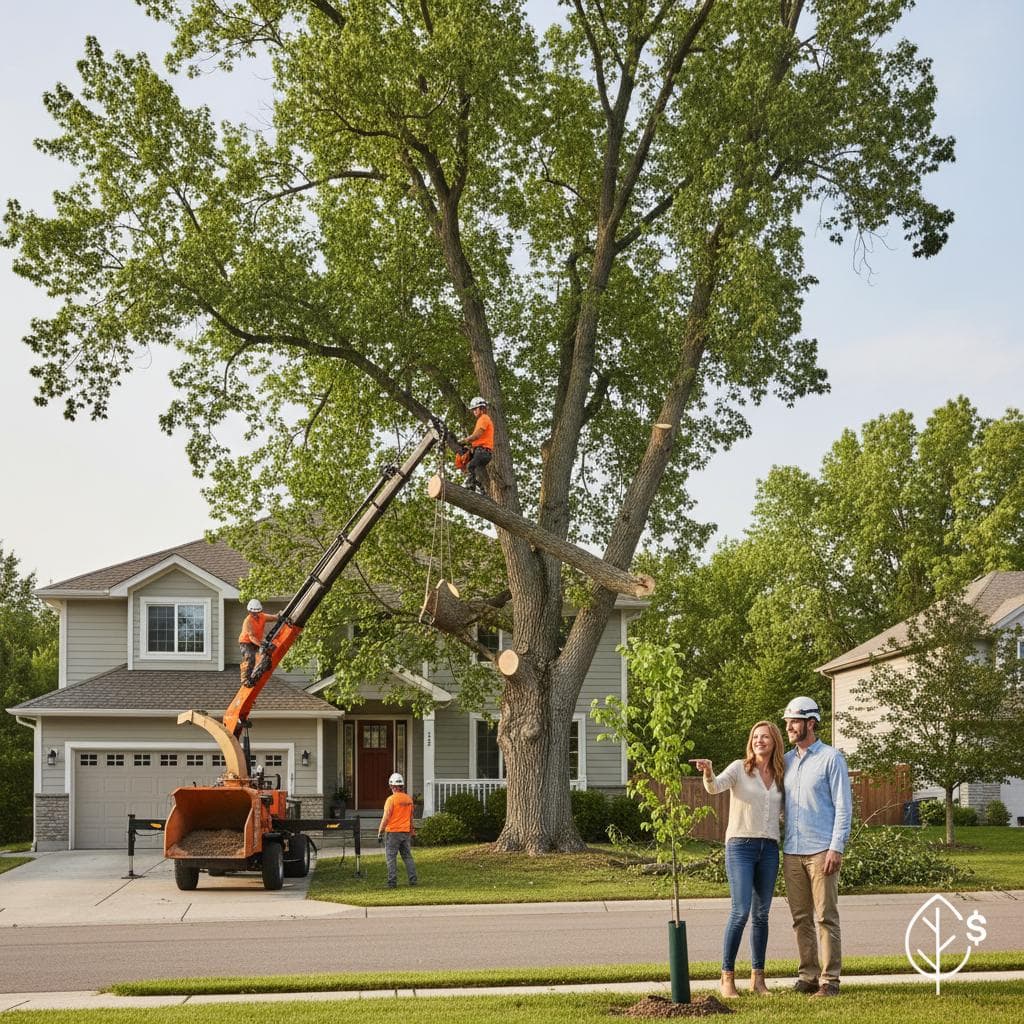
Texas homeowners face higher emergency tree removal costs as oak wilt spreads. Learn cost factors, professional removal steps, and practical ways to limit damage.
Loading...

Texas homeowners face higher emergency tree removal costs as oak wilt spreads. Learn cost factors, professional removal steps, and practical ways to limit damage.
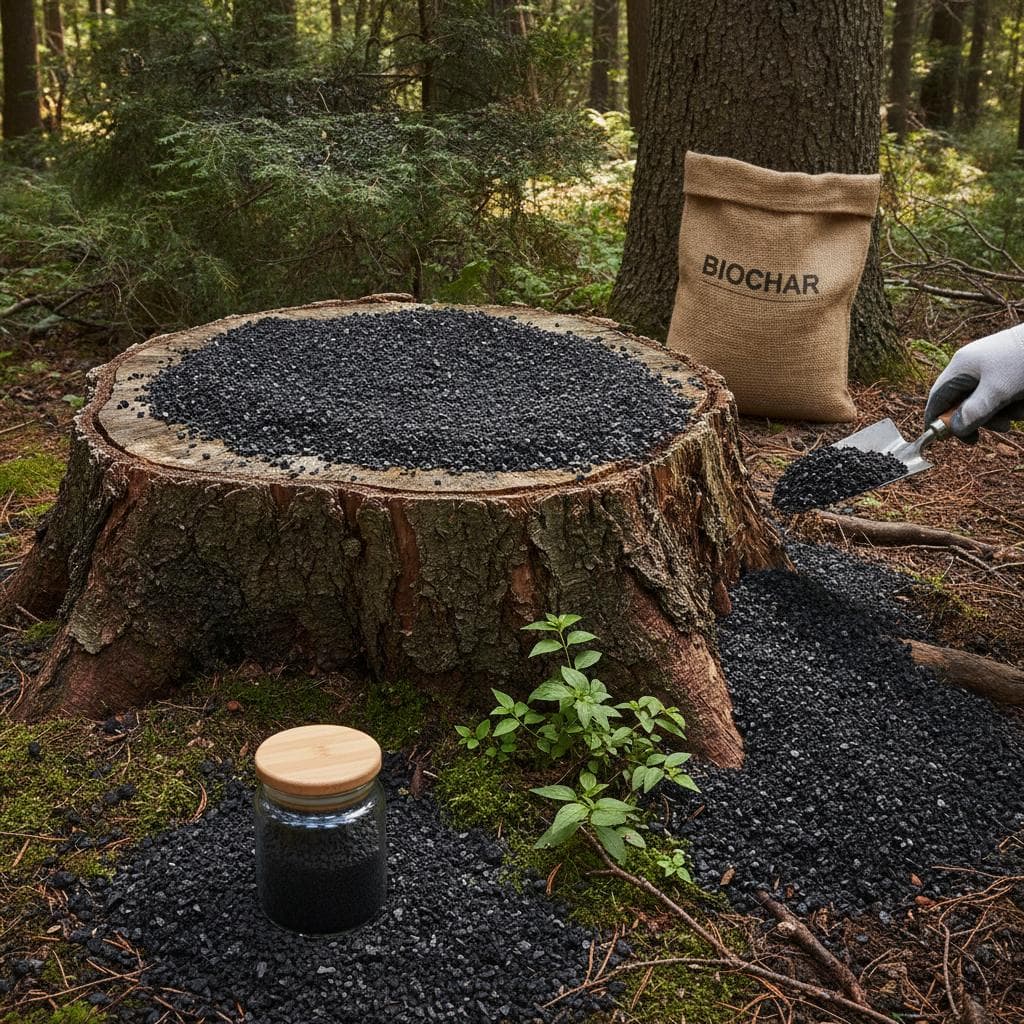
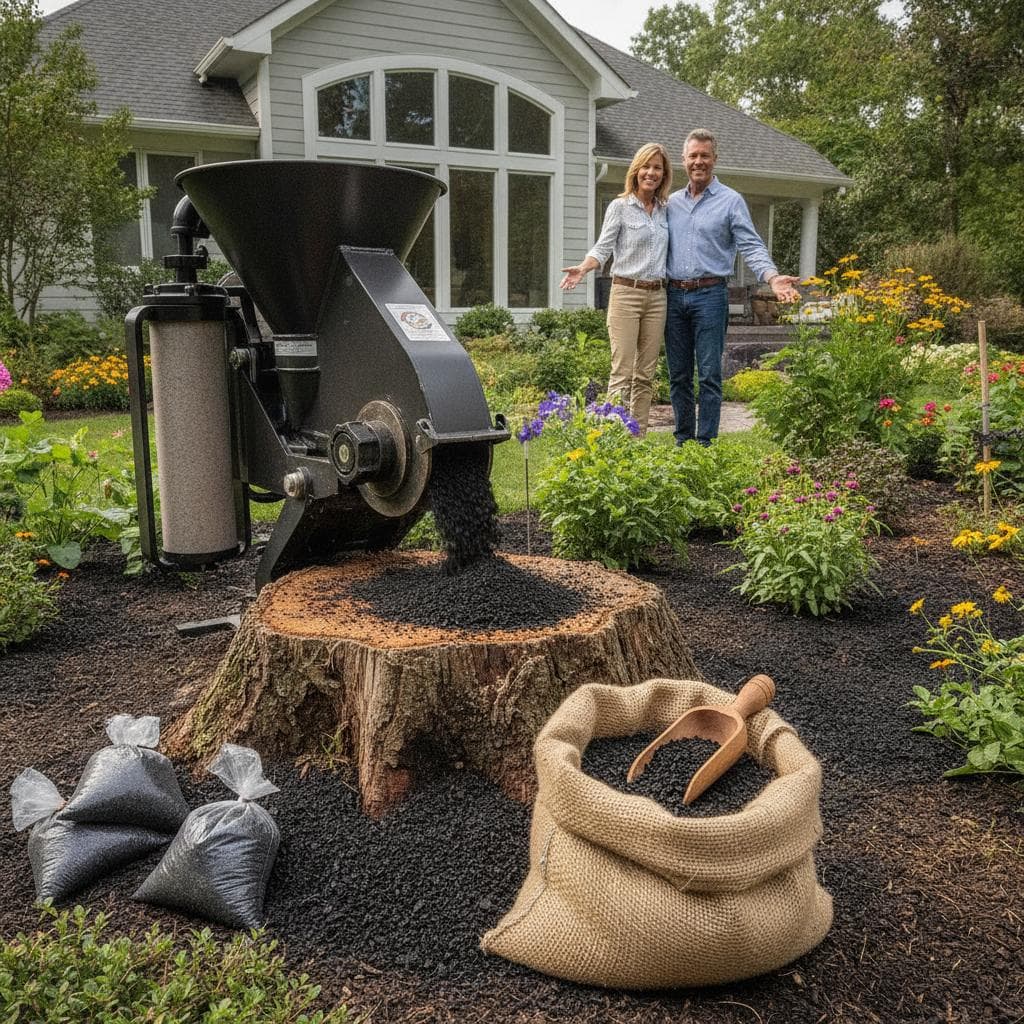
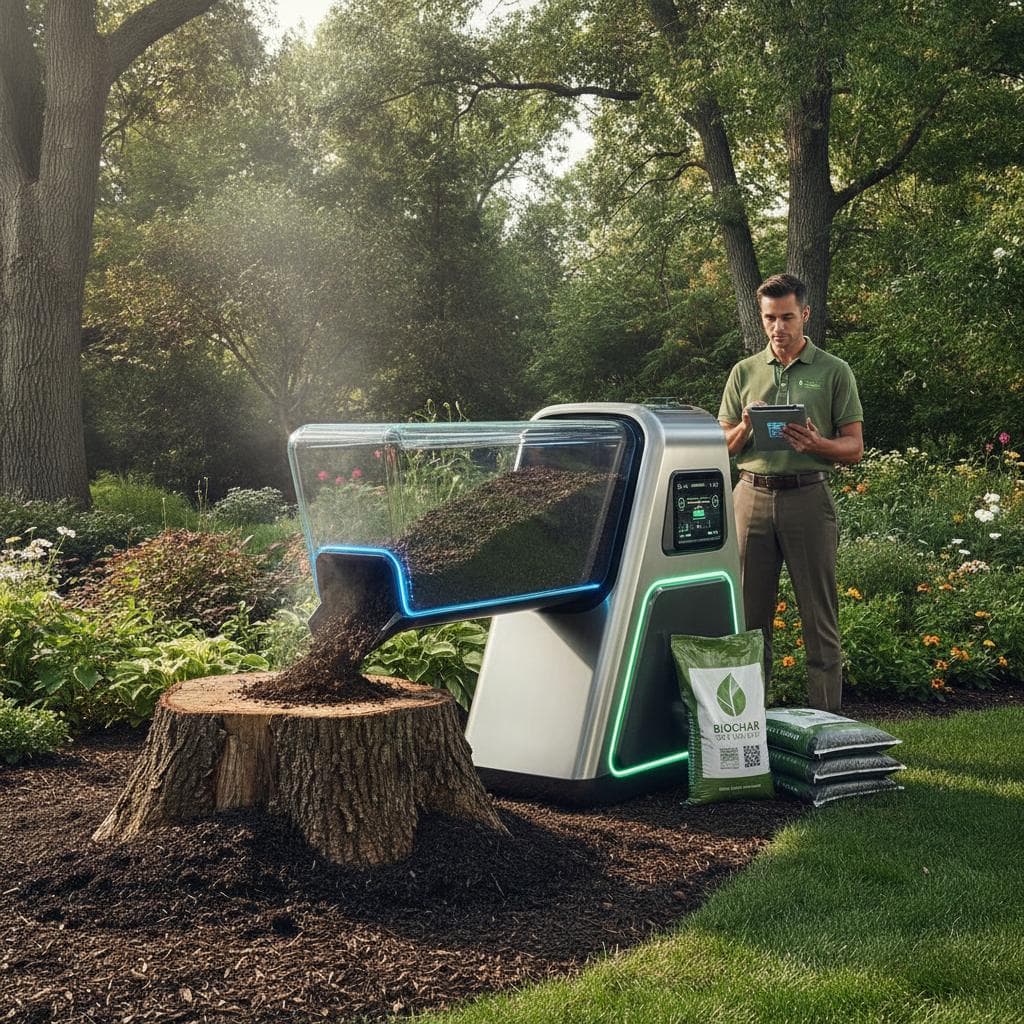
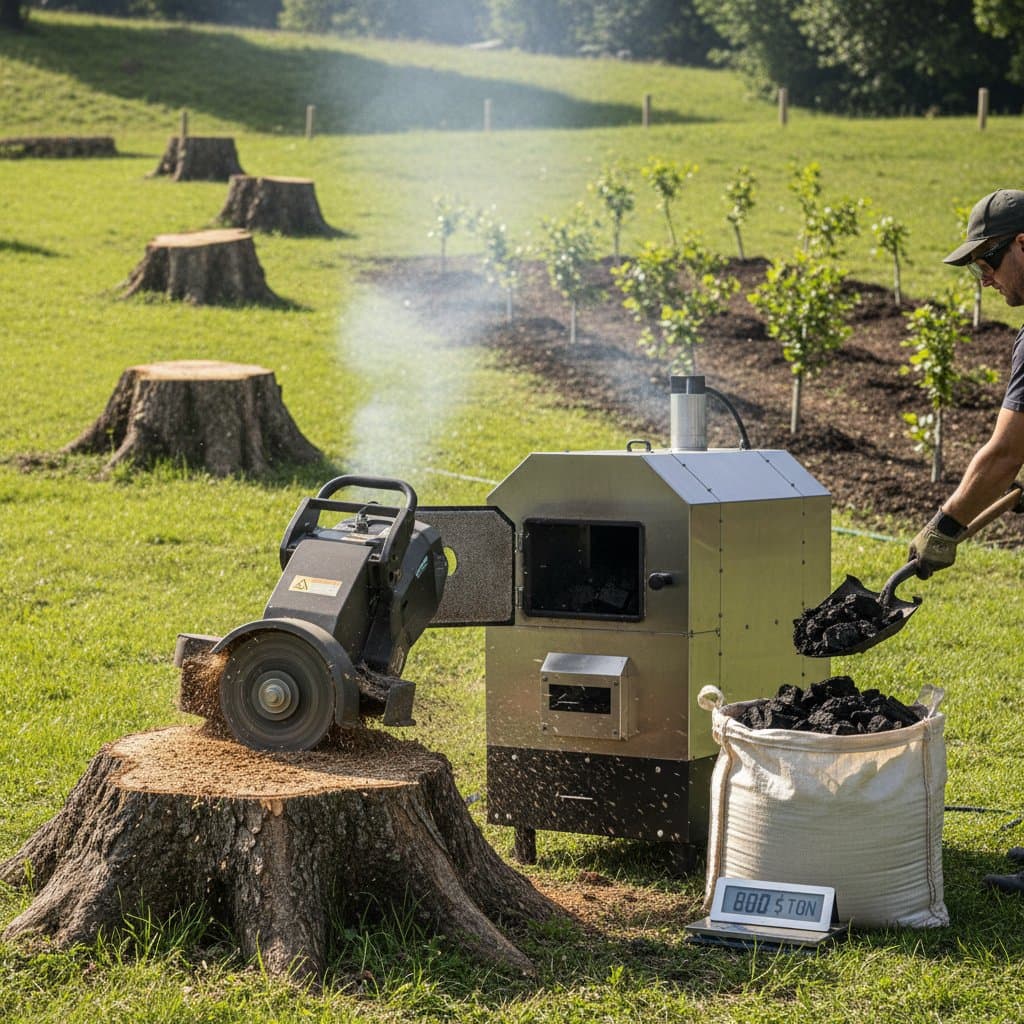
Biochar stump grinding removes stumps while producing a carbon rich soil amendment. The process improves site conditions, supports sustainable landscaping, and delivers measurable returns on property value.
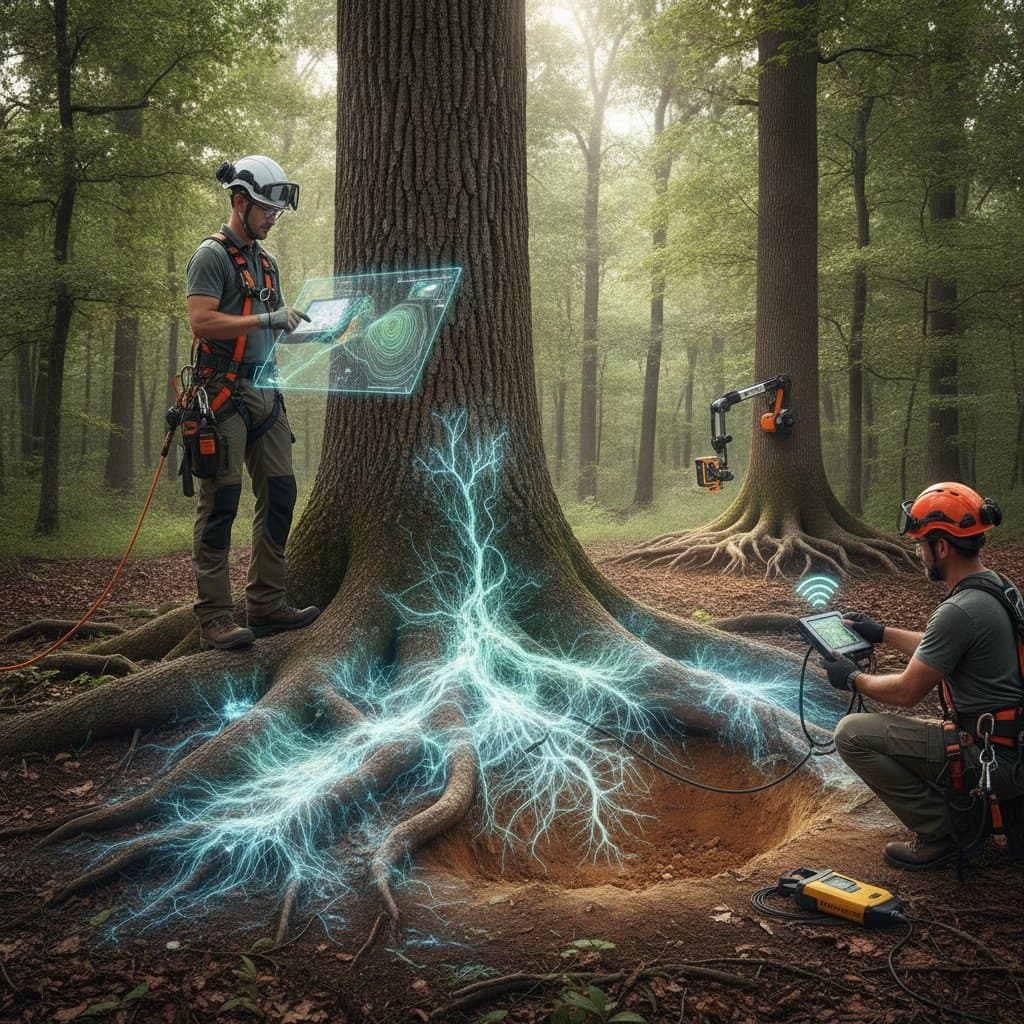
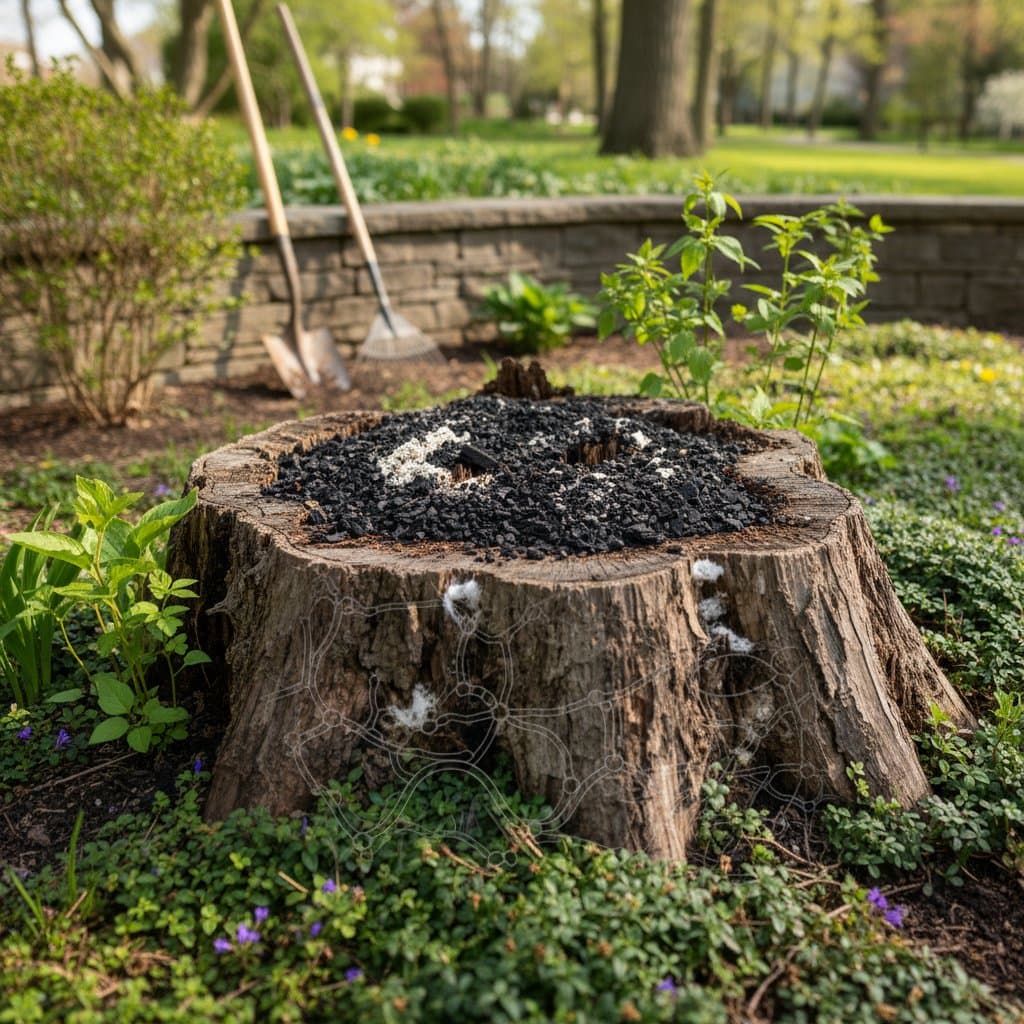
Mycelial mapping reveals underground fungal networks that stabilize roots and soil. This technique cuts tree removal risks by half, improves safety, and limits property damage. Discover the process, typical costs, and how certified arborists apply the method for safer, more precise work.
Emerald ash borer damage has affected ash trees across many regions. Funding programs in 23 states now help homeowners cover removal and replanting costs. This overview covers eligibility, typical expenses, and steps to apply for assistance.
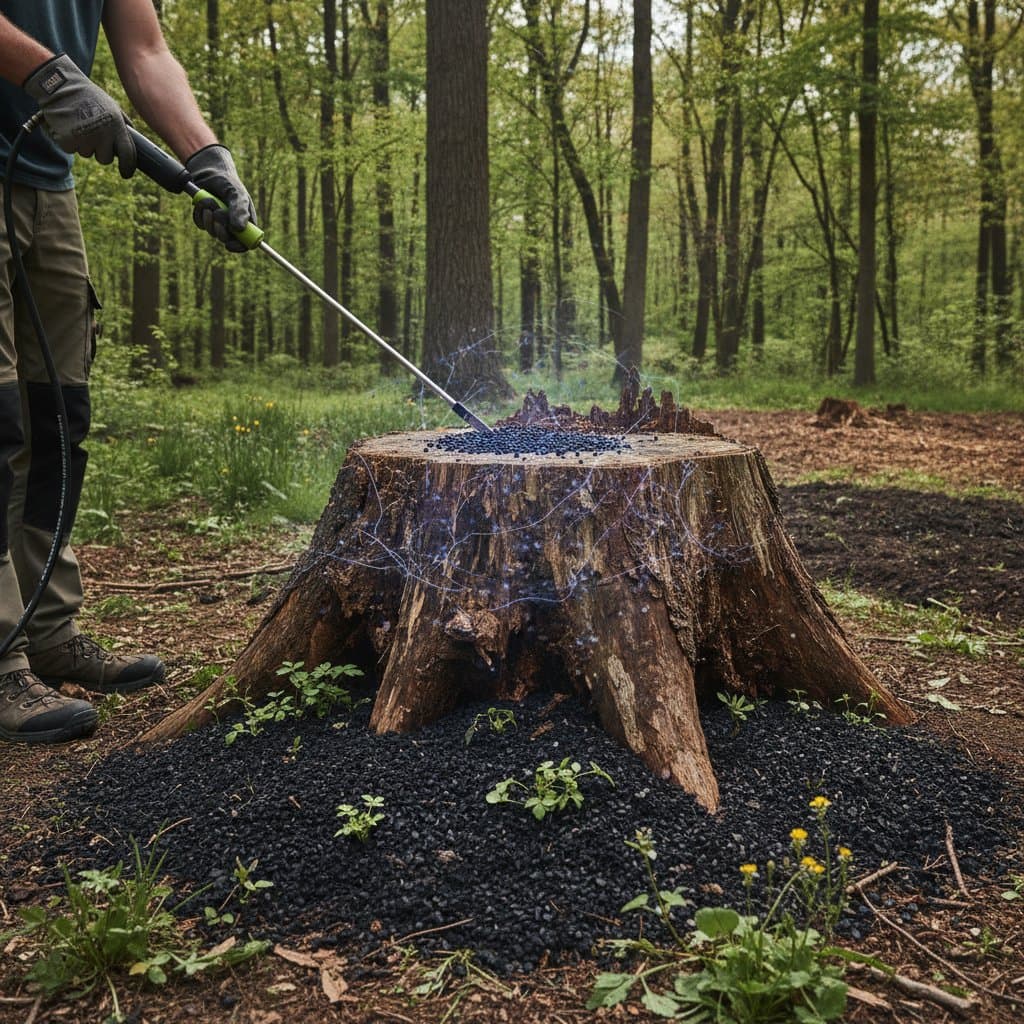
Biochar injection accelerates natural stump decay by as much as 70 percent while enriching soil. This method replaces mechanical grinding with precise microbial treatment for faster, cleaner results.
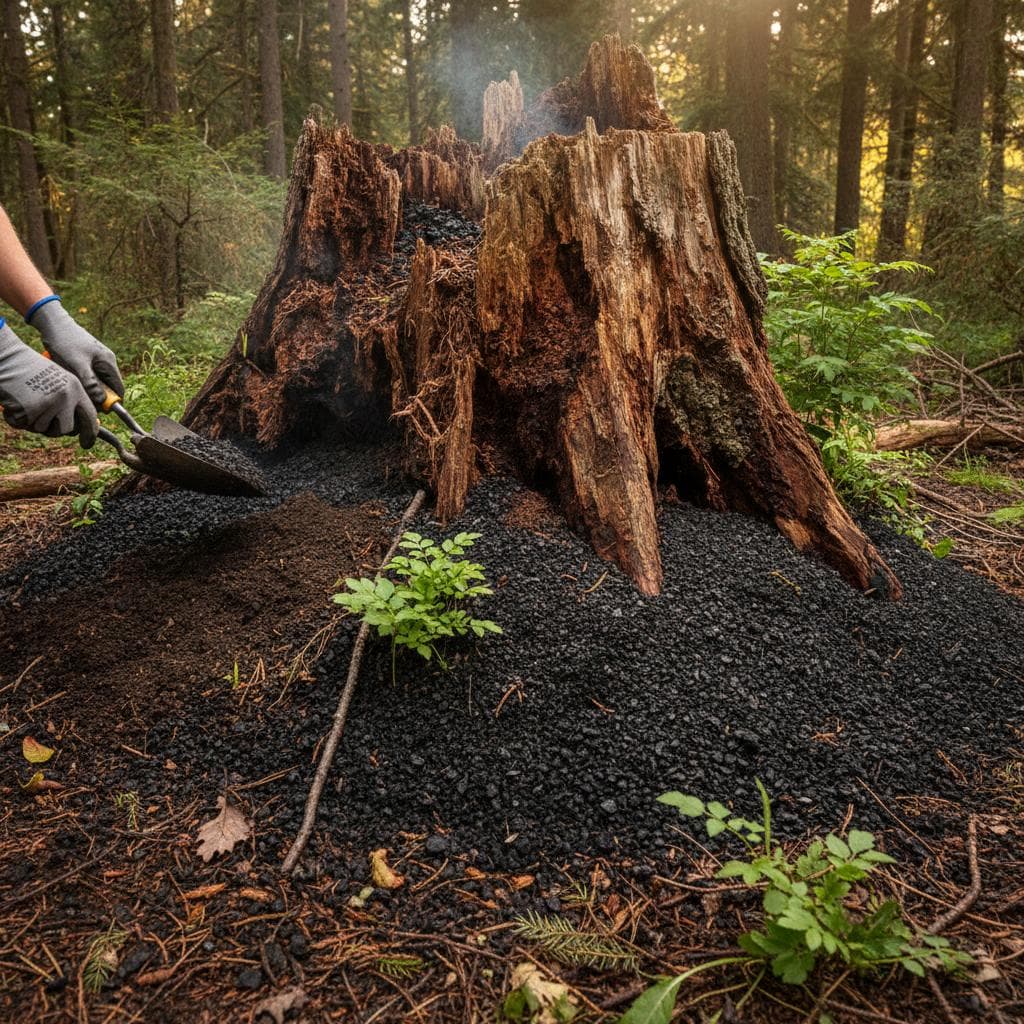
Biochar stump removal converts leftover wood into a stable soil amendment that stores carbon, improves moisture retention, and supports plant health for years after the tree is gone.
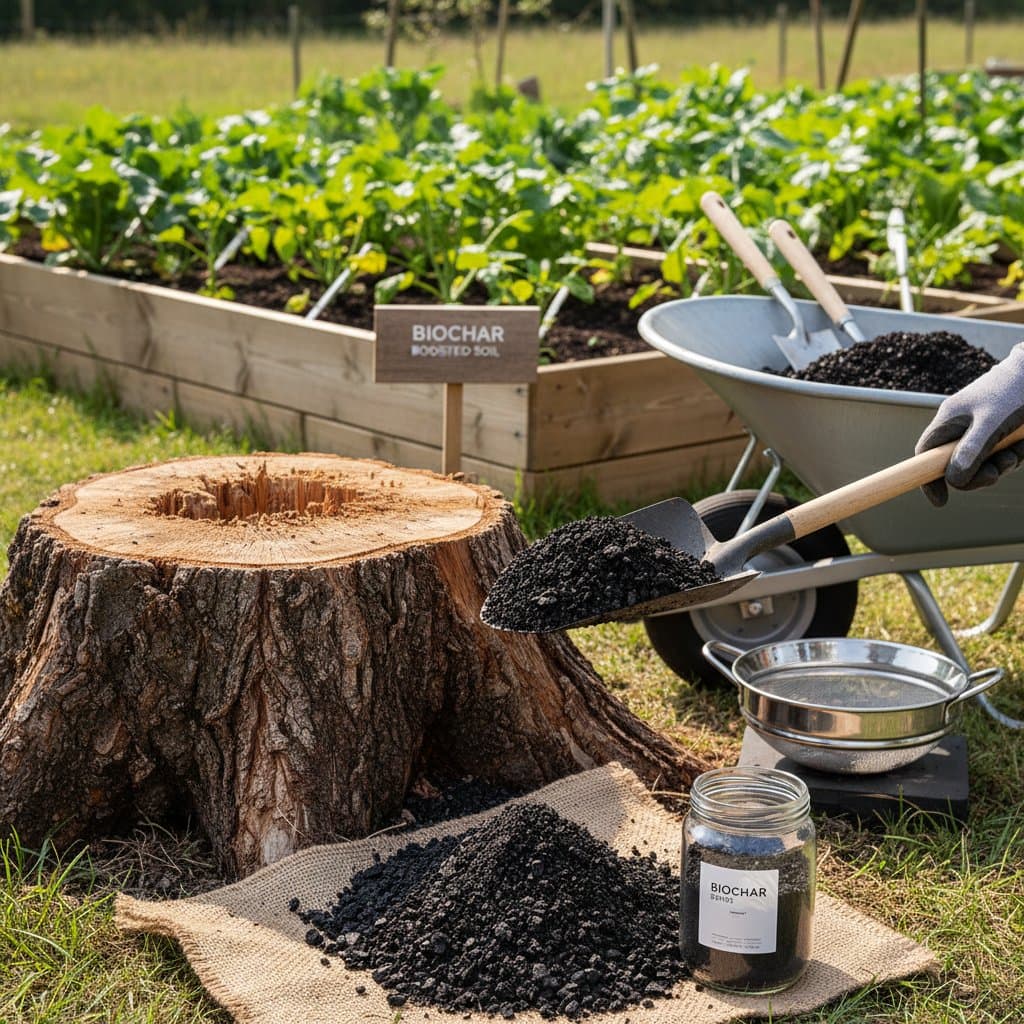
Transform stump waste into biochar that enriches garden soil and reduces disposal needs. Review costs, production methods, and actionable steps for creating a stable soil amendment at home.
Homeowners can receive $500 or more through ash tree buyback programs that reimburse removal of infested trees. These initiatives reduce hazards, limit pest spread, and support replanting with stronger species. Follow the steps to qualify and improve your landscape.
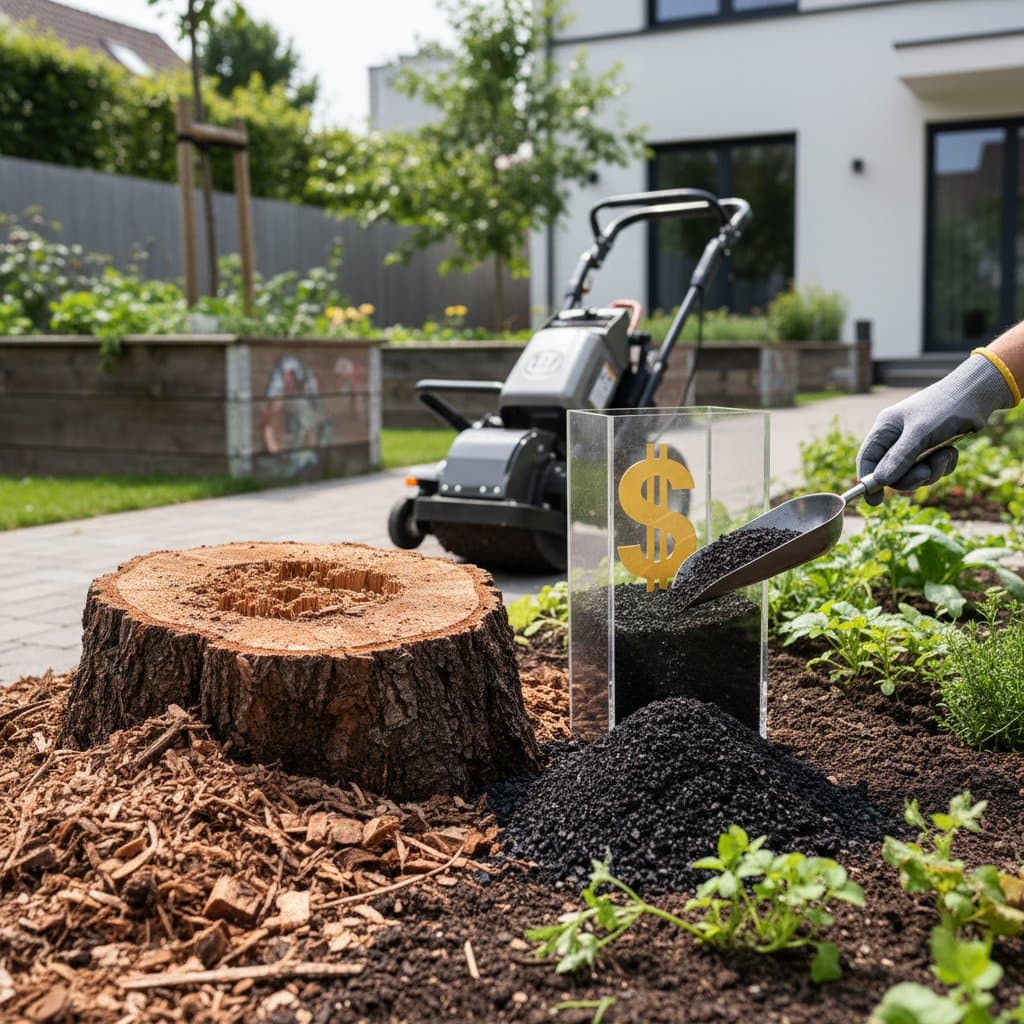
Old tree stumps can become a carbon-rich soil amendment worth up to $500 per cubic yard. Discover how biochar conversion transforms waste into a practical resource that builds healthier gardens and supports sustainable practices.
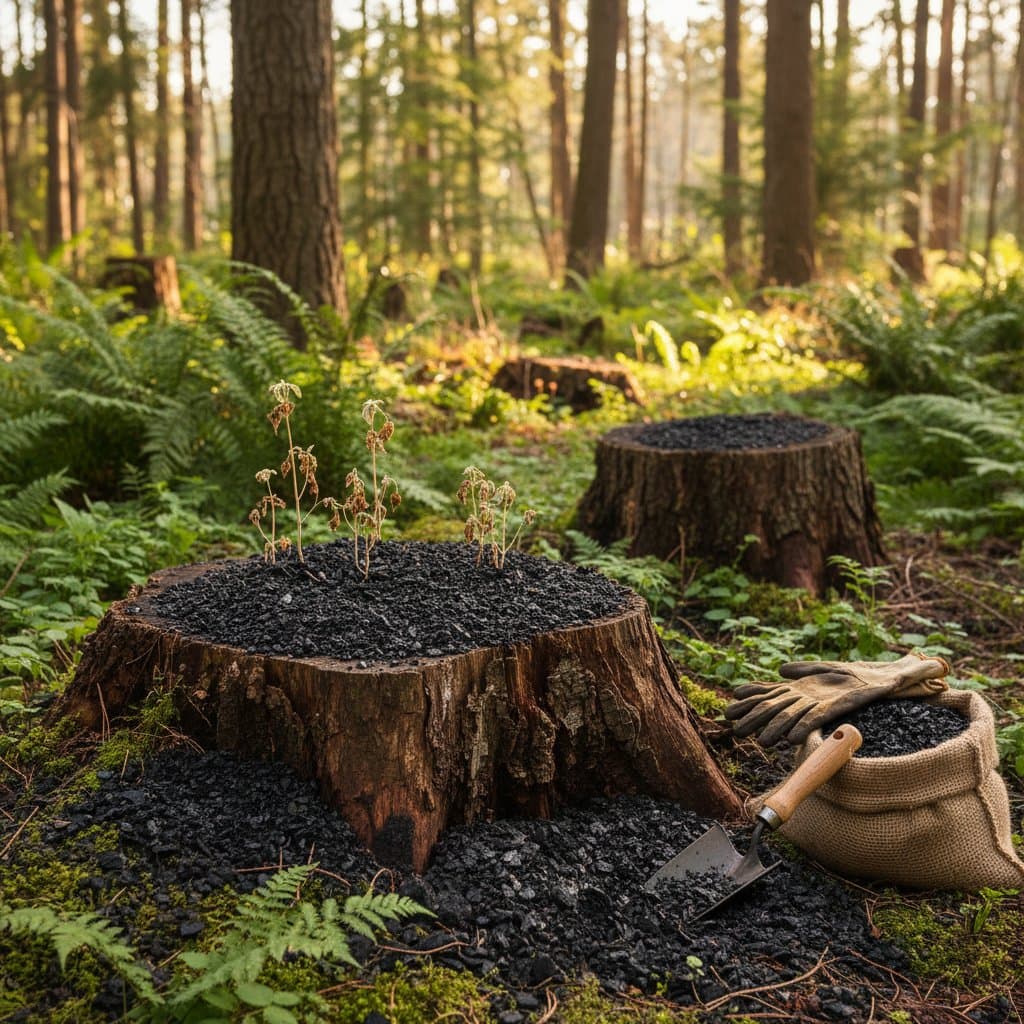
Biochar provides a reliable, natural method to curb stump regrowth by 95 percent, while enhancing soil quality. This approach avoids chemicals, reduces expenses, and promotes a healthier landscape. Discover application steps, cost breakdowns, and options for DIY or professional implementation to achieve enduring results.
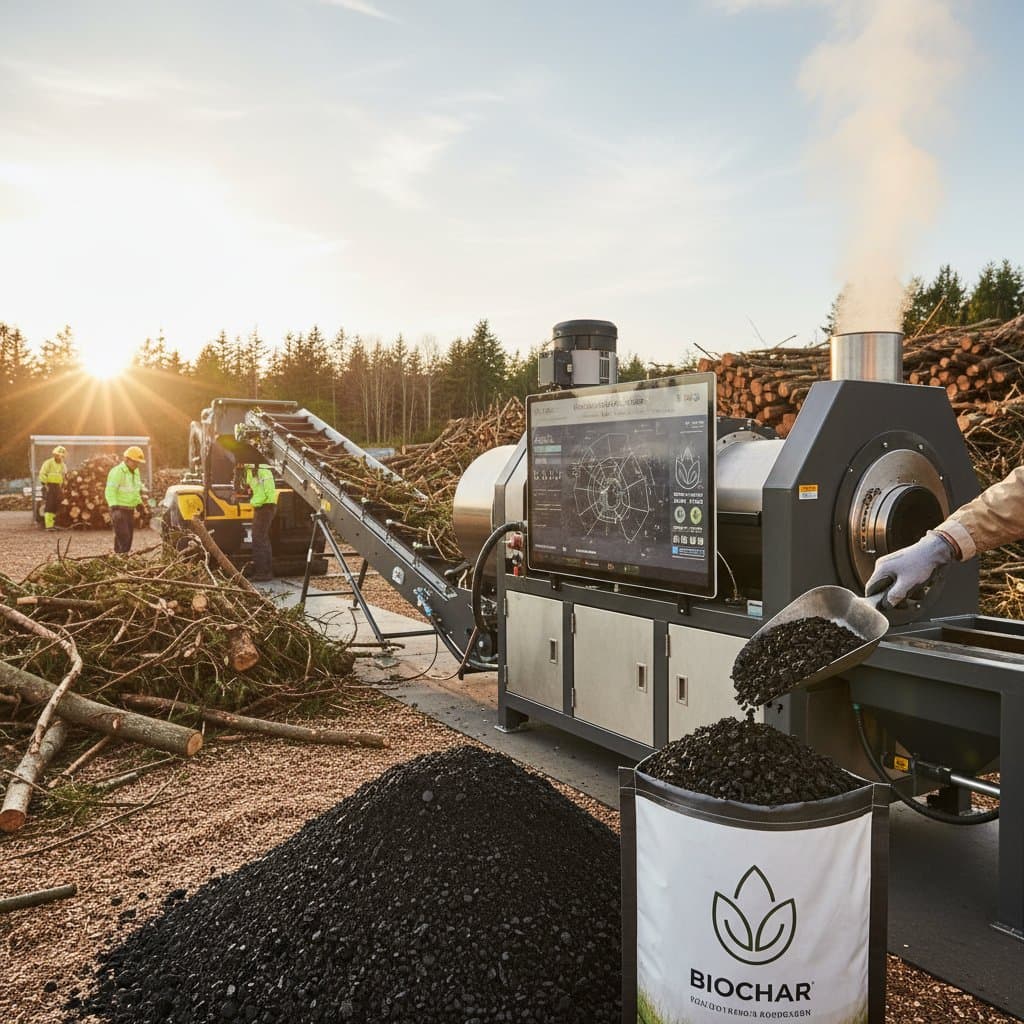
Convert tree waste into a revenue source through biochar production, an sustainable method that eliminates disposal expenses and creates valuable soil amendments. This guide covers techniques from basic kilns to advanced pyrolysis, projected 2026 costs, and ways for individuals and businesses to reduce emissions while accessing the expanding carbon removal sector.
Biochar shortens stump decomposition by up to eight months, while enhancing soil quality. This sustainable, affordable technique leverages microbes for superior outcomes over grinding or chemicals. Delve into the principles, expenses, and detailed instructions to restore your landscape and promote natural soil improvement.
Explore the biochar technique for removing persistent tree stumps in six weeks, free from chemicals and heavy equipment. This environmentally sound process employs controlled burning to produce nutrient-rich biochar, which hastens decay, boosts soil quality, and revitalizes your outdoor space efficiently and responsibly. Follow the detailed steps and essential tips for optimal results.
Transform stump grindings from waste to wealth by producing biochar at up to $200 per ton. This guide covers the pyrolysis method, cost breakdowns, market factors, and partnerships for eco-friendly income in tree services.
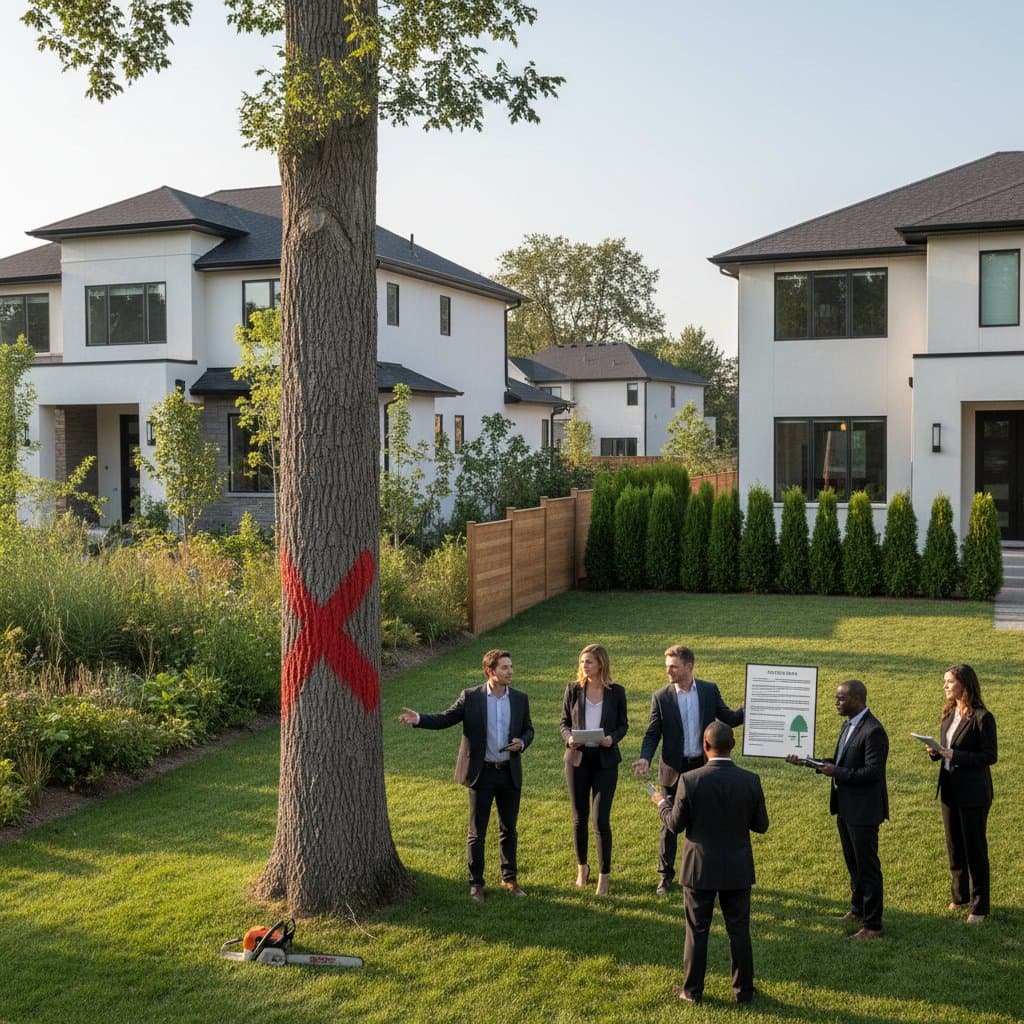
HOA tree rules often lead to heated disputes over property rights, environmental benefits, and enforcement costs. Homeowners encounter fines, removals, and lawsuits amid these conflicts.
Convert tree stumps, often seen as waste, into biochar—a sustainable product fetching up to $800 per ton. This guide covers costs, equipment, production steps, and market tactics, enabling tree services and landscapers to generate income while enhancing soil and sequestering carbon.
2026 brings stricter tree laws with permit costs reaching $150, mandatory replanting, and higher fines for violations. This guide covers regulations, processes, and hiring pros to keep your property compliant and safe.