
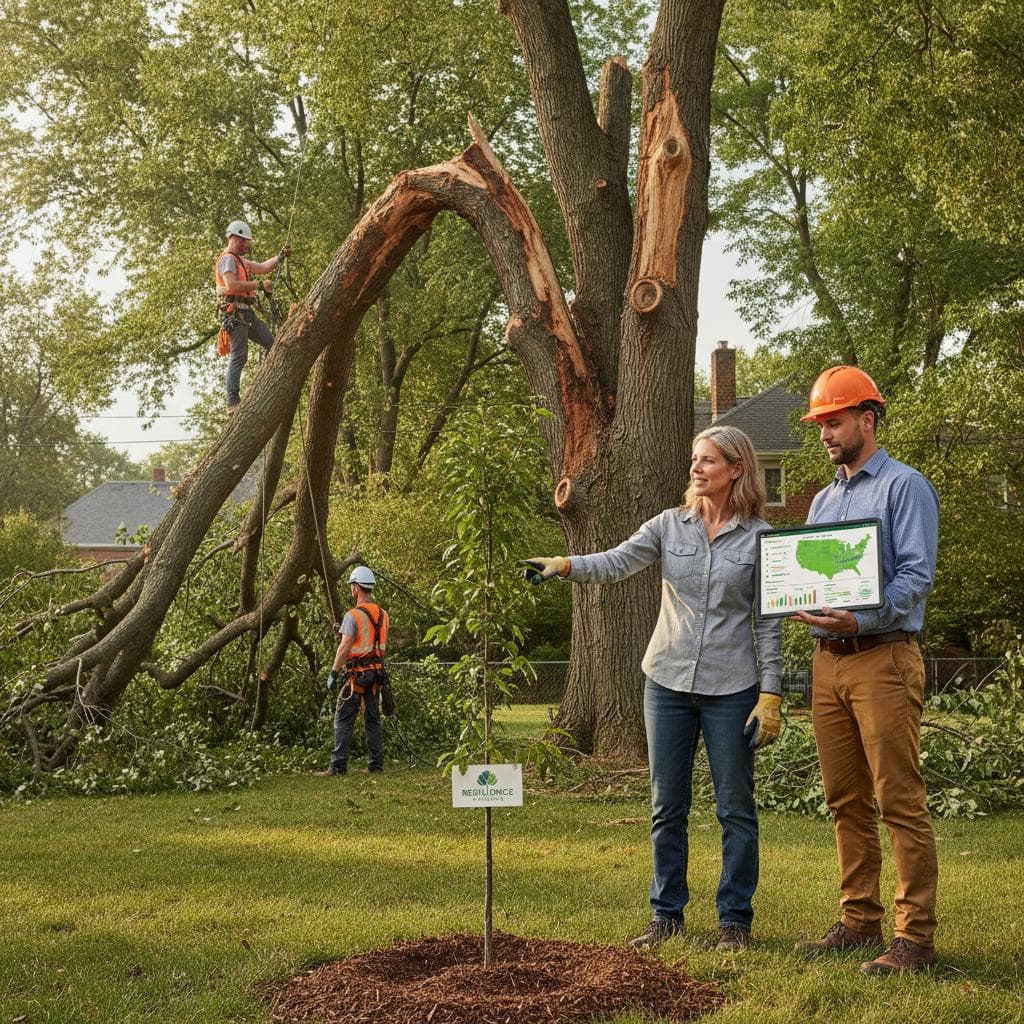
Ash Tree Replacement Funding Available in 23 States
Losing an ash tree can be heartbreaking. For many homeowners these trees have shaded yards, added curb appeal, and boosted property value for decades. The emerald ash borer, a destructive invasive beetle, has decimated millions of ash trees across the country. Replacing one or several ash trees can be expensive when removal, disposal, and replanting costs are added together.
Ash tree replacement funding is now available in 23 states through grants and urban forestry programs. This guide explains what these programs cover, who qualifies, and how to use them to restore landscapes safely and affordably.
What Ash Tree Replacement Funding Provides
Ash tree replacement funding refers to financial assistance from state forestry agencies, municipalities, or nonprofit organizations. The assistance helps property owners remove dead or dying ash trees and plant new, resilient species. These funds support both private homeowners and community projects. The goal is to restore urban canopies damaged by emerald ash borer infestation. Funding often covers part or all of removal and replanting expenses.
Average Costs for Ash Tree Removal and Replacement
The average cost to remove and replace an ash tree ranges from 600 to 3500 dollars. Cost depends on tree size, condition, and location. Removal accounts for the largest portion of the expense, followed by stump grinding and purchase of a new tree.
| Factor | Average Cost Range |
|---|---|
| Small Ash Tree (under 30 ft) | 600 - 1000 dollars |
| Medium Ash Tree (30-60 ft) | 1200 - 2000 dollars |
| Large Ash Tree (over 60 ft) | 2000 - 3500 dollars |
| Stump Grinding (per stump) | 100 - 300 dollars |
| Replacement Tree Planting | 150 - 500 dollars |
These figures represent general averages. Actual costs vary based on accessibility, site conditions, and whether a certified arborist performs the work.
Factors That Influence Removal and Replacement Costs
Tree Size
Larger trees require more equipment, labor, and safety precautions. Removing a mature ash tree often involves climbing or cranes, which increases both time and cost.
Tree Condition
A tree weakened by emerald ash borer infestation may be more hazardous to remove. Brittle branches and hollow trunks raise safety risks and lead to higher removal costs.
Replacement Species Selection
Choosing a hardy, pest-resistant species such as oak, maple, or ginkgo influences total cost. Native species are often recommended because they adapt well to local soil and climate.
Location and Accessibility
Trees close to houses, power lines, or fences take longer to remove and require special precautions. Hard-to-reach backyards or tight urban spaces typically cost more to service.
Seasonal Timing
Prices may vary with seasonal demand. Some tree services offer off-season discounts, while spring and summer schedules fill quickly.
Project Urgency
Emergency removals after storms or sudden tree failure cost more due to immediate labor and equipment needs.
Steps in the Ash Tree Replacement Process
Replacing an ash tree involves several key steps that ensure both safety and environmental health.
- Initial Assessment and Quote. A certified arborist inspects the tree to confirm infestation or decline, then provides an estimate for removal and replacement.
- Permitting and Utility Checks. Some municipalities require permits for tree removal or planting. The contractor checks for underground utilities before digging.
- Tree Removal. Professionals cut the tree in sections while protecting nearby structures and plants. Large limbs and trunks are safely lowered and removed from the property.
- Stump Grinding and Site Preparation. Once the tree is down, the stump is ground below soil level. The area is cleared and leveled for new planting.
- Tree Replacement and Mulching. A new tree is planted according to local forestry guidelines, often with funding assistance. Proper mulching and watering help the new tree establish roots.
- Follow-Up Care. Regular watering, pruning, and fertilization help the replacement tree thrive. Some grants include free follow-up inspections or maintenance support.
DIY Options Versus Professional Services
Situations Suitable for DIY
Homeowners may handle very small saplings or minor pruning tasks when the tree is under 10 feet tall and away from structures. Basic planting of replacement trees can also be a manageable DIY project.
Situations That Require Professionals
A professional should always handle large or diseased ash trees. Ash wood can become brittle and unpredictable, making removal dangerous. Certified arborists have the training, insurance, and equipment to remove trees safely and replant according to best practices.
| Task | DIY Possible? | Professional Recommended? |
|---|---|---|
| Small sapling planting | Yes | No |
| Pruning low branches | Yes | No |
| Large tree removal | No | Yes |
| Stump grinding | No | Yes |
| Hazardous tree near house | No | Yes |
How to Access Ash Tree Replacement Funding
Each state and city may offer different funding programs, yet the general application process follows a similar path.
- Locate Local Programs. Search the state forestry department or urban forestry program website for ash tree replacement grants. Many municipalities maintain dedicated pages that list eligibility requirements.
- Confirm Eligibility. Programs often prioritize homeowners with confirmed emerald ash borer damage. Some extend coverage to community associations or public spaces.
- Prepare Documentation. Photos of the affected tree, proof of ownership, and a removal quote from a licensed contractor may be required.
- Apply for Funding. Submit the application online or by mail. Some programs reimburse expenses after work is completed, while others provide direct contractor payments.
- Complete the Replacement Work. Once approved, hire a qualified professional to remove and replace the tree. Keep all receipts and records for reimbursement.
- Follow Replanting Guidelines. Many programs specify which tree species are approved for replacement. Follow planting and care instructions to ensure long-term success.
Frequently Asked Questions
How much does it cost to remove a 50-foot ash tree?
A 50-foot ash tree typically costs between 1200 and 2000 dollars to remove. The total depends on access, tree health, and whether stump grinding is included.
Is trimming cheaper than removal?
Trimming usually costs between 250 and 700 dollars for a standard tree. Removal is more expensive but necessary if the tree is dead or unsafe.
What time of year works best for tree removal?
Tree removal can be performed year-round. Winter and early spring often provide better ground conditions and lower demand, which may reduce costs.
Does homeowners insurance cover tree removal?
Insurance may cover removal if a tree falls and damages a covered structure. It usually does not pay for proactive removal of diseased or dead trees unless they pose an immediate hazard.
Are replacement grants available for urban homeowners?
Many urban forestry programs prioritize city neighborhoods where canopy loss affects air quality and shade. Funding may cover both private yards and public right-of-way trees.
Starting Your Tree Restoration Project
Replacing lost ash trees restores beauty and strengthens the resilience of the local environment. With ash tree replacement funding available in 23 states, homeowners have real opportunities to offset costs and contribute to healthier urban forests. Check local forestry websites, apply for grants, and connect with certified arborists who understand both the technical and ecological aspects of tree restoration. Prompt action leads to safer properties and greener communities.