
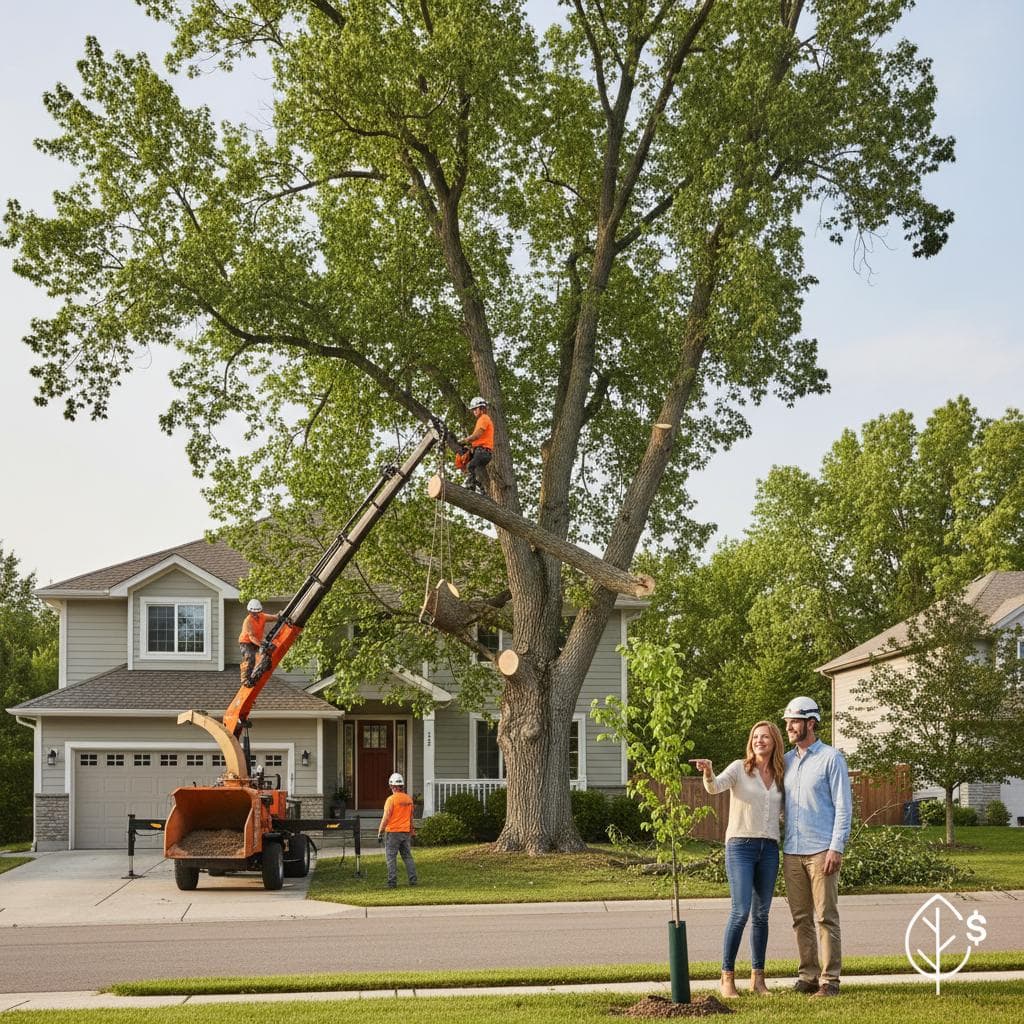
Earn $500+ Removing Ash Trees via Buyback Programs
Ash trees once lined countless streets and shaded thousands of backyards. The spread of the emerald ash borer has left many of them dead or dying. Municipalities now offer ash tree buyback programs that reimburse homeowners $500 or more for removal. These initiatives reduce falling hazards, slow pest spread, and support replanting with resilient species.
This guide explains how the programs operate, what payments are available, and the steps to qualify while improving your landscape.
Ash Tree Buyback Program Overview
Ash tree buyback programs are municipal or state funded efforts that reimburse removal of infested or dead ash trees on private property. Payments arrive as direct reimbursements, vouchers, or bill credits after proof of removal is submitted. Property owners must follow rules such as using a licensed arborist and disposing of wood properly to stop further pest movement. Some programs add rebates for planting approved replacement trees.
Ash Tree Removal Incentive Amounts
National Average Payment
Typical payments range from $300 to $800 per tree. Amounts vary by location, tree size, and available funding. Areas with heavy infestations often provide higher payouts to speed removal.
Payout by Tree Size
- Small trees under 10 inches in diameter: $200 to $400
- Medium trees 10 to 20 inches in diameter: $400 to $600
- Large trees over 20 inches in diameter: $600 to $1,000 or more
Key Cost and Incentive Factors
Larger or heavily infested trees cost more to remove yet may receive higher incentives. Urban programs frequently pay more because of safety concerns and disposal expenses. Proof of licensed removal is required in nearly every case. Some programs increase payments when homeowners commit to planting replacement trees. Funding is often limited and distributed on a first come, first served basis.
Types of Ash Tree Buyback Programs
Municipal Rebate Programs
Cities and counties reimburse part of removal costs. These programs are straightforward to apply for and cover most expenses. Funding windows are limited and pre approval may be required.
Utility Sponsored Tree Programs
Utility companies pay for removal when trees threaten power lines. Payments are direct and often include disposal and stump grinding. Coverage applies only to trees near utility equipment.
State Environmental Grants
State programs fund larger scale ash removal to limit pest spread. Funding pools are bigger and may support neighborhood projects. Additional paperwork and slower approvals are common.
DIY vs. Hiring a Professional
Ash trees weaken rapidly after infestation, making them unstable to cut. Homeowners may consider removing small trees themselves, yet even moderate sized trees pose serious risks once compromised.
DIY removal can appear to save money but introduces hazards. Brittle wood increases the chance of uncontrolled falls. Improper disposal can spread pests and void reimbursement. Insurance coverage is usually absent if damage occurs.
Hiring a certified arborist guarantees safe removal, correct disposal, and the documentation needed for reimbursement. Professionals understand local rules and help meet program requirements. For most homeowners this approach proves safer and more cost effective overall.
How to Apply for an Ash Tree Buyback Program
- Confirm the tree is an ash by checking leaf shape, bark texture, and seed type. Consult a local arborist if identification is uncertain.
- Search your city or county website for ash tree removal incentives or buyback programs.
- Review all eligibility rules, size limits, deadlines, and required documents.
- Obtain estimates from licensed arborists who can supply the necessary paperwork.
- Complete removal and dispose of all debris through chipping, approved burning, or designated sites.
- Submit invoices, before and after photos, and disposal receipts to the program administrator.
- Receive reimbursement, which is typically issued within several weeks of approval.
Tips for Success
Apply early because funding is limited. Keep photos of the tree before and after removal. Follow disposal rules exactly to avoid disqualification. Inquire about extra payments for planting replacement trees. Use certified arborists whose documentation supports approval.
How to Know if Your Ash Tree Qualifies
Most programs require the tree to be on private property and to show emerald ash borer damage or decline. Contact your local forestry office for confirmation before starting work.
Protecting Your Property After Removal
Once the tree is gone, focus on site preparation and planting resilient species. Proper aftercare helps new trees establish quickly and restores shade and property value.