
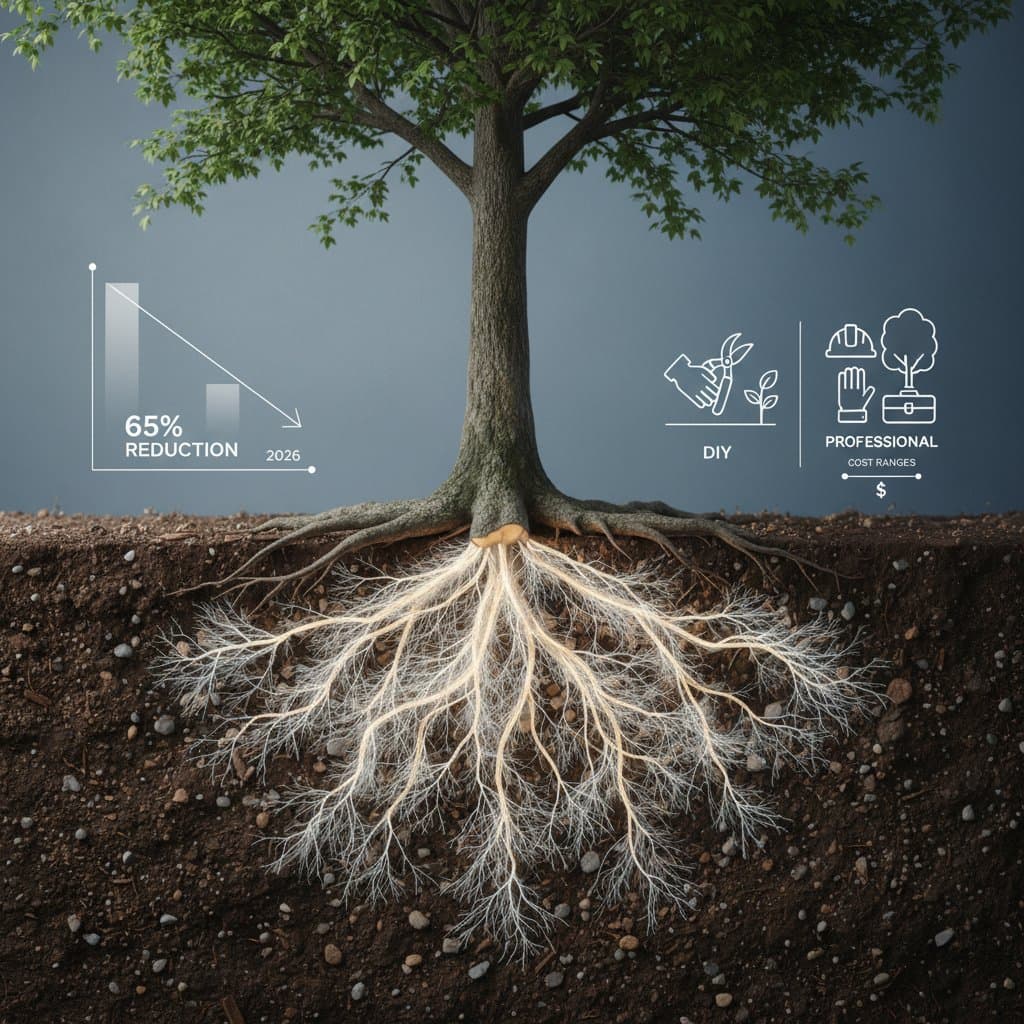
Cut Tree Damage 65% with Mycelium Networks by 2026
Understanding Mycelium Networks
Mycelium networks consist of the underground thread-like structures of fungi that form symbiotic relationships with plant roots. These networks, known as mycorrhizae, extend far beyond the root zone, creating a vast web that connects trees and other plants in a forest or landscape. Homeowners often overlook this hidden ecosystem, yet it plays a crucial role in soil health and plant vitality.
In natural settings, mycelium facilitates the exchange of nutrients and water between plants. Trees receive essential minerals like phosphorus and nitrogen, while fungi gain carbohydrates from the trees' photosynthesis. This partnership enhances overall ecosystem resilience against environmental stresses.
The Science Behind Reduced Tree Damage
Research indicates that trees with active mycelium associations experience significantly less damage from pests, diseases, and physical stressors. Studies show that mycorrhizal networks can improve root strength by up to 65 percent, leading to better anchorage and reduced susceptibility to windthrow or drought. By 2026, advancements in fungal inoculation techniques promise widespread adoption in urban and suburban landscapes.
These networks act as a natural defense system. Fungi produce enzymes and compounds that deter pathogens, while the extended reach allows trees to access resources during scarcity. Scientists project that integrating mycelium could transform tree care practices, minimizing the need for chemical interventions.
Benefits for Tree Health and Landscape Protection
Strengthened roots from mycelium lead to healthier trees that withstand urban challenges like compacted soil and pollution. Homeowners report fewer instances of root rot and insect infestations in treated areas. Over time, this approach restores soil structure, improving water retention and reducing erosion.
Beyond individual trees, mycelium networks foster biodiversity in the yard. They support beneficial microbes and insects, creating a balanced ecosystem. Landscapes with these networks require less irrigation and fertilization, lowering maintenance costs and environmental impact.
Actionable Steps for Implementation
Assessing Your Landscape
Begin by evaluating soil conditions in your yard. Test for pH levels and nutrient deficiencies using a basic soil kit available at garden centers. Identify tree species that benefit most from mycorrhizae, such as oaks, pines, and maples, which form natural associations.
Observe signs of stress like yellowing leaves or stunted growth. These indicate potential gaps in the root-fungus partnership. Professional arborists can conduct deeper assessments if needed.
DIY Inoculation Methods
Purchase commercial mycorrhizal inoculants from reputable suppliers. These products contain spores of beneficial fungi tailored to specific tree types. Apply them during planting or as a soil drench around established trees.
- Prepare the area by loosening soil around the root zone without damaging roots.
- Mix inoculant with water or compost according to package directions.
- Distribute evenly and water thoroughly to encourage colonization.
Monitor progress over the first growing season, noting improvements in leaf color and vigor.
Professional Services
Hire certified landscapers experienced in mycoremediation for larger properties. They use advanced techniques like spore injection and soil amendments to establish networks quickly. Expect consultations to include site analysis and customized plans.
Professionals ensure compliance with local regulations and integrate mycelium with existing irrigation systems. This option suits complex landscapes with mature trees.
Cost Considerations and Value
DIY approaches range from 20 to 50 dollars per tree, depending on inoculant quality and quantity. Initial investments cover testing kits and materials, with long-term savings from reduced tree replacements. For a standard yard with five trees, total costs stay under 300 dollars.
Professional installations cost between 200 and 500 dollars per tree, including labor and follow-up. Factors like site accessibility and soil preparation influence pricing. Return on investment appears within two to three years through enhanced tree longevity and decreased upkeep.
Looking Ahead to 2026
By 2026, expect mycelium-based products to become more accessible and effective due to ongoing research. Innovations in bio-engineered fungi will target specific regional challenges, such as drought in arid zones or flooding in wet areas. Homeowners will find integrated kits that combine inoculants with smart soil sensors for optimal results.
Widespread adoption could redefine urban forestry, with cities incorporating these networks into green initiatives. Early adopters gain a competitive edge in sustainable landscaping, contributing to broader environmental goals.
Sustaining Long-Term Tree Resilience
Maintain mycelium networks through minimal disturbance of soil and avoidance of broad-spectrum fungicides. Mulch around trees with organic materials to support fungal growth. Regular observations help detect issues early, ensuring the system's effectiveness.
This natural strategy not only cuts damage but elevates landscape vitality. Trees stand stronger, soils enrich, and ecosystems thrive, offering enduring protection for your property.