
Mycelium Networks: Revolutionizing Tree Roots by 2026
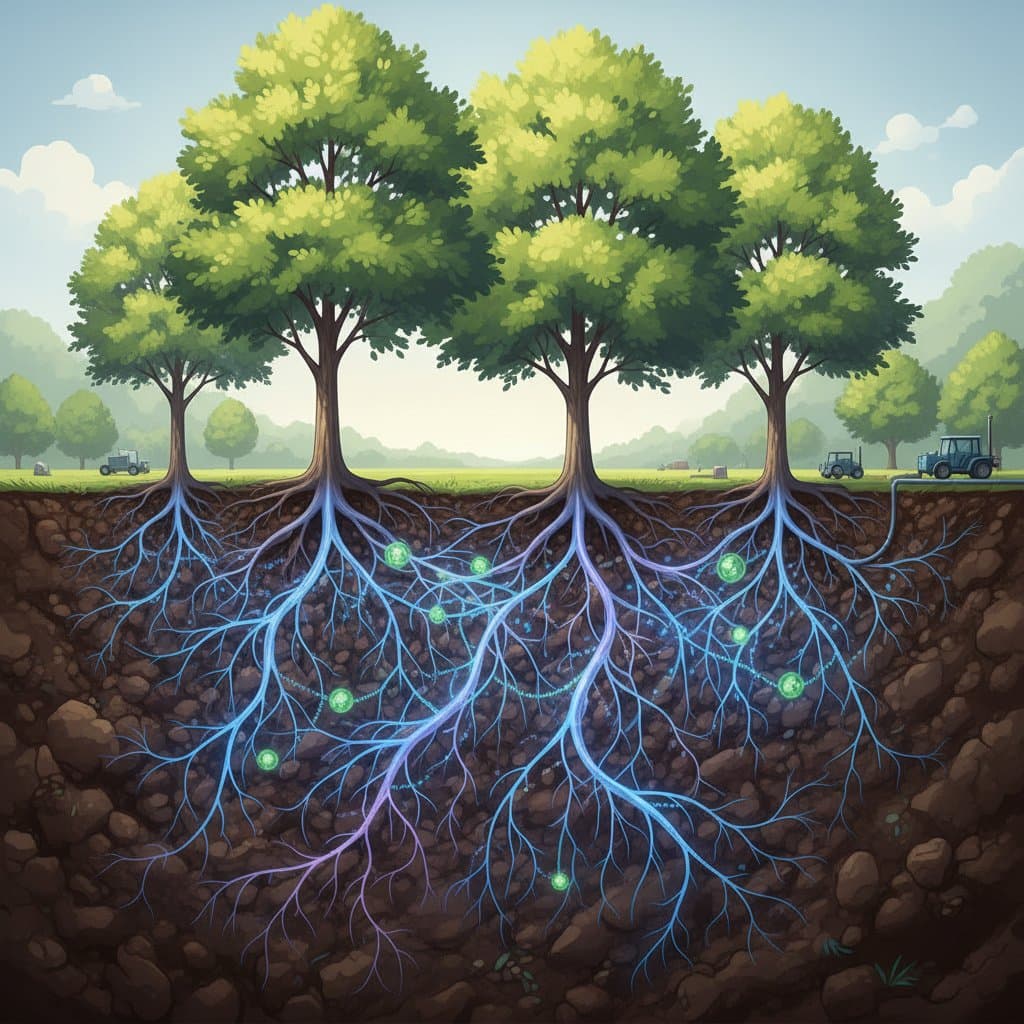
Healthy trees rely on more than sunlight and water alone. Below ground, intricate alliances between roots and fungi drive growth, communication, and survival. Referred to as mycelium networks, these subterranean fungal structures reshape landscape design and upkeep. Homeowners and professionals who grasp and leverage these systems cultivate durable, low-effort outdoor spaces.
This guide details the mechanics of mycelium networks, their advantages for trees and soil, and their influence on contemporary landscaping. It outlines strategies to promote these fungi in residential settings and evaluates whether self-management or expert assistance suits specific needs.
The Cost of Encouraging Mycelium Networks
Although mycelium development occurs naturally, fostering and sustaining these networks in cultivated landscapes entails investment. Property owners frequently allocate funds for soil enhancements, fungal starters, or expert evaluations to optimize these systems.
National Average Cost
Promoting mycelium networks proves more affordable than many extensive landscaping endeavors. Expect expenditures of a few hundred dollars for soil analysis, organic compost, and starter materials. Expert advice and implementation may add several hundred dollars, varying with site scale and soil state.
Cost by Project Size or Type
- Small gardens or young trees: Essential soil starters and compost typically cost under one hundred dollars.
- Medium-sized yards or established trees: Complete soil therapies and microbial assessments range from several hundred dollars.
- Large properties or restoration projects: Thorough fungal starters and soil reconstruction initiatives surpass one thousand dollars, yet yield enduring reductions in watering and nutrient inputs.
Key Cost Factors
- Soil quality: Degraded soil demands greater volumes of enhancements and starters.
- Tree species: Species like pines and oaks depend strongly on mycorrhizal fungi, unlike others.
- Labor: Expert deployment or soil renewal services elevate expenses.
- Materials: Organic composts, mulches, and biochar prices fluctuate with origin and caliber.
- Maintenance: Regular mulching and soil checks sustain vibrant fungal systems.
Types of Mycelium Networks
Mycelium networks manifest in diverse forms, each offering distinct attributes that aid trees and vegetation. Knowledge of these variations enables property owners to select optimal methods for their sites.
Ectomycorrhizal Fungi
These fungi create a protective layer around tree roots and extend threads into surrounding soil. They associate commonly with woodland trees such as pine, oak, and birch.
Pros:
- Expand root exposure for superior water and nutrient uptake
- Bolster tree tolerance to dry spells and contaminants
- Refine soil composition and minimize erosion
Cons:
- Exhibit limited compatibility with grasses and herbaceous plants
- Depend on organic residues for vitality
Endomycorrhizal (Arbuscular) Fungi
These fungi enter root cells outright and occur widely in garden flora, shrubs, and lawns.
Pros:
- Heighten efficiency in nutrient transfer
- Fortify plant defenses against pathogens
- Integrate seamlessly into turf and diverse plantings
Cons:
- Prove vulnerable to synthetic fertilizers and pesticides
- Establish gradually in dense or altered soils
Saprophytic Fungi
These fungi decompose decaying organic substances without forging direct root bonds. They play a vital role in composting and nutrient recirculation.
Pros:
- Convert foliage, timber, and mulch into nutrient-dense humus
- Nourish supportive microbes and enhance soil consistency
- Elevate general soil productivity
Cons:
- Lack direct root linkages
- Necessitate steady hydration and organic waste for proliferation
DIY vs. Hiring a Professional
Promoting mycelium expansion suits committed property owners, yet securing equilibrated, enduring networks often benefits from specialist input.
DIY Approach
Self-directed efforts suit compact areas and enthusiasts of direct soil stewardship. Individuals apply organic mulches, eschew artificial chemicals, and incorporate commercial fungal starters.
Challenges:
- Demand steady effort and upkeep
- Yield observable outcomes over multiple seasons
- Complicate underground activity assessment absent specialized tests
Hiring a Professional
Soil biologists or regenerative landscapers diagnose fungal shortfalls and formulate tailored strategies. They employ precise instruments to gauge soil microbes and deliver focused interventions.
Benefits:
- Accelerate network formation
- Provide specialized insights on tree-fungi pairings
- Utilize high-quality starters and diagnostic tools
Most property owners benefit from hybrid methods. Initiate with basic self-steps, then engage experts if trees show distress or soil microbes appear deficient.
How to Encourage Mycelium Networks in Your Landscape
Vibrant fungal networks flourish in soils resembling native woodland bases. Replicating such conditions proves feasible and gratifying for residential applications.
-
Assess Soil Health
Conduct a comprehensive soil analysis to gauge nutrients, pH, and organic content. Fungi favor mildly acidic, aerated mediums. -
Reduce Chemical Use
Eliminate synthetic fertilizers, weed killers, and insecticides that impair fungal functions. Opt for organic substitutes that cultivate microbial communities. -
Add Organic Material
Distribute compost, fallen leaves, or bark fragments near trees to supply fungal sustenance. Maintain a buffer of several inches from trunks to avert decay issues. -
Use Mycorrhizal Inoculants
Introduce powdered or granular starters to root zones during new plantings. Irrigate deeply to rouse spore activity. -
Maintain Moisture Balance
Mycelium requires reliable hydration without saturation. Deploy soaker hoses or infiltration basins for precise water control. -
Avoid Soil Compaction
Restrict vehicle or foot traffic proximate to root zones. Dense soil impedes fungal extension and aeration. -
Encourage Plant Diversity
Incorporate assorted trees, shrubs, and understory plants to cultivate intricate, sturdy fungal webs that bolster the full site ecology.
Tips for Long-Term Success
- Leave the leaves: Permit autumn debris to break down in place instead of removal.
- Rotate mulch materials: Cycle through wood chips, straw, and compost to sustain varied fungal populations.
- Monitor tree health: Observe enhancements in foliage vibrancy and vigor as indicators of robust root partnerships.
- Avoid tilling: Soil disruption severs fragile fungal filaments.
- Practice patience: Networks evolve progressively, delivering persistent, autonomous benefits.
Frequently Asked Questions
What exactly is a mycelium network?
A mycelium network comprises thread-like fungal structures linking tree roots to soil resources and adjacent vegetation. It functions as a conduit for signaling and resource sharing, advancing ecosystem stability.
How do mycelium networks benefit trees?
They amplify water and nutrient acquisition while shielding roots from ailments. Networks further enable resource distribution among plants, heightening collective endurance.
Can I see mycelium in my yard?
Occasionally, pale threads emerge beneath mulches or in fertile soil post-rainfall. Such displays mark active fungal presence, although the bulk resides concealed below.
Do chemical fertilizers harm mycelium?
Elevated levels of artificial fertilizers disturb fungal equilibrium and curtail innate nutrient cycling. Organic enrichments and composting offer secure nourishment without fungal detriment.
How long does it take for a mycelium network to establish?
Development spans months to multiple seasons, influenced by soil attributes, hydration, and botanical variety. Reliable organic practices hasten and secure outcomes.
Are all fungi in the soil beneficial?
Most contribute neutrally or positively to plant welfare. Supportive species aid growth, whereas rare pathogens arise; balanced management and microbial harmony mitigate risks.
Building a Resilient Underground Ecosystem
Fostering mycelium networks stands as a premier sustainable tactic for soil enrichment, tree fortification, and expense mitigation. Established systems operate independently, underpinning surface vegetation unobtrusively. Property owners investing in this subsurface framework witness superior canopy condition, accelerated development, and fortified defenses versus aridity and infestations.
For forthcoming installations or soil revitalization, seek counsel from soil specialists or regenerative designers. Targeted expertise ensures a dynamic base that perpetuates landscape vitality across seasons.