
Mycorrhizal Networks Revolutionizing Tree Care
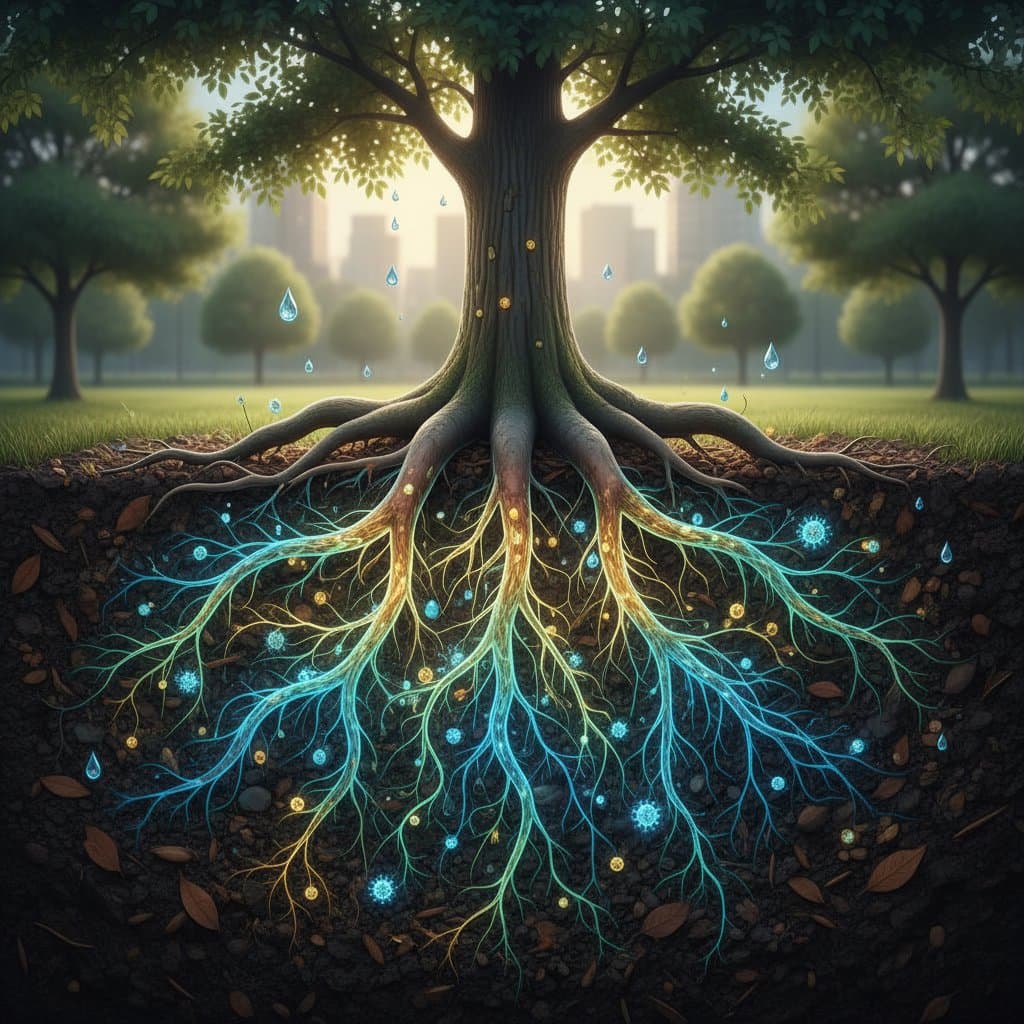
Trees function as part of interconnected communities rather than isolated entities. Underground, mycorrhizal networks form extensive webs of fungal hyphae that link tree roots. These structures facilitate the exchange of nutrients, water, and chemical signals among plants. As scientists delve deeper into these systems, tree care practices advance significantly. Homeowners, landscapers, and urban foresters gain tools to promote tree vitality by aligning with these natural processes.
This article examines the role of mycorrhizal networks in tree growth, the mechanisms of fungal communication, and their application in contemporary soil management and arboriculture.
How Mycorrhizal Networks Bolster Tree Health
Mycorrhizal networks consist of fungal hyphae that intertwine with plant roots in soil. In this symbiosis, known as mycorrhiza, trees supply fungi with carbohydrates from photosynthesis. In return, fungi deliver water and essential nutrients like nitrogen and phosphorus to the trees.
Key Advantages of Mycorrhizal Networks
- Superior Nutrient Acquisition: Hyphae extend well beyond root zones, accessing distant nutrients and delivering them efficiently to trees.
- Greater Drought Tolerance: The fungal structure retains soil moisture, providing trees with steady hydration during arid conditions.
- Pathogen Defense: Robust networks compete with disease-causing organisms, limiting issues like root rot and other soil pathogens.
- Inter-Plant Signaling: Connected trees transmit warning chemicals through the network, alerting neighbors to threats such as pests or drought.
Recent studies highlight mycoviruses, viruses hosted by fungi, that can enhance these interactions. These viral elements may amplify nutrient transfer or adjust soil chemistry to favor tree resilience, though research continues to refine our understanding.
Categories of Mycorrhizal Associations in Trees
Mycorrhizal types vary based on tree species and soil conditions, influencing their effectiveness.
Ectomycorrhizal Fungi
These fungi encase roots in a protective sheath without entering cells.
Typical Hosts: Pines, oaks, birches, and beeches.
Benefits:
- Strong performance in nutrient-poor soils.
- Protection against heavy metals and toxins.
Drawbacks:
- Vulnerability to tillage and synthetic fertilizers.
Endomycorrhizal (Arbuscular) Fungi
These fungi enter root cells, forming arbuscules for direct nutrient exchange.
Typical Hosts: Fruit trees, grasses, and many shrubs.
Benefits:
- Ideal for dense or clay soils.
- Stimulates extensive root development for quicker establishment.
Drawbacks:
- Reduced efficacy in acidic environments.
Mycovirus-Influenced Fungal Networks
Emerging research focuses on fungi carrying beneficial mycoviruses. These viruses can boost fungal efficiency in nutrient delivery and stress response.
Benefits:
- Heightened drought resistance and root recovery.
- Greater stability in the soil microbial community.
Drawbacks:
- Outcomes depend on specific fungi, viruses, and soil factors; long-term data remains limited.
Home-Based Versus Expert Fungal Interventions for Trees
Individuals can foster mycorrhizal networks with routine practices, yet professionals offer precision for complex scenarios.
Home-Based Approaches
Strengths:
- Cost-effective and straightforward implementation.
- Builds soil equilibrium via organic amendments like compost and mulch.
Limitations:
- Difficulty distinguishing beneficial from detrimental fungi.
- Potential harm from excessive chemical inputs that impair hyphal growth.
Expert Interventions
Arborists and soil specialists conduct tests to assess fungal diversity and soil profiles.
Advantages:
- Precise application of targeted mycorrhizal inoculants.
- Ongoing evaluation and customized soil enhancement strategies.
- Controlled introduction of mycovirus-enhanced fungi where appropriate.
Indicators for Professional Help:
- Persistent tree decline despite consistent irrigation and fertilization.
- Compacted soil from construction or traffic.
- Efforts to restore native species or repair ecosystems.
Strategies to Nurture Mycorrhizal Networks in Landscapes
- Limit Soil Disruption: Refrain from deep digging or severing roots, which fragments hyphal connections.
- Apply Organic Mulch: Layer wood chips, leaves, or compost to nourish fungi without synthetic additives.
- Cut Back on Chemicals: Avoid broad-spectrum fertilizers and pesticides that eliminate helpful microbes.
- Manage Irrigation Carefully: Provide consistent moisture to sustain networks, avoiding waterlogging that harms fungal activity.
- Incorporate Inoculants at Planting: Mix mycorrhizal spores or brewed compost into planting holes to accelerate symbiosis.
Implementing these methods cultivates a balanced soil ecosystem that benefits trees and surrounding vegetation alike.
Practices for Sustaining Robust Mycorrhizal Networks
- Vary Mulch Types: Alternate materials to maintain nutrient diversity and avoid layering buildup.
- Promote Species Variety: Diverse plants expand root architectures, supporting a wider array of fungal types.
- Track Soil Acidity: Aim for a pH around 6.5 to optimize most mycorrhizal activity.
- Practice Selective Pruning: Preserve foliage to generate litter that fuels underground fungi.
- Conduct Periodic Soil Analysis: Measure organic content and microbial vitality to guide adjustments.
Frequently Asked Questions
What Defines a Mycorrhizal Network?
It comprises fungal hyphae weaving through soil to link tree roots, enabling resource and signal sharing among plants.
Is It Possible to Introduce Mycorrhizal Fungi to Established Trees?
Yes, commercial inoculants available at nurseries can be incorporated into soil or used as root treatments. Success hinges on current soil health and microbial presence.
In What Ways Do Mycoviruses Impact Tree Management?
Mycoviruses within fungi can enhance exchange processes and resilience, resulting in healthier trees better equipped for environmental challenges.
Do All Tree Species Require Mycorrhizal Networks?
Nearly all do, though dependency differs; native hardwoods often rely more heavily than certain cultivated ornamentals.
Are Mycorrhizal Treatments Harmless to Pets and Wildlife?
When applied correctly, these natural interventions pose no risk and frequently enrich habitats by bolstering soil quality.
Cultivating Underground Alliances for Enduring Tree Vitality
By integrating mycorrhizal support into care routines, landscapes gain resilience against stresses like drought and disease. These networks not only sustain individual trees but also foster cohesive ecosystems. Adopting informed practices ensures long-term health for urban greenspaces and private gardens alike.