
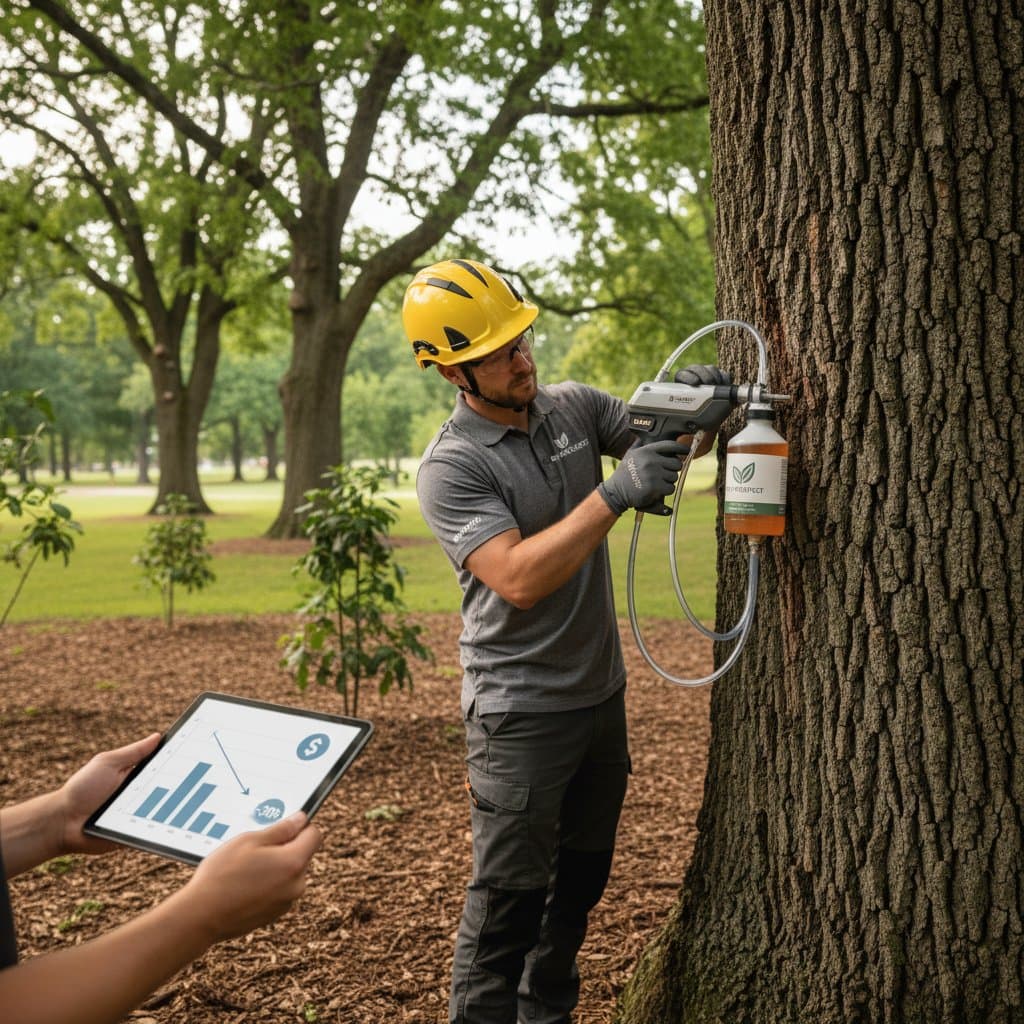
Bio-Fungicide Boom Slashes Tree Injection Costs 30%
Tree health care experiences a significant transformation with the rise of bio-fungicides as effective alternatives to conventional chemical treatments. Homeowners and property managers discover that innovative organic injection products lower expenses by up to 30 percent while delivering robust protection against diseases. This advancement in organic tree treatment reshapes fungal infection management for arborists, rendering sustainable practices both feasible and economical.
Understanding Tree Injection Costs
Tree injections represent a precise method to administer treatments for fungal diseases, nutrient shortages, and pest problems. Costs fluctuate based on the tree's dimensions, the selected product, and the infection's intensity.
National Average Costs
Conventional chemical fungicide injections generally fall into moderate to high price ranges per tree, encompassing both materials and the expertise of a certified arborist. Bio-fungicides reduce these total expenses by approximately one-third, broadening access to preventive measures for homeowners overseeing several trees.
Costs by Project Scale and Type
- Small ornamental trees: Reduced volumes of bio-fungicide keep expenses low, enabling cost-effective prevention for residential settings.
- Medium-sized shade trees: These products match the efficacy of synthetic options with diminished environmental effects and streamlined labor needs.
- Large heritage trees: Cost savings prove most valuable here, as bio-fungicides demand fewer follow-up treatments than traditional chemicals.
Primary Cost Influences
- Tree dimensions and quantity
- Nature of the fungal infection
- Product potency and manufacturer
- Labor and tool demands
- Regulatory or ecological compliance fees
Categories of Bio-Fungicides for Tree Injections
Progress in organic chemistry and microbiology yields diverse bio-fungicides tailored for vascular delivery in trees. These options employ natural agents or compounds to curb fungal growth inside the tree's system.
Bacterial Bio-Fungicides
Such formulations incorporate helpful bacteria that settle into the tree's tissues, rivaling or neutralizing pathogenic fungi.
Advantages:
- Enduring safeguarding qualities
- Safety for the environment and absence of toxicity
- Suitability across various tree varieties
Disadvantages:
- Delayed observable outcomes relative to chemical counterparts
- Vulnerability to temperature extremes in storage
Fungal Bio-Fungicides
These rely on benign fungi that target or displace disease-causing pathogens.
Advantages:
- Superior performance against root and soil-borne illnesses
- Capacity for self-propagation in the tree's surroundings
- Prevention of residue accumulation in the ground
Disadvantages:
- Potential need for additional applications to achieve optimal results
- Variable reliability in severely affected trees
Organic Extract Bio-Fungicides
Sourced from botanical oils, compost infusions, or inherent antimicrobial elements, these gain traction in certified organic regimens.
Advantages:
- Rapid onset and simple preparation
- Low threat to pollinators and local fauna
- Frequent eligibility for organic standards
Disadvantages:
- Limited storage duration
- Necessity for elevated doses in intense cases
DIY Application Versus Professional Services
Tree injections with bio-fungicides demand appropriate tools and familiarity with vascular anatomy. While self-application kits are available, errors in technique may squander resources or injure the tree.
Self-Application Option:
- Advantages: Initial savings and ease for straightforward concerns
- Disadvantages: Risks of incorrect dosing, inadequate diagnostic abilities, and no assurances
Professional Engagement:
- Advantages: Precise measurements, correct site selection, superior supplies, and assured outcomes
- Disadvantages: Elevated preliminary fees
Professionals remain the preferred choice for significant or mature trees. For modest ornamental specimens, careful adherence to guidelines allows homeowners to proceed independently.
Step-by-Step Guide to Bio-Fungicide Injections
Proper execution of bio-fungicide injections involves a clear process to promote efficient uptake without compromising the tree.
- Assess the Tree: Evaluate for fungal signs and verify the tree's suitability for treatment.
- Choose the Appropriate Product: Select a bio-fungicide matched to the targeted pathogen.
- Prepare Injection Sites: Drill modest, uniform holes near the trunk base to accommodate ports.
- Install Delivery Mechanisms: Attach ports or fittings to channel the solution into the xylem.
- Administer the Treatment: Introduce the bio-fungicide gradually under controlled pressure until fully absorbed.
- Finalize and Observe: Withdraw tools, seal openings as needed, and track progress over subsequent weeks.
Strategies for Effective Bio-Fungicide Use
- Schedule injections amid periods of vigorous growth to enhance uptake.
- Refrain from excessive irrigation prior to or following treatment to avoid dilution.
- Integrate thorough pruning and hygiene routines to minimize recurrence.
- Document application timelines and amounts for ongoing planning.
- Conduct yearly evaluations to detect issues at inception.
Common Questions About Bio-Fungicides
Do bio-fungicides match the effectiveness of chemical fungicides?
Yes, contemporary versions offer comparable or superior pathogen control, with added benefits for ecological safety and adjacent vegetation.
How durable are bio-fungicide injections?
Effects persist for multiple months, varying by formulation, tree type, and infection level.
Are bio-fungicides suitable for fruit trees?
Yes, numerous options receive approval for food-producing plants due to their natural origins and lack of toxic remnants.
Is a permit necessary for tree injections?
Residential uses typically require none, though commercial or public projects might demand authorization in designated areas.
Do bio-fungicides affect beneficial insects or pollinators?
No, these treatments pose minimal risk, as they target fungi specifically without broad-spectrum harm to insects or wildlife.
Advancing Your Tree Care Routine
Bio-fungicides usher in sustainable advancements for tree maintenance. Their affordability, lessened reliance on synthetics, and demonstrated efficacy empower homeowners to safeguard landscapes effectively. From solitary specimens to expansive collections, these injections foster enduring tree vitality.