
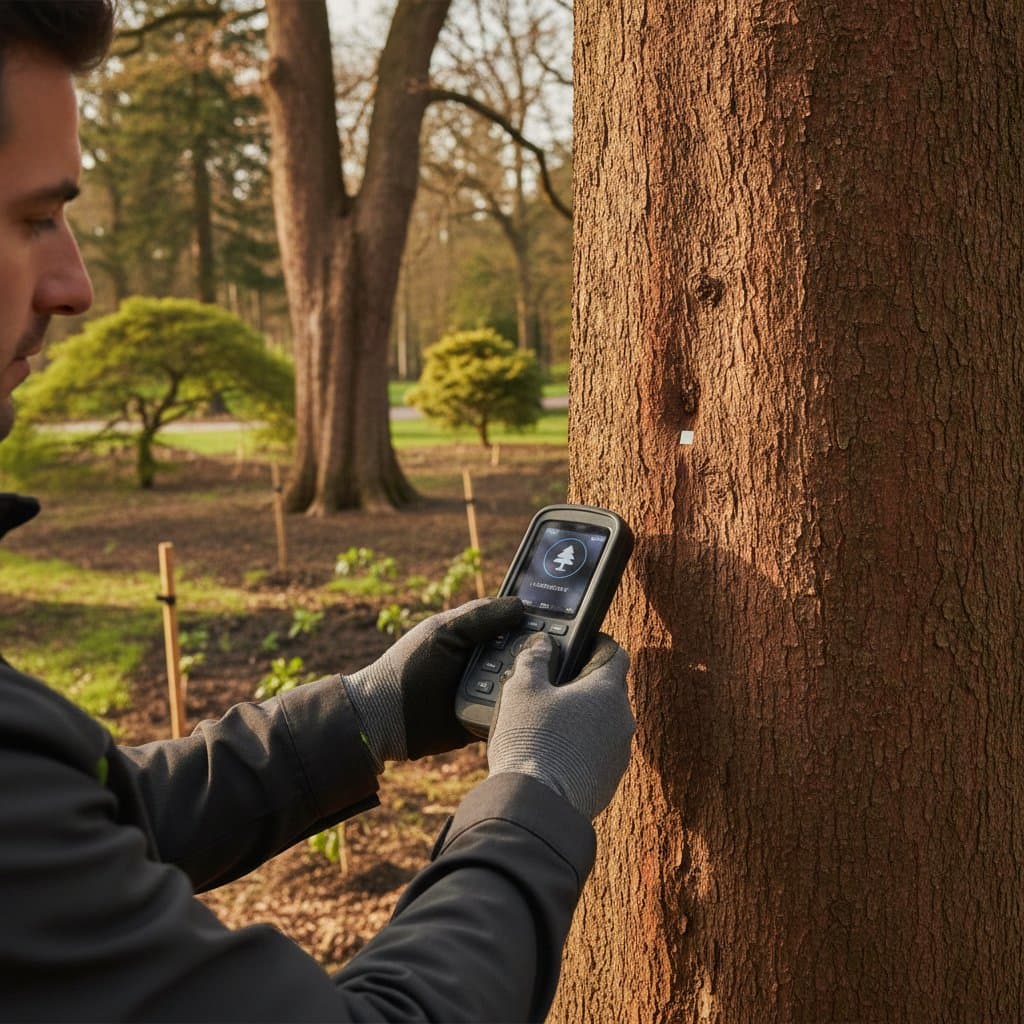
Microchipping Trees to Prevent Theft of Valuable Assets
Tree theft poses increasing risks for homeowners, landscapers, and municipalities. Mature hardwoods, ornamental species, and rare plantings hold significant value. Thieves often target these assets for lumber sales or replanting. Microchipping provides a reliable method to establish ownership and support recovery efforts.
This guide covers the process of tree microchipping. It details costs, procedures, and selection criteria for professional services.
Definition of Tree Microchipping
Tree microchipping places a small, tamper-resistant chip beneath the bark. The chip holds a unique identification number. Handheld or smartphone readers scan this number to access a secure database. The database stores location, species, ownership, and maintenance records.
Cost Ranges for Tree Microchipping
| Tree Type or Size | Average Cost Range |
|---|---|
| Small ornamental (under 15 ft) | $45 - $65 |
| Medium landscape tree (15-40 ft) | $65 - $90 |
| Large or heritage tree (over 40 ft) | $90 - $120 |
| Commercial or municipal tagging | Varies by volume |
Elements That Influence Microchipping Costs
Tree size affects pricing because larger specimens require additional time and equipment. Species such as oak or walnut demand more effort than maple or birch due to wood density. Remote or steep locations increase labor expenses, while urban sites with clear access lower fees. Bundling multiple trees in one visit reduces the per-tree rate. Advanced chips with GPS or health monitoring features add to the total cost.
Steps in the Microchipping Procedure
- A certified arborist evaluates the trees and supplies a written estimate.
- The arborist chooses the appropriate chip based on size and tracking needs.
- The chip is placed just under the bark near the base without injury to the tree.
- Ownership details and GPS coordinates are entered into the registry.
- The chip is scanned to confirm function, with periodic checks scheduled as needed.
Decision Guide for DIY or Professional Service
| Situation | Recommendation |
|---|---|
| When to DIY | Limited to small ornamental trees on private land with basic kits. Careful technique is required to prevent bark damage. |
| When to Hire a Pro | Advised for large, valuable, or heritage trees. Professionals use sterile tools, register data correctly, and confirm ongoing readability. |
Criteria for Selecting a Microchipping Provider
- Verify current licensing and liability insurance.
- Confirm the chips and database meet security standards.
- Request case studies involving high-value trees.
- Obtain at least three written estimates.
- Ensure the provider supports future database updates.
- Review that ownership records match property details exactly.
Common Questions About Tree Microchipping
How does microchipping deter theft?
Scanners allow officials to confirm ownership quickly. This traceability reduces the appeal of microchipped trees to thieves.
Can chips be removed or disabled?
Chips sit beneath the bark and resist easy extraction. Database records persist as legal proof even if physical tampering occurs.
Does the procedure damage the tree?
Professional placement keeps the process minimally invasive. Growth and health remain unaffected.
Do chips monitor tree health?
Premium models record temperature and moisture data. These readings help detect stress or disease early.
What is the expected lifespan of a chip?
Most chips operate for decades without service or replacement.
Selecting Trees for Long-Term Protection
Microchipping combines identification technology with practical security measures. Owners of rare or mature specimens gain documented proof of ownership and simplified recovery options. Begin with the highest-value trees on the property to establish baseline protection.