
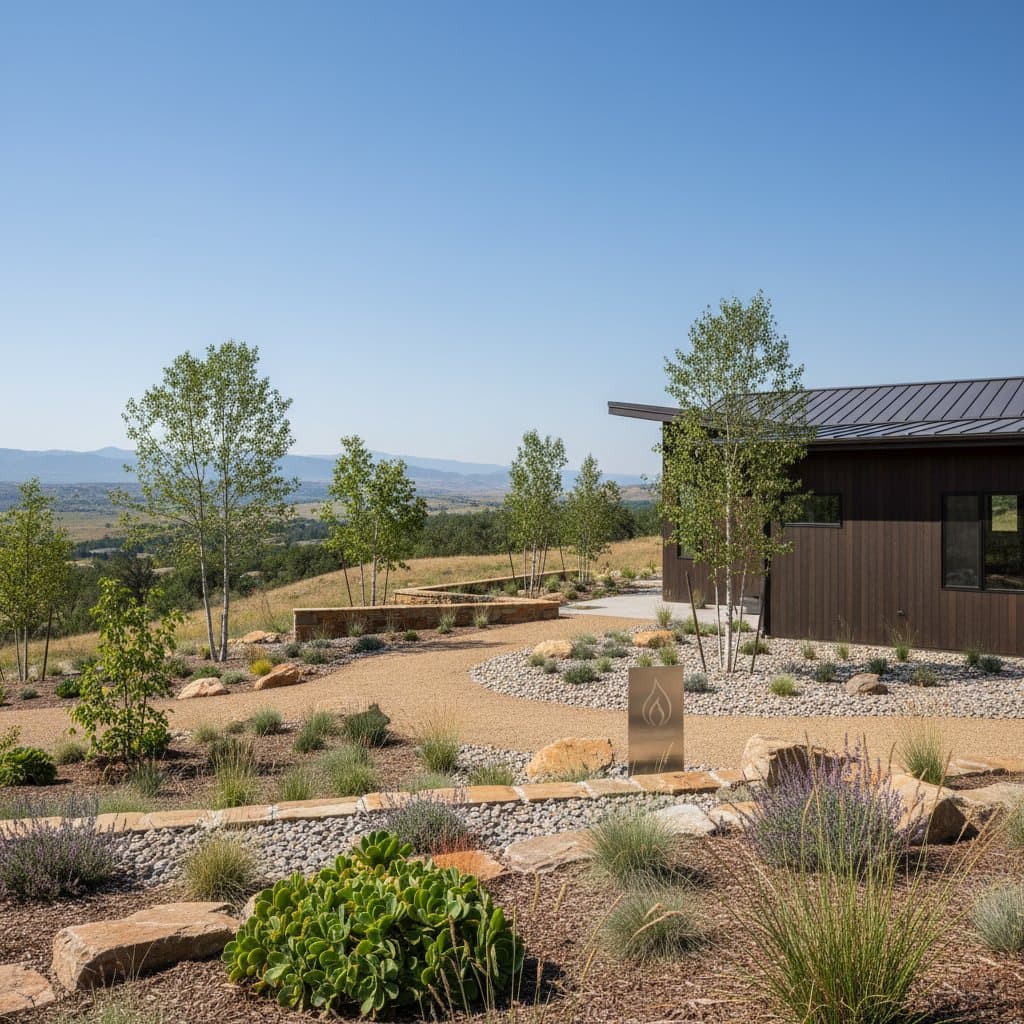
Wildfire Defense Landscaping Cuts Insurance Costs by 30%
Wildfire defense landscaping protects homes while lowering insurance premiums by up to 30 percent. Homeowners in high risk zones achieve these results through fire resistant plants, careful spacing, and noncombustible materials. This approach reduces flame exposure and meets insurer requirements for discounts.
Project Costs and Budget Planning
National averages show most homeowners invest between two thousand and eight thousand dollars. The final amount depends on lot size, terrain slope, and the extent of vegetation removal. This upfront expense often returns value through reduced premiums within the first two years.
Small properties under one quarter acre usually require only basic plant swaps and debris clearing. Medium lots benefit from added gravel borders and tree trimming that raise total costs modestly. Larger sites with steep grades need irrigation upgrades and retaining walls that increase both protection and price.
Key variables include plant selection, material type, labor hours, and local permit fees. Replacing resinous shrubs with succulents or lavender adds moderate expense yet improves long term fire resistance. Noncombustible mulch and stone edging cost more than wood chips but satisfy insurance inspectors more reliably.
Effective Fire Resistant Features
Fire resistant plants hold high moisture levels and produce little dead litter. Succulents, lavender, yarrow, and certain native grasses slow fire movement while requiring less water after establishment. These choices also maintain visual appeal without dense, flammable growth near structures.
Defensible space zones create graduated buffers around the home. The innermost zone stays lean and green within five feet of walls. Outer zones allow more vegetation yet maintain wide spacing to limit fire travel.
Hardscape elements such as gravel paths, stone patios, and concrete borders function as permanent firebreaks. They add usable outdoor space and need minimal upkeep once installed. Proper placement prevents heat buildup by incorporating shade from nearby trees.
Professional Help Versus DIY
Basic clearing and trimming can be handled by homeowners with basic tools. However, incorrect plant spacing or material choices often fail to qualify for insurance discounts. Professional landscapers understand local wind patterns, slope stability, and documentation standards required by carriers.
Step by Step Implementation
- Walk the property and note any dry vegetation, overhanging branches, or debris accumulation points.
- Establish three zones with increasing plant density as distance from the house grows.
- Choose species that retain moisture and avoid oily or resinous varieties.
- Substitute gravel or crushed rock for bark mulch within thirty feet of buildings.
- Add patios or retaining walls to interrupt continuous fuel beds.
- Schedule seasonal inspections to remove new growth and clear gutters.
Ongoing Care Practices
Inspect the property each spring before peak fire season and again after heavy winds. Keep grass below four inches and water deeply during dry spells to maintain plant moisture. Remove fallen leaves from roofs, decks, and fences promptly to eliminate ignition sources. Retain dated photos and receipts of all work for future insurance reviews.
Answers to Common Questions
Insurance carriers grant discounts when properties demonstrate lower loss probability through verified defensible space and approved materials. Permits may be required for major grading or tree removal, so contact the local fire department before large projects begin. Suitable plants include succulents, sage, and drought tolerant grasses that stay green longer. Trees can remain if spaced at least ten feet apart and pruned to keep canopies clear of roofs.
Begin Your Landscape Upgrade
Start with a simple site assessment and a prioritized list of changes. Consistent maintenance preserves both safety gains and premium reductions over time.