
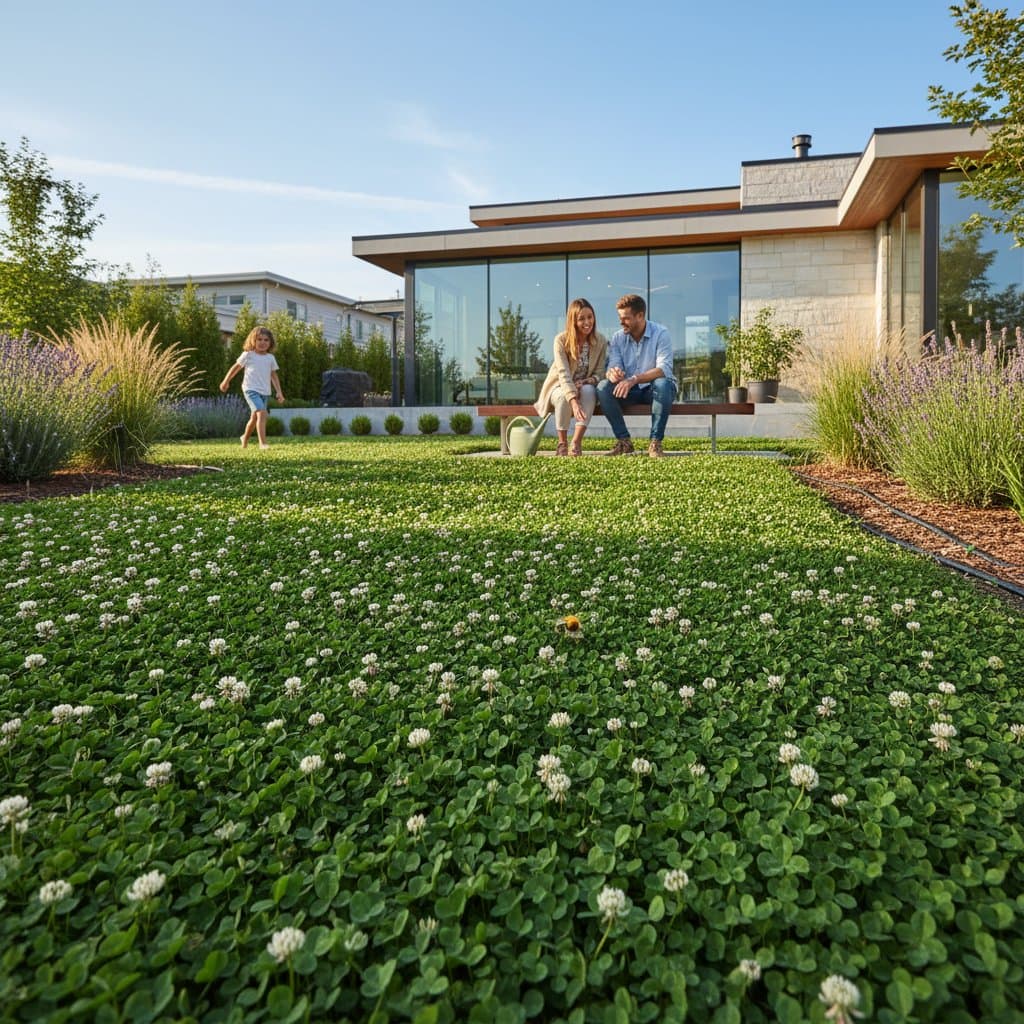
Replace Traditional Turf with Micro-Clover: Achieve 70 Percent Water Savings
A vibrant green lawn enhances any home, yet traditional turf demands substantial water, time, and expense to maintain. Homeowners increasingly seek sustainable options that deliver aesthetic appeal and usability with reduced upkeep. Installing micro-clover offers a proven solution, slashing water needs by up to 70 percent while providing a plush, inviting surface. This article details micro-clover characteristics, installation expenses, cost influencers, and its role in resilient landscaping.
Understanding Micro-Clover
Micro-clover consists of a cultivated variety of white clover (Trifolium repens) selected for compact leaves and subdued growth. It creates a thick mat suitable as a standalone cover or blended with grasses for robust lawns. Distinct from conventional turf, micro-clover fixes atmospheric nitrogen into usable plant nutrients, eliminating the need for chemical fertilizers and promoting sustained vitality.
Typical Expenses for Turf Replacement with Micro-Clover
Replacing existing turf with micro-clover generally costs between $3 and $7 per square foot, encompassing grass removal, site preparation, and seeding. Most projects average $5 per square foot for full implementation. Expenses vary based on area dimensions, regional labor costs, and selection of seeding over sod.
| Lawn Size | Average Cost Range |
|---|---|
| Small (up to 1,000 sq ft) | $2,500 - $5,000 |
| Medium (2,000 - 4,000 sq ft) | $6,000 - $20,000 |
| Large (5,000+ sq ft) | $22,000 or more |
These estimates account for soil tilling, seed distribution, and startup irrigation. Existing watering systems or partial self-labor can trim these figures.
Elements Influencing Replacement Costs
Area Dimensions
Expansive lawns demand greater quantities of seeds, amendments, and workforce. Per-square-foot rates may dip marginally for larger scopes, though overall outlays rise proportionally.
Current Lawn State
Degraded or compacted turf necessitates extensive groundwork for micro-clover success. Eradicating entrenched weeds or sod incurs additional labor and fees.
Site Preparation Needs
Micro-clover flourishes in permeable soils of balanced nutrient levels. Clay-heavy or sandy substrates might require compost or topsoil additions to enhance drainage and retention, elevating initial costs yet yielding superior durability.
Seeding Versus Sod Options
Seeding presents the economical choice, whereas micro-clover sod remains scarce and pricier. Sod delivers immediate coverage at roughly double the seed expense. Seeding prevails for most, given micro-clover's swift establishment under optimal conditions.
Regional and Site Access Factors
Costs fluctuate with local wages and environmental demands. Restricted urban access may demand supplementary effort for debris haulage or material delivery.
Watering Infrastructure
Established micro-clover thrives with minimal hydration, though germination demands steady moisture. Upgrading or adding irrigation systems impacts the budget.
Seasonal Timing
Optimal planting occurs in temperate seasons for rapid rooting. Off-peak scheduling might incur premiums due to heightened professional availability constraints.
Step-by-Step Turf Replacement Procedure
The transition to micro-clover involves methodical stages to secure robust development and endurance.
-
Initial Assessment and Quotation
Professionals inspect turf condition, soil composition, and watering setups, then furnish itemized proposals for demolition and setup. -
Removal of Existing Turf
Current grass undergoes extraction via sod cutters or solarization techniques, averting interference with incoming seeds. -
Groundwork Enhancement
Soil receives aeration, grading, and organic enrichments as required, fostering seed adhesion and root penetration. -
Seed Application or Sod Placement
Seeds distribute uniformly, sometimes blended with sand for precision. Sod, if selected, installs meticulously and secures firmly. -
Initial Hydration and Upkeep
Consistent moisture sustains the area through sprouting. Post-establishment, irrigation drops significantly below turf norms. -
Routine Management
Mowing remains discretionary; target three-inch heights to preserve uniformity when applied.
Choosing Between DIY and Professional Installation
| Approach | Ideal Scenarios | Advantages | Drawbacks |
|---|---|---|---|
| DIY | Compact areas, viable soil | Cost savings, hands-on involvement | Demanding effort, potential inconsistencies |
| Professional Services | Broad spaces, challenging terrain | Skilled execution, assured outcomes | Elevated initial investment |
Scenarios for Self-Installation
Individuals managing modest lawns with sound soil can undertake the task using essentials like rakes, spreaders, and hoses. This approach suits integration with broader yard renovations.
Reasons to Engage Experts
Specialists possess equipment and knowledge for uniform application and tailored groundwork, crucial on inclines, dense soils, or integrated watering networks. They also advise on climate-appropriate cultivars.
Selecting a Landscaping Provider
The ideal firm elevates project success. Proceed with these measures prior to engagement.
-
Verify Licensing and Coverage
Confirm state certification and insurance to shield against mishaps or property issues. -
Inquire on Micro-Clover Expertise
Seek evidence of prior drought-adaptive installations, as familiarity varies among providers. -
Review Portfolios and Testimonials
Examine completed projects visually and consult past clients for performance insights. -
Solicit Comparative Bids
Obtain at least three detailed quotes covering prep, materials, hydration, and post-work support. -
Secure Written Agreements
Document specifications for supplies, efforts, and guarantees to prevent disputes. -
Request Post-Installation Advice
Obtain protocols for hydration and trimming to sustain lawn vigor.
Common Inquiries
What Water Savings Does Micro-Clover Provide?
Switching yields up to 70 percent less irrigation than turf, thanks to superior moisture conservation and dry-period resilience.
Does Micro-Clover Maintain Year-Round Greenness?
It sustains color through most seasons, fading mildly in severe temperatures before rebounding promptly.
Does It Draw Pollinators?
Tiny blooms lure bees; frequent mowing suppresses flowering if desired, though many value the ecological support.
Is It Suitable for Active Family Use?
The dense weave withstands moderate play, rebounding swiftly from compaction.
What Mowing Frequency Applies?
Slow growth permits trimming every few weeks or none, fostering a natural aesthetic.
Can It Blend with Grasses?
Combining enhances durability and familiarity while curbing fertilizer and water demands.
Does It Encroach Excessively?
Growth remains contained, with simple edging for boundaries.
How Does It Fare in Shaded Areas?
Full sun optimizes performance; partial shade works, though denser spots benefit from grass admixtures.
Is Fertilization Required?
Nitrogen fixation obviates chemical inputs, nurturing inherent fertility.
Does It Outperform Turf in Dry Conditions?
Deeper roots access subsoil moisture, enabling sustained green with sparse watering.
Sustaining a Micro-Clover Lawn
Post-establishment, micro-clover demands scant attention: infrequent deep watering in droughts, no additives, and selective mowing. Steer clear of weed killers, which target clovers. Address thin spots by reseeding and light irrigation until coverage returns.
Its mat suppresses intruders naturally while bolstering soil quality over time, yielding effortless vitality.
Advancing Your Lawn Transformation
Adopting micro-clover crafts a resilient, water-efficient haven that cuts costs and aids ecosystems. Assess your yard, weigh self versus expert involvement, secure bids, and select suited strains. The result: enduring lushness with simplified care and environmental gains.