
How Soil Sensors Reduce Irrigation Waste by 60 Percent by 2026
Homeowners and property managers often face rising water bills alongside underperforming lawns and gardens. Conventional irrigation relies on fixed timers rather than actual conditions, leading to unnecessary watering when soil remains saturated. This approach results in excessive water consumption, elevated expenses, and plant stress. Soil sensors address these issues by providing precise, real-time moisture measurements that automate adjustments to watering schedules. These innovations apply to both residential and commercial settings, ensuring lush landscapes with minimal resource use. This article details the functionality of soil sensors, potential savings, and their role in contemporary water management.
What Are Soil Sensors?
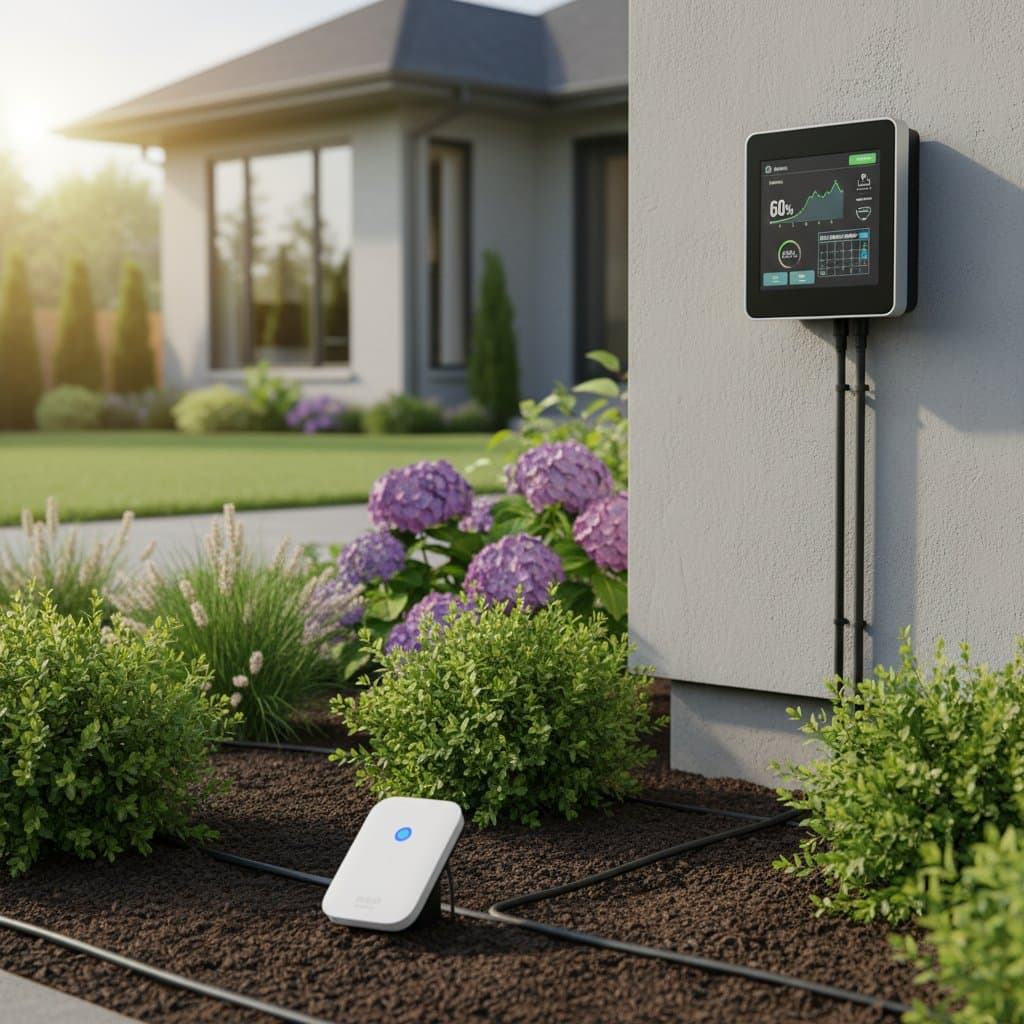
Soil sensors consist of compact devices embedded in the ground to monitor elements like moisture, temperature, and salinity levels. These units transmit data to a central controller or irrigation hub, which determines the necessity of watering. Essentially, the sensors enable plants to signal their hydration needs directly to the system. This mechanism prevents overwatering and maximizes the efficiency of each water application.
Average Cost of Soil Sensor Systems
Installation costs for soil sensor systems typically fall between $100 and $500 per zone, varying by technology and manufacturer. Entry-level options focused on moisture detection offer affordability, whereas comprehensive setups that link with smart controllers and meteorological inputs command higher prices yet yield superior returns over time.
| System Type | Average Cost Range |
|---|---|
| Basic Moisture Sensor | $100 - $200 per zone |
| Smart Sensor with App Integration | $200 - $350 per zone |
| Full Smart Irrigation System with Multiple Sensors | $350 - $500 per zone |
Such investments recover through diminished water usage and reduced upkeep expenses within several seasons.
Factors Affecting the Cost of Soil Sensors
Property Size
Extensive properties demand additional sensors for comprehensive coverage across varied zones. A compact yard may suffice with one or two units, whereas expansive estates or business sites might require over a dozen.
Soil Type
Soils such as clay, sand, and loam differ in water retention and drainage. Certain compositions necessitate sophisticated sensors for reliable data. Sandy soils, for instance, lose moisture rapidly, requiring vigilant, repeated assessments.
Sensor Technology
Capacitance-based sensors, which evaluate the soil's dielectric properties, outperform resistance models in precision. Advanced features elevate initial costs but enhance durability and effectiveness.
Integration with Irrigation Systems
Units that interface seamlessly with current smart controllers or wireless networks simplify operations, though they increase upfront expenditures. Compatibility with ecosystems like Google Home influences overall pricing.
Installation and Maintenance
Plug-and-play designs suit simple setups, but others benefit from expert placement. Ongoing tasks, including recalibration and power source renewal, contribute to long-term ownership expenses.
The Soil Sensor Irrigation Process
Grasping the operational sequence of soil sensor systems highlights their practical benefits. Most configurations adhere to these steps:
-
Placement of Sensors
Position devices at root level in representative landscape areas to account for diverse soil and vegetation profiles. -
Initial Calibration
Adjust the setup to match local soil characteristics and plant requirements for precise moisture interpretation. -
Data Collection
Gather ongoing readings on moisture, temperature, and salinity, relaying them to the central controller. -
Automated Decision Making
Evaluate data against established benchmarks; initiate watering for dry conditions or bypass it when saturation exists. -
Continuous Adjustment
Refine schedules progressively, incorporating weather predictions and cyclical variations. -
Monitoring and Alerts
Access system status via mobile applications, with notifications for issues like leaks, arid spots, or surplus wetness.
DIY vs. Professional Installation
When to DIY
Self-installation suits modest gardens or single-zone applications. Wireless models often feature straightforward pairing. If an existing smart controller is in place, integration may require mere minutes.
When to Hire a Professional
Experts excel in expansive or multifaceted landscapes, ensuring optimal sensor positioning and system harmony. They identify underlying problems, such as leaks, that might skew data. Although fees apply, professionals deliver dependable, error-free results.
How to Choose and Hire a Smart Irrigation Service
The ideal provider guarantees maximal system performance. Follow these steps for selection:
-
Check Certifications
Verify credentials from bodies like the Irrigation Association or regional conservation initiatives. -
Ask About Experience
Prioritize specialists familiar with soil sensors and intelligent irrigation deployments. -
Request References
Speak with past customers regarding system reliability and ongoing assistance. -
Compare Multiple Quotes
Obtain at least three comprehensive estimates detailing components, procedures, and guarantees. -
Confirm Maintenance Options
Select services that include routine checks and adjustments for sustained accuracy. -
Review Integration Capabilities
Ensure compatibility with current controllers and home automation platforms.
Frequently Asked Questions
How much water can soil sensors save?
These devices can decrease irrigation demands by up to 60 percent, influenced by regional climate, soil composition, and vegetation choices. Reductions stem from avoiding redundant cycles and optimizing delivery timing.
Do soil sensors work in all soil types?
They function across varieties, though precision fluctuates. Loam yields steady results, while sand or clay dominance may demand regular tuning or extra units for even monitoring.
Are soil sensors hard to maintain?
Maintenance remains minimal for most. Routine battery inspections and probe cleansing suffice, with intelligent models providing proactive alerts.
Can I use soil sensors with drip irrigation?
Yes, they complement drip methods effectively by targeting water precisely to roots.
Do soil sensors work with weather-based irrigation systems?
Indeed, pairing enhances efficiency by factoring in precipitation alongside soil conditions, averting excess during variable forecasts.
What is the lifespan of a soil sensor?
Premium models endure five to ten years under diligent care. Consistent upkeep prolongs functionality and data integrity.
Integrating Soil Sensors for Lasting Efficiency
Soil sensors now serve as practical tools for diverse properties, democratizing advanced water management. Their precise monitoring, adaptive controls, and app-based oversight empower users to oversee hydration comprehensively. Implement this technology to minimize waste, safeguard vegetation, and foster enduring resource stewardship.