
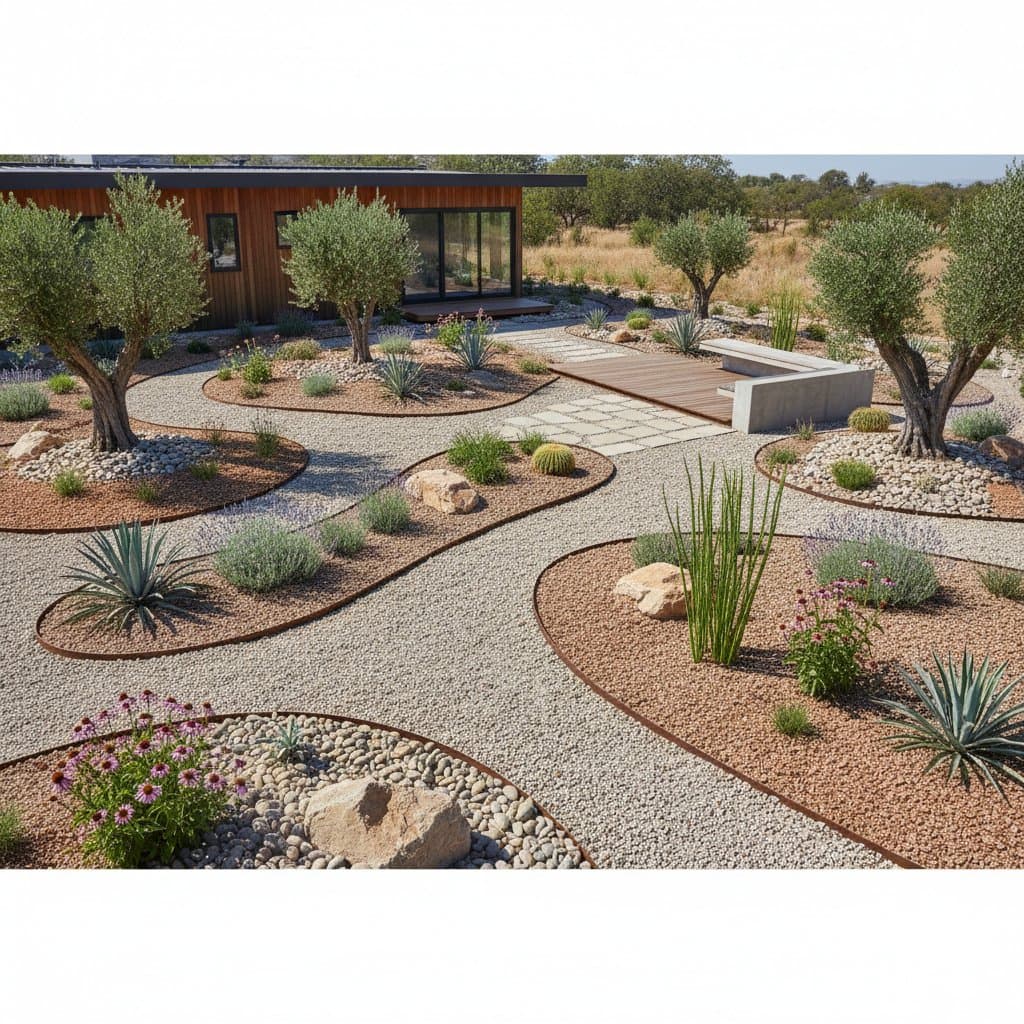
Why Gravel Gardens Outlast Mulch by Decades
Homeowners seek low-maintenance landscaping solutions amid rising water costs, erratic weather patterns, and a surge in sustainable practices. Traditional mulch often demands frequent replacement, while gravel gardens provide enduring alternatives. These designs feature decorative stones that support drought-tolerant vegetation, deliver superior drainage, and maintain aesthetic appeal year-round. This article explores the advantages of gravel gardens and offers practical guidance for implementation.
Understanding Gravel Gardens
A gravel garden incorporates layers of decorative stone, gravel, or crushed rock in place of mulch or grass. Professionals install a weed barrier fabric and a stabilizing base layer beneath the surface to enhance drainage. Suitable plants include lavender for its fragrant blooms, ornamental grasses for texture, and succulents for resilience in arid conditions. This approach aligns with xeriscaping, a method that conserves water and reduces ongoing care requirements.
Gravel gardens adapt to various climates and soil types. In arid regions, they minimize evaporation; in temperate zones, they prevent waterlogging. Select gravel sizes from fine pea gravel for subtle paths to larger river rocks for bold statements. Such versatility ensures the garden integrates seamlessly with existing landscapes.
Advantages of Gravel Over Mulch in Contemporary Designs
Extended Durability and Reduced Upkeep
Organic mulch decomposes annually, necessitating replenishment that adds labor and expense. Gravel resists breakdown, enduring for 20 years or more with proper installation. It repels insects and withstands wind without scattering. Maintenance involves simple tasks like raking leaves or redistributing stones after heavy storms, typically requiring only a few hours per year.
Consider the cost savings: initial gravel installation may exceed mulch, but long-term expenses drop significantly. For a 500-square-foot area, mulch replacement costs accumulate to hundreds of dollars over a decade, whereas gravel demands none. This reliability appeals to busy professionals and families alike.
Enhanced Drainage and Effective Weed Suppression
Rainwater percolates through gravel layers into the soil, mitigating erosion and avoiding puddles that foster disease. This process supports healthy root systems for plants. A high-quality geotextile fabric beneath the gravel blocks weed seeds while permitting moisture passage, outperforming mulch that decomposes into nutrient-rich soil ideal for invasive growth.
To maximize benefits, choose angular gravel types that interlock for stability. In clay-heavy soils, add a sand base to further improve infiltration rates. Homeowners report up to 90 percent fewer weeds compared to mulched beds, based on consistent barrier use and edge containment.
Consistent Visual Charm Across Seasons
Mulch loses vibrancy through fading, mold development, or dispersal during downpours. Gravel preserves its hue and form, from polished black basalt to warm terracotta tones. Sunlight dances off the stones, highlighting plant contrasts and creating dynamic shadows. This enduring polish suits minimalist modern facades or cottage-style homes with equal grace.
In winter, gravel prevents mud tracking and offers a clean slate for snow accents. Spring brings forth blooming perennials without the clutter of decaying mulch. Select color palettes that harmonize with home exteriors; for instance, neutral grays pair well with evergreen shrubs for timeless elegance.
Optimized Water Use and Ecological Advantages
Paired with xeriscape plants, gravel gardens slash irrigation needs by 50 to 75 percent. Roots access deeper moisture, thriving on natural rainfall. This efficiency lowers utility bills and conserves community water resources. Additionally, reduced fertilizer application minimizes chemical runoff into waterways, benefiting local wildlife and aquatic habitats.
Incorporate native species like yarrow or sedum to bolster biodiversity. These plants attract pollinators without supplemental feeding. Over time, the garden sequesters carbon in stable soil structures, contributing to broader environmental health.
Versatile Design Possibilities
Available in diverse granulometries, colors, and finishes, gravel facilitates creative expressions. Outline winding paths with fine aggregates or frame raised beds with coarse varieties. Integrate boulders for focal points or mix gravel types for textured zones. Native flora and hardscape elements like benches evolve the space organically, adapting to user preferences.
For urban settings, gravel softens concrete expanses into inviting patios. In rural yards, it defines wildflower meadows with subtle boundaries. Experiment with patterns, such as radial designs around trees, to personalize the layout while upholding low-water ideals.
Steps to Build Your Gravel Garden
-
Design the Layout
Sketch boundaries for gravel coverage and plant placements. Prioritize sun exposure and foot traffic patterns. Opt for drought-adapted species verified for your USDA hardiness zone to ensure viability. -
Site Preparation
Clear sod, weeds, and debris using a sod cutter or manual tools. Till the soil lightly to loosen compaction, then level with a rake. Install edging like metal strips or bricks to define borders and prevent gravel migration. -
Install the Base Layers
Roll out landscape fabric, securing it with staples every two feet. Add two inches of coarse sand or decomposed granite for drainage in soggy areas. This foundation stabilizes the surface and extends gravel longevity. -
Apply the Gravel Surface
Distribute two to four inches of selected gravel uniformly, using a wheelbarrow for transport. Compact lightly with a tamper for even settling. Avoid overpacking to maintain permeability; test by pouring water to confirm flow. -
Incorporate Plants and Finish
Slice slits in the fabric for root balls, planting at recommended depths. Mulch around bases with additional gravel if needed. Water deeply once to establish, then monitor for settling and adjust as plants mature. -
Ongoing Care Practices
Inspect quarterly for weed incursions, removing them by hand. Rake to redistribute stones and clear organic debris. Replenish gravel in high-traffic spots every five years to sustain appearance.
Embracing Gravel for Enduring Outdoor Resilience
Transitioning to a gravel garden represents an investment in sustainability and convenience. Water conservation efforts yield measurable savings, while simplified routines free time for enjoyment. Curb appeal elevates with a sophisticated, resilient design that withstands environmental challenges. Consult local experts for site-specific advice, or begin with a modest trial area to experience the transformation firsthand.