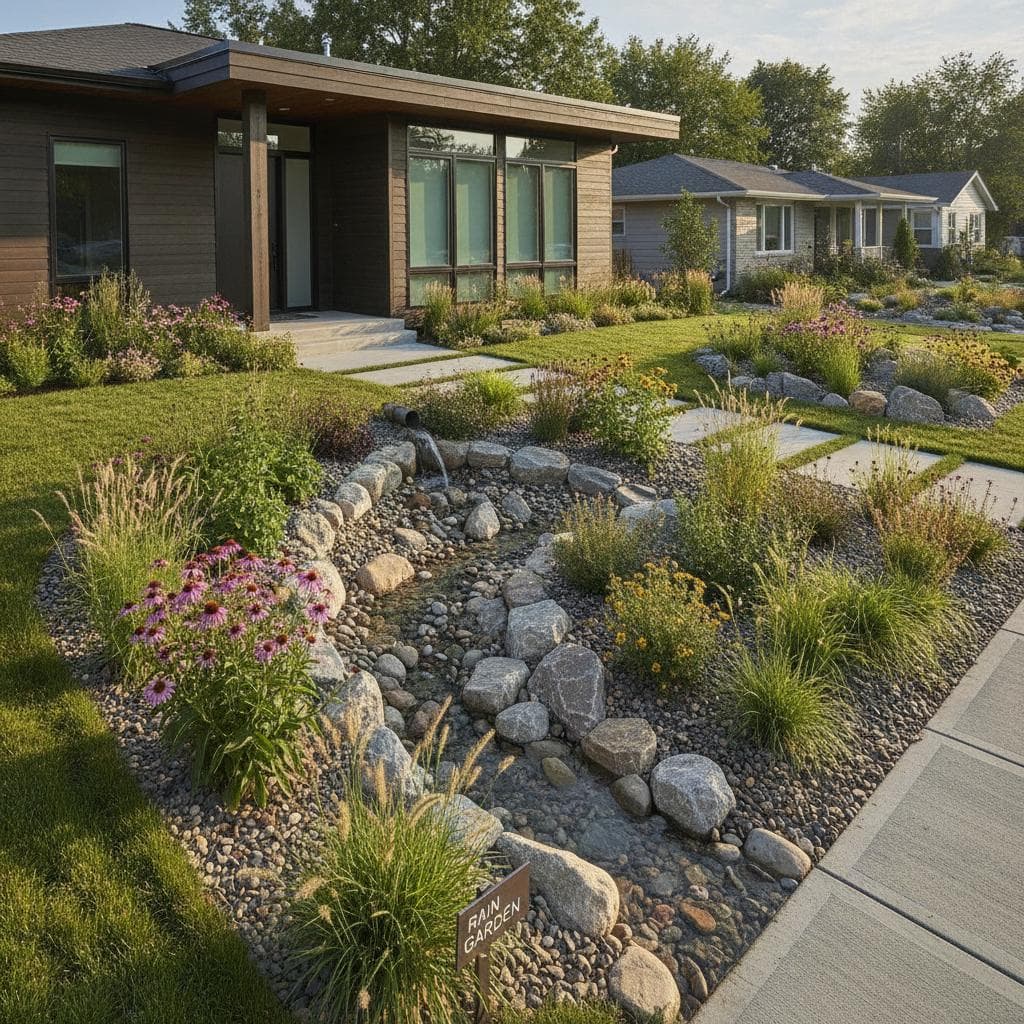
8 Cities Make Rain Gardens Mandatory by July
Eight U.S. cities require rain gardens on select properties. This guide explains costs, types, installation steps, and code compliance for homeowners.
Loading...

Eight U.S. cities require rain gardens on select properties. This guide explains costs, types, installation steps, and code compliance for homeowners.
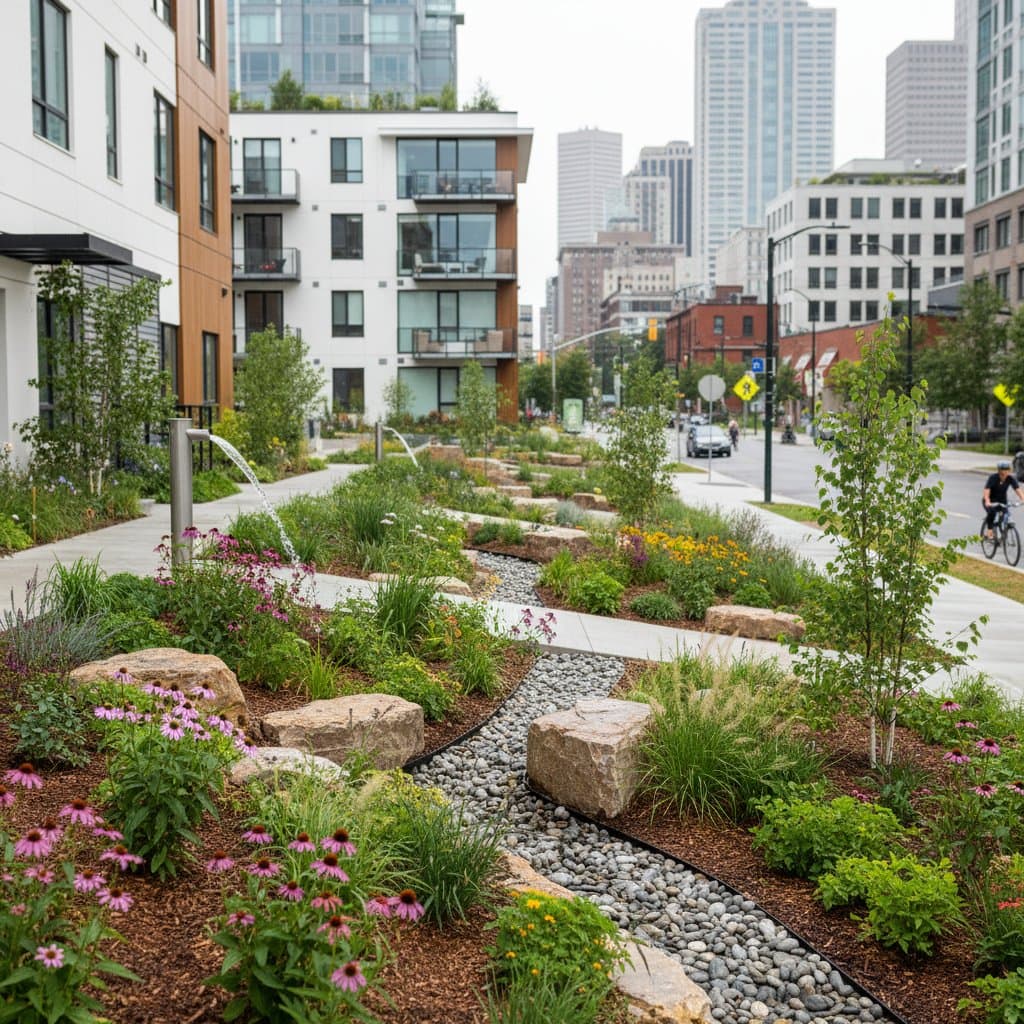
Eight cities enforce rain garden installations by July 2026 to tackle urban flooding and runoff via green solutions. This resource explains rain gardens, expenses, building processes, and key compliance steps to safeguard properties and support eco-friendly water strategies.

Nationwide, homeowners associations replace resource-heavy lawns with pollinator gardens that elevate biodiversity, slash maintenance costs, and align with modern sustainability priorities. Indigenous flora lure essential pollinators like bees and butterflies, demanding less water and care while upholding attractive exteriors. Learn how communities transform ideal yards into ecological assets.
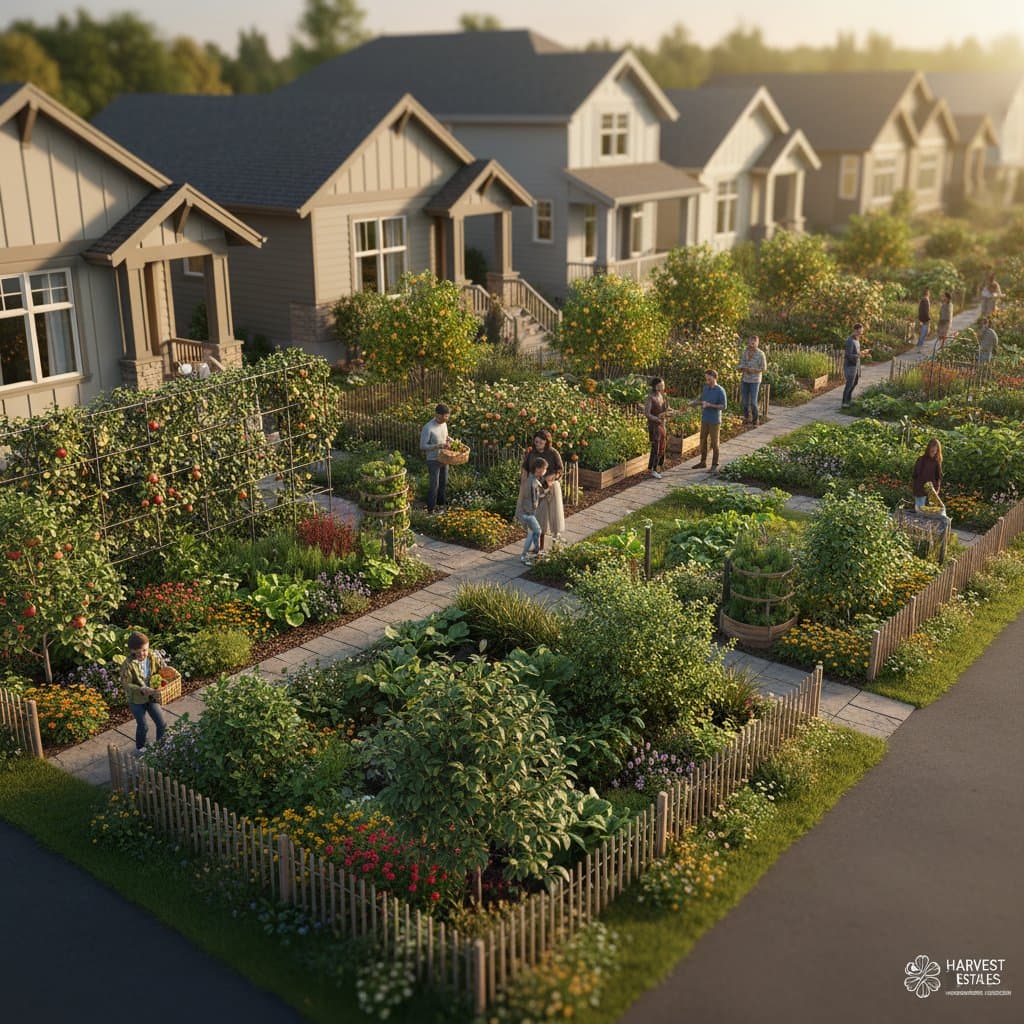
Homeowners nationwide are swapping out conventional lawns for thriving edible gardens that enhance beauty, promote sustainability, and yield fresh produce. Homeowners associations are revising strict landscaping policies to accommodate this trend, which cultivates community bonds and reimagines curb appeal through productive landscapes.

A homeowner's challenge to an HOA's prohibition on pollinator gardens raises key issues of property autonomy, environmental duties, and innovative landscaping in shared communities.
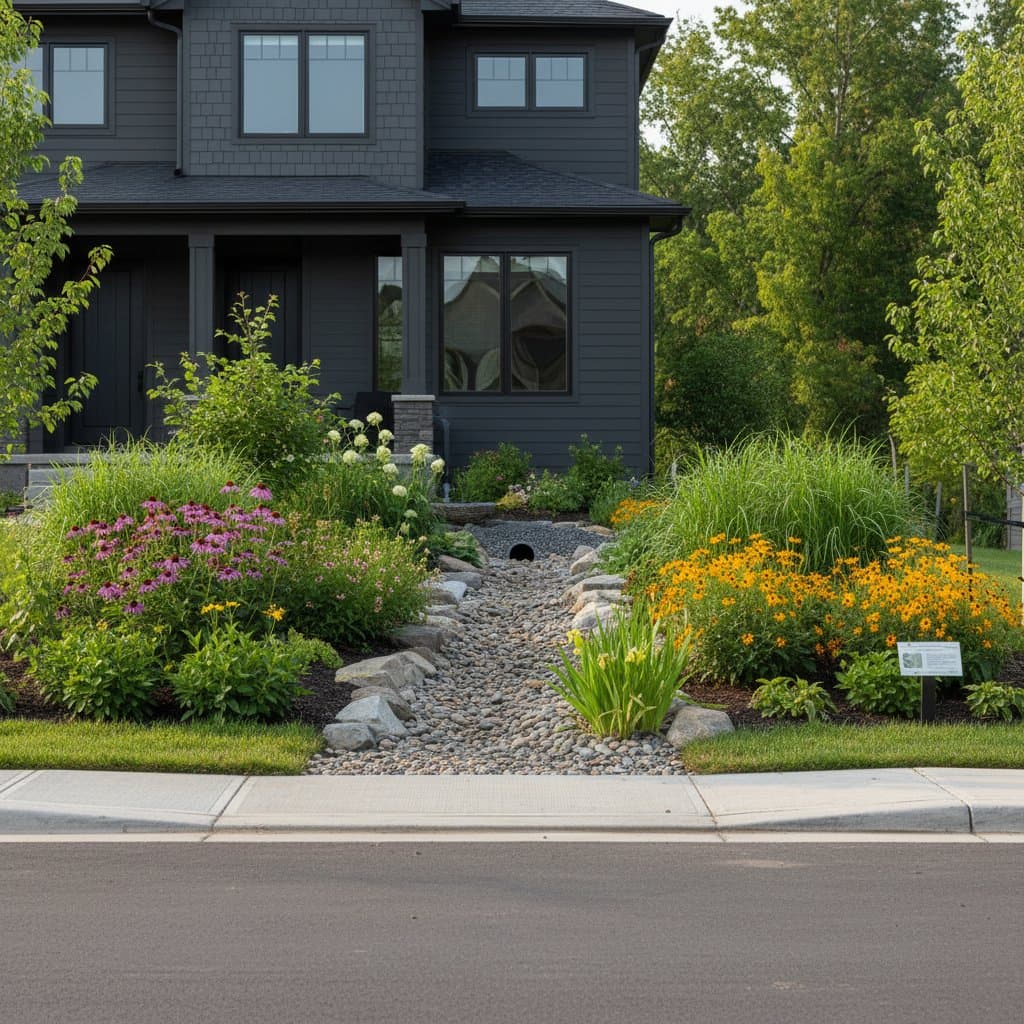
Eight leading U.S. cities mandate rain gardens by 2025 to manage stormwater runoff and elevate water quality. These natural filters combat pollution, ease flooding, and align with green initiatives.
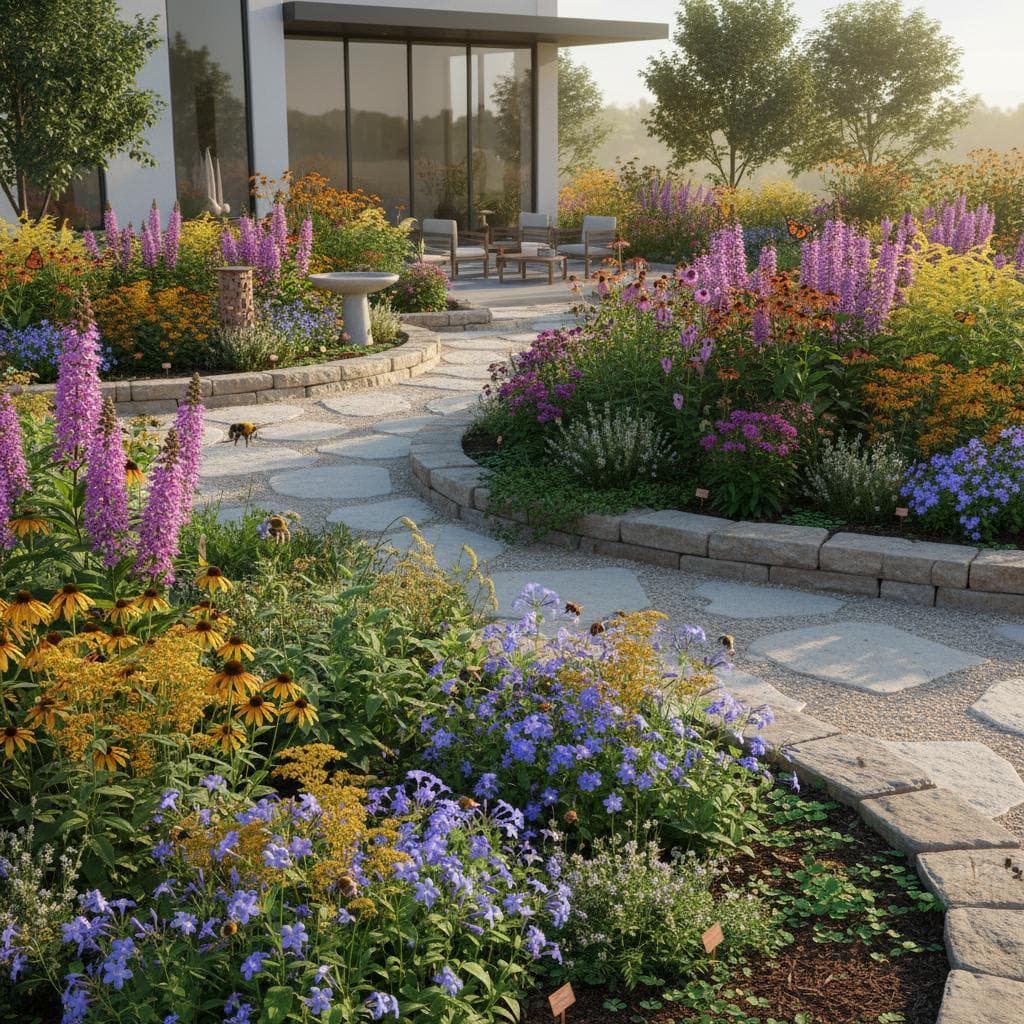
Staggered blooms ensure gardens remain alive with pollinators across seasons. Strategic native plant choices support biodiversity, pollination, and enduring landscape appeal through careful seasonal planning.
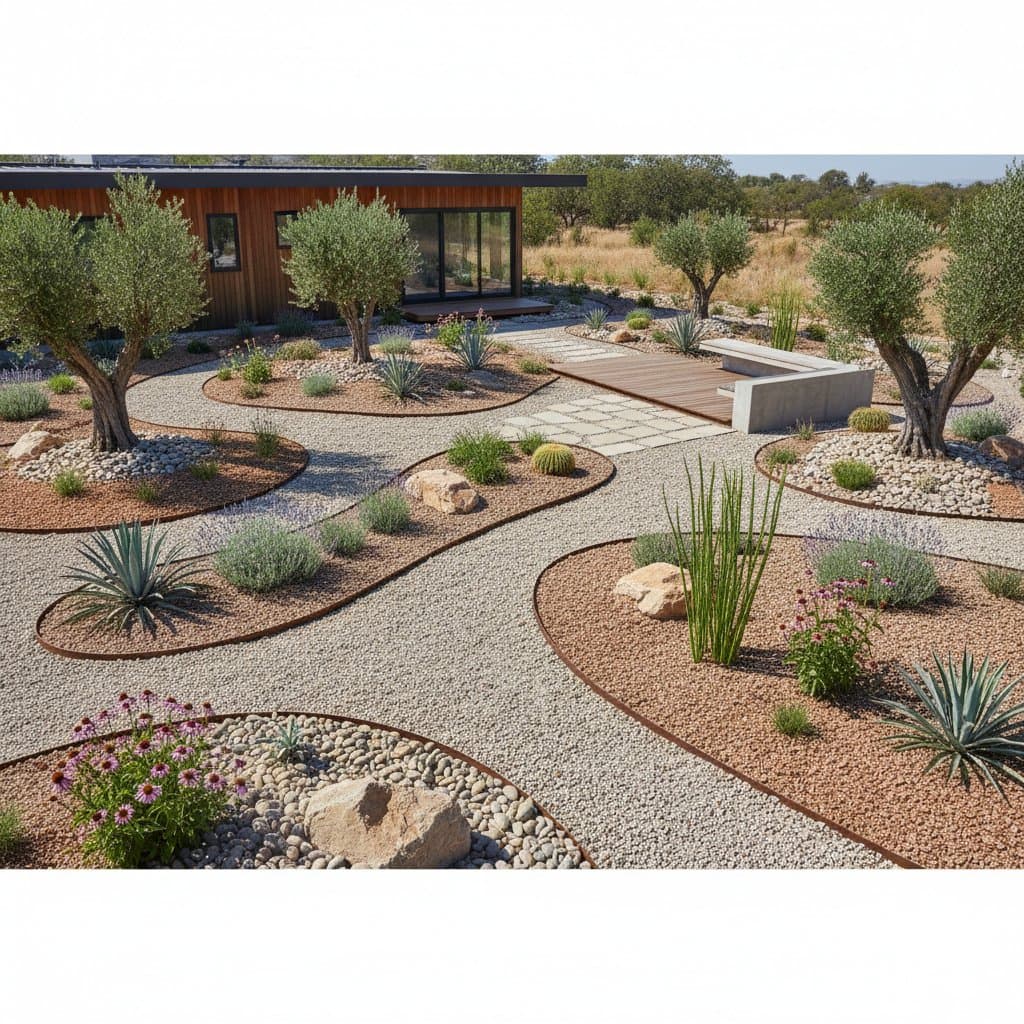
Gravel gardens emerge as the sustainable landscaping choice for 2025, outlasting mulch with minimal upkeep and maximum durability. They excel in drainage, weed resistance, and water conservation while accommodating drought-hardy plants for timeless outdoor elegance. Learn how to implement this versatile design for a resilient, attractive yard.

Pollinator gardens elevate home value through sustainable beauty and ease of care. Native plants draw pollinators, showcase eco-responsibility, and amplify attractiveness with seasonal blooms and robust trees. Explore eco-landscaping strategies that unlock greater property potential.

Revitalize your yard affordably by substituting turf with a pollinator garden. Native selections trim design and care costs by roughly 30%, demand little water, and invite pollinators like bees and butterflies. Explore sustainable landscaping that boosts biodiversity, cuts bills, and fosters a self-sustaining outdoor retreat.
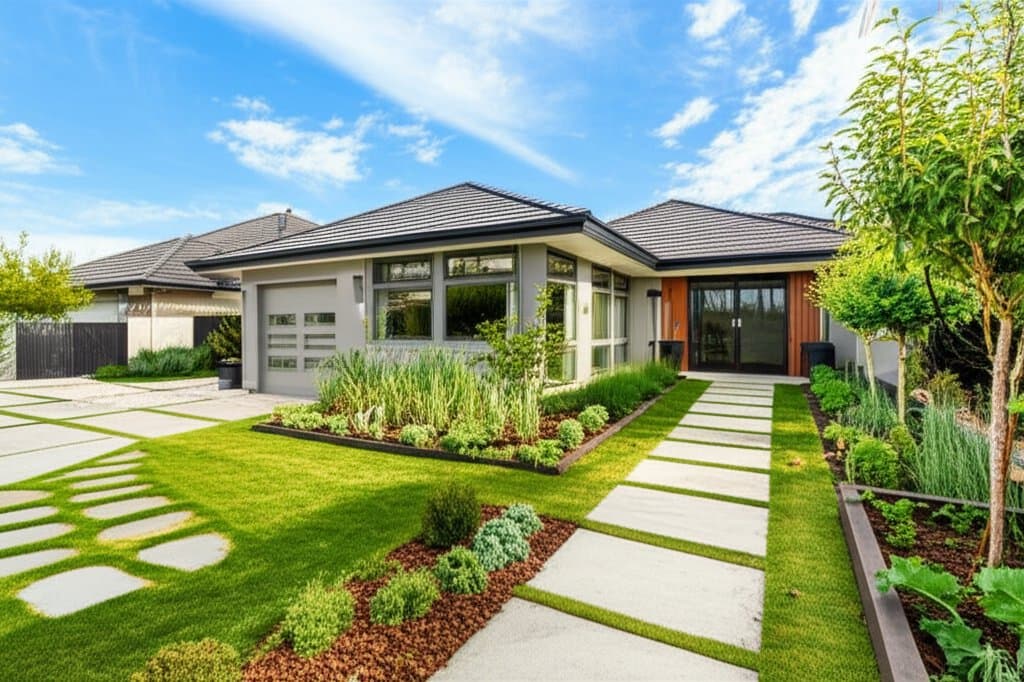
Edible landscaping reshapes property values in 2025 by blending aesthetics, eco-friendliness, and food production. Transform ordinary lawns into valuable, cost-saving gardens that appeal to buyers and sustain the planet.
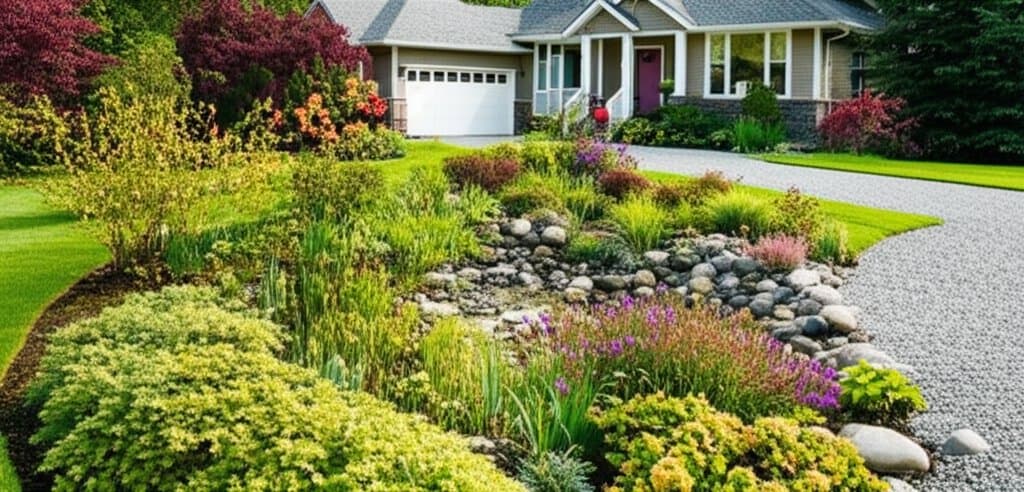
Convert thirsty lawns into efficient rain gardens that save 60% on water costs, enhance aesthetics, and aid ecosystems. This guide covers expenses, influencing factors, and professional tips for sustainable stormwater management.