
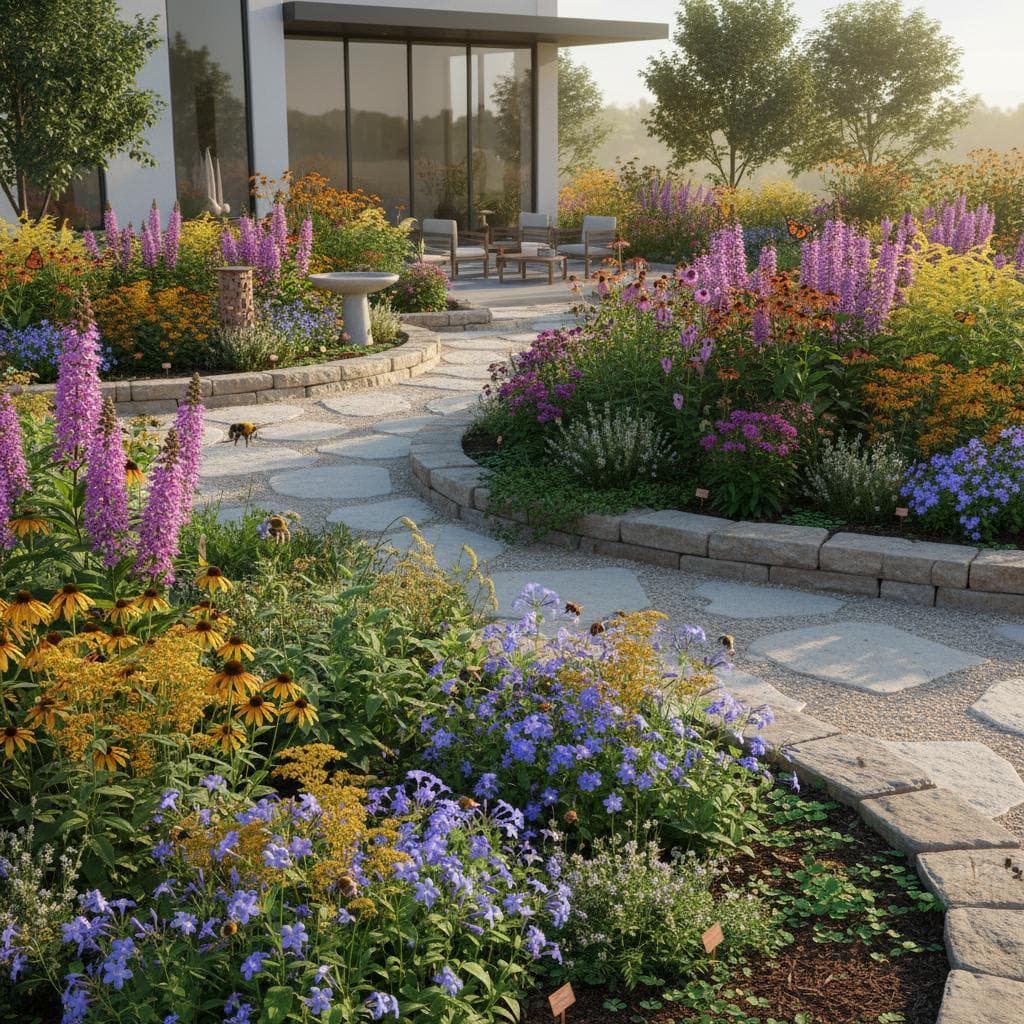
Bloom Schedules: Key to Pollinator-Friendly Yards
A well-planned bloom schedule serves as the foundation for a thriving pollinator-friendly yard. Gardeners achieve this by ensuring continuous flowering, which provides bees, butterflies, and other pollinators with a reliable nectar and pollen supply from early spring through late fall. This approach fosters biodiversity, enhances fruit and seed production, and elevates the aesthetic appeal of the landscape.
Successful bloom succession demands more than random planting of colorful flowers. Gardeners must consider plant lifecycles, local climate conditions, and pollinator requirements. When executed properly, this strategy converts a standard garden into a dynamic ecosystem that remains active across seasons.
Why Bloom Schedules Matter for Pollinators
Pollinators require steady access to nectar and pollen for survival. Gardens that flower only in one season create extended periods of food scarcity, which weaken bee colonies and diminish butterfly numbers. Staggered blooms establish a dependable food supply that supports pollinators throughout the year.
Continuous flowering offers advantages to property owners as well. Such schedules maintain visual interest in the garden, promote biodiversity to deter pests, and bolster pollination for nearby fruit trees and vegetables.
Understanding Bloom Succession
Bloom succession involves sequencing flowering plants so one species takes over as another concludes its bloom. This pattern guarantees food availability for bees, butterflies, moths, and hummingbirds at all times.
Gardeners organize plantings into three main periods: early season, mid-season, and late season. Each period features a combination of perennials, shrubs, and trees selected for timing and ecological value.
Early Season Bloomers
Pollinators awaken in early spring with urgent needs after winter dormancy. Early bloomers play a critical role in their initial foraging. Recommended options include:
- Crocus and Snowdrops: These bulbs emerge first and deliver vital nectar to newly active bees.
- Serviceberry (Amelanchier): This native tree displays early white blossoms that draw bees and butterflies.
- Willow (Salix): Male varieties yield pollen-rich catkins, supplying essential proteins for bee nutrition.
- Dandelion: These durable flowers offer one of the earliest nectar resources in accessible form.
Mid-Season Bloomers
Mid-season marks peak garden activity with abundant color. Pollinators demand varied flower structures to accommodate different feeding styles.
- Coneflower (Echinacea): This robust perennial nourishes native bees and butterflies with its daisy-like heads.
- Bee Balm (Monarda): Tubular blooms appeal to hummingbirds and bumblebees, facilitating deep nectar access.
- Black-Eyed Susan (Rudbeckia): Extended blooming periods yield plentiful nectar and pollen for sustained support.
- Lavender: Fragrant spikes bloom reliably and attract honeybees while adding sensory appeal to the garden.
Late Season Bloomers
Late-season plants supply crucial resources as temperatures drop and pollinators gear up for migration or dormancy.
- Asters: Resilient perennials that flower late, providing sustenance for bees and butterflies into autumn.
- Goldenrod: This plant hosts numerous pollinator species and produces pollen without triggering allergies.
- Sedum (Stonecrop): Succulent leaves and clustered blooms lure bees and butterflies in cooler months.
- Joe-Pye Weed: Tall heads brim with nectar, serving as a prime attractor for butterflies.
How to Create a Year-Round Bloom Schedule
Developing a bloom schedule begins with site assessment and strategic planning. Evaluate sunlight exposure, soil composition, and moisture levels in the yard. Incorporate any existing trees or shrubs that align with succession goals, then select additions to address seasonal voids.
Follow these steps for effective implementation:
- Prioritize Native Plants: These adapt to regional climates and deliver optimal nutrition to local pollinators.
- Incorporate Varied Heights and Forms: Layer groundcovers, perennials, shrubs, and trees to ensure comprehensive coverage.
- Ensure Overlapping Blooms: Select species with slight temporal overlaps to eliminate food gaps.
- Cluster by Bloom Time: Group identical plants to concentrate resources and streamline pollinator foraging.
- Include Host Plants: Provide species for egg-laying and larval development, such as milkweed for monarch butterflies.
Benefits Beyond Pollination
A structured bloom schedule extends value far past pollinator support. It cultivates a self-regulating ecosystem where diversity naturally curbs pests. Enhanced pollinator presence boosts yields in fruit and vegetable areas.
Ongoing blooms also enrich soil quality. Plant cycles add organic material and draw beneficial microbes, leading to better drainage, nutrient renewal, and sustained landscape health.
Common Mistakes to Avoid
Well-meaning gardeners occasionally undermine their efforts through avoidable errors. Concentrating blooms in summer alone starves pollinators during off-seasons.
Steer clear of broad-spectrum pesticides, which endanger bees and butterflies; opt for targeted controls like companion planting or organic sprays. Excessive mulching blocks ground-nesting bees, so maintain patches of exposed soil. Non-native ornamentals often lack nutritional value, diminishing overall effectiveness.
DIY vs. Hiring a Landscape Professional
Individuals can craft a straightforward bloom schedule for modest spaces using basic research and local plant guides. For expansive or intricate designs, professional input proves invaluable.
Landscape designers evaluate site specifics, recommend synergistic species, and optimize spacing for enduring success. They employ detailed bloom calendars to synchronize flowering across the property, integrating pollinator support with aesthetic enhancements.
How Trees Support Bloom Succession
Trees anchor pollinator habitats despite frequent oversight in garden plans. Their blooms deliver substantial nectar and pollen volumes, sustaining large pollinator groups briefly but impactfully.
Incorporate these selections:
- Red Maple: Early flowers supply pollen essential for overwintering bees.
- Crabapple: Spring clusters entice bees and hoverflies with profuse blossoms.
- Tulip Tree: Tulip-like blooms nourish bees and butterflies in mid-season.
- Linden (Basswood): Scented inflorescences summon swarms of honeybees.
Trees add vertical dimension to the schedule and provide habitat for birds and insects.
Maintaining a Bloom Schedule Over Time
Established plantings require ongoing care to preserve bloom continuity. Remove faded flowers to stimulate additional cycles, and prune at appropriate intervals to safeguard future buds.
Track progress with a garden log noting bloom durations and visitor patterns. Refine selections periodically to address any emerging gaps and heighten diversity.
Essential seasonal practices encompass:
- Early Spring: Clear debris gently to protect hibernating insects.
- Summer: Irrigate thoroughly in droughts and eliminate competing weeds.
- Autumn: Retain seed pods for avian food and structures for overwintering sites.
- Winter: Preserve stems and foliage layers as nesting refuges for solitary bees.
FAQ: Bloom Schedules and Pollinator Gardens
How do I know if my yard supports pollinators year-round?
Monitor the garden across seasons for bloom continuity and insect presence. Extended lulls in flowers or activity signal the need for earlier or later-blooming additions.
Do I need a large yard to create a bloom schedule?
No. Compact spaces or containers suffice with strategic plant choices spanning bloom periods. Emphasize variety over scale.
Which pollinators benefit most from bloom succession?
Bees, butterflies, hummingbirds, moths, and beetles gain the most. Preferences vary by flower morphology, hue, and timing.
How can I attract native bees specifically?
Select regional wildflowers such as penstemon, goldenrod, and asters. Provide soil access for nesting and forgo synthetic chemicals.
What if my soil is poor or dry?
Favor resilient options like lavender, yarrow, or sedum. These endure challenging conditions while yielding nectar.
Are night-blooming plants useful for pollinators?
Yes. Species like evening primrose or moonflower sustain moths and bats, broadening garden utility into evenings.
How often should I revise my bloom schedule?
Review every one to two seasons. Maturing plants may alter timings, necessitating tweaks for equilibrium.
Building a Landscape That Buzzes with Life
A thoughtfully sequenced bloom schedule elevates the yard into a vibrant ecosystem. Seasonal flowers sustain pollinators while fostering resilience and beauty. This investment yields lively hues, wildlife abundance, and an invigorated outdoor space.
Prepare your property for year-round activity by consulting a pollinator-savvy tree care or landscaping expert. Their knowledge ensures a durable sanctuary for vital species.