
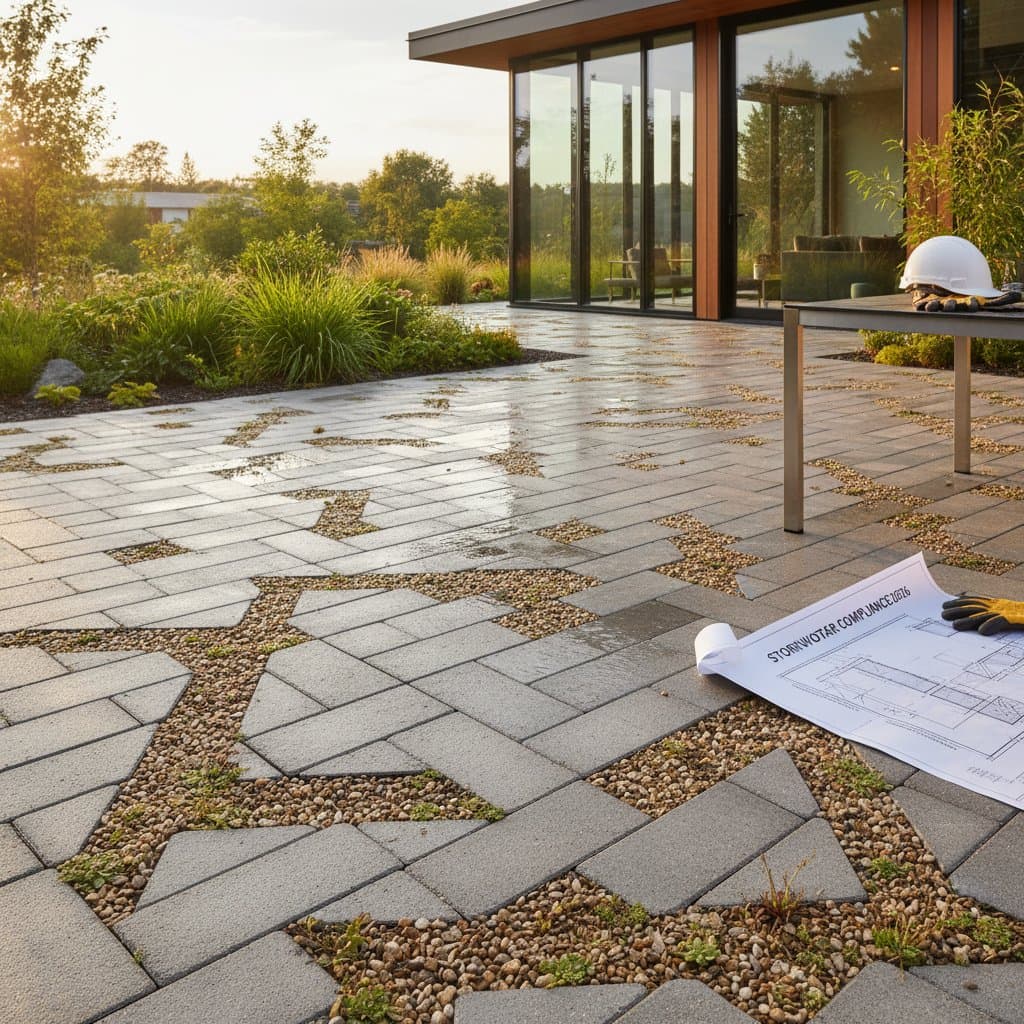
Understanding the Shift to Permeable Paving
Permeable paving represents a forward-thinking solution for managing stormwater runoff in urban and suburban settings. Unlike traditional impervious surfaces such as concrete or asphalt, permeable options allow water to infiltrate the ground, reducing erosion and pollution. By 2026, regulatory changes in eight states will make this technology mandatory for certain new constructions, prompting builders and homeowners to adapt their planning.
These mandates stem from growing concerns over climate impacts, including intensified rainfall and urban flooding. State environmental agencies aim to protect local waterways and replenish groundwater supplies through widespread adoption. This transition not only addresses immediate environmental challenges but also fosters more resilient communities.
The Eight States Driving Change
California leads with stringent guidelines under its Sustainable Water Management Act, requiring permeable surfaces in parking lots and driveways exceeding 5,000 square feet. New York follows suit, integrating these requirements into its stormwater regulations for commercial and residential projects in high-density areas. Washington state emphasizes coastal protection, mandating permeable paving in developments near Puget Sound to combat sea-level rise effects.
Oregon's Department of Environmental Quality enforces rules for new subdivisions, focusing on reducing impervious cover to below 10 percent. Massachusetts prioritizes urban renewal, applying mandates to Boston-area renovations that involve hardscaping. Maryland's Chesapeake Bay restoration initiatives include permeable paving for waterfront properties to filter pollutants before they reach sensitive ecosystems.
Illinois targets Chicago's flood-prone neighborhoods, requiring these surfaces in public parking and school grounds. Colorado rounds out the list with alpine region protections, mandating permeable options in mountain community developments to preserve snowmelt patterns and prevent downstream flooding.
Key Benefits for Properties and the Environment
Permeable paving significantly cuts down on surface runoff, which carries contaminants into storm drains. This filtration process supports healthier aquifers and reduces the burden on municipal sewer systems during heavy rains. Homeowners benefit from decreased pooling on driveways, minimizing slip hazards and vehicle damage from water exposure.
From an environmental standpoint, these surfaces promote biodiversity by allowing natural recharge of soil moisture. They align with broader sustainability goals, such as those outlined in national green building standards. Properties equipped with permeable paving often qualify for incentives like tax credits or rebates from local utilities.
Long-term, this approach enhances landscape aesthetics while providing functional advantages. Rain gardens and native plantings can integrate seamlessly, creating inviting outdoor spaces that require less maintenance than conventional setups.
Breaking Down the Costs
Initial expenses for permeable paving vary based on project scale and material choice, typically ranging from $8 to $25 per square foot installed. For a standard 500-square-foot driveway, expect costs between $4,000 and $12,500. Factors influencing price include site preparation, such as soil testing for permeability rates, and labor for precise layering.
Material costs dominate the budget: basic permeable concrete pavers run $5 to $10 per square foot, while premium porous asphalt falls between $7 and $15. Add $2 to $5 per square foot for base materials like crushed stone aggregates that ensure proper drainage. Professional installation adds 30 to 50 percent to material prices, reflecting the need for specialized equipment to achieve uniform voids.
Compared to traditional paving, permeable options may appear 20 to 40 percent more expensive upfront. However, savings emerge over time through lower utility bills and reduced repair needs. Municipal rebates in mandating states can offset 10 to 25 percent of costs for compliant projects.
Cost-Saving Strategies
- Opt for modular pavers over poured systems to simplify future repairs.
- Conduct bulk purchases for larger areas to negotiate supplier discounts.
- Integrate permeable features into existing designs to avoid full resurfacing.
- Seek certified installers who qualify for state-funded training programs.
Material Options and Selection
Several materials suit permeable paving applications, each with unique drainage capacities and durability profiles. Permeable concrete pavers feature open joints filled with permeable aggregates, allowing up to 90 percent water passage while supporting heavy loads like vehicles.
Porous asphalt provides a seamless surface ideal for driveways, with voids engineered during mixing to facilitate infiltration. Gravel or loose stone systems offer affordability for pathways, though they demand edging to prevent migration. Emerging options like plastic grid systems interlock with turf or gravel, blending functionality with green aesthetics for low-traffic zones.
Selection depends on traffic volume, climate, and aesthetic preferences. In freeze-thaw regions like Illinois or Colorado, choose frost-resistant materials to avoid cracking. Always verify local soil percolation rates, aiming for at least 2 inches per hour to ensure effective performance.
Professional Installation Essentials
Installation begins with excavation to a depth of 12 to 18 inches, removing impervious subsoil if necessary. Layers include a geotextile fabric at the base to filter fines, followed by 4 to 6 inches of coarse aggregate for structural support. The permeable surface layer tops this assembly, compacted lightly to maintain voids.
Professionals use laser levels for even grading and conduct infiltration tests post-installation to confirm compliance. Maintenance involves periodic vacuuming of joints to clear debris, performed biannually to sustain permeability. Avoid sealants, which clog pores and negate benefits.
Hiring certified contractors ensures adherence to state codes, often including warranties against settling. Expect the process to span 3 to 7 days for residential projects, depending on weather conditions.
Navigating Compliance and Regulations
Compliance starts with reviewing state-specific guidelines through local planning departments. Permits typically require submission of drainage plans showing how permeable areas integrate with site grading. In California, for instance, projects must demonstrate a 25 percent reduction in runoff volume compared to pre-development levels.
Consult engineers for complex sites, especially those with slopes exceeding 5 percent, where additional retention features may apply. Documentation of material specs and installation photos supports inspections. Non-compliance risks fines up to $10,000 per violation, underscoring the value of proactive planning.
Builders in affected states should incorporate these requirements into bidding processes early. Homeowners can leverage online tools from environmental agencies to estimate impacts on their properties.
Realizing Long-Term Value Through Sustainable Design
Investing in permeable paving yields returns beyond regulatory adherence. Reduced flooding protects foundations and landscapes, potentially saving thousands in emergency repairs. Enhanced curb appeal attracts eco-conscious buyers, supporting higher resale values in green-certified markets.
Communities benefit collectively from cleaner waterways and mitigated urban heat islands. As these mandates expand, early adopters position themselves as leaders in sustainable development. Consider permeable paving not as an added cost, but as a strategic enhancement for enduring property resilience.
Preparing Your Project for Success
Assess your site's needs by mapping impervious areas and consulting soil reports. Budget for both initial outlay and minor upkeep to maximize returns. Partner with experienced professionals to tailor solutions that meet mandates while aligning with your vision.
This preparation ensures seamless integration of permeable features, delivering environmental stewardship alongside practical advantages. Start by gathering local resources today to build a foundation for tomorrow's challenges.