
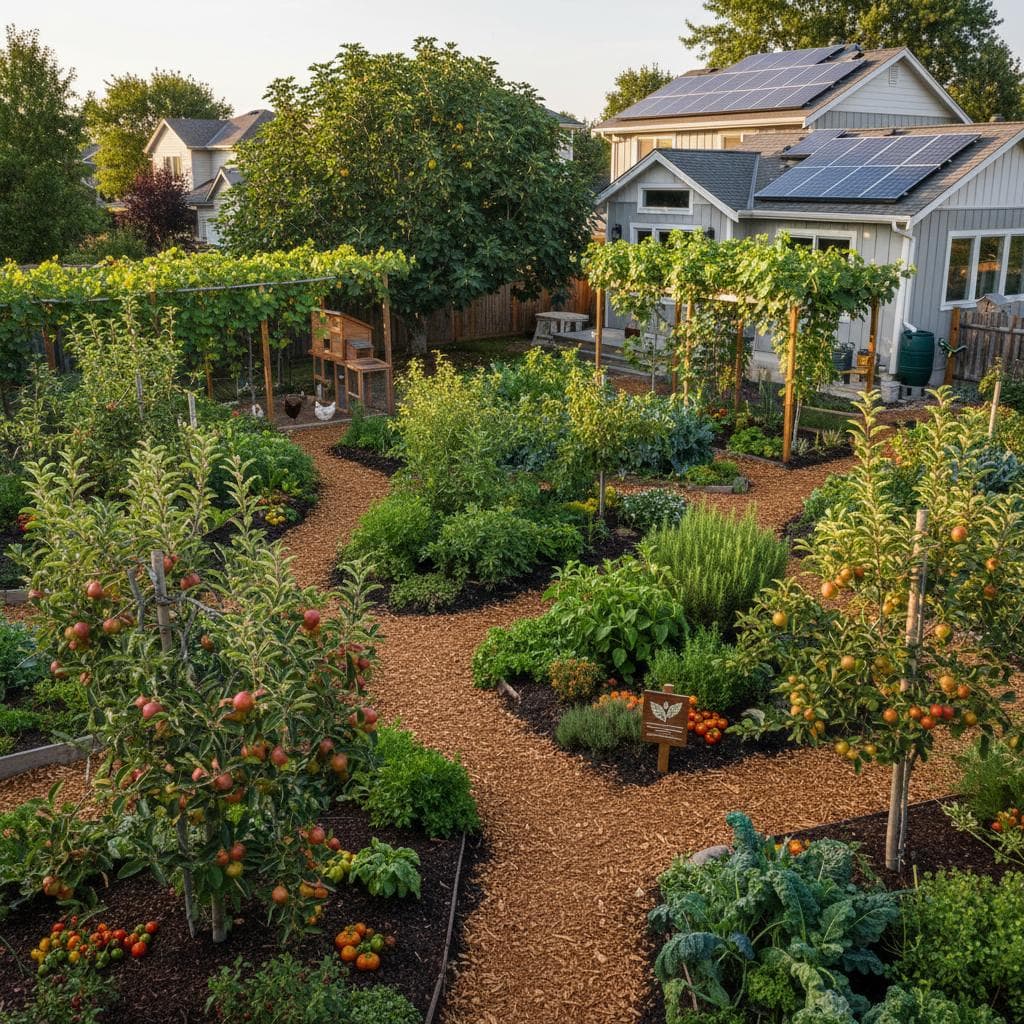
Suburban Yards Achieve 230% ROI with Edible Landscapes
Edible landscaping generates substantial returns on investment, often reaching 230% for homeowners over a few seasons. These returns stem from savings on fresh produce, elevated property values, and decreased maintenance expenses. A thoughtfully planned edible landscape converts a standard suburban yard into a productive, attractive, and sustainable area that supports both human needs and environmental health.
Homeowners increasingly recognize that edible landscapes extend beyond mere food production. They integrate utility with visual elegance, replacing conventional lawns with vibrant ecosystems. Through strategic planning and expert advice, any yard evolves into a resource that enhances both culinary options and financial outcomes.
Understanding Edible Landscaping
Edible landscaping involves integrating food-bearing plants into decorative garden layouts. Homeowners replace nondescript shrubs and turf with fruit trees, berry bushes, herbs, and enduring vegetables. These arrangements maintain the allure of traditional ornamental gardens while yielding fresh edibles.
Examples of common elements in an edible landscape include:
- Fruit trees like apple, pear, or fig varieties
- Berry-producing shrubs such as blueberry, raspberry, and elderberry
- Herbs for cooking, including rosemary, thyme, and basil
- Flowers safe for consumption, such as nasturtium, calendula, and violets
- Vegetables that return yearly, like asparagus, artichoke, and rhubarb
Proper design enables these plants to aid one another via natural pest management, nutrient enhancement in soil, and attraction of pollinators. This creates a stable ecosystem demanding fewer synthetic chemicals and reduced irrigation compared to standard lawns.
Reasons Edible Landscapes Yield High Returns
The figure of 230% ROI appears bold, yet it proves attainable upon examination of the contributing elements. Conventional lawns incur ongoing expenses, whereas edible landscapes generate measurable benefits.
Reduced Maintenance Expenses
Standard lawns demand regular mowing, watering, and nutrient applications. Substituting half the lawn area with persistent food plants halves these costs. Systems like drip irrigation paired with mulch minimize water consumption, leading to direct reductions in utility bills.
Elevated Property Values
An edible landscape in excellent condition boosts exterior attractiveness and offers distinctive features. Prospective buyers favor properties showcasing environmental responsibility and independence. A developed food forest or productive front yard can increase a home's resale price by thousands of dollars.
Savings from Homegrown Produce
Cultivating personal fruits, herbs, and vegetables cuts grocery expenses by hundreds of dollars each year. One established apple tree produces over 100 pounds of fruit annually. A modest herb patch supplants pricier market herbs that frequently spoil before use.
Enduring Sustainability
Plants that persist across seasons yield output for years after initial growth. The upfront investment recoups through sustained production and limited need for replacements. Gradually, the landscape grows more efficient, relying less on outside resources.
Elements Affecting ROI Outcomes
Financial results from edible landscapes vary based on multiple considerations. Homeowners benefit from grasping these prior to initiation.
- Plant Choices: Select varieties adapted to regional soil types, weather patterns, and sunlight availability for optimal development and output. Indigenous and water-efficient options typically excel.
- **Layout ** Cluster plants according to hydration and light requirements to eliminate excess and streamline upkeep. Expert designers enhance both form and utility.
- Soil Vitality: Productive soil forms the base for success. Adding compost and natural materials promotes robust growth without costly additives.
- Upkeep Dedication: Edible landscapes demand less effort than lawns, yet require periodic trimming, covering with mulch, and gathering crops. Regular practices sustain health and yield.
- Maturation Period: Certain plants, including fruit trees, need multiple seasons for peak performance. Initial restraint leads to escalating benefits over time.
Steps to Establish an Edible Landscape
Developing an edible landscape mirrors other landscaping endeavors, emphasizing yield and harmony with nature.
- Evaluate the Site: Engage a certified arborist or designer to review light exposure, soil quality, water flow, and current plants.
- Develop the Plan: Sketch arrangements that harmonize appearance and purpose, including walkways, planting areas, and watering setups.
- Prepare the Ground: Incorporate compost, mulch, and natural enhancers to cultivate nutrient-rich soil.
- Install Plants: Position chosen trees, bushes, and covers as per the blueprint.
- Apply Coverings and Watering: Mulch preserves hydration and curbs weeds; targeted drip lines deliver water effectively.
- Provide Continued Attention: After rooting, tasks encompass shaping growth, collecting yields, and replenishing with organics.
Executed properly, this sequence yields a landscape that develops steadily, offering greater harvests and diminishing needs annually.
Options: Self-Directed or Expert Assistance
Small-scale efforts, such as a personal herb plot or elevated bed, suit do-it-yourself approaches. Comprehensive edible landscapes gain from specialist input. Professionals possess knowledge of plant interactions, ground composition, and future care.
A certified arborist evaluates how present trees integrate and ensures their vitality amid new additions. Self-guided initiatives appeal to gardening enthusiasts with available time for education. Experts suit those desiring integrated, effortless setups that optimize gains and durability. Many blend methods, with pros managing planning and setup while owners handle routine tending and reaping.
Selecting an Expert Landscape Professional
Choosing the appropriate specialist proves crucial for positive results. Seek individuals who:
- Demonstrate proficiency in edible or permaculture arrangements
- Grasp regional conditions and local flora
- Supply thorough care guidelines
- Employ natural techniques over synthetic ones
- Present precise schedules and budget projections
Review past work samples and share objectives prior to commencement. Effective designers customize strategies to match daily routines, finances, and participation levels.
Frequently Asked Questions on Edible Landscapes
What is the installation cost for an edible landscape?
Expenses generally span several thousand dollars for a compact front area to higher amounts for complete yard overhauls. Factors include layout intricacy, plant choices, and ground work requirements.
When does ROI become evident?
Savings and initial yields appear in the debut season for many. Complete returns typically emerge after years as trees and perennials fully develop.
Do edible landscapes draw unwanted insects?
Correct configurations invite helpful species that regulate pests naturally. Strategies like pairing plants and promoting variety maintain equilibrium.
Can current trees join an edible landscape?
Certainly. Established trees offer shade advantageous for items like berries and herbs. Arborist guidance ensures secure incorporation.
Are edible landscapes feasible for compact yards?
Yes. Limited suburban spaces accommodate compact bushes, small trees, and upright plantings. Intelligent layouts utilize all available area productively.
Does an edible landscape need watering systems?
New growth requires steady moisture, but mature deep-rooted plants often use less than turf. Drip mechanisms simplify and economize delivery.
Cultivating Lasting Benefits and Productivity at Home
Edible landscapes extend far beyond initial investments, fostering ongoing abundance and environmental harmony. Homeowners who embrace these designs secure financial advantages alongside enriched living spaces. Start assessing your yard today to unlock these multifaceted rewards.