
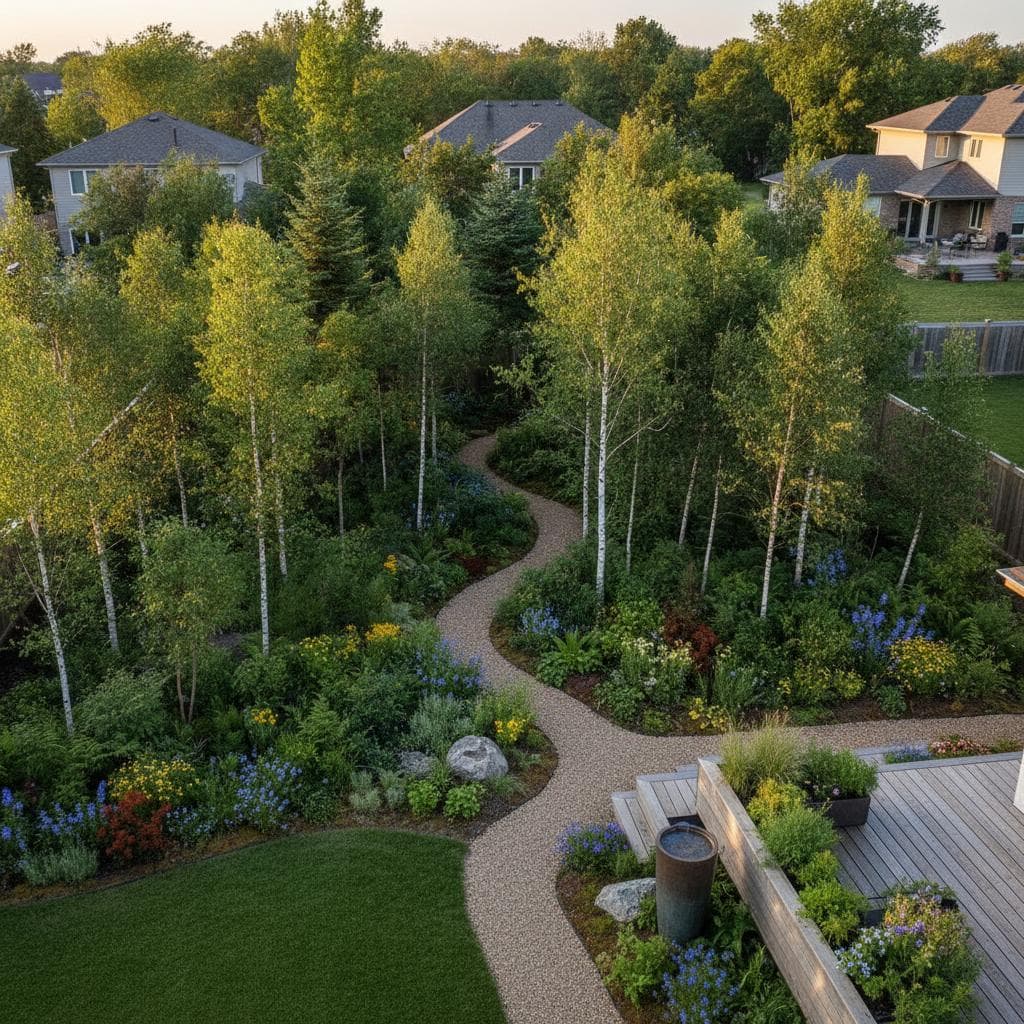
Suburban Yards Embrace Micro-Forests as the Next Big Landscaping Trend
Suburban homeowners are transforming their lawns into thriving micro-forests that mimic natural ecosystems on a compact scale. This trend, often built around the Miyawaki method, is reshaping how people think about landscaping, biodiversity, and backyard design. By creating dense, layered plantings that grow quickly and support native wildlife, suburban yards are becoming miniature forests that offer beauty, privacy, and environmental benefits.
Micro-forests bring the lush character of natural woodlands into the residential landscape. They require careful planning and patience, but the rewards include cleaner air, improved soil health, and a more resilient outdoor space that changes beautifully over time.
The Cost of Creating a Micro-Forest
National Average Cost
Starting a micro-forest is generally more affordable than installing a traditional ornamental garden of the same size. On average, homeowners invest a moderate budget to cover soil preparation, native plant stock, and mulch. Costs can rise for those choosing mature trees or professional design services, but many projects can be completed incrementally to spread expenses.
Cost by Project Size and Type
Small backyard micro-forests of around a few hundred square feet are typically inexpensive and manageable for DIY gardeners. Larger installations that include trees, shrubs, and understory plantings can range higher depending on plant density and irrigation needs. Adding paths, seating, or educational signage increases total cost but also enhances usability and aesthetic value.
Key Cost Factors
- Plant selection: Native species are often cheaper and hardier than exotic varieties.
- Soil improvement: Compost, mulch, and topsoil amendments influence growth success.
- Labor: DIY planting saves money but requires time and physical effort.
- Maintenance: Early watering, weeding, and mulching determine long-term health.
- Professional design: Hiring an ecologist or landscape designer adds expertise and polish.
Types of Micro-Forests
Native Woodland Micro-Forests
These use regionally adapted trees and shrubs to recreate local forest conditions.
Pros:
- Strong resilience to local climate and pests
- Supports native pollinators and birds
Cons:
- Limited plant variety in some regions
- May look less ornamental in early stages
Edible Micro-Forests
Combines fruit trees, berry bushes, herbs, and ground covers for a productive landscape.
Pros:
- Provides homegrown food
- Encourages pollination and soil enrichment
Cons:
- Requires pruning and harvesting
- Needs more irrigation during establishment
Ornamental Micro-Forests
Blends native and non-native decorative species for visual impact.
Pros:
- High aesthetic value
- Flexible plant choices
Cons:
- May need extra care or pest management
- Less ecological authenticity
DIY vs. Hiring a Professional
DIY micro-forests appeal to hands-on homeowners who enjoy gardening. With research and patience, it is possible to create a thriving grove on a small budget. The challenge lies in proper plant spacing, species selection, and soil preparation. Mistakes in these areas can slow growth or cause plant loss.
Hiring a professional brings design precision and ecological balance. Experts can assess soil quality, recommend species that work together, and plan for long-term sustainability. Homeowners short on time or unsure about plant selection often find this investment worthwhile.
How to Create a Micro-Forest
- Plan the layout. Choose a sunny or partially shaded area and determine the forest footprint.
- Prepare the soil. Remove turf, loosen the soil, and mix in compost or organic matter.
- Select native species. Include a mix of canopy trees, mid-sized shrubs, and ground covers.
- Plant densely. Arrange plants close together to encourage vertical growth and natural competition.
- Mulch and water. Apply thick mulch to retain moisture and water regularly in the first few months.
Tips for Long-Term Success
- Start small and expand as plants mature.
- Avoid chemical fertilizers that disrupt soil life.
- Use drip irrigation or rainwater collection.
- Prune only to remove dead or diseased growth.
- Observe seasonal changes to guide future planting decisions.
Frequently Asked Questions
What is the Miyawaki method?
The Miyawaki method is a planting technique that creates dense, fast-growing forests by using native species in close proximity. It accelerates natural succession and builds mature ecosystems quickly.
How long does it take for a micro-forest to mature?
A micro-forest reaches functional maturity in three to five years. Dense canopy cover often appears within two to three years with consistent early care.
Do micro-forests attract wildlife?
Yes. These plantings draw birds, pollinators, and small mammals by supplying food, shelter, and nesting sites throughout the seasons.
Can I create a micro-forest in a small yard?
Yes. Even a 100-square-foot corner supports a functional micro-forest when species are chosen for vertical layering and local adaptation.
How do I maintain a micro-forest?
Maintenance drops sharply after the first two years. Occasional weeding, mulch replenishment, and removal of dead wood keep the system healthy with minimal intervention.
Bringing a Micro-Forest to Your Property
Homeowners who follow these steps gain a self-sustaining landscape that improves with age. The result is a private outdoor space that supports local ecology while adding lasting visual interest and resilience.