
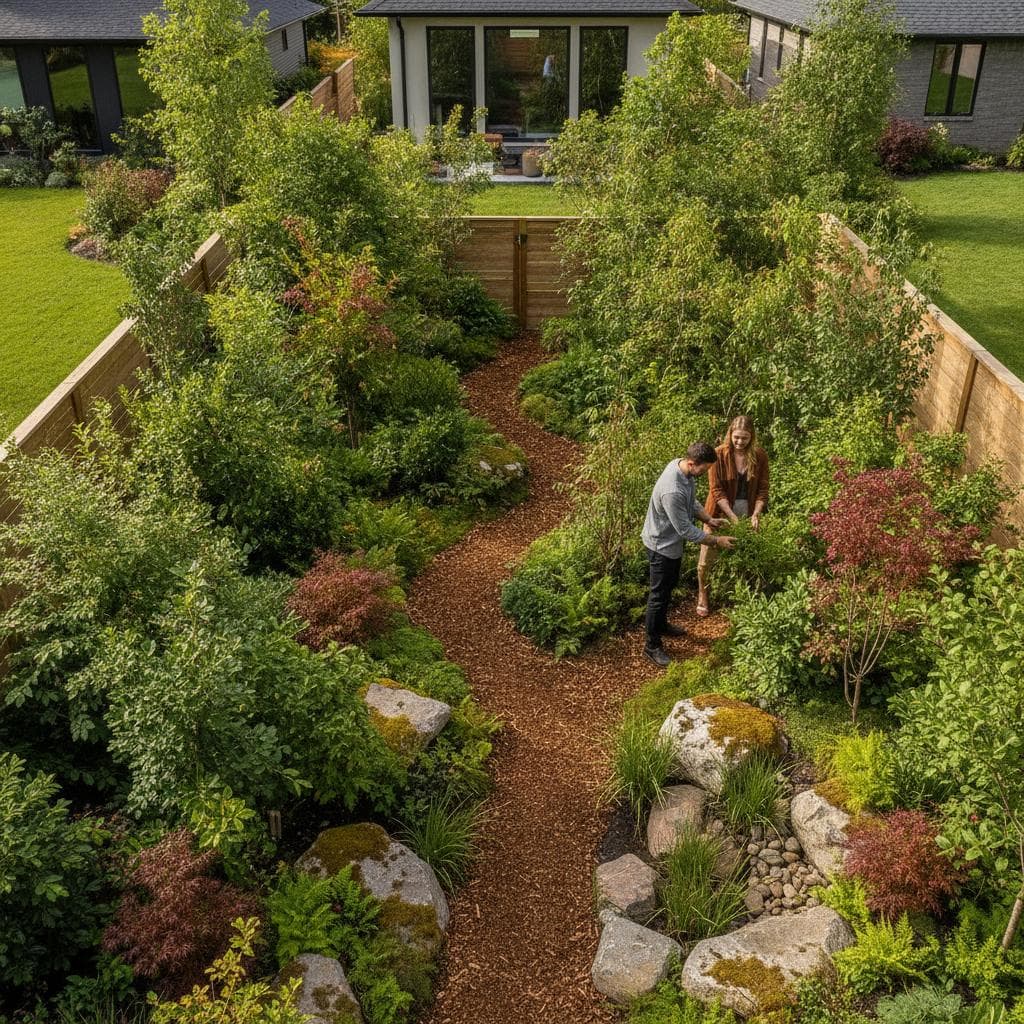
Tiny Suburban Yards Becoming Micro-Forests in 2026
A growing number of suburban homeowners are transforming their compact yards into thriving micro-forests. This movement, inspired by the Miyawaki method, shows how even the smallest plots can become lush ecosystems. Creating a micro-forest brings biodiversity, cooling shade, and a renewed connection to nature right into the neighborhood.
This guide explains what a micro-forest is, how much it costs, how to build one, and why it may be the future of suburban landscaping. Whether your goal is to create a wildlife haven or simply replace lawn maintenance with something more meaningful, a micro-forest could be your next great backyard project.
Micro-Forest Cost
National Average Cost
For most suburban properties, establishing a micro-forest costs between a few hundred and several thousand dollars, depending on scale and plant selection. A small urban yard can be transformed for less than the cost of a patio installation, while larger suburban plots may require a more significant investment.
This cost typically includes soil improvement, native saplings, mulch, and basic irrigation setup. When managed carefully, homeowners can minimize expenses by sourcing local seedlings and using compost from their own yard waste.
Cost by Project Size or Type
- Small Micro-Forest (under 300 square feet): Often costs less than a typical outdoor kitchen upgrade. Ideal for small suburban backyards or side lots.
- Medium Micro-Forest (300 to 800 square feet): Requires more trees and soil preparation but creates a noticeable habitat.
- Large Micro-Forest (over 800 square feet): Works well for corner lots or shared community spaces and may include walking paths or seating areas.
Key Cost Factors
- Plant Selection: Native species are affordable and low-maintenance, while ornamental trees may increase costs.
- Soil Preparation: Amending compacted soil for root health adds labor and material expense.
- Irrigation: Some homeowners install drip systems for early growth support.
- Labor: Hiring professionals for planting and design raises costs but ensures faster establishment.
- Maintenance Tools: Mulch, pruning tools, and composting supplies are ongoing investments.
Types of Micro-Forests
Native Habitat Forests
These focus entirely on regional species that naturally thrive in local soil and climate conditions.
Pros:
- High survival rate for plants.
- Attracts pollinators, birds, and beneficial insects.
- Minimal long-term maintenance.
Cons:
- Limited visual variety compared to ornamental species.
- Seasonal changes may appear less manicured.
Pollinator and Edible Forests
These incorporate flowering shrubs and fruit-bearing trees to support both wildlife and human use.
Pros:
- Provides food sources for bees and butterflies.
- Yields small harvests of berries, nuts, or herbs.
- Adds color and fragrance to the landscape.
Cons:
- Requires more pruning and harvesting.
- Certain plants may attract unwanted pests if not managed.
Ornamental Micro-Forests
Designed for aesthetics and outdoor living, these use layered planting for lush privacy screens.
Pros:
- Visually striking with varied colors and textures.
- Creates a natural sound barrier and shade.
Cons:
- Often includes non-native species that need more care.
- May not offer the same ecological benefits as native forests.
DIY vs. Hiring a Professional
DIY micro-forests are absolutely achievable for homeowners with patience and planning. The Miyawaki method relies on dense planting, which means most of the work happens in a short window of time. You will need to prepare the soil deeply, plant multiple layers, and water regularly during the first growing seasons.
Hiring a professional landscaper or ecological designer brings expertise in soil analysis, plant sourcing, and layout optimization. Professionals can also handle larger-scale projects that require machinery or irrigation installation.
For small suburban yards, a DIY approach is often the most rewarding. For bigger spaces or challenging soil conditions, consulting a pro ensures long-term success.
How to Create a Micro-Forest
-
Assess Your Yard
Measure available space, sunlight exposure, and water drainage. Note any existing trees or structures that may affect growth. -
Plan and Design
Choose a mix of canopy trees, understory trees, shrubs, and groundcovers. Aim for diversity, with at least 20 to 30 different species if space allows. -
Prepare the Soil
Loosen compacted soil at least a foot deep. Add compost or organic matter to improve structure and nutrient content. -
Plant Densely
Arrange saplings close together, roughly three to four per square meter. This density encourages upward growth and natural competition. -
Mulch and Water
Apply a thick layer of mulch to retain moisture and suppress weeds. Water regularly for the first two growing seasons to help roots establish. -
Monitor and Maintain
Remove invasive weeds early, prune lightly, and observe the canopy as it fills in. Over time, nature takes over and maintenance drops dramatically.
Tips for Micro-Forest Success
- Select True Native Species: They adapt better to local conditions and need less fertilizer or watering.
- Use Mulch Generously: It keeps soil cool and moist while suppressing weeds.
- Encourage Natural Regeneration: Allow leaf litter to decompose, feeding the soil naturally.
- Avoid Chemical Treatments: Pesticides and herbicides can disrupt developing ecosystems.
- Be Patient: Dense, thriving growth can take several years, but early signs of life appear quickly.
Frequently Asked Questions
What is the Miyawaki method?
The Miyawaki method is a planting technique that creates fast-growing, dense forests using native species. By planting multiple layers of vegetation close together, it replicates the natural diversity and resilience of a mature forest.
How long does it take for a micro-forest to mature?
Most micro-forests become self-sustaining within a few years. Trees grow faster due to close spacing, and once the canopy closes, maintenance needs drop significantly.
Can I plant a micro-forest in a small suburban yard?
Yes. Even a space as small as a parking spot can host a thriving micro-forest. Proper plant selection and dense planting are key to success.
Do micro-forests require irrigation?
Only during the first few growing seasons. Once roots establish and the canopy forms, the system becomes self-sufficient through natural rainfall and leaf litter.
Will a micro-forest increase property value?
A well-designed micro-forest enhances curb appeal and energy efficiency by providing shade and privacy. Many buyers appreciate the ecological and aesthetic value it brings.