
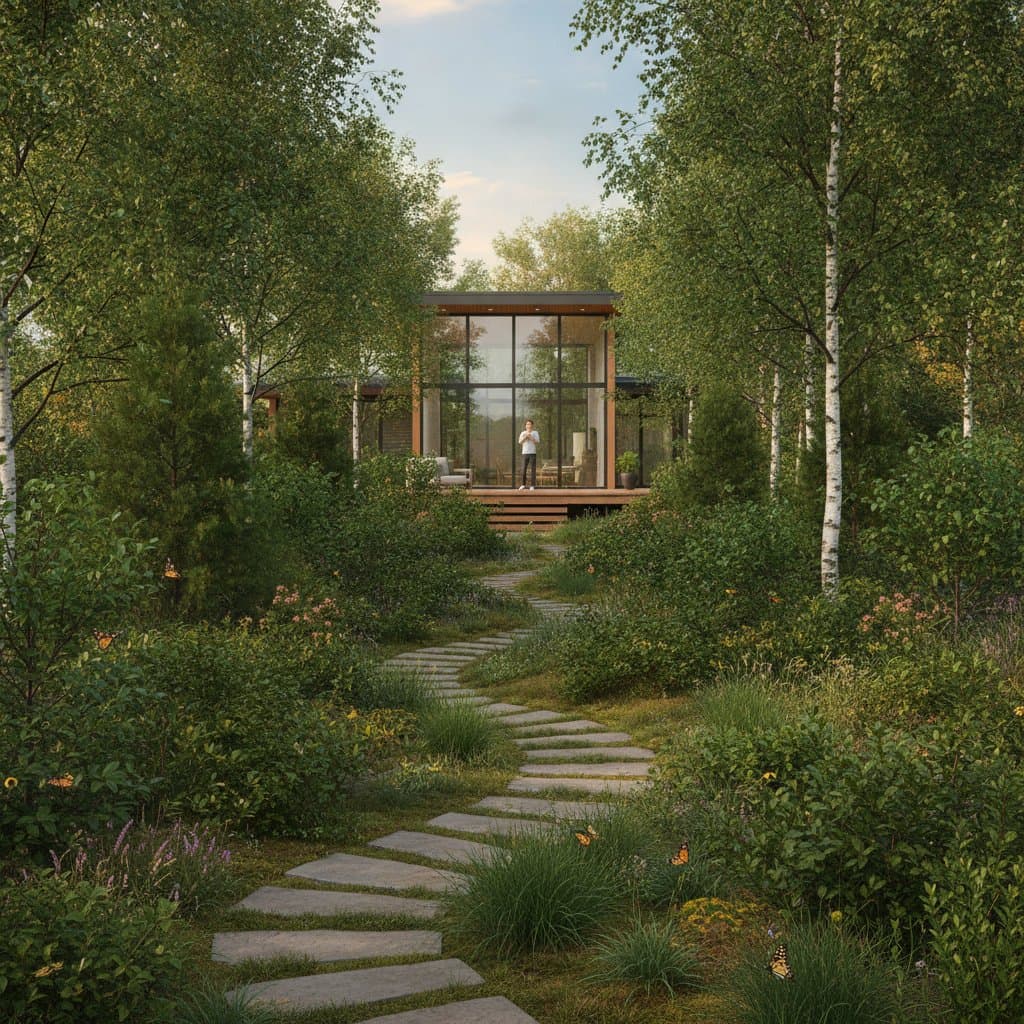
Why Micro-Forests Suit Suburban Yards Better
A growing number of homeowners are rethinking what a yard should look like. Instead of endless lawns that demand constant mowing and watering, people are turning to micro-forests. These compact, high-density plantings of native trees, shrubs, and groundcovers can transform even a small suburban lot into a thriving ecosystem.
A micro-forest not only enhances property value but also creates a living, breathing landscape that supports biodiversity and resilience. This guide explains what micro-forests are, how they work, and why they are quickly becoming the future of suburban landscaping. It also covers how to create one using the Miyawaki Method.
What Is a Micro-Forest?
A micro-forest is a densely planted area of native vegetation designed to mimic the layers of a natural forest on a smaller scale. They usually include canopy trees, understory trees, shrubs, and groundcover plants all packed tightly together. The goal is to replicate the diversity and self-sustaining nature of a wild forest but in a much smaller footprint, often as little as a few hundred square feet.
By planting species that evolved locally, homeowners can restore soil health, attract pollinators, and reduce maintenance over time. Once established, a micro-forest can manage itself with minimal watering or weeding.
Benefits of Micro-Forests in Suburban Landscapes
Environmental Benefits
- Improved air quality through dense plantings that filter pollutants and produce oxygen.
- Stormwater absorption via deep roots and organic soil structure that reduce flooding.
- Carbon storage as trees and shrubs sequester emissions from daily suburban life.
- Habitat creation that attracts bees, butterflies, and birds to restore ecological connections.
Homeowner Benefits
- Lower maintenance once established, with far less mowing, watering, and fertilizing required.
- Natural privacy from dense growth that screens neighboring properties.
- Cooling effect from tree shade that lowers temperatures around the home.
- Visual appeal through layered native plants offering seasonal color and texture.
The Miyawaki Method Explained
The Miyawaki Method, developed by Japanese botanist Akira Miyawaki, is a proven way to establish micro-forests that grow quickly and sustain themselves. It relies on planting native species close together to encourage competition and rapid vertical growth. This approach can create a mature, self-sustaining forest in a fraction of the time it would take through traditional planting.
Core Principles of the Miyawaki Method
- Use only native species suited to your region soil, rainfall, and climate.
- Plant densely so trees and shrubs grow upward rather than outward.
- Improve soil health by adding organic compost and mulch.
- Let nature take over after the first few years with minimal intervention.
Pros and Cons
Pros:
- Rapid growth and early establishment.
- Long-term self-sufficiency.
- High biodiversity and ecological value.
Cons:
- Requires intensive initial planting effort.
- May look unkempt during early growth stages.
- Limited space for lawns or formal gardens.
DIY vs. Hiring a Professional
Creating a micro-forest can be a rewarding DIY project, but it requires careful planning. Homeowners must research native species, prepare soil properly, and understand plant spacing. Mistakes in plant selection or layout can slow growth and reduce biodiversity.
Hiring a professional landscape designer or ecological restoration specialist can simplify the process. They can assess soil conditions, design layered plant groupings, and ensure the right mix of species. DIY is best for smaller plots where you can learn and adjust over time. For larger or more complex projects, a professional ensures a strong start and lasting success.
How to Create a Micro-Forest in Your Yard
- Assess the site by observing sunlight, drainage, and existing vegetation.
- Choose native species that include a mix of canopy trees, understory trees, shrubs, and groundcovers.
- Prepare the soil by loosening compacted areas and adding compost or leaf mulch.
- Plan the layout by grouping plants according to their light and moisture needs.
- Plant densely with trees and shrubs spaced within one to two feet of each other.
- Mulch and water deeply to help roots establish.
- Observe and adjust during the first two years by watering during dry spells and removing invasive weeds.
Tips for Long-Term Success
Choose species that grow well in your soil type and local conditions. Avoid chemical fertilizers or pesticides that harm soil microbes. Add fallen leaves or wood chips each season to maintain organic matter. Keep pathways or seating areas open for access and enjoyment. Be patient as the micro-forest matures and rewards you with lasting beauty and function.
Frequently Asked Questions
How big does a micro-forest need to be?
Even a small space, such as a corner of your yard or a 10-by-10-foot area, can support a thriving micro-forest if planted densely with the right species.
How long does it take for a micro-forest to grow?
With the Miyawaki Method, a micro-forest reaches maturity in 10 to 20 years, much faster than conventional plantings.
Do micro-forests attract wildlife?
Yes, the dense native vegetation draws birds, insects, and small mammals that support local ecosystems.
Can I mix ornamental plants with native species?
Focus primarily on natives for ecological benefits, though a few non-invasive ornamentals can add variety if they fit the site conditions.
Will a micro-forest increase my property value?
Studies show that well-designed natural landscapes often enhance curb appeal and market value by demonstrating environmental stewardship.
Planning Your Own Micro-Forest Project
Start small with a corner of your property and expand as you gain experience. The result is a resilient landscape that improves air, soil, and daily enjoyment while reducing long-term upkeep.