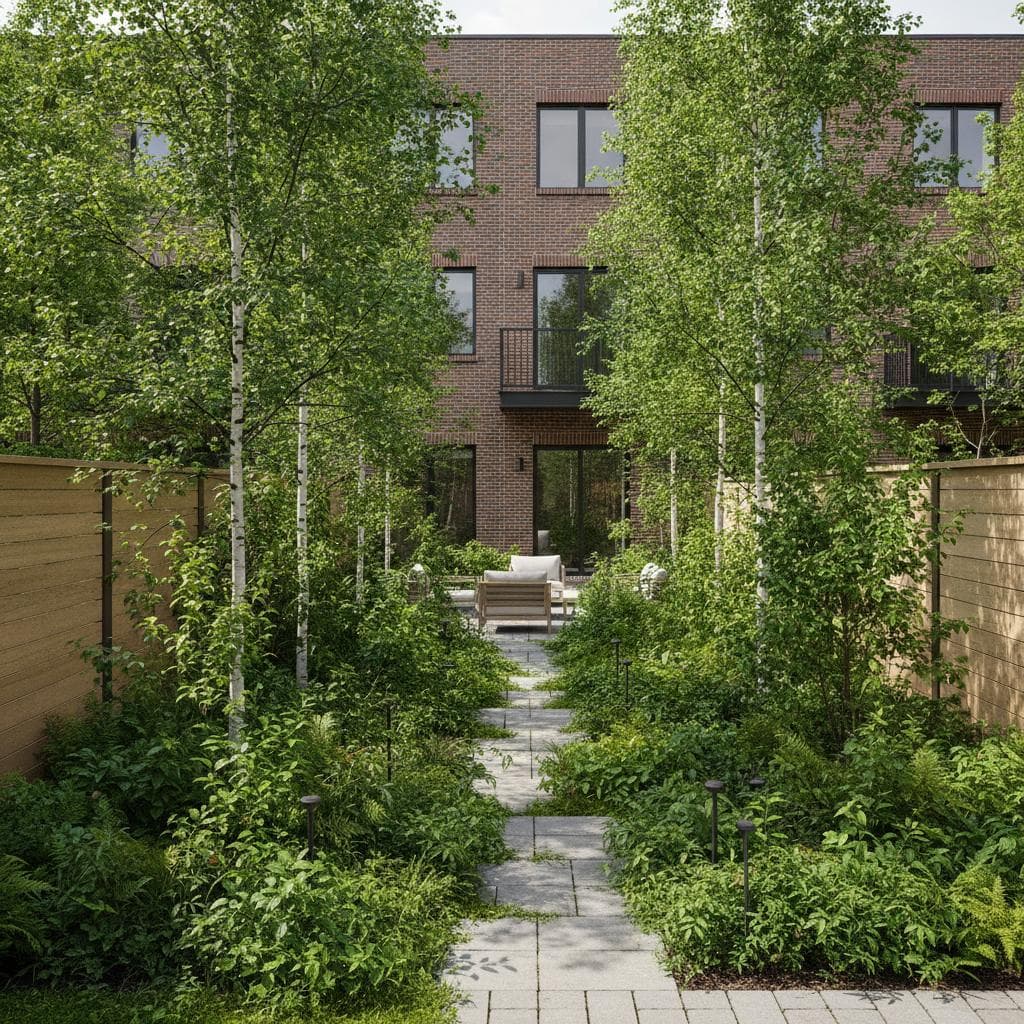
Micro-Forests Grow 10X Faster in Small Urban Yards
Micro-forests use dense native plantings to turn compact urban yards into fast-maturing ecosystems. The Miyawaki method improves biodiversity, cools air, and adds privacy with minimal ongoing care.
Loading...

Micro-forests use dense native plantings to turn compact urban yards into fast-maturing ecosystems. The Miyawaki method improves biodiversity, cools air, and adds privacy with minimal ongoing care.

Micro-forests reshape suburban landscaping in 2026 through dense arrangements of native trees that enhance biodiversity, improve soil quality, and lower ongoing maintenance expenses. Suitable for DIY efforts or professional installations, these compact ecosystems fit any yard size and deliver aesthetic appeal, seclusion, and environmental benefits. Learn how modest forest plantings yield substantial ecological advantages in residential settings.
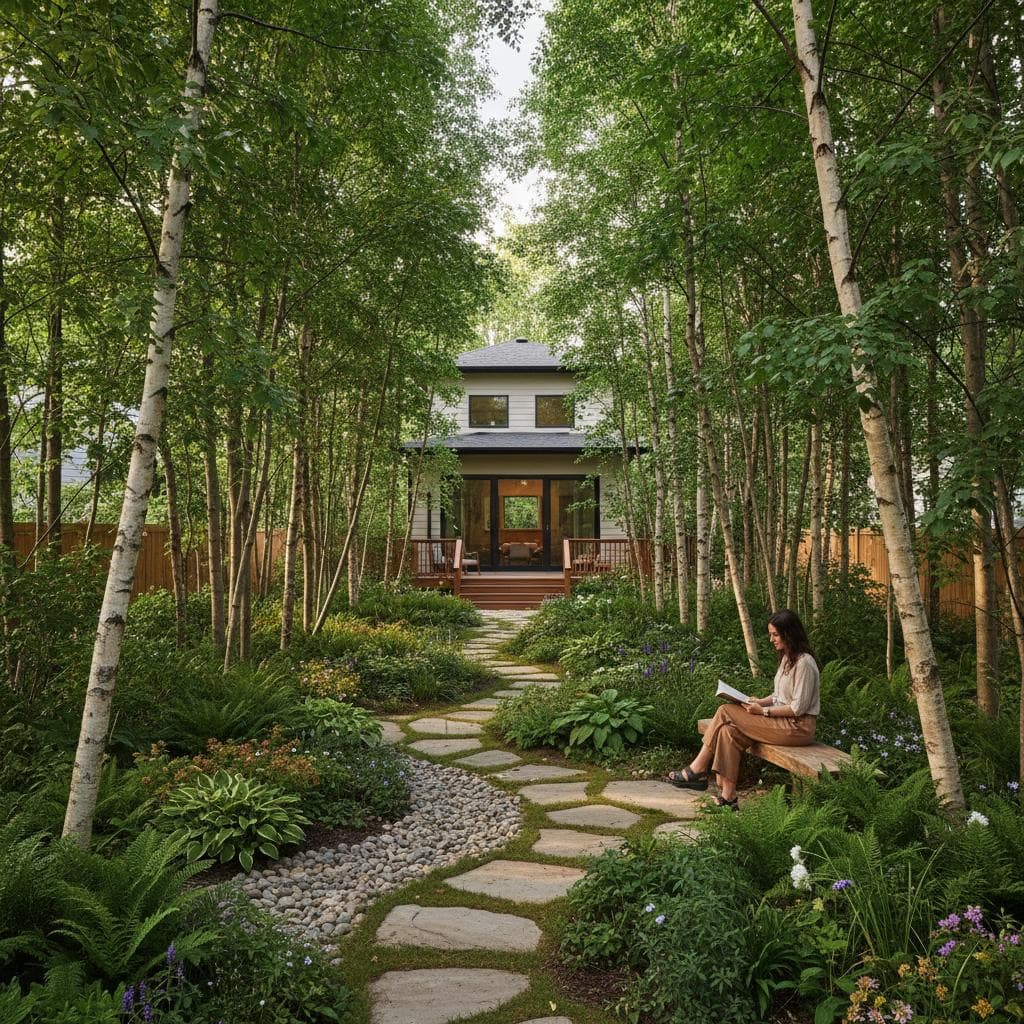
Suburban yards evolve into vibrant micro-forests through dense plantings of up to 200 native trees per acre. The Miyawaki method accelerates growth, increases biodiversity, cools local environments, manages stormwater, and delivers sustainable beauty and shade to homeowners in mere years.
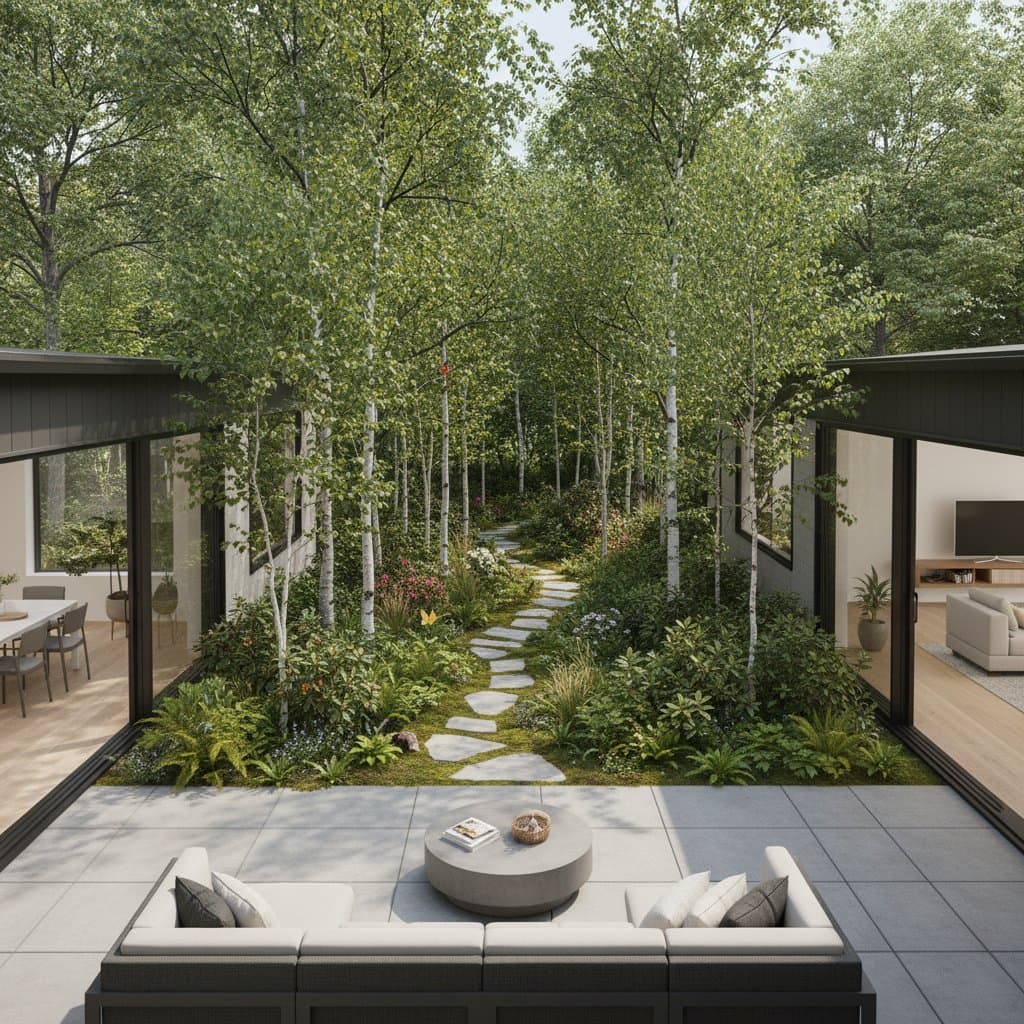
Homeowners shift from high-maintenance lawns to Miyawaki method micro-forests. These fast-growing native ecosystems promote biodiversity, reduce upkeep, and yield cooler yards with wildlife appeal. Discover advantages, costs, and implementation steps for sustainable yard upgrades.
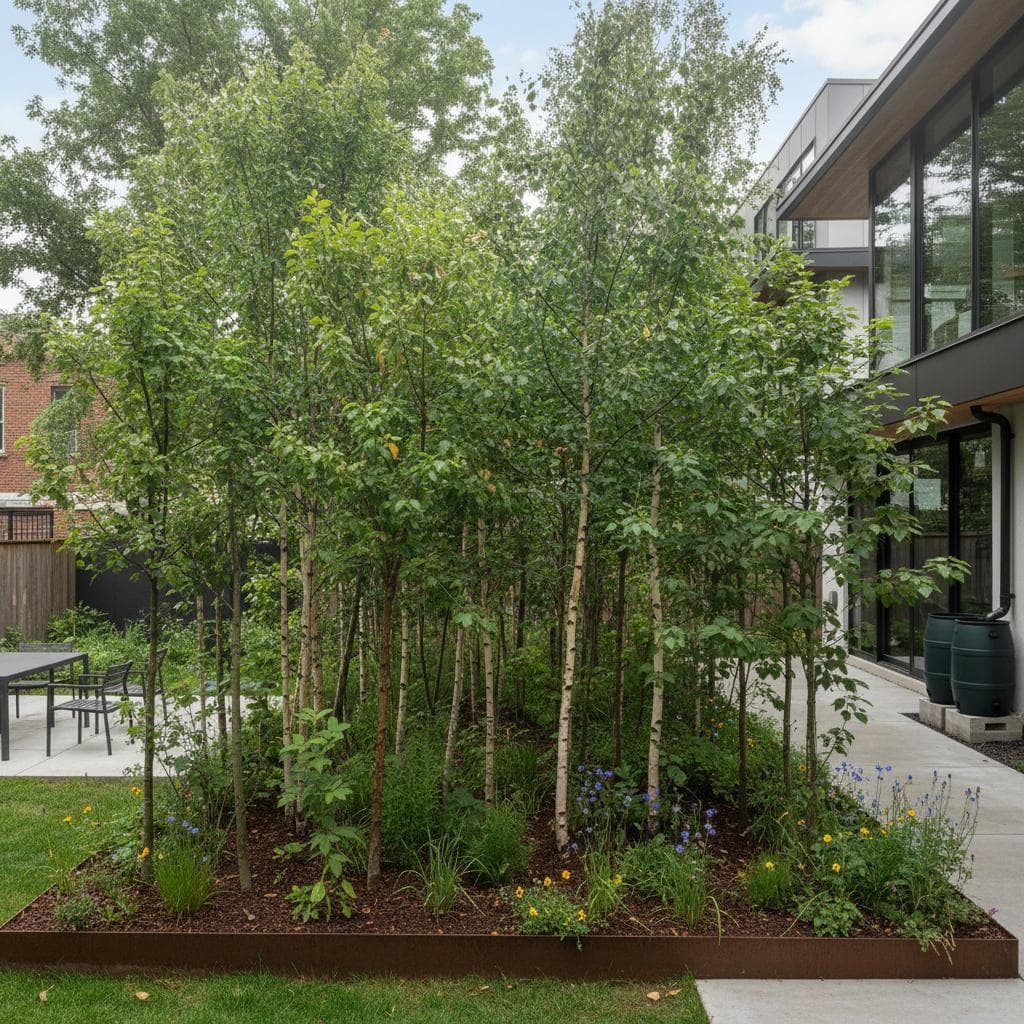
Urban dwellers convert compact yards into vibrant ecosystems via the Miyawaki method, fitting 200 native trees into 600 square feet. These self-sustaining micro-forests revive biodiversity, moderate temperatures, capture rainwater, and elevate well-being, showing that small spaces drive meaningful change.

Transform your backyard into a vibrant micro-forest in three years with the Miyawaki method. This comprehensive guide details planning, native species selection, soil preparation, dense planting techniques, and ongoing care to foster biodiversity, superior air quality, and a serene natural retreat.
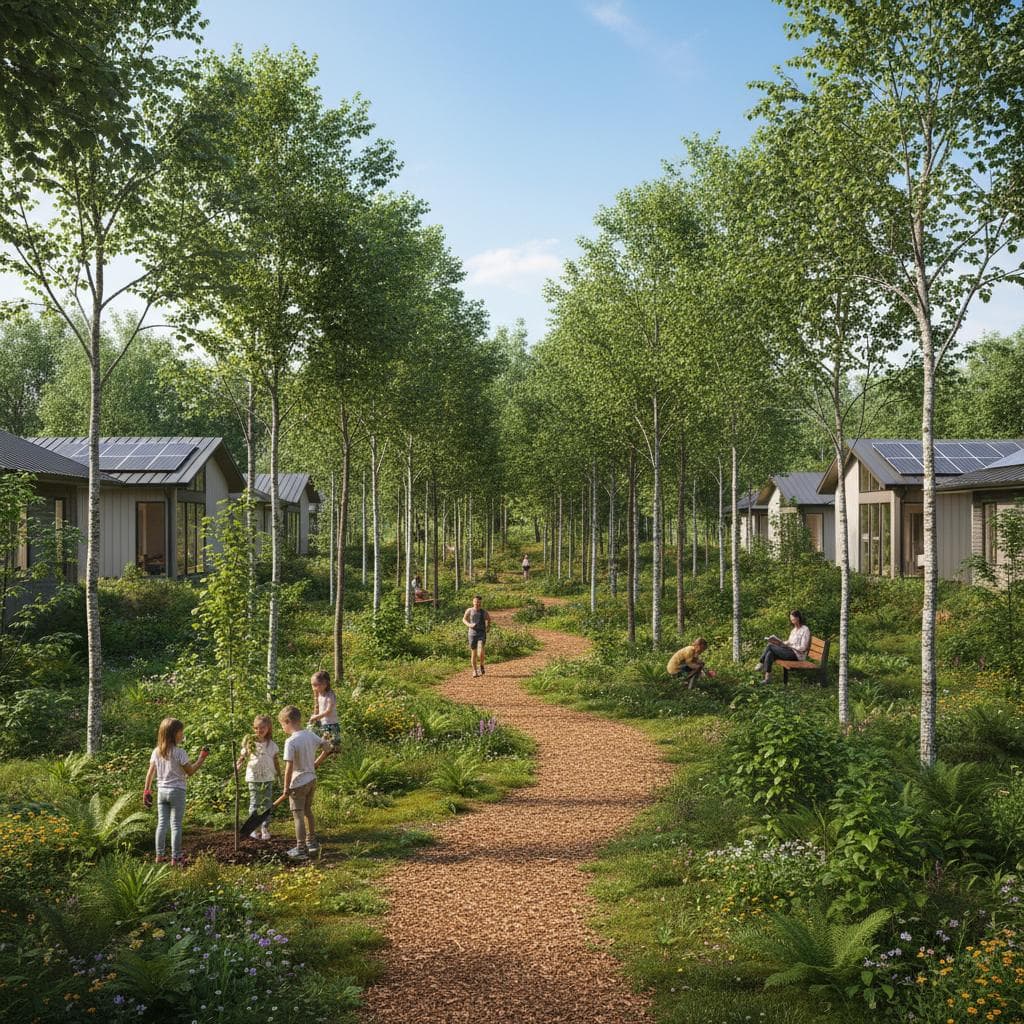
Suburban areas transform idle lots into dense micro-forests via the Miyawaki method, fitting 300 trees per acre. These ecosystems enhance biodiversity, air purity, and urban cooling.
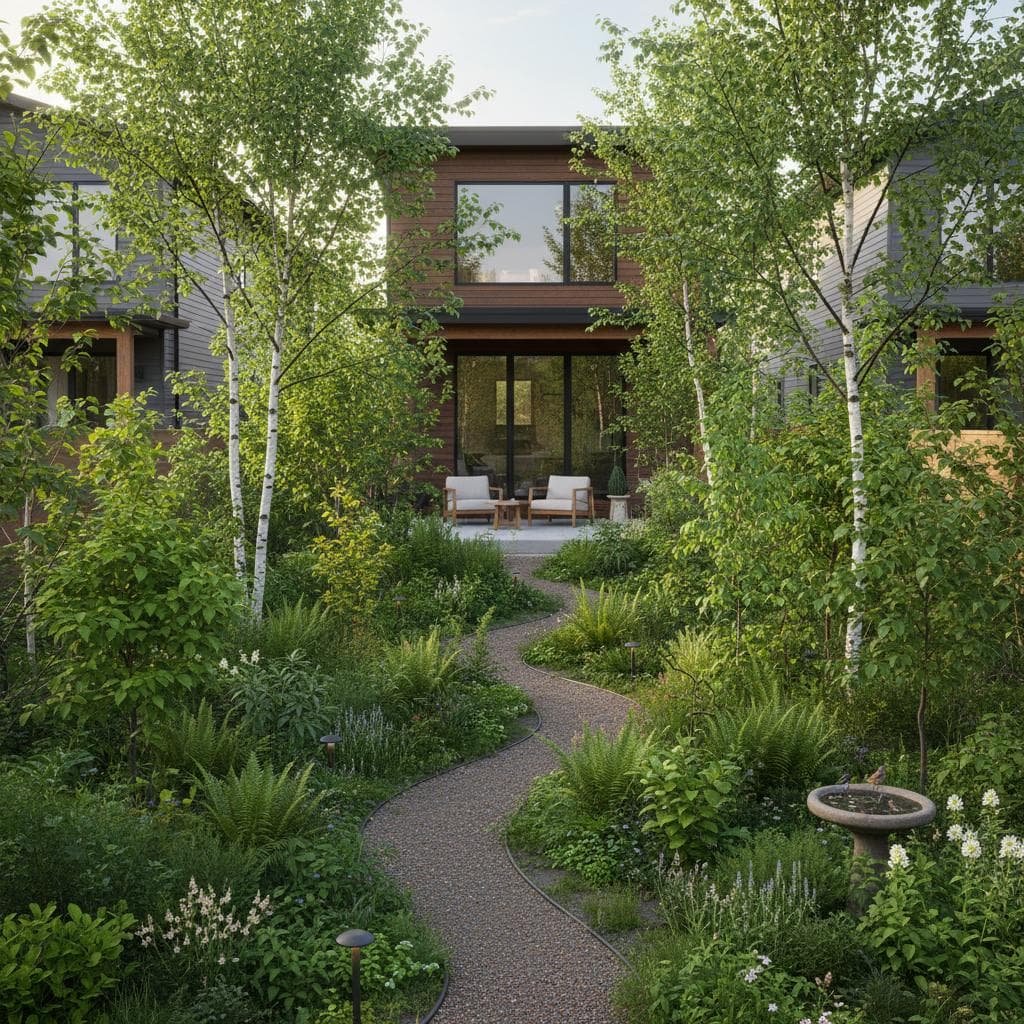
Transform a compact backyard into a vibrant ecosystem by 2026 with the Miyawaki micro-forest technique. This approach packs up to 200 native trees into garage-sized spaces, fostering rapid growth, supporting wildlife, and purifying air—all at an accessible cost for sustainable home greening.
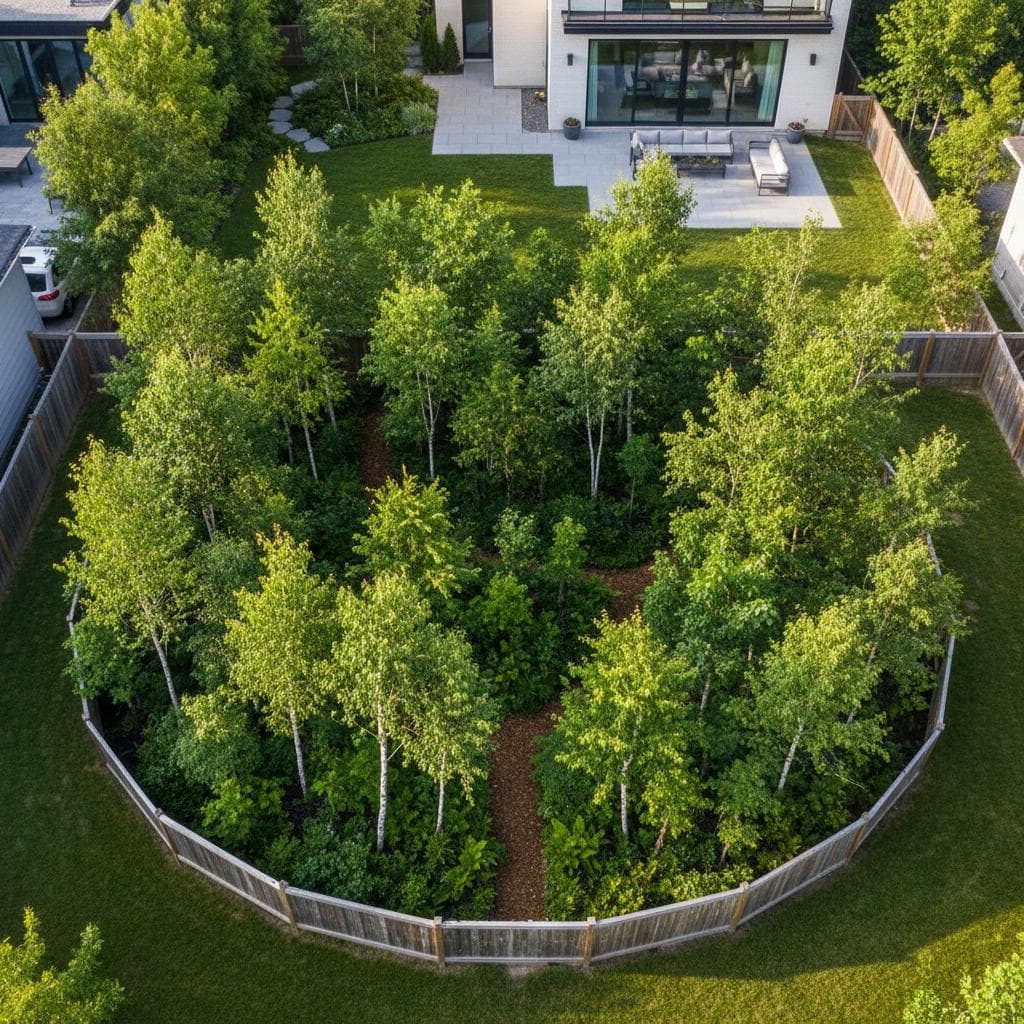
Convert a compact 600-square-foot yard into a vibrant micro forest using the Miyawaki method. This technique supports 200 native trees and shrubs, promoting rapid growth, ecological diversity, and a cooler local climate in urban settings.

Convert your yard into a self-sustaining micro-forest in three weekends by applying the Miyawaki method. This guide covers planning, dense planting of native layers, and initial care to promote rapid growth, biodiversity, and ecological benefits with affordable materials.
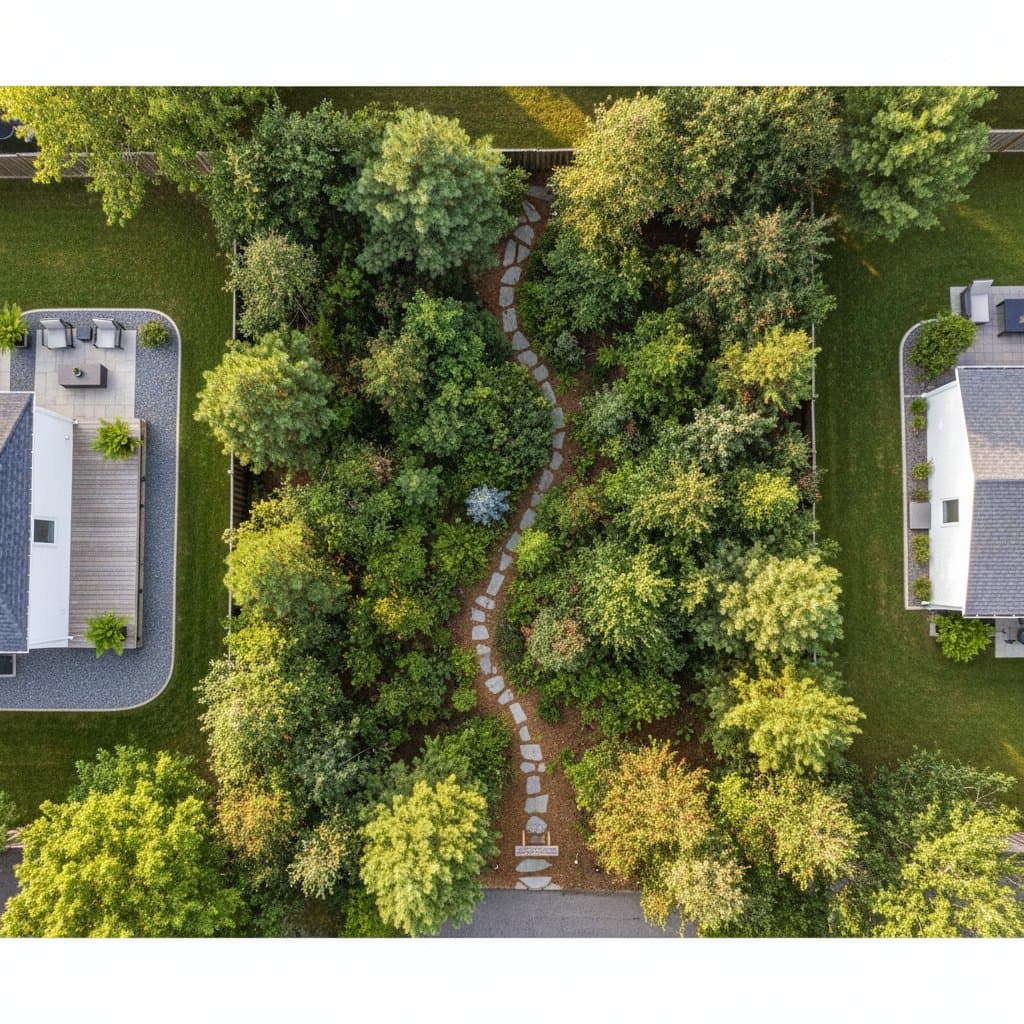
Suburban yards are transforming as homeowners replace lawns with Miyawaki micro-forests, dense, fast-growing ecosystems of native plants. These mini-forests boost biodiversity, improve soil health, and require little upkeep once established. Learn how this eco-friendly landscaping trend enhances property value, strengthens local habitats, and helps create greener, more resilient neighborhoods across the suburbs.