
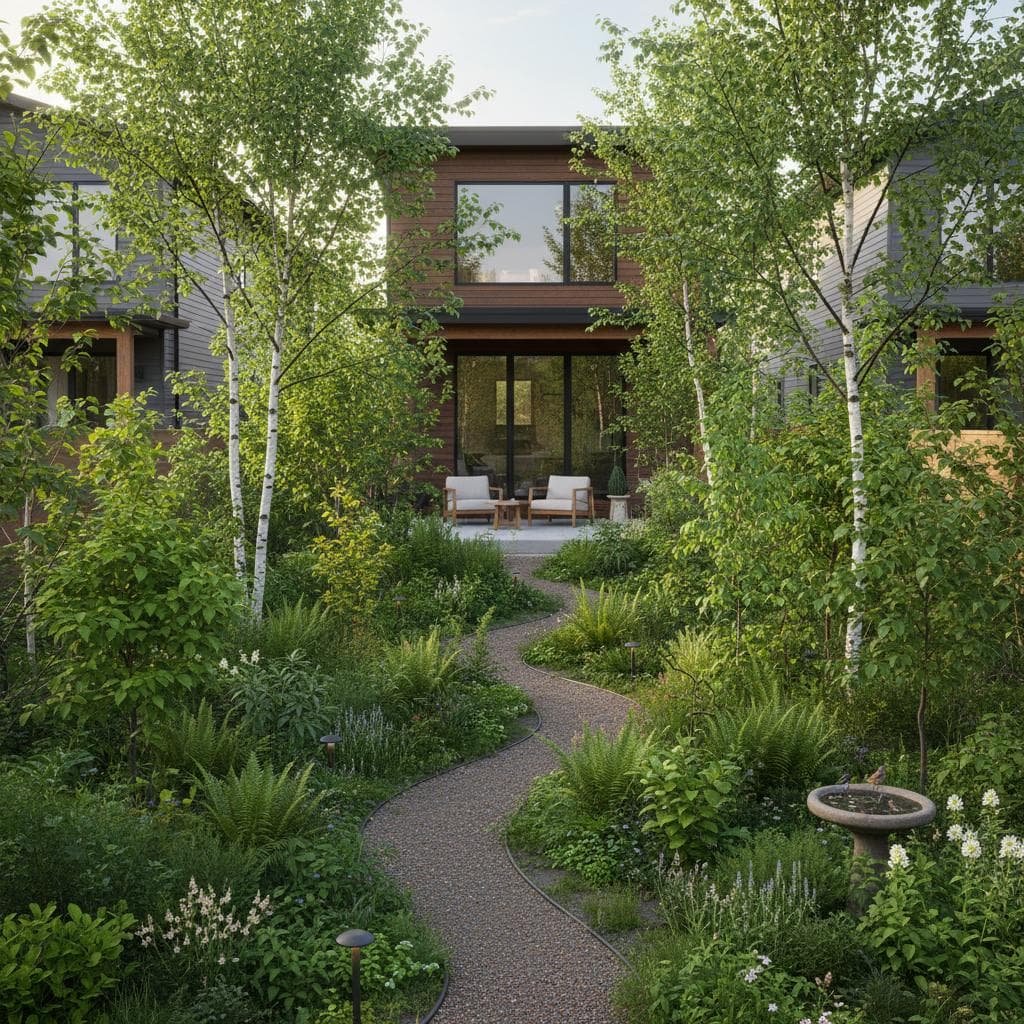
Why Micro-Forests Pack 200 Trees Into Backyards by 2026
Homeowners seeking meaningful environmental contributions now turn to micro-forests as a transformative solution. This dense planting strategy, rooted in the Miyawaki technique, enables up to 200 trees to flourish in a space equivalent to a two-car garage. The outcome delivers a self-sustaining habitat that accelerates growth, nurtures biodiversity, and elevates air quality. This article details the mechanics of micro-forests, their rising popularity in neighborhoods, and practical steps for implementation in your own yard.
Understanding Micro-Forests
A micro-forest represents a condensed, multilayered assembly of native trees and shrubs engineered to replicate a mature woodland. In contrast to standard landscaping that prioritizes visual appeal, this model emphasizes ecological vitality, including robust soil conditions and functional biodiversity. Japanese botanist Akira Miyawaki pioneered the underlying technique, which accelerates forest development through scientifically validated practices.
Success hinges on integrating diverse native species in tight clusters. Such proximity sparks competition for resources, spurring accelerated vertical growth, while species variety fortifies defenses against pests and illnesses.
Micro-Forest Expenses
Average Costs Nationwide
Establishing a backyard micro-forest varies from budget-friendly seedling-based DIY projects to comprehensive setups with expert involvement. Expenses fluctuate based on plant quantity, site preparation needs, and additions like watering systems or protective mulching.
Expenses by Scale
- Compact areas (less than 300 square feet): Perfect for intensive yard integrations, accommodating 100 to 200 trees and shrubs.
- Moderate areas (300 to 800 square feet): Appropriate for group or communal sites, supporting up to 500 specimens.
- Expansive areas (more than 800 square feet): Demand detailed strategies, potentially incorporating automated watering or specialized soil analysis.
Primary Expense Drivers
- Quantity and assortment of vegetation
- Soil enhancements and organic matter additions
- Mulching or surface coverings
- Planting and upkeep labor
- Supplementary features such as drip irrigation or boundary enclosures
Although upfront efforts demand resources, the system's minimal ongoing care yields enduring ecological returns.
Selecting Plants for Micro-Forests
Tall Native Canopy Species
These establish the forest's overhead framework, offering coverage and refuge. Regional choices might encompass oaks, maples, or conifers.
Advantages:
- Establish architectural height and cooling shadows
- Provide essential resources for indigenous fauna
Drawbacks:
- Demand extended time for full development
- Necessitate initial oversight to maintain equilibrium and prevent dominance
Mid-Level Trees and Shrubs
Options such as dogwoods, serviceberries, and hazelnuts occupy the intermediate tier.
Advantages:
- Enhance habitat variety
- Develop swiftly and anchor soil structure
Drawbacks:
- Require occasional trimming in early stages
- Engage in initial light competition
Basal Layer of Ground Covers and Herbaceous Plants
Incorporate native grasses, ferns, and compact perennials for the foundational level.
Advantages:
- Shield against soil loss
- Conserve water and inhibit weed proliferation
Drawbacks:
- Depend on regular hydration during rooting phase
Layering these elements fosters a interdependent system that stabilizes within several seasons.
DIY Approach Versus Professional Services
Homeowners with gardening enthusiasm often embrace micro-forest creation as a hands-on endeavor. Core hurdles include thorough soil tilling and precise species matching. While self-directed efforts cut costs, errors in density or selections may hinder progress or lead to congestion.
Engaging specialists delivers proficiency in regional ecology and terrain optimization. Increasing numbers of designers focus on Miyawaki principles, customizing inventories to site-specific climates. They verify proper drainage and proportion canopy, mid-layer, and base components accurately. Individuals uncertain about ground composition or compatibility benefit significantly from such counsel.
Steps to Build a Backyard Micro-Forest
-
Evaluate the Site
Determine the plot's dimensions and track daily patterns of light exposure, shadow coverage, and water runoff to identify optimal conditions. -
Condition the Ground
Aerate dense soil and incorporate rich compost to stimulate root expansion and beneficial microbial communities. -
Choose Appropriate Species
Research local native inventories, targeting at least 20 varieties across canopy, understory, and ground layers for balanced diversity. -
Procure Materials
Source seedlings from reputable nurseries, gather mulch, and prepare tools for dense placement—aim for three plants per square meter. -
Plant in Layers
Dig shallow pits, position taller species first, then fill with mid- and low-level plants, ensuring roots contact enriched soil without air pockets. -
Apply Initial Care
Water deeply post-planting, spread a 4-inch mulch blanket, and inspect weekly for establishment signs like new shoots.
Strategies for Sustained Vitality
Select exclusively native flora to align with local ecosystems. Steer clear of synthetic fertilizers that harm microbial balance. Vigilantly check emerging trees for infestations and eliminate non-native intruders promptly. Maintain consistent mulch coverage across seasons. Integrate accumulated foliage and organic waste to nourish the ground layer naturally.
Common Queries
What Growth Rate Can Expect from a Micro-Forest?
A micro-forest achieves full stature in under ten years, with overhead layering evident within three to five. Density-induced rivalry propels this swift advancement.
What Number of Species Is Ideal?
Target a minimum of 20 indigenous types. Such variety bolsters durability and attracts diverse avian and insect populations.
Does Irrigation Remain Necessary?
Irrigation supports only the initial rooting period. Established roots access subterranean moisture, aided by organic litter and upper shading.
Is a Micro-Forest Feasible in Limited Space?
Certainly. A 100-square-foot zone sustains over 50 specimens when selecting compact natives.
Does It Invite Local Animals?
Yes. Indigenous setups magnetize birds, pollinators, and helpful invertebrates, cultivating equilibrium.
Realize Backyard Renewal
Implementing a micro-forest reclaims urban spaces for nature, yielding cleaner air, richer soils, and wildlife havens. This investment not only beautifies properties but also contributes to broader climate resilience. Begin assessing your yard today to join the movement toward resilient, green living.