
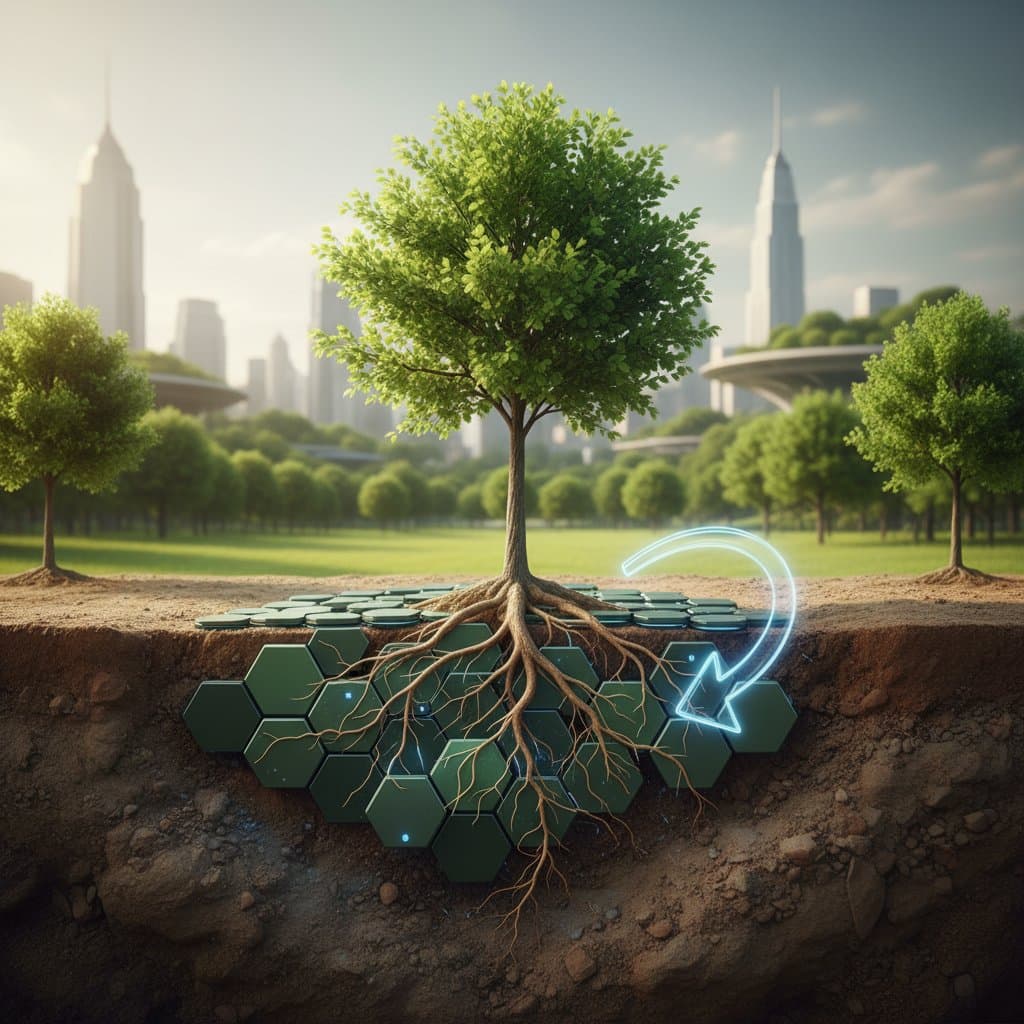
The Soil Battery Technology Doubling Tree Survival Rates in 2026
Healthy soil forms the bedrock of thriving forests and landscapes. In numerous areas, however, young trees face high mortality from suboptimal soil quality, erratic moisture, and nutrient depletion. Soil battery technology addresses these challenges by capturing and storing energy from the soil itself. This approach enables trees to develop robust roots, secure reliable hydration, and achieve survival rates twice as high as traditional methods.
This guide details the mechanics of soil battery technology, associated costs, available types, and practical applications for enhancing tree planting outcomes. Property managers overseeing reforestation efforts or homeowners aiming to bolster backyard greenery will find actionable insights to inform their strategies.
Soil Battery Technology Costs
National Average Costs
Expenses for soil battery systems fluctuate based on project size and features. Residential units for 1 to 5 trees typically cost between $300 and $800, including basic sensors and installation. Large-scale installations for farms or urban parks range from $2,000 to $10,000 or more, factoring in expanded sensor networks and labor. Although initial outlays are notable, these systems cut ongoing irrigation and upkeep expenses by up to 50 percent over five years.
Costs by Project Type
- Single Tree or Small Garden Units: Compact designs for individual properties feature a single energy cell and automated moisture controller, priced at $300 to $500.
- Commercial or Agricultural Deployments: Extensive arrays support orchards or reforestation sites, with costs of $1,500 to $5,000, incorporating remote monitoring for optimized resource use.
- Urban Tree Systems: Grid-based setups under paved areas sustain municipal plantings, ranging from $3,000 to $8,000, to counter compaction and urban heat.
Project-specific demands, such as site preparation and integration with existing infrastructure, drive these variations.
Key Cost Factors
- Battery Cell Materials: Electrodes crafted from carbon nanotubes or metal oxides enhance durability and output, adding 20 to 30 percent to material expenses.
- Soil Composition: Soils rich in organic content boost natural conductivity, potentially reducing sensor needs by 15 percent.
- Moisture Levels: Regions with stable hydration demand fewer supplemental components, trimming costs by 10 to 20 percent.
- Labor and Installation: Expert labor for precise burial and calibration accounts for 40 percent of total expenses in complex setups.
- Monitoring Equipment: Integrated loggers for real-time data increase upfront costs by $100 to $300 but enable predictive adjustments.
- Scale of Application: Expanding coverage multiplies unit requirements, with economies of scale emerging beyond 10 trees.
Types of Soil Battery Systems
Soil battery systems come in several configurations, each tailored to specific environments and financial constraints.
Passive Soil Batteries
These units draw electrochemical energy from soil bacteria and minerals without added power. They suit minimal-intervention scenarios, such as remote plantings.
Pros:
- Straightforward installation requiring minimal tools
- Zero reliance on grid electricity
- Fully biodegradable components
Cons:
- Modest power generation limits advanced features
- Basic monitoring capabilities only
Active Soil Batteries
Active variants incorporate catalysts to amplify soil-based energy. They power sophisticated sensors for dynamic soil management.
Pros:
- Elevated energy production for demanding sites
- Compatibility with automated irrigation triggers
- Scalable for enterprise-level precision agriculture
Cons:
- Higher initial investment, often 50 percent more than passive options
- Needs biannual recalibration to sustain peak efficiency
Hybrid Soil Batteries
Hybrids merge microbial generation with subtle external boosts for versatile performance across soil types.
Pros:
- Consistent energy in variable conditions, from clay to loam
- Balanced efficiency with low ongoing energy use
- Adaptable for residential to mid-sized commercial use
Cons:
- Installation requires familiarity with basic electronics
- Electrode swaps every 3 to 5 years to prevent degradation
DIY Installation Versus Professional Services
Skilled individuals can manage soil battery setups, though scale influences feasibility.
DIY Approach:
For passive units serving a handful of trees, basic gardening implements suffice. Conduct prior soil tests to optimize placement, as improper electrode alignment can halve effectiveness. This method cuts costs by 30 to 50 percent but risks suboptimal performance without expertise.
Professional Installation:
Specialists deploy advanced tools for thorough site evaluation and seamless system integration. They handle connections to existing water lines and establish maintenance protocols. In commercial contexts, professionals also configure analytics dashboards for ongoing oversight.
Recommendation:
Opt for DIY in small-scale garden trials to build familiarity. Engage experts for multi-tree arrays, automated features, or data-driven monitoring to guarantee longevity and peak results.
Installing a Soil Battery System
Follow these steps to deploy a soil battery system effectively.
- Test the Soil: Measure pH levels (ideal 6.0 to 7.5), organic content, and baseline moisture using affordable kits. This identifies electrode compatibility and potential amendments.
- Plan the Layout: Map tree positions and allocate battery cells within 2 to 3 feet of root zones. Space units 4 to 6 feet apart for uniform coverage.
- Prepare the Site: Clear vegetation and excavate 12 to 18 inches deep for trees and batteries. Level the base to promote even energy distribution.
- Install Electrodes: Position the anode and cathode per specifications, spacing them 6 to 12 inches apart. Route connections clear of future root expansion.
- Connect Monitoring Devices: Link sensors for metrics like voltage and humidity if the system includes them. Calibrate to local conditions for accurate readings.
- Backfill and Water: Replace soil in layers, tamp lightly, and irrigate deeply to initiate microbial activity and current flow within 24 hours.
- Check Functionality: Test with a multimeter or companion app to confirm output above 0.5 volts. Reposition components as needed for stronger signals.
Proper execution activates the system swiftly, accelerating tree establishment and hydration stability.
Strategies for Sustained Performance
- Preserve Moisture Equilibrium: Conduct weekly checks to maintain 20 to 30 percent soil moisture, essential for electrical conductivity.
- Track Output Routinely: Monthly voltage assessments detect corrosion or blockages early, preventing downtime.
- Apply Organic Mulch: A 2- to 3-inch layer conserves water and nourishes energy-producing microbes.
- Steer Clear of Synthetic Fertilizers: Opt for compost to protect the microbial ecosystem driving the batteries.
- Schedule Electrode Maintenance: Inspect annually and replace every 3 to 5 years based on usage and soil aggressiveness.
Frequently Asked Questions
How does soil battery technology extend tree lifespan?
It delivers consistent energy to facilitate root-level water and nutrient absorption. This minimizes establishment stress, fostering vigorous development and elevated survival.
Do soil batteries generate enough power for irrigation?
Advanced configurations store adequate energy to activate solenoid valves or sensors. Linking units in series amplifies capacity for broader irrigation needs.
Are soil batteries environmentally benign?
Yes, they leverage natural processes with non-toxic, decomposable parts. No emissions or chemical additives disrupt ecosystems.
Can soil batteries function in arid or sandy soils?
Performance holds in such conditions with amendments like compost to elevate conductivity. Supplemental initial watering aids startup.
What is the typical lifespan of soil batteries?
Systems endure 5 to 10 years with routine care. Electrode quality and environmental factors dictate replacement intervals.
Is special equipment needed for homeowner installations?
Passive models require only standard tools like shovels and testers. Complex hybrids warrant professional assistance for wiring and tuning.
Implementing Soil Batteries for Resilient Landscapes
Soil battery technology advances sustainable planting by fostering self-regulating ecosystems. It equips individuals and organizations to safeguard saplings during vulnerable phases, promoting enduring vitality. Integrate this solution through collaboration with soil specialists to customize deployments. The result: landscapes that endure, conserve resources, and thrive over generations.