
Hemlock Woolly Adelgid Reaches Midwest: Safeguard Trees Before 2026
Hemlock trees in the Midwest face a growing danger from the hemlock woolly adelgid, a minuscule insect capable of widespread destruction. This pest has already eliminated millions of hemlocks in eastern states, altering ecosystems and landscapes. Homeowners and land managers must recognize the urgency: swift identification and intervention can preserve these vital trees. This article details the insect's biology, detection methods, treatment strategies, and proactive measures to defend hemlocks ahead of further expansion by 2026.
Understanding the Hemlock Woolly Adelgid
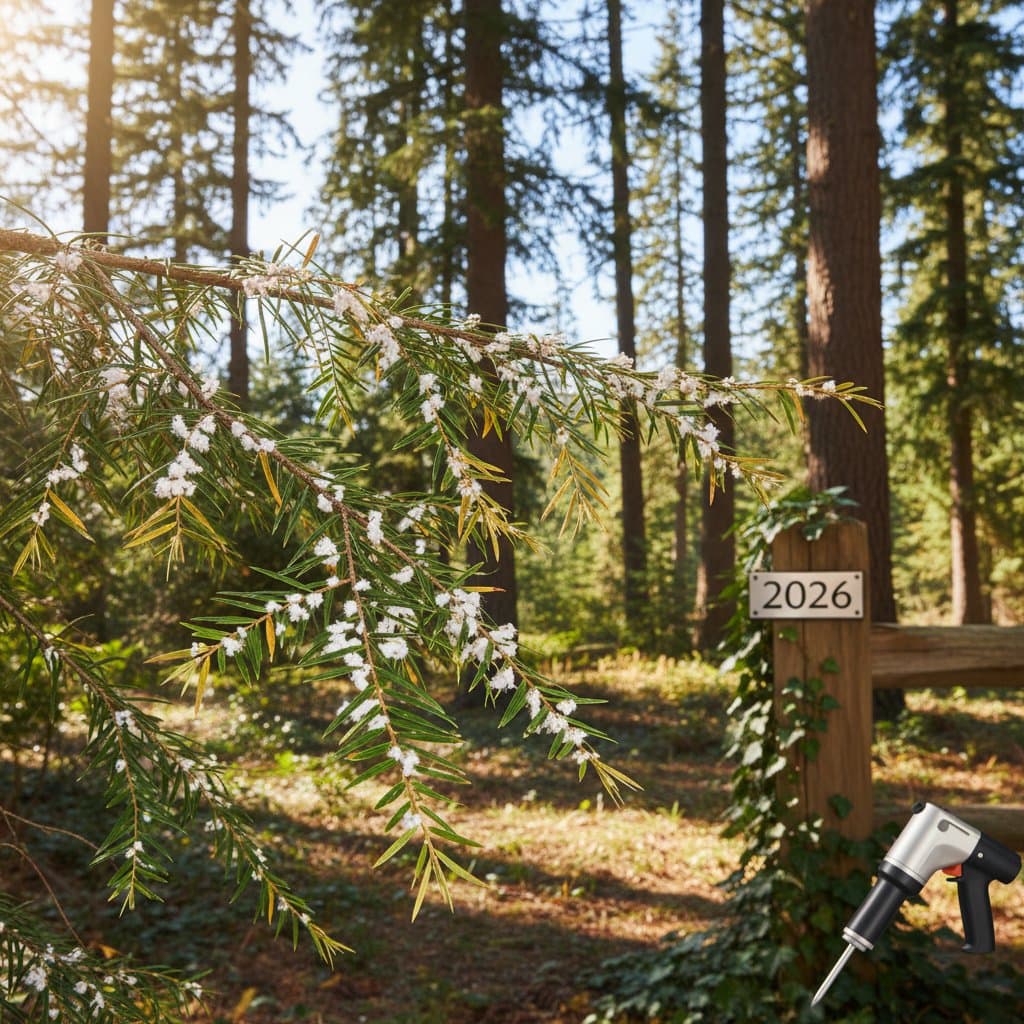
The hemlock woolly adelgid (HWA) is an invasive aphid-like insect that feeds on hemlock sap at the needle bases. It produces conspicuous white, woolly sacs that shield its eggs and young from predators and environmental stress. These sacs appear on the undersides of branches, often at twig crotches. Over time, the adelgid starves the tree by blocking nutrient flow, leading to defoliation and death within three to six years for untreated mature specimens.
Hemlocks provide essential habitat and shade in Midwest woodlands and yards. The adelgid arrived in North America from Asia over a century ago and now advances westward via birds, wind, or human transport of infested materials. Early vigilance remains key to containment.
Treatment Cost Overview for Infested Hemlocks
Expenses for adelgid treatment depend on several variables, including tree dimensions and infestation extent. Professionals typically charge between $150 and $1,200 per tree for initial applications. Opting for prevention early often proves more economical than reactive measures on advanced cases.
| Tree Height | Typical Cost Range |
|---|---|
| Under 20 feet | $150 - $300 |
| 20 to 40 feet | $300 - $700 |
| Over 40 feet | $700 - $1,200 |
These figures cover labor, materials, and basic follow-up. Bulk treatments for multiple trees may lower per-unit rates by 20 to 30 percent.
Key Influences on Hemlock Treatment Expenses
Dimensions of the Tree
Greater height demands larger volumes of insecticide and extended application efforts. Technicians favor soil drenches for compact trees under 20 feet, which minimize material use and time.
For trees exceeding 40 feet, trunk injections become necessary, escalating costs due to specialized tools and safety protocols.
Health Status of the Tree
Vigorous trees absorb treatments efficiently, often requiring only one application per season. Trees showing heavy needle drop or branch dieback demand repeated doses or supplementary care, such as pruning dead sections, which adds to the bill.
Assess vitality through crown density: full canopies indicate better recovery odds and lower long-term costs.
Quantity of Trees Involved
Addressing several hemlocks simultaneously allows shared setup and travel fees. Arborists frequently discount group projects by negotiating package deals.
Isolated trees incur higher proportional expenses, so coordinate with neighbors for communal inspections.
Site Accessibility
Sloped ground, proximity to utilities, or dense undergrowth complicates access. Crews may deploy lifts or ropes, incurring extra charges for equipment rental and risk mitigation.
Urban lots with limited parking space for service vehicles also contribute to elevated labor fees.
Selected Treatment Approach
Soil drenches involve pouring diluted insecticide around the root zone, costing less but requiring dry weather for uptake. Basal sprays target lower trunks with foam applicators, suitable for mid-sized trees at moderate expense.
Trunk injections deliver precise doses through drilled ports, offering longest protection (up to three years) yet commanding premium pricing for the invasive method.
Treatment Timing and Demand
Peak spring or fall seasons see heightened requests, prompting surcharges for expedited service. Off-season planning avoids these premiums and aligns with adelgid life cycles for optimal results.
Schedule during dormancy to reduce stress on the tree and enhance chemical efficacy.
Step-by-Step Professional Treatment Protocol
Certified arborists employ a structured approach to HWA management, prioritizing tree welfare and regulatory adherence.
-
Initial Assessment
Arborists scan branches for woolly masses, needle discoloration, and sap flow indicators. They rate infestation severity on a scale from light to critical. -
Customized Strategy Development
Based on findings, they outline options like injection versus drench, including timelines and expected outcomes. Clients receive a transparent cost breakdown. -
Regulatory Compliance and Site Setup
Local ordinances may mandate buffer zones or applicator licensing. Teams erect barriers to shield non-target plants and prevent chemical migration to streams. -
Precise Insecticide Delivery
Systemic compounds, such as imidacloprid, enter via roots or vascular tissue. The tree circulates the toxin to feeding sites, eradicating adelgids without broad spraying. -
Ongoing Evaluation
Follow-up visits at 6 and 12 months check for reinfestation. Adjustments ensure sustained defense, with records tracking progress.
This methodical process maximizes survival rates, often exceeding 90 percent for timely interventions.
Evaluating DIY Efforts Against Professional Services
Suitable DIY Scenarios
Homeowners might manage diminutive landscape hemlocks using insecticidal soaps or dormant oils applied via garden sprayers. These target visible crawlers on accessible branches.
Routine scouting for woolly spots or yellowing tips empowers early homeowner action. Release predatory beetles if available through extension services.
Circumstances Requiring Experts
Mature specimens demand elevated platforms for safe application, beyond ladder reach. Professionals handle multi-tree outbreaks with calibrated equipment.
Regulatory hurdles, including pesticide handling permits, necessitate licensed operators. Experts also integrate biological controls, like releasing adelgid-eating insects, for holistic defense.
Engage International Society of Arboriculture (ISA) certified specialists to uphold standards and warranty work.
Guidelines for Selecting a Reliable Tree Care Provider
Thorough vetting secures quality outcomes and value.
-
Validate Qualifications
Confirm ISA certification, state licensing, and comprehensive insurance coverage for property damage or injuries. -
Review Client Feedback
Solicit references from similar projects and scrutinize online testimonials for patterns in service and results. -
Obtain Comparative Quotes
Gather at least three bids detailing scope, materials, and guarantees. Weigh long-term efficacy over lowest price. -
Secure Written Commitments
Contracts should specify application techniques, product specifications, and monitoring intervals. -
Probe Eco-Friendly Protocols
Inquire about integrated pest management, runoff containment, and pollinator safeguards to align with sustainable practices.
Local cooperative extensions offer provider recommendations tailored to regional threats.
Common Queries on Hemlock Woolly Adelgid Management
What Is the Expense for Treating a Towering Hemlock?
For specimens over 40 feet, anticipate $700 to $1,200, influenced by site challenges and infestation depth. Injections suit these giants best.
How Can One Block Adelgid Arrival on the Property?
Conduct bi-annual inspections from November to March, when woolly masses stand out against bare branches. Apply preventive drenches annually and quarantine incoming plants.
Does Removal Outweigh Treatment in Cost?
Removal fees span $500 to $2,000, plus stump grinding. Treatment saves money if the tree retains over 50 percent live crown.
Does Home Insurance Address Adelgid Damage?
Standard policies exclude pest-related losses. Coverage may apply if falling limbs threaten structures, pending policy review.
What Indicators Signal an Infestation?
Search for pearl-like white coverings on twigs, sparse needles, reddish inner bark, or premature drop. Act within weeks of detection.
Sustaining Hemlock Health Amid Advancing Threats
Midwest hemlocks contribute irreplaceable biodiversity and aesthetic appeal, warranting dedicated protection. Integrate vigilant monitoring with certified interventions to counter the adelgid's advance. Schedule a professional evaluation promptly to fortify your landscape against this encroaching peril.