
Hemlock Woolly Adelgid Reaches Eight New States: Protect Your Trees Immediately
The hemlock woolly adelgid represents a significant threat as it invades eight additional states, endangering hemlock trees that many homeowners cherish. This invasive pest drains sap from trees, leading to rapid decline and potential death within a few years without intervention. Homeowners who respond swiftly can mitigate damage, safeguard their property's value, and maintain the environmental contributions of these trees.
This comprehensive guide details identification techniques, treatment protocols, and management strategies. It draws on expert recommendations to equip you with the knowledge needed to act decisively. Consulting a certified arborist ensures the most reliable outcomes for your landscape.
What Is the Hemlock Woolly Adelgid?
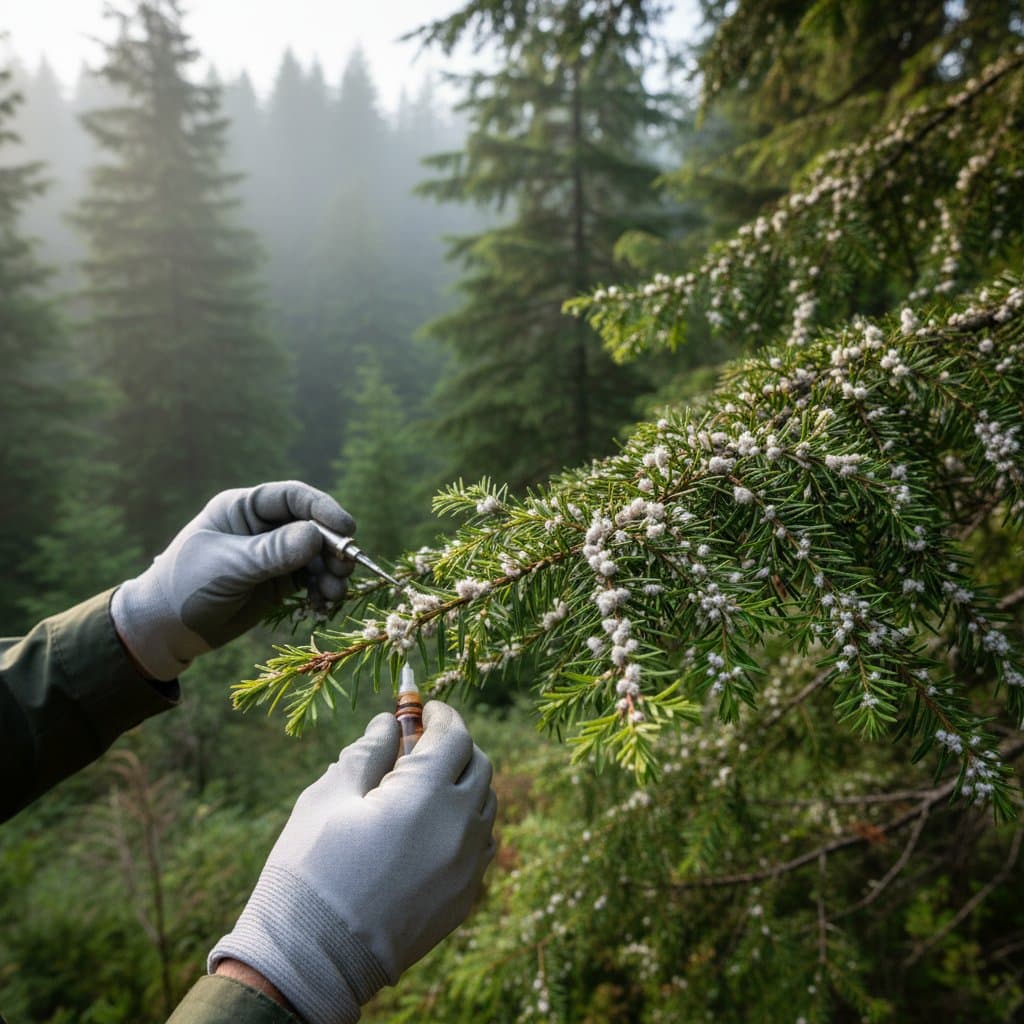
The hemlock woolly adelgid, commonly known as HWA, consists of minuscule insects that feed on hemlock needle bases by extracting sap. This feeding disrupts nutrient flow, resulting in needle discoloration, branch loss, and eventual tree mortality. The pests become prominent in cooler seasons, displaying white, wool-like masses that protect their eggs and nymphs.
HWA spreads efficiently via wind currents, avian transport, and human-mediated movement such as through infested plants or wood. Eastern and Carolina hemlock species face the highest susceptibility, underscoring the importance of vigilant monitoring. Infestations often go unnoticed initially, allowing silent proliferation across affected sites.
Indicators of Hemlock Infestation
Early detection hinges on routine examinations, as HWA hides effectively in branch crotches and needle undersides. Homeowners should inspect trees seasonally to identify issues before extensive harm occurs. Key symptoms include the following:
- White, woolly masses clustered at needle bases or on twigs.
- Foliage that appears gray and sparse from sap depletion.
- Excessive needle shedding, exposing bare branches.
- Dieback starting from lower limbs and progressing upward.
- Limited bud development or new shoot growth in spring.
To verify an infestation, collect samples from multiple branches and use a hand lens for closer inspection. Such proactive steps enable timely interventions that preserve tree vitality.
Factors Driving the Pest's Expansion
Several environmental and human influences contribute to HWA's advance into new regions. Warmer winter conditions enable higher survival rates among overwintering populations. Additionally, the transport of contaminated nursery materials or firewood introduces the pest to uninfected zones.
Properties adjacent to natural hemlock stands encounter elevated risks, as wild trees act as ongoing sources of dispersal. Insects transfer between hosts via physical contact or fallen debris, amplifying local outbreaks. Coordinated efforts among neighboring landowners prove essential in containing this progression.
Effective Treatment Approaches for Infested Trees
Timely professional application of treatments can rescue affected hemlocks and prevent further spread. An arborist begins with a thorough evaluation of infestation levels and tree condition to tailor the strategy. Proven methods encompass:
- Systemic Insecticides: Delivered via soil drenches or trunk injections, these compounds circulate through the tree's vascular system. Adelgids ingest the toxin during feeding, providing protection that lasts two to four years based on the formulation.
- Horticultural Oils and Insecticidal Soaps: Applied as foliar sprays, these smother exposed pests on contact. They suit smaller specimens or serve as supplementary measures, demanding complete branch coverage for success.
- Biological Agents: Predatory insects, such as specific beetles, offer a sustainable option in approved areas. Releases target long-term population suppression while minimizing chemical reliance.
Expect costs between 150 and 450 dollars per tree, influenced by dimensions, infestation degree, and selected technique. Complex cases might necessitate combined approaches or subsequent applications.
Weighing DIY Options Against Professional Services
Homeowners with small, lightly affected trees may apply horticultural oils following product guidelines. However, systemic treatments demand expertise to avoid environmental contamination or ineffective dosing. Professionals utilize precise tools to target infestations comprehensively.
Arborists conduct post-treatment assessments to track efficacy and refine plans as needed. For substantial or legacy trees, their involvement maximizes survival chances and minimizes risks. When attempting DIY efforts, adhere strictly to instructions, don protective equipment, and select moderate temperatures for applications to prevent phytotoxicity.
Strategies to Prevent Adelgid Infestations
Vigilant upkeep fortifies hemlocks against HWA and accelerates recovery from minor attacks. Implement these practices to bolster defenses:
- Conduct bi-annual inspections, emphasizing branch undersides and crotches.
- Refrain from relocating firewood or plants from known infested locales.
- Provide consistent irrigation and organic mulch to sustain vigor during droughts.
- Remove and dispose of deadwood to enhance circulation and lessen vulnerability.
- Foster beneficial insects through diverse plantings that attract predators.
Collaborate with adjacent property owners on shared monitoring and treatments to create protective buffers.
Selecting a Reliable Arborist for HWA Management
Prioritize firms staffed by ISA-certified arborists experienced in adelgid control. Inquire about their protocols for hemlock treatments and success rates in similar scenarios. Reputable providers furnish detailed proposals outlining methodologies, timelines, and pricing.
They communicate transparently, setting realistic expectations without guarantees of eradication. Post-service support, including monitoring advice, distinguishes top-tier services. Verify licensing and insurance to shield against liabilities.
Essential Questions for Prospective Tree Care Providers
-
Which HWA treatments do you employ, and what justifies your choice? This reveals preferences for drenches, injections, or sprays aligned with your tree's needs.
-
Do your staff hold certifications and maintain insurance? Confirmation ensures qualified, accountable operations.
-
What duration of protection does the treatment offer? Understand if annual renewals or multi-year efficacy applies.
-
How do your methods affect beneficial insects or surrounding vegetation? Ethical providers prioritize low-impact solutions.
-
What follow-up services do you include? Scheduled checks confirm sustained control.
Frequently Asked Questions on Hemlock Woolly Adelgid
How quickly does HWA destroy a hemlock?
Severe cases lead to tree death in three to six years. Stressed or juvenile trees succumb faster, whereas robust adults endure longer with interventions.
Is recovery possible for infested trees?
Early action halts progression, enabling regeneration. Intensive care can rehabilitate advanced infestations in viable specimens.
Which hemlock varieties face the greatest risk?
Eastern and Carolina types prove most vulnerable. Western hemlocks exhibit partial tolerance but require monitoring.
Does winter cold eradicate the pest?
Extreme freezes suppress numbers, yet adaptations allow persistence. Integrated management remains indispensable.
When should removal be considered?
Opt for it in cases of total decline or safety hazards. Salvage efforts succeed for many trees pre-total loss.
How can spread to other trees be halted?
Treat adjacent hosts promptly, sanitize tools, and quarantine materials to interrupt transmission.
What timing optimizes treatment efficacy?
Target periods of active nymph feeding, typically late winter to early spring, per local expert input.
Sustaining Healthy Hemlocks Long-Term
Preserving hemlocks demands ongoing commitment to inspection and care. These trees enhance biodiversity and aesthetics, warranting dedicated protection. Engage professionals at the first sign of trouble to secure enduring benefits.
Schedule a consultation with a local arborist to assess your hemlocks and implement a customized defense plan. This investment yields resilient landscapes for future enjoyment.