
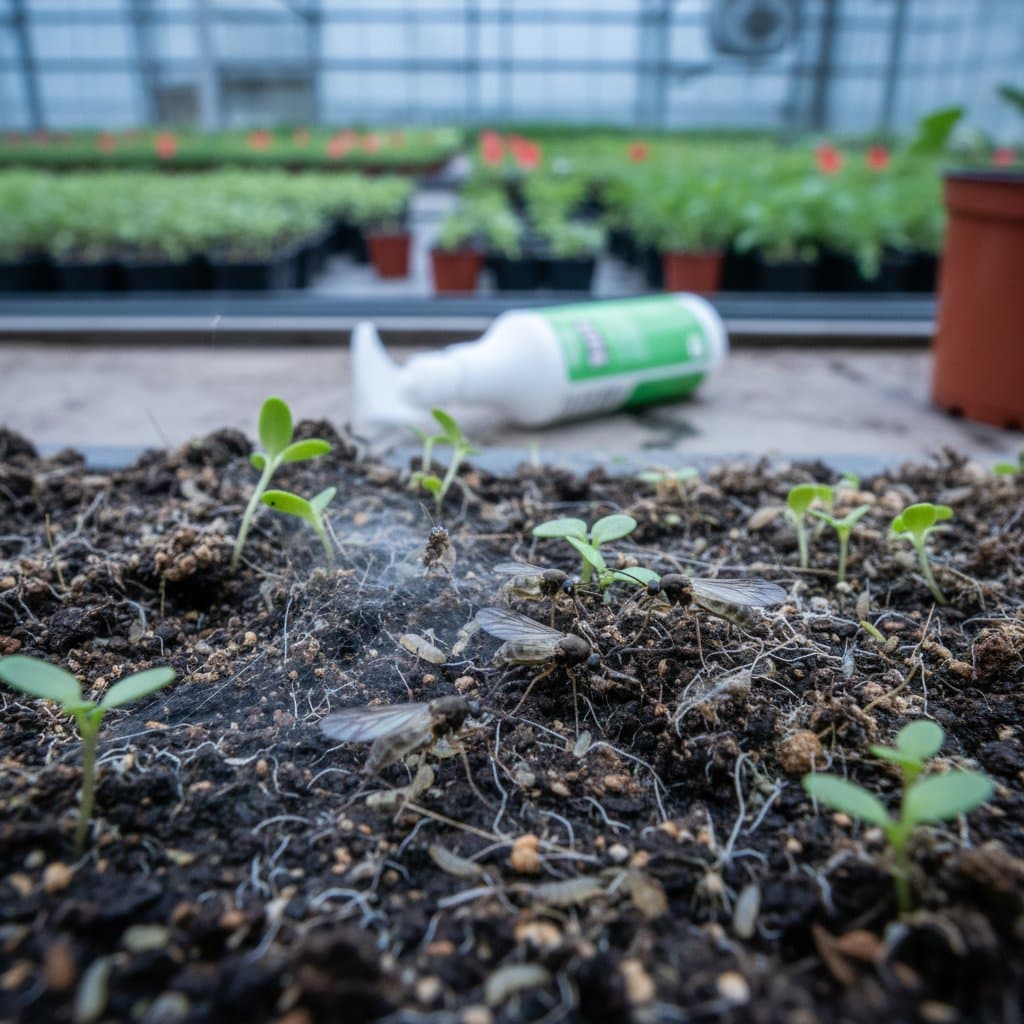
Fungal Gnat Superbug Defies Treatments in 15 States
Tiny fungus gnats have long posed challenges for gardeners and greenhouse operators. A new resistant strain, dubbed the fungal gnat superbug, now complicates matters further. Confirmed in at least fifteen states, this pest exhibits strong immunity to standard chemical and biological treatments. Homeowners, commercial growers, and landscape professionals must adapt their pest control strategies to safeguard plants and maintain soil health.
The Rising Costs of Fungal Gnat Resistance
Widespread Failures in Pest Control
Resistant gnat populations not only endure conventional insecticides but flourish in environments where treatments occur. Greenhouse operators note complete breakdowns in chemical soil drenches that previously provided reliable results. Home gardeners encounter persistent infestations despite multiple applications of approved pesticides. These failures lead to substantial crop losses, compromised seedlings, and the need to discard or replace contaminated potting soil.
Economic Impact by Operation Scale
- Home Gardens: Minor outbreaks demand repeated use of biological agents or full soil replacement. Expenses range from basic supply costs to the complete loss of seedling trays.
- Commercial Greenhouses: Professional operations suffer amplified financial strain. Soil media replacement, bench sterilization, and adoption of resistant plant varieties can escalate costs into thousands of dollars.
- Landscape Projects: Extensive outdoor areas contend with soil pollution and plant stress, necessitating revisions to irrigation systems and soil handling protocols.
Factors Driving Control Expenses
Several elements determine the financial burden of managing these infestations.
- Severity of the outbreak and duration without intervention
- Plant types involved, particularly vulnerable seedlings or species requiring high moisture
- Selected control approaches, including chemical, biological, or integrated pest management systems
- Labor required for tasks such as soil disposal, sanitation, or ongoing surveillance
- Site-specific conditions like humidity levels and drainage quality that affect gnat breeding rates
Insights into the Fungal Gnat Superbug
The designation of superbug accurately reflects this strain's capabilities. It resists multiple chemical categories, such as neonicotinoids and pyrethroids. Even more alarming, the strain shows tolerance to prevalent biological agents, including predatory nematodes and Bacillus thuringiensis israelensis.
Mechanisms Behind the Resistance
Pest resistance emerges from prolonged exposure to identical control measures. Individuals that survive transmit resistant genetic traits to their progeny, which then withstand higher concentrations of treatments. In greenhouses, inadequate rotation of pesticides and excessive reliance on chemical applications have hastened this evolution.
Implications for Residential Landscapes
Fungus gnats extend beyond indoor settings. They proliferate in damp outdoor soils, compost piles, and mulched areas. Resistant variants disseminate via nursery plants and potting soil distributions, risking the formation of enduring outdoor populations. Larvae damage root hairs and organic material, impairing young plants and facilitating the transmission of fungal diseases.
Evaluating Control Methods and Their Outcomes
Chemical Options
Overview: Insecticides designed for soil application or leaf treatment represent conventional approaches.
Advantages:
- Rapid reduction of adult gnat numbers.
- Straightforward application using routine tools.
Disadvantages:
- Broad resistance observed in affected areas.
- Potential harm to beneficial insects from residues.
- Minimal impact on soil-sheltered larvae.
Biological Options
Overview: Organisms that attack gnat larvae, such as nematodes, predatory mites, and specific bacteria.
Advantages:
- Low environmental impact and safety for most vegetation.
- Alignment with organic cultivation standards.
Disadvantages:
- Vulnerability to fluctuations in temperature and humidity.
- Diminished performance against resistant variants.
- Requirement for ongoing applications to sustain efficacy.
Cultural and Environmental Strategies
Overview: Modifications to cultivation practices that render conditions unsuitable for gnats.
Advantages:
- Proactive and enduring benefits.
- Elimination of chemical-related hazards.
Disadvantages:
- Dependence on vigilant oversight and adherence.
- Inability to fully eradicate established populations.
Weighing DIY Efforts Against Professional Intervention
Managing Infestations Independently
Homeowners frequently initiate control with self-directed tactics, including soil drying intervals, adhesive traps, or biological introductions. Such methods suit light infestations effectively. Resistance poses difficulties, however, as successive treatments produce negligible results. Independent efforts also carry the risk of dissemination if affected soil or plants relocate.
Benefits of Expert Assistance
Certified pest specialists and horticulture advisors employ diagnostic equipment to detect resistant strains. They prescribe alternative biological products, soil treatment techniques, and site-adapted environmental adjustments. Experts develop comprehensive integrated pest management frameworks that minimize recurrence probabilities. Consider professional help in these scenarios:
- Persistent gnat presence despite multiple homeowner applications.
- Expansion of the problem across various containers or greenhouse sections.
- Threats to high-value or uncommon plant specimens.
Steps to Restore Control Over Resistant Fungus Gnats
- Detect the Issue: Verify fungus gnat activity through adhesive traps or root-zone soil examinations. Identify small flying adults and larvae in affected areas.
- Eliminate Breeding Sites: Discard soil with heavy contamination, decaying vegetation, and surface algae on containers or trays. Sterilize and clean pots prior to reuse.
- Limit Moisture Levels: Permit the upper soil layer to dry fully between irrigation sessions. Enhance drainage features to hinder larval growth.
- Deploy Predatory Organisms: Introduce agents like Hypoaspis miles mites or nematodes, alternating types to curb further resistance development.
- Utilize Advanced Treatments: Select products specifically formulated for resistant pests. Adhere strictly to application guidelines.
- Sustain Vigilance: Employ traps and soil inspections over weeks to validate successful suppression.
Strategies for Sustained Prevention
- Source fresh potting mixes and sterilize reused soil before application.
- Seal storage containers for soil and compost to block egg deposition.
- Disinfect tools, trays, and work surfaces after each planting cycle.
- Prevent excessive watering, particularly in low-light or enclosed spaces.
- Alternate biological and chemical interventions to avert additional resistance.
Frequently Asked Questions
What Triggers Resistance in Fungus Gnats?
Ongoing contact with the same pesticide enables survivors to propagate resistant characteristics. These traits gradually prevail within the population, rendering typical controls obsolete.
Do Resistant Fungus Gnats Damage Established Plants?
These pests primarily assault seedlings and fine roots. Substantial numbers, however, can debilitate mature plants through root feeding and disease facilitation.
Exist Natural Remedies for Resistant Fungus Gnats?
Enhancing drainage, deploying beneficial predators, and upholding sanitary conditions suppress outbreaks. Effectiveness hinges on rigorous moisture regulation and varied biological applications.
How Can One Determine If an Infestation Involves Resistance?
Failure of standard pesticides or biological agents after repeated use indicates resistance. Expert evaluation or testing provides definitive confirmation.
Do These Gnats Travel Via Packaged Soil or Nursery Stock?
Resistant fungus gnats commonly arrive in bagged potting mixes, seedling flats, or purchased plants. Quarantine and inspect newcomers before integration into gardens or greenhouses.
Is Total Soil Replacement Essential Post-Infestation?
Severe or repeated incidents may necessitate soil renewal or sterilization. Mild cases often resolve with focused removal and moisture adjustments.
Implementing Effective Defenses Against the Superbug
The fungal gnat superbug reshapes soil pest management for growers and homeowners alike. Reliance on chemical solutions diminishes as integrated pest management emerges as the optimal strategy.
Individuals confronting ongoing outbreaks benefit from engaging certified pest professionals. Customized programs incorporating sanitation, surveillance, and targeted treatments secure plant vitality and operational stability.